Expert Opinion on Drug Discovery
Scope & Guideline
Illuminating Trends in Pharmacology and Toxicology
Introduction
Aims and Scopes
- Innovative Drug Discovery Strategies:
The journal emphasizes novel approaches in drug discovery, including the use of artificial intelligence, machine learning, and computational methods to enhance the efficiency and accuracy of drug design. - Targeted Therapeutics Development:
It covers research aimed at developing drugs targeting specific diseases, particularly in oncology, neurology, and infectious diseases, highlighting the importance of understanding disease mechanisms. - Repurposing Existing Drugs:
The journal explores strategies for repurposing existing drugs for new therapeutic uses, especially in the context of emerging health crises such as COVID-19. - Translational Research:
There is a strong focus on bridging the gap between preclinical studies and clinical applications, emphasizing the relevance of animal models and in vitro systems in drug discovery. - Emerging Technologies in Drug Discovery:
The journal discusses advancements in technologies such as high-throughput screening, nanotechnology, and 3D cell culture models, which are pivotal for modern drug discovery. - Challenges in Drug Development:
It addresses the various challenges faced in drug development, including issues of bioavailability, drug resistance, and regulatory hurdles.
Trending and Emerging
- Artificial Intelligence and Machine Learning:
There is a growing emphasis on the application of AI and machine learning in drug discovery, focusing on their potential to accelerate the identification and optimization of drug candidates. - Complex Disease Models:
Research on complex disease models, including polygenic and multifactorial diseases, is trending as scientists seek to better mimic human disease in preclinical settings. - Biologics and RNA-based Therapeutics:
The exploration of biologics, including monoclonal antibodies and RNA-targeted therapies, has gained traction as a promising area for innovative drug development. - Personalized Medicine Approaches:
There is an emerging focus on personalized medicine, tailoring drug discovery and development processes to individual patient profiles and genetic backgrounds. - Sustainable and Ethical Drug Discovery:
Research addressing the ethical implications and sustainability of drug discovery processes, including the use of natural products and environmentally friendly methodologies, is increasingly prominent.
Declining or Waning
- Traditional Drug Discovery Techniques:
There has been a noticeable decline in papers focusing solely on traditional drug discovery methods, as the field increasingly adopts advanced technologies and computational approaches. - General Discussions on Drug Discovery:
Papers that provide general overviews without a specific focus on innovative methodologies or case studies are becoming less frequent, as the journal seeks to present more targeted and impactful research. - Single Target Drug Discovery:
The trend towards polypharmacology and multi-target strategies indicates a waning interest in developing drugs that target single pathways or receptors, reflecting a more complex understanding of disease mechanisms.
Similar Journals
CURRENT CANCER DRUG TARGETS
Empowering researchers to redefine oncology and pharmacology.CURRENT CANCER DRUG TARGETS is a prominent academic journal published by Bentham Science Publishers Ltd, focusing on the critical intersection of cancer research and innovative drug development. Since its inception in 2001, this journal has offered a platform for the dissemination of cutting-edge research aimed at advancing targeted cancer therapies, contributing significantly to the fields of Cancer Research, Drug Discovery, Oncology, and Pharmacology. With a respectable impact factor and consistent ranking in its respective categories, including Q2 in Drug Discovery and Pharmacology, it positions itself as an invaluable resource for researchers, clinicians, and students alike. CURRENT CANCER DRUG TARGETS is dedicated to enhancing our understanding of novel therapeutic targets and methods, thereby fostering a collaborative environment for knowledge exchange in the ever-evolving landscape of cancer treatment.

ASSAY AND DRUG DEVELOPMENT TECHNOLOGIES
Advancing the Frontiers of Pharmacology and Drug DevelopmentASSAY AND DRUG DEVELOPMENT TECHNOLOGIES is a peer-reviewed journal published by Mary Ann Liebert, Inc., focused on the innovative fields of pharmacology and drug development. With its ISSN 1540-658X and E-ISSN 1557-8127, the journal has successfully contributed to the scientific community since its inception in 2002, converging into one comprehensive resource by 2024. Positioned in the Q3 quartile for Drug Discovery and Q4 for Molecular Medicine as per the 2023 rankings, the journal is dedicated to disseminating cutting-edge research that addresses the complexities of drug assay techniques and their implications in therapeutics. Although currently not an open-access publication, it offers significant insights and findings valuable to researchers, professionals, and students in the realm of biochemistry and pharmacology. With a commitment to advancing knowledge and innovation, ASSAY AND DRUG DEVELOPMENT TECHNOLOGIES continues to be an essential platform for the latest advancements in drug discovery and development.
Drug Discoveries and Therapeutics
Empowering researchers with cutting-edge insights.Drug Discoveries and Therapeutics is a highly regarded journal devoted to the advancement of knowledge in the field of medicine and pharmacology. Published by the International Research & Cooperation Association for Biological & Socio-Sciences Advancement in Tokyo, Japan, this journal serves as a vital resource for researchers, practitioners, and students interested in the latest developments in drug discovery and therapeutic strategies. With a Scopus ranking of #192 out of 826 in the General Medicine category, and positioning itself in the 76th percentile, it demonstrates a significant impact within the scientific community. The journal publishes original research articles, reviews, and innovative studies that address the complexities of drug development, therapeutic efficacy, and clinical applications. Researchers and clinicians can access valuable insights to enhance their practices and inform further studies as it continues to disseminate crucial findings essential for the advancement of medical science.
International Journal for Parasitology-Drugs and Drug Resistance
Leading the Charge in Drug Development and Resistance StrategiesInternational Journal for Parasitology-Drugs and Drug Resistance, published by ELSEVIER SCI LTD, is a premier open access journal that has been at the forefront of parasitology research since its inception in 2011. With an impressive impact factor and recognition as a Q1 journal in multiple categories including Infectious Diseases, Parasitology, and Pharmacology, it serves as an essential resource for researchers, professionals, and students looking to advance their understanding of drug resistance and therapeutic strategies against parasitic infections. Based in the Netherlands, the journal’s scope encompasses a wide range of topics dedicated to innovative drug development, resistance mechanisms, and treatment efficacy, empowering the scientific community with high-quality, peer-reviewed articles. Engaging with this publication not only enhances the discourse on parasitological challenges but also contributes to the global fight against infectious diseases. With the adoption of open access since 2011, the journal ensures that valuable insights and knowledge remain readily accessible to all stakeholders in the field.
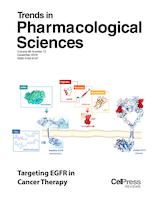
TRENDS IN PHARMACOLOGICAL SCIENCES
Elevating Standards in Pharmacology and Toxicology ResearchTRENDS IN PHARMACOLOGICAL SCIENCES, an esteemed journal published by CELL PRESS, is a leading platform in the field of pharmacology and toxicology, with an impressive history since its inception in 1979. With an impact factor that places it in the top quartile category (Q1) for both pharmacology and toxicology as of 2023, it is recognized for disseminating high-quality, peer-reviewed research that shapes the future of these disciplines. The journal is indexed with a robust standing in Scopus rankings, positioned at rank #2 in Toxicology and #6 in Pharmacology, both boasting an extraordinary percentile of 98. Researchers, professionals, and students benefit from its comprehensive coverage, which spans cutting-edge advancements, review articles, and significant trends in drug development and toxicity assessment. While the journal does not currently offer open access options, it remains a vital resource for the academic community, ensuring critical insights into the complexities of pharmacological sciences are readily available to enhance research and practice.
EXPERT OPINION ON THERAPEUTIC TARGETS
Advancing therapeutic innovation through expert insights.Expert Opinion on Therapeutic Targets, published by Taylor & Francis Ltd, is a highly respected journal in the fields of Clinical Biochemistry, Drug Discovery, Molecular Medicine, and Pharmacology. With a focus on cutting-edge research and innovative approaches to therapeutic development, this journal has established itself as a leading platform for scholars and practitioners, boasting a prestigious Q1 ranking across multiple categories in 2023. The journal aims to present expert perspectives on novel therapeutic strategies, promising drug candidates, and insights into the intricate mechanisms underlying various diseases. Its impressive impact factor reflects the journal's commitment to advancing scientific knowledge and influencing clinical practice. With its inception in 1997 and ongoing publication through to 2024, Expert Opinion on Therapeutic Targets continues to be an invaluable resource for those seeking to stay at the forefront of therapeutic innovations.

ACS Pharmacology & Translational Science
Unlocking the potential of pharmacological advancements.ACS Pharmacology & Translational Science is a premier journal published by the American Chemical Society, dedicated to advancing knowledge in the fields of pharmacology and translational science. Operating since 2018, the journal has quickly established itself as a leader in its domain, holding a prestigious Q1 ranking in both Pharmacology and Medical Pharmacology for 2023. With a robust Scopus ranking, it currently occupies the 21st position out of 272 in Medical Pharmacology, reflecting its significant impact within the scientific community at the 92nd percentile. The journal provides an open-access platform for researchers to disseminate innovative findings and viewpoints that bridge the gap between drug discovery and clinical application. In an era where translational research is critical for the success of pharmacological advances, ACS Pharmacology & Translational Science serves as an essential resource for scientists, professionals, and students eager to explore cutting-edge developments in drug development and therapeutic strategies. The journal is based in the United States, with a commitment to fostering collaboration and knowledge sharing across borders.
Drug Research
Illuminating Pathways in Pharmacological StudiesDrug Research, published by GEORG THIEME VERLAG KG, is a pivotal journal housed in the vibrant realm of pharmacology and drug discovery. With a commitment to advancing the understanding of medicinal substances, this journal serves as an essential resource for researchers, professionals, and students dedicated to the field. The journal boasts an ISSN of 2194-9379 and an E-ISSN of 2194-9387, reflecting its dual commitment to print and digital accessibility. Despite its status as a Q3 journal in both Drug Discovery and Miscellaneous Medicine categories as of 2023, it continues to offer valuable insights with a focus on the latest innovations, methodologies, and findings in drug research. Based in Germany, Drug Research promotes scholarly communication and collaboration within the scientific community, ensuring that its contributions remain impactful in shaping future therapeutic discoveries. The journal is indexed in relevant databases, enhancing its visibility and reach, thus fostering a robust academic dialogue.
European Journal of Pharmacology
Advancing drug discovery through innovative research.The European Journal of Pharmacology, a prestigious publication by Elsevier, serves as a vital resource in the field of pharmacology, offering rich insights into drug development and therapeutic applications. Since its inception in 1967, this journal has evolved to encompass groundbreaking research, including pharmacokinetics, toxicology, and innovative pharmacological methodologies, making it an essential platform for researchers and professionals alike. With an impressive impact factor that places it in the Q1 category of pharmacological journals and a Scopus ranking of #49 out of 313, the journal is recognized in the 84th percentile within its category, solidifying its significance in the academic community. Although the journal is not open access, it continues to attract contributions from leading scientists worldwide, ensuring that cutting-edge findings are disseminated effectively. The European Journal of Pharmacology not only highlights advancements in drug discovery and clinical applications but also promotes interdisciplinary collaboration, ultimately contributing to the progress of healthcare globally.
CURRENT PHARMACEUTICAL DESIGN
Unveiling the Future of Drug Discovery and DesignCURRENT PHARMACEUTICAL DESIGN is a leading journal in the fields of Drug Discovery and Pharmacology, published by Bentham Science Publishers Ltd in the dynamic United Arab Emirates. With an impressive historical span from 1995 to 2024, this journal serves as a vital platform for disseminating innovative research findings, breakthrough methodologies, and critical reviews that shape the future of pharmaceutical sciences. Ranked Q2 in both Drug Discovery and Pharmacology categories according to the 2023 metrics, it places itself within the top-tier percentile, catering to a diverse audience of researchers, industry professionals, and students. The journal’s commitment to high-quality research exploration is evidenced by its Scopus ranking, where it is positioned favorably within its category ranks. Although currently not Open Access, CURRENT PHARMACEUTICAL DESIGN remains an essential resource for those looking to stay at the forefront of pharmacological advancements and drug development strategies.