FEMS MICROBIOLOGY LETTERS
metrics 2024
Fostering Dialogue in the Realm of Microbiology
Introduction
FEMS Microbiology Letters, published by Oxford University Press, is a prestigious international journal dedicated to advancing the understanding of microbiology through concise and impactful research articles. With an ISSN of 0378-1097 and E-ISSN 1574-6968, this journal encompasses a wide range of topics within the fields of genetics, microbiology, and molecular biology, achieving a notable Q3 quartile ranking in these categories as of 2023. As an essential platform for researchers, professionals, and students, FEMS Microbiology Letters invites submissions that contribute valuable insights into microbial behaviors, genetic mechanisms, and innovative methodologies pivotal in the study of microbiology. Although it is not an open-access publication, the journal's rigorous editorial standards ensure high-quality content that is relevant and significant to its audience, furthering scholarly dialogue and collaboration in the vibrant field of microbiological research.
Metrics 2024
 0.512.202.60172
Metrics History
Rank 2024
Scopus
IF (Web Of Science)
JCI (Web Of Science)
Quartile History
Similar Journals
Microbiology Spectrum
Bridging disciplines in the realm of microbiological studies.Microbiology Spectrum is a prominent peer-reviewed journal published by the American Society for Microbiology, dedicated to advancing the field of microbiology through the dissemination of high-quality research. Since its inception in 2013 and continuing until 2024, the journal has established a strong presence in key domains such as microbiology, immunology, cell biology, and ecology, achieving impressive quartile rankings including Q1 in Infectious Diseases and Q1 in Immunology and Microbiology as of 2023. With an emphasis on open access to its scholarly content, Microbiology Spectrum aims to foster collaboration and knowledge sharing among researchers, professionals, and students alike. The journal's scope encompasses a diverse range of topics pertinent to the field, making it an essential resource for anyone involved in microbiological research and its applications. Researchers looking to publish their findings in a respected journal will find Microbiology Spectrum's robust impact factor and Scopus rankings serve as testament to its significance and influence within the academic community.

Nature Microbiology
Exploring Innovations in Applied MicrobiologyNature Microbiology is a premier journal published by NATURE PORTFOLIO that has firmly established itself within the realms of microbiological research since its inception in 2016. Based in the United Kingdom, this prestigious journal specializes in the intricacies of applied microbiology, cell biology, genetics, immunology, and medical microbiology, making it a cornerstone for academics and professionals alike. With an impressive Scopus ranking placing it in the top tier across various relevant categories—such as rank #3 in Genetics and #2 in Applied Microbiology—it underscores the journal’s commitment to high-quality, impactful research. Although it operates under a subscription model, Nature Microbiology's broad Open Access policy facilitates greater dissemination and visibility for its authors. The journal's objectives are centered around publishing cutting-edge advancements that enhance our understanding of microbial life, its interactions, and applications in health and disease. As a Q1 journal across multiple disciplines, it holds immense significance for researchers, professionals, and students enthusiastic about the latest innovations and breakthroughs in microbiology.

Microbial Physiology
Unveiling the Secrets of Microbial FunctionalityMicrobial Physiology is a premier, peer-reviewed journal published by KARGER, dedicated to advancing the field of microbiology through innovative research and reviews. With an ISSN of 2673-1665 and an E-ISSN of 2673-1673, the journal stands out in the academic landscape having established a strong track record since its inception in 2020, converging its scope until 2024. It proudly holds a Q2 category ranking in several key areas including Applied Microbiology and Biotechnology, Biochemistry, and Microbiology, making it an essential resource for researchers and professionals in these disciplines. The journal provides open access options to ensure that cutting-edge findings are widely disseminated, fostering collaboration and knowledge sharing. As a vital contributor to the ongoing discourse in microbial physiology, the journal serves as a platform for novel discoveries and methodologies that can significantly impact health, industry, and environmental sustainability. Located in Basel, Switzerland, it brings together a global community of scholars eager to further explore the complexities of microbial life.
MICROBIOLOGY AND MOLECULAR BIOLOGY REVIEWS
Fostering Knowledge in the World of Microbiology and Molecular BiologyMICROBIOLOGY AND MOLECULAR BIOLOGY REVIEWS, published by the American Society for Microbiology, is a premier journal dedicated to advancing the fields of microbiology and molecular biology. With an impressive impact factor reflective of its Q1 ranking in categories such as Immunology, Infectious Diseases, and Molecular Biology, this journal consistently showcases high-quality, peer-reviewed articles that contribute to the current understanding of microbial life and molecular mechanisms. Operating since 1997, the journal aims to bridge the gap between microbiological methods and molecular biology applications, making it an essential resource for researchers, professionals, and students alike. Readers can access content through various platforms, ensuring that the latest findings are readily available to the scientific community. With its esteemed reputation, MICROBIOLOGY AND MOLECULAR BIOLOGY REVIEWS remains a leading voice in the exploration of the life sciences, catering to a broad audience deeply invested in unraveling the complexities of microbial and molecular systems.
ANTONIE VAN LEEUWENHOEK INTERNATIONAL JOURNAL OF GENERAL AND MOLECULAR MICROBIOLOGY
Fostering Collaborative Discoveries in Microbial ScienceANTONIE VAN LEEUWENHOEK INTERNATIONAL JOURNAL OF GENERAL AND MOLECULAR MICROBIOLOGY, published by Springer, is a vital resource for advancing research in the fields of microbiology and molecular biology. With its ISSN 0003-6072 and E-ISSN 1572-9699, this journal consistently focuses on cutting-edge studies and developments, providing a platform for the dissemination of knowledge that spans over its rich history from 1934 onwards. The journal holds an impressive reputation, ranked Q2 in Medicine (miscellaneous) and Q3 in both Microbiology and Molecular Biology for 2023, reflecting its significant contribution to the scientific community. Researchers and professionals from various disciplines rely on this journal for quality publications that address complex microbial interactions and molecular mechanisms. Although it currently does not provide open access options, its compelling research remains accessible through institutional subscriptions, allowing it to foster collaborative advancements in the ever-evolving landscape of microbiological sciences.
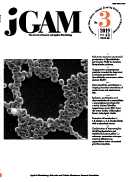
JOURNAL OF GENERAL AND APPLIED MICROBIOLOGY
Innovating biotechnology through rigorous microbial research.JOURNAL OF GENERAL AND APPLIED MICROBIOLOGY, published by the MICROBIOL RES FOUNDATION, is a vital resource in the fields of applied microbiology and biotechnology, as well as in diverse medical applications, serving an academic community dedicated to advancing microbial science. Established in 1955, this journal has a rich history of disseminating innovative research and insights into the intricate world of microorganisms. With an ISSN of 0022-1260 and an E-ISSN of 1349-8037, the journal maintains high scholarly standards and robustness, reflected in its 2023 Scopus rankings placing it in the Q3 and Q4 quartiles within its categories. While primarily based in Japan, the journal engages a global audience, offering valuable contributions that inform both theoretical perspectives and practical applications in microbiology. Despite being a non-open-access publication, it provides pivotal research findings essential for academics, professionals, and students alike, fostering a deeper understanding of microbial impact on health and the environment.
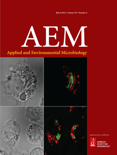
APPLIED AND ENVIRONMENTAL MICROBIOLOGY
Pioneering Research for Environmental and Industrial SolutionsApplied and Environmental Microbiology, published by the American Society for Microbiology, stands as a leading journal in the fields of applied microbiology and environmental science since its inception in 1976. With a prestigious Q1 quartile ranking across multiple categories including Applied Microbiology and Biotechnology, Ecology, and Food Science, this journal consistently disseminates high-impact research that drives innovation and advances our understanding of microbial interactions within our ecosystems and industries. As ranked by Scopus, it exhibits prominent rankings in various related fields, underscoring its critical role in shaping contemporary microbiological research. Researchers, professionals, and students alike can stay abreast of groundbreaking studies while contributing to a vast body of knowledge that spans diverse aspects of microbiology, biotechnology, and ecology, ultimately contributing to sustainable practices. Join the community of dedicated scholars and explore vital research findings that impact both environmental health and technological advancement.
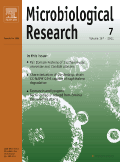
MICROBIOLOGICAL RESEARCH
Leading the Charge in Microbial AdvancementsMICROBIOLOGICAL RESEARCH, published by Elsevier GmbH, serves as a leading platform for advancements in the field of Microbiology, holding an impressive Q1 ranking in its category as of 2023. With an ISSN of 0944-5013 and E-ISSN 1618-0623, this journal has been instrumental in disseminating high-quality research since its inception in 1994 and continues to contribute significantly to the academic landscape through 2024. Positioned within the top 13% of publications in the Immunology and Microbiology category, ranked #24 out of 182 according to Scopus, it attracts the attention of researchers, professionals, and students alike. While the journal is not open access, it offers vital insights and peer-reviewed articles that drive innovation and exploration within microbiological research. Its rigorous selection process underscores the importance of quality and relevance in advancing knowledge in this dynamic field.
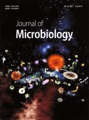
JOURNAL OF MICROBIOLOGY
Pioneering discoveries in applied microbiology and beyond.JOURNAL OF MICROBIOLOGY, published by the Microbiological Society Korea, is a prestigious peer-reviewed journal dedicated to the advancement of knowledge in the fields of microbiology, applied microbiology, and biotechnology. Established in 1996, this journal serves as a vital platform for researchers and professionals from around the globe to disseminate their findings and engage in multidisciplinary discussions pertaining to microbial sciences. With an H-index that reflects its impact, the journal holds a commendable Q2 ranking in key categories including Applied Microbiology and Biotechnology, as well as Medicine (Miscellaneous), which underscores its significance in the academic community. Despite being a subscription-based journal, the JOURNAL OF MICROBIOLOGY aims to contribute to the understanding of microbial processes and their applications, facilitating advancements that are essential in health, industry, and environmental sciences. Researchers, students, and practitioners are encouraged to explore this rich resource for the latest research and trends in microbiology.
CANADIAN JOURNAL OF MICROBIOLOGY
Elevating Standards in Microbial ResearchThe Canadian Journal of Microbiology, published by Canadian Science Publishing, is a well-respected journal established in 1954 that serves as a vital platform for advancing knowledge in the fields of microbiology and related disciplines. With an ISSN of 0008-4166 and an E-ISSN of 1480-3275, this journal is recognized for its rigorous peer-review process and its commitment to disseminating high-quality research that spans applied microbiology, biotechnology, genetics, immunology, and more. Currently indexed in several prestigious databases, its impact factor and category quartiles highlight its significance, ranking in the top tiers of applied microbiology and biotechnology as well as other intersecting fields. The journal provides an essential resource for researchers, professionals, and students seeking to stay informed on the latest advancements and breakthroughs, facilitating collaboration and innovation in the microbiological sciences. Set in the dynamic landscape of academia from its headquarters in Ottawa, Canada, the Canadian Journal of Microbiology remains steadfast in its mission to promote research that addresses key challenges and opportunities within the microbiological community.