
FISHERY TECHNOLOGY
metrics 2024
Advancing sustainable practices in fisheries science.
Introduction
FISHERY TECHNOLOGY is a distinguished journal dedicated to the advancement of knowledge in the field of fisheries science and technology. Published by the Society of Fisheries Technologists, India, this journal serves as a vital platform for researchers, professionals, and students across the globe to disseminate innovative findings and methodologies related to fishery practices, aquatic ecosystem management, and sustainable fishing technologies. With its ISSN 0015-3001, FISHERY TECHNOLOGY seeks to uphold the standards of scholarly research and contributes significantly to the discourse surrounding marine resources and their sustainable utilization. Although currently not available in an open-access format, the journal remains committed to reaching a wide audience through reputable distribution channels. The journal is characterized by its goal to bridge theoretical research with practical applications, thereby impacting both the scientific community and the fishing industry. Engage with FISHERY TECHNOLOGY to keep abreast of the latest developments and contribute to the sustainable management of aquatic resources.
Metrics 2024
 -0.200.30-
Metrics History
Rank 2024
IF (Web Of Science)
JCI (Web Of Science)
Quartile History
Similar Journals

ACTA ICHTHYOLOGICA ET PISCATORIA
Unveiling the mysteries of fish biology.ACTA ICHTHYOLOGICA ET PISCATORIA is a distinguished peer-reviewed journal dedicated to the field of ichthyology and fisheries science, published by PENSOFT PUBLISHERS since its establishment as an open-access publication in 1970. Based in Poland, this journal serves as an essential platform for researchers, professionals, and students aiming to contribute to the scientific understanding of aquatic life. With an impressive H-index reflecting its growing influence, ACTA ICHTHYOLOGICA ET PISCATORIA is currently ranked in the Q3 quartile within both the Animal Science and Zoology and Aquatic Science categories. According to Scopus, it holds a rank of #227 in Animal Science and Zoology and #147 in Aquatic Science, demonstrating its relevance and contribution to these fields. The journal’s commitment to open access ensures that research findings are widely disseminated, fostering collaboration and knowledge sharing among the scientific community. With a historical scope extending from 1996 to 2024, ACTA ICHTHYOLOGICA ET PISCATORIA remains a vital resource for advancing aquatic research and fostering new insights into the complexities of fish biology and fisheries management.

Marine Life Science & Technology
Pioneering research at the intersection of ecology and technology.Marine Life Science & Technology is a premier journal published by SPRINGERNATURE, dedicated to advancing research in the vibrant fields of Aquatic Science, Biotechnology, Ecology, Evolution, Behavior and Systematics, and Oceanography. Since its inception in 2019, the journal has rapidly gained recognition, achieving a distinguished Q1 quartile ranking across multiple categories as of 2023. With impressive Scopus ranks—including 10th in Aquatic Science and 7th in Oceanography—this journal serves as a vital platform for scholars, professionals, and students to disseminate original research, innovative technologies, and critical reviews related to marine ecosystems and biotechnological applications. Based in Germany, Marine Life Science & Technology fosters open collaboration and knowledge sharing, vital for addressing contemporary challenges in marine and aquatic environments, ultimately contributing to sustainable development and ecological preservation.
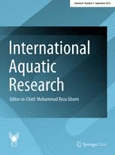
International Aquatic Research
Navigating the currents of aquatic biology and ecology.International Aquatic Research, published by the Islamic Azad University, Tonekabon Branch, is a vital open-access journal dedicated to advancing the field of aquatic sciences since its inception in 2009. With an ISSN of 2008-4935 and an E-ISSN of 2008-6970, the journal plays a significant role in disseminating high-quality research findings from Iran and around the globe. It covers a broad range of topics in aquatic biology, fisheries science, and marine ecology, making it a valuable resource for researchers, professionals, and students alike. As of 2023, it ranks in the third quartile (Q3) of the aquatic science category with a Scopus rank of #138 out of 247 in Agricultural and Biological Sciences, reflecting its growing influence in the field. With a commitment to promoting scientific knowledge and fostering collaboration among aquatic research communities, International Aquatic Research is positioned as an essential platform for those dedicated to understanding and conserving marine and freshwater environments.
Journal of Aquatic Food Product Technology
Charting new waters in aquatic food product research.Journal of Aquatic Food Product Technology is a vital publication dedicated to advancing research and innovation in the fields of aquatic science and food technology. Established in 1992 and published by TAYLOR & FRANCIS INC, this journal provides an exceptional platform for researchers, professionals, and students to share their findings and insights on the science and technology surrounding aquatic food products. With an ISSN of 1049-8850 and an E-ISSN of 1547-0636, the journal caters to a global audience, contributing to significant advancements in both the agricultural and biological sciences. As of 2023, it holds a prestigious position in the Q3 quartile for both Aquatic Science and Food Science categories, reflecting its role in the scientific community. Furthermore, with Scopus rankings placing it at #106 out of 247 in its field, this journal is an essential resource for those dedicated to understanding and innovating in the domain of aquatic food products. Although not an open access journal, it ensures that the important research it publishes is accessible to a wide audience interested in improving food safety, sustainability, and nutrition from aquatic sources.

Journal of Fisheries
Championing open access to fishery research insights.The Journal of Fisheries, an esteemed publication by BDFISH, serves as a pivotal platform for disseminating cutting-edge research in the field of fisheries science. With its commitment to Open Access since 2013, the journal ensures that vital knowledge is accessible to researchers, professionals, and students worldwide, promoting widespread dissemination of fishery-related discoveries. By featuring high-quality peer-reviewed articles, the Journal of Fisheries aims to advance the understanding of aquatic ecosystems, sustainable fishing practices, and the broader implications of fisheries on biodiversity and food security. Located at the Dept of Fisheries, University of Rajshahi, Bangladesh, this journal plays a crucial role in fostering academic dialogue and collaboration, contributing significantly to the growth and development of fisheries research globally.

SU URUNLERI DERGISI
Fostering Collaboration in Aquatic SciencesSU URUNLERI DERGISI, published by EGE UNIVERSITY, FACULTY OF FISHERIES, is a premier open-access journal dedicated to advancements in aquatic sciences and fisheries research. With the ISSN 1300-1590 and E-ISSN 2148-3140, this journal has been committed to disseminating high-quality research since 1984, offering valuable insights into the management and conservation of aquatic resources. Based in BORNOVA-IZMIR, Turkey, the journal serves as a crucial platform for researchers, professionals, and students who are actively engaged in the study of fishery practices, aquaculture, and related environmental challenges. As a resource for innovative and impactful studies, SU URUNLERI DERGISI encourages submissions that foster collaboration and advancement within the aquatic research community.
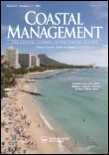
COASTAL MANAGEMENT
Fostering collaboration for thriving coastal communities.COASTAL MANAGEMENT is a distinguished journal published by Taylor & Francis Inc, specializing in the interdisciplinary field of environmental science with a focus on coastal ecosystems. Since its inception in 1987, this journal has provided a critical platform for researchers and practitioners to disseminate innovative studies and practical solutions related to coastal management challenges. With an impressive Q2 ranking in both Environmental Chemistry and Environmental Science categories, it is recognized for its significant contributions to the field, evidenced by its Scopus ranking of #61/233 in General Environmental Science and #60/147 in Environmental Chemistry. Although open access options are not available, the journal maintains a broad readership within the academic community through its comprehensive exploration of coastal issues. With a commitment to advancing knowledge and fostering collaboration among experts, COASTAL MANAGEMENT plays a pivotal role in shaping sustainable practices and policies essential for the conservation and stewardship of our vital coastal environments.
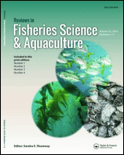
Reviews in Fisheries Science & Aquaculture
Connecting experts in sustainable fisheries management.Reviews in Fisheries Science & Aquaculture is a leading peer-reviewed journal published by Taylor & Francis Inc, dedicated to advancing the understanding and sustainable management of aquatic ecosystems. With an impressive impact factor reflecting its high citation rates, this journal categorizes within Q1 in Aquatic Science, Q1 in Ecology, Evolution, Behavior and Systematics, and Q1 in Management, Monitoring, Policy and Law, making it an essential resource for researchers and professionals in these disciplines. Operating from the United Kingdom and accessible through open access options, the journal facilitates a wide dissemination of research findings, fostering innovation and collaboration among those committed to fishery science and aquaculture. As of 2023, it ranks remarkably within the 99th percentile across several Scopus categories, underscoring its pivotal role in shaping future research and policy. The journal has been converging insightful studies since its inception in 2014, and it continues to be an indispensable platform for scholars aiming to contribute to the critical dialogues surrounding aquatic resource management and conservation.
FISHERIES RESEARCH
Unveiling the science behind sustainable fisheries.Fisheries Research, published by Elsevier, is a leading international journal dedicated to the advancement and dissemination of research in the field of aquatic science. With an ISSN of 0165-7836 and E-ISSN 1872-6763, this influential journal has been pivotal in shaping fisheries management and conservation strategies since its inception in 1981. As a distinguished publication ranked in the Q1 category for Aquatic Science in 2023, it holds a prestigious position, reflected in its Scopus ranking of 73/247 in Agricultural and Biological Sciences. Fisher fisheries research encompasses a diverse array of topics such as fish population dynamics, ecosystem management, and sustainable practices, making it an essential resource for researchers, professionals, and students alike. Although it currently does not offer Open Access, the journal remains a crucial platform for disseminating high-quality research and fostering dialogue within the aquatic science community. With its address at Radarweg 29, 1043 NX Amsterdam, Netherlands, Fisheries Research continues to contribute significantly to the global discourse on fisheries science and management.

FISHERIES MANAGEMENT AND ECOLOGY
Bridging disciplines for effective fisheries stewardship.Fisheries Management and Ecology, an esteemed journal published by Wiley, serves as a critical platform for researchers, practitioners, and policymakers in the fields of aquatic science and ecology. With an ISSN of 0969-997X and an E-ISSN of 1365-2400, this journal has been at the forefront of advancing knowledge and best practices in sustainable fisheries management since its inception in 1994. Hailing from the United Kingdom, it has steadily distinguished itself with a respectable impact factor and is currently ranked Q2 in both Aquatic Science and Ecology categories, evidencing its scholarly relevance. The journal not only covers a broad spectrum of topics related to fishery ecology and management, but also emphasizes the importance of interdisciplinary approaches to tackle the myriad challenges facing aquatic ecosystems today. It is indexed in reputable databases and boasts commendable Scopus rankings, making it a valuable resource for anyone invested in the sustainable use of aquatic resources. This commitment to accessibility and engagement, although not open access, ensures that critical research remains a cornerstone for ongoing discussions in the field.