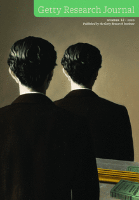
Getty Research Journal
metrics 2024
Cultivating Critical Discourse in Cultural Studies
Introduction
Getty Research Journal, published by University of Chicago Press, is an influential periodical in the fields of Conservation, History, Museology, and Visual Arts and Performing Arts. Established in the United States, this journal aims to foster scholarly discourse and advance research in the visual arts and cultural heritage, making it a vital resource for researchers, professionals, and students alike. While it holds a Q4 ranking across multiple disciplines in the 2023 category quartiles, indicating opportunities for growth and engagement, its unique focus on the interplay between art, history, and conservation provides a distinct platform for innovative ideas. The journal encompasses a diverse range of topics, encouraging interdisciplinary research that underscores the importance of the arts in society. As it converges years from 2015 to 2024, the Getty Research Journal serves not just as a publication, but as a dynamic forum for critical thought and exploration in the expansive realm of art and culture.
Metrics 2024
 0.100.100.204
Metrics History
Rank 2024
Scopus
JCI (Web Of Science)
Quartile History
Similar Journals
Visual Resources
Elevating the Discourse in Visual Arts and MuseologyVisual Resources, an esteemed journal published by Routledge Journals, Taylor & Francis Ltd, serves as a vital platform for scholarly research in the fields of Museology and Visual Arts and Performing Arts. With an ISSN of 0197-3762 and an E-ISSN of 1477-2809, this journal has navigated the academic landscape since its inception in 1980, continuing to amplify critical dialogues up to 2024. Positioning itself within category quartiles as Q3 for both museology and visual arts, the journal ranks at #302/667 in the Visual Arts and Performing Arts category and #41/83 in Museology according to Scopus, reflecting a significant yet competitive standing. Although not designated as Open Access, the publication remains accessible through institutional subscriptions, catering to a diverse audience of researchers, professionals, and students. By disseminating pioneering research and innovative methodologies pertinent to visual culture and museum practices, Visual Resources plays an indispensable role in advancing knowledge in its disciplines and connects academia with contemporary practice.

MITTEILUNGEN DES KUNSTHISTORISCHEN INSTITUTES IN FLORENZ
Unveiling the rich tapestry of visual and performing arts history.MITTEILUNGEN DES KUNSTHISTORISCHEN INSTITUTES IN FLORENZ, published by LIBRERIA SALIMBENI, is a prestigious journal based in Germany that serves as a vital resource for scholars and practitioners in the fields of history, visual arts, and performing arts. With an ISSN of 0342-1201, this journal reflects significant academic excellence, as evidenced by its Scopus rankings, placing it in the second quartile (Q2) for both History and Visual Arts and Performing Arts in 2023. The journal covers a broad scope from 2002 to 2010 and from 2013 to 2023, focusing on interdisciplinary studies that bridge historical context with contemporary artistic practices. Although not open access, MITTEILUNGEN continues to contribute important insights and critical discourse, making it an essential read for researchers, professionals, and students committed to advancing knowledge in these dynamic fields.

RIHA Journal
Pioneering research in the visual and performing arts.RIHA Journal, an esteemed publication in the field of Visual Arts and Performing Arts, is published by the RIHA-INT ASSOC RESEARCH, INST HISTORY ART in Germany. Since its inception in 2010, this Open Access journal has aimed to foster scholarly discussion and dissemination of research within art history and related disciplines. With a commitment to providing a platform for innovative and interdisciplinary approaches, RIHA Journal is easily accessible to a global audience, encouraging researchers, professionals, and students alike to engage with cutting-edge scholarship. Despite its current position within the Q4 category and a Scopus rank of #402 out of 667, the journal's role is increasingly pivotal as it continues to expand its reach and impact within the academic community. Located at the Central Institute for Art History in Munich, Germany, RIHA Journal is dedicated to enriching the study of art history from 2010 to 2024 and beyond, paving the way for future explorations and discussions in the visual arts.
ART HISTORY
Fostering Insightful Discourse in Visual and Performing ArtsART HISTORY is a prestigious journal published by Wiley, focusing on the dynamic and diverse field of visual arts and performing arts since its inception in 1978. With an ISSN of 0141-6790 and an E-ISSN of 1467-8365, the journal has established itself as a significant resource for researchers, professionals, and students interested in exploring the complexities of art across various epochs and cultures. Currently ranked in the Q3 category within the Visual Arts and Performing Arts sector and positioned at #132 out of 667 in Scopus rankings—representing the top 80th percentile—ART HISTORY delivers insightful scholarship that contributes to the understanding and appreciation of art history. Although it does not offer open access, the journal remains committed to publishing high-quality, peer-reviewed articles that delve into critical artistic practices, theories, and aesthetics. The journal's location in the United Kingdom further enhances its international reach and influence, making it a vital platform for advancing discourse in the arts.
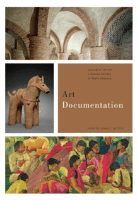
Art Documentation
Elevating Art Narratives Through DocumentationArt Documentation is a distinguished journal published by the University of Chicago Press, dedicated to advancing the field of art documentation and its related disciplines. With a focus on interdisciplinary studies encompassing Visual Arts, Performing Arts, Archaeology, and Library and Information Sciences, this journal offers a pivotal platform for researchers and professionals aiming to enhance their understanding and practice in these areas. Despite not providing open access options, its contributions are invaluable, showcasing innovative research and discussions that reflect contemporary challenges and methodologies in the art documentation sphere. As evidenced by its Scopus ranking, placing it within the 68th percentile for Visual Arts and Performing Arts and the 49th for Archaeology, the journal demonstrates a commitment to high-quality scholarship. Published annually and spanning converged years from 2015 to 2023, Art Documentation remains vital for academics and practitioners seeking to engage with the latest trends, methodologies, and scholarly discourses enriching the art documentation field.

GOYA
Bridging Artistic Practices and Societal ImpactGOYA, published by the esteemed FUNDACION LAZARO GALDIANO, is a pivotal journal in the field of Visual Arts and Performing Arts. With an ISSN of 0017-2715, this Spanish journal serves as a critical platform for scholars, artists, and practitioners to engage with contemporary issues, trends, and methodologies in the arts. Since its inception, GOYA has strived to illuminate the intersection of artistic expression and cultural discourse, with coverage spanning from 2002 to 2024. The journal proudly holds a Q3 category ranking in the 2023 Scopus assessments for its field, reflecting its respected position among peers, with a notable rank of #377 out of 667. Though it does not follow an Open Access model, GOYA continues to contribute significantly to the academic landscape, enabling a deeper understanding of artistic practices and their societal implications. Researchers and students alike will find the journal an invaluable resource for insights and inspiration within the dynamic realm of the arts.

STORIA DELL ARTE
Celebrating the Legacy of Visual ArtsSTORIA DELL ARTE is a notable journal dedicated to the rich exploration of art history and its varied facets, published by LUCA EDITORI ARTE ROMA. With an ISSN of 0392-4513, this publication serves as a vital resource for researchers, professionals, and students in the fields of Visual Arts and Performing Arts. Although the journal's coverage in Scopus has been discontinued from 2014, it has been recognized in the Scopus ranking as positioned within the 31st percentile among 374 entries in its category, highlighting its relevance in the realm of arts and humanities. While it does not offer open access, the journal's commitment to enriching the discourse on art history makes it an essential read for anyone interested in visual culture and historical contexts. Based in the heart of Rome, at VIA NOVELLA, 22, ROMA 00199 RM, ITALY, STORIA DELL ARTE continues to inspire scholarly discussion and contribute valuable insights to the academic community.

Zivot Umjetnosti
Fostering critical dialogue in the realm of artistic research.Zivot Umjetnosti, published by the INST POVIJEST UMJETNOSTI - INST ART HISTORY, is a notable Croatian journal that serves as a platform for scholarly discourse in the fields of visual arts, performing arts, and museology. With its inception in 2008, the journal has continued to provide a voice for researchers and practitioners alike, contributing significantly to ongoing conversations in the arts. Despite its current Q4 rank in both Visual Arts and Museology categories—placing it within the 21st and 17th percentiles, respectively—Zivot Umjetnosti is recognized for its commitment to advancing knowledge and fostering critical dialogue. The journal aims to bridge theoretical frameworks with practical applications, making it an invaluable resource for academics, curators, and students engaged in artistic research. While currently operating under traditional access options, Zivot Umjetnosti remains a fundamental publication for those wishing to explore and expand their understanding of the dynamic intersection of art and culture in Croatia and beyond.
Journal of Curatorial Studies
Unveiling Insights into the Dynamic World of CuratorshipThe Journal of Curatorial Studies, published by INTELLECT LTD, is a leading scholarly journal dedicated to advancing the field of curatorial practice across the visual arts, museology, and conservation. With an ISSN of 2045-5836 and an E-ISSN of 2045-5844, this UK-based publication has been a vital resource since its establishment in 2016, covering significant developments and innovative research until 2023. As an academic platform, it seeks to foster interdisciplinary dialogue among curators, artists, and scholars, exploring contemporary challenges and methodologies within its scope. Ranking in the Q4 category for Conservation and Q3 for both Museology and Visual Arts and Performing Arts, the journal plays an essential role in elevating discourse and practice within these fields. Researchers and practitioners alike will find valuable insights that reflect the dynamic nature of curatorial studies and its profound influence on cultural heritage and contemporary art. Despite its recent establishment, it holds a commendable position in the Scopus Rankings, aiming to provide a rich repository of knowledge and practical guidance in its quest to innovate curatorial practices.
ART BULLETIN
Navigating the Depths of Cultural History and Visual ArtsART BULLETIN is a prestigious journal dedicated to the fields of history and visual arts, published by Routledge Journals, Taylor & Francis Ltd. With a rich publication history dating back to 1945, this journal serves as a vital platform for scholarly discourse, presenting cutting-edge research and critical analyses that contribute to our understanding of the arts across various contexts. Despite its Q3 ranking in both the History and Visual Arts categories, the journal has managed to achieve notable stature among its peers, evidenced by its Scopus ranking, placing it in the top 20% for Visual Arts and in the top 25% for History. Scholars and students alike will find valuable insights and innovative perspectives within its pages, making it an essential resource for anyone invested in the academic exploration of art and cultural history. Although currently not open access, the journal is committed to fostering an informed community by disseminating works that encourage scholarly engagement and creative thought.