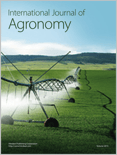
International Journal of Agronomy
metrics 2024
Cultivating Knowledge to Transform Agronomy
Introduction
Introducing the International Journal of Agronomy, an influential publication in the field of agricultural sciences, established by HINDAWI LTD. With an impact factor that reflects its relevance and quality, this journal has been an essential resource for researchers and professionals since its shift to Open Access in 2009, facilitating widespread dissemination of knowledge. Based in the United States, the journal has achieved notable recognition within the academic community, currently ranked in the Q2 quartile among Agronomy and Crop Science, with an impressive Scopus Rank of #139 out of 406 in its category, representing the top 65th percentile. Spanning from 2013 to 2024, it aims to advance the understanding and innovation in agronomy through its rigorous peer-reviewed research articles, reviews, and case studies. With a commitment to enhancing global agricultural practices and sustainability, the International Journal of Agronomy stands as a vital platform for sharing cutting-edge findings that ultimately contribute to the advancement of the agronomic sciences.
Metrics 2024
 0.421.502.1028
Metrics History
Rank 2024
Scopus
IF (Web Of Science)
JCI (Web Of Science)
Quartile History
Similar Journals
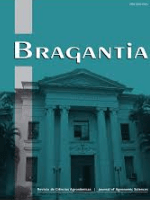
BRAGANTIA
Exploring Frontiers in Agricultural and Biological SciencesBRAGANTIA, published by the Instituto Agronômico, is a distinguished open access journal that has been a vital resource since its inception in 1977. With an ISSN of 0006-8705 and E-ISSN 1678-4499, this journal is recognized for its contributions to the field of Agricultural and Biological Sciences, where it currently holds a respectable Q2 ranking as of 2023. Additionally, BRAGANTIA is indexed in various databases, supporting its impact within Materials Science (Q3 ranking). Positioned in Brazil, the journal promotes the dissemination of high-quality research, aiming to bridge the gap between academia and practical applications in agricultural innovation and sustainability. Researchers, professionals, and students looking to keep abreast of recent advancements and their implications will find BRAGANTIA to be an indispensable platform for sharing and accessing vital agricultural knowledge.

Revista Caatinga
Unlocking Insights for Global Agricultural ChallengesRevista Caatinga is a premier open-access journal published by Universidade Federal Rural do Semi-Árido (UFERSA), dedicated to the dissemination of significant research within the field of Agricultural and Biological Sciences. Since its inception in 2006, the journal has aimed to bridge the knowledge gap in various aspects of agricultural practices and biological phenomena, making vital contributions to the scientific community. With its publications indexed in Scopus and holding an impressive Q2 categorization in the competitive landscape of agricultural sciences, the journal ranks within the top half of its category (100/221), demonstrating a commitment to quality scholarship. The journal is based in Brazil and covers a wide array of topics relevant to both local and global agricultural challenges. By fostering open access, Revista Caatinga ensures that vital research is available to a broad audience, promoting knowledge sharing and collaboration among researchers, practitioners, and students around the world.

Egyptian Journal of Agronomy
Driving Change in Agronomy and BeyondEgyptian Journal of Agronomy, published by the NATL INFORMATION DOCUMENTATION CENT, ACAD SCIENTIFIC RESEARCH & TECHNOLOGY, serves as a pivotal platform for researchers, professionals, and students focusing on various disciplines within the agricultural sciences, including agronomy, soil science, horticulture, and ecology. With an ISSN of 0379-3575 and E-ISSN of 2357-0288, the journal aims to bridge the gap in knowledge and innovation in the field with its comprehensive studies and frameworks. While the journal is currently categorized in low Scopus ranks, indicating immense potential for growth in influence and impact, it remains dedicated to providing quality research and fostering advancements in agronomic practices. Set in Egypt, a hub for agricultural research, the journal is committed to reflecting the regional and global challenges in agriculture. The Egyptian Journal of Agronomy is a vital resource for anyone engaged in the evolving landscape of agricultural science, offering insights that promote sustainable practices and address current issues facing the sector.

Agrosystems Geosciences & Environment
Advancing sustainable practices in agrosystems and geosciences.Agrosystems Geosciences & Environment, published by WILEY, is a premier open access journal dedicated to advancing the interdisciplinary field of agricultural and environmental sciences. With an E-ISSN of 2639-6696, the journal has gained recognition since its inception in 2018, currently holding a Q2 ranking in Agricultural and Biological Sciences, Plant Science, and Soil Science. Operating from the United Kingdom, Agrosystems Geosciences & Environment contributes significantly to knowledge generation and dissemination, offering vital insights into sustainable practices, soil management, and crop optimization. Researchers and professionals will find the open access model particularly advantageous, promoting greater visibility and engagement within the scientific community. By bridging the gap between geosciences and agrosystem management, this journal is vital for those committed to addressing today's critical environmental challenges.

Zemdirbyste-Agriculture
Fostering global discourse on food security and environmental health.Zemdirbyste-Agriculture is a prominent journal dedicated to advancing the field of agricultural sciences, with a particular focus on agronomy and crop science. Published by the Lithuanian Research Centre Agriculture & Forestry, this open access journal has been fostering knowledge sharing and scientific discourse since 2004, allowing researchers, professionals, and students unrestricted access to its content. Located in the beautiful country of Lithuania, specifically at Vytautas Magnus University, this journal plays a significant role in disseminating innovative research findings. With a 2023 Scopus ranking of #246 out of 406 in the category of Agricultural and Biological Sciences, Zemdirbyste-Agriculture falls within the Q3 quartile, reflecting its growing influence in the academic community. This journal, which has converged its publication focus from 2008 to 2023, aims to provide a platform for scientists to share their critical insights on agricultural practices, sustainability, and technological advancements in crop science, thereby contributing to the global discourse on food security and environmental health.
Crop Forage & Turfgrass Management
Exploring solutions for sustainable agriculture.Crop Forage & Turfgrass Management, published by WILEY, serves as an essential platform for researchers, professionals, and students in the fields of agronomy, crop science, plant science, and soil science. With a focus on advancing knowledge in the management of crops, forage systems, and turfgrass, this journal plays a pivotal role in disseminating innovative research and practical applications that drive agricultural sustainability and productivity. Despite its Q3 ranking in various agricultural and biological science categories according to Scopus, it aims to enhance its impact and relevance in the academic community through high-quality publications. As a journal converged from 2015 to 2024, it invites contributions that address contemporary challenges and solutions in crop management, ensuring accessibility to vital knowledge for the advancement of agricultural practices. Situated in the United States, it also reflects the diverse agricultural landscapes and practices of the region, making it a valuable resource for a global audience.
REVISTA DE LA FACULTAD DE CIENCIAS AGRARIAS
Cultivating Knowledge for a Greener Tomorrow.REVISTA DE LA FACULTAD DE CIENCIAS AGRARIAS is an esteemed academic journal published by UNIV NACIONAL CUYO, FAC CIENCIAS AGRARIAS, located in Chacras de Coria, Mendoza, Argentina. As a pivotal publication in the fields of Agronomy and Plant Science, it has achieved a commendable Q2 ranking in both categories, indicating its relevance and impact within the scientific community. Since its establishment as an Open Access journal in 2007, it has facilitated the dissemination of crucial research, fostering collaboration and innovation among researchers, professionals, and students alike. The journal's converged years from 2008 to 2024 allow it to present contemporary advancements and discussions related to agricultural practices and plant sciences. With a strong commitment to quality and accessibility, REVISTA DE LA FACULTAD DE CIENCIAS AGRARIAS provides a valuable platform for those engaged in the crucial exploration of sustainable agricultural methodologies and plant innovations.

INDIAN JOURNAL OF AGRICULTURAL SCIENCES
Empowering research to enhance food security.Welcome to the Indian Journal of Agricultural Sciences, a vital resource for researchers and professionals in the field of agricultural sciences, published by the esteemed Indian Council of Agricultural Research. Established in 1974, this journal aims to disseminate high-quality research and developments in agronomy and crop science, facilitating knowledge exchange and advancement within the agricultural community. Though currently classified in the Q4 category according to 2023 data, it provides an essential platform for publication, contributing valuable insights towards sustainable agricultural practices. With an ISSN of 0019-5022 and an E-ISSN of 2394-3319, the journal houses important research that spans decades of convergence and collaboration, promoting innovation in agriculture across India and beyond. As an open access platform, it invites contributions that reflect a wide array of agricultural disciplines to foster sustainable food systems that address the challenges of food security. Join the network of scholars and practitioners by sharing your research and engaging with the profound work being done in this transformative field.

CROP SCIENCE
Championing knowledge in crop science since 1974.CROP SCIENCE, published by WILEY, is a premier journal dedicated to the field of agronomy and crop science, offering a platform for high-quality research on crop production, genetics, and sustainable agricultural practices. With an impactful presence since its inception in 1974, the journal has become a significant contributor to advancing knowledge in this critical field, as evidenced by its Q2 ranking in the 2023 categorizations and a Scopus rank in the 72nd percentile among its peers. The journal's aim is to disseminate innovative research findings that inform best practices and policies for enhancing crop yield and sustainability, making it an essential resource for researchers, professionals, and students alike. Although CROP SCIENCE does not currently offer open access options, the journal’s extensive readership and reputation make it a valuable asset for anyone invested in the future of agriculture.

Romanian Agricultural Research
Nurturing Innovations in Agronomy and Crop ScienceRomanian Agricultural Research is a prominent academic journal dedicated to advancing the field of agricultural science with a specific focus on agronomy and crop management. Published by the NATL AGRICULTURAL RESEARCH & DEVELOPMENT INST in Romania, this journal has established itself as an important resource within its discipline, evidenced by its Q3 ranking in the Agronomy and Crop Science category for 2023. With its ongoing publication since 2008, the journal provides a platform for researchers and professionals to disseminate their findings and share innovative practices that address the challenges faced in agricultural development. Although it operates under a non-open access model, Romanian Agricultural Research commits to rigorous peer-review processes, ensuring the high-quality content that enhances the academic community’s knowledge base. The journal's objective is to foster dialogues surrounding sustainable agriculture, improve crop yield, and contribute to the enhancement of agricultural practices globally. Researchers, professionals, and students will find this journal to be an invaluable repository of knowledge and a catalyst for future agricultural innovations.