
REVISTA DE LA FACULTAD DE CIENCIAS AGRARIAS
metrics 2024
Empowering Researchers with Open Access Insights.
Introduction
REVISTA DE LA FACULTAD DE CIENCIAS AGRARIAS is an esteemed academic journal published by UNIV NACIONAL CUYO, FAC CIENCIAS AGRARIAS, located in Chacras de Coria, Mendoza, Argentina. As a pivotal publication in the fields of Agronomy and Plant Science, it has achieved a commendable Q2 ranking in both categories, indicating its relevance and impact within the scientific community. Since its establishment as an Open Access journal in 2007, it has facilitated the dissemination of crucial research, fostering collaboration and innovation among researchers, professionals, and students alike. The journal's converged years from 2008 to 2024 allow it to present contemporary advancements and discussions related to agricultural practices and plant sciences. With a strong commitment to quality and accessibility, REVISTA DE LA FACULTAD DE CIENCIAS AGRARIAS provides a valuable platform for those engaged in the crucial exploration of sustainable agricultural methodologies and plant innovations.
Metrics 2024
 -1.100.80-
Metrics History
Rank 2024
IF (Web Of Science)
JCI (Web Of Science)
Quartile History
Similar Journals

SPANISH JOURNAL OF AGRICULTURAL RESEARCH
Cultivating Knowledge for Sustainable AgricultureThe Spanish Journal of Agricultural Research (ISSN: 1695-971X, E-ISSN: 2171-9292), published by the prestigious Consejo Superior Investigaciones Cientificas (CSIC), serves as a vital resource for those engaged in the fields of agronomy and crop science. Established as an Open Access journal since 2003, it aims to foster the dissemination of innovative research and practical applications related to agricultural practices and sustainability. With its Q3 category in Agronomy and Crop Science and a Scopus ranking of #224 out of 406, the journal provides an accessible platform for scholars to share valuable findings that enhance agricultural productivity and environmental stewardship. Covering research from 2006 to 2024, this journal continues to be instrumental for researchers, professionals, and students eager to remain at the forefront of agricultural science advancements.
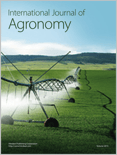
International Journal of Agronomy
Leading the Way in Agricultural Research ExcellenceIntroducing the International Journal of Agronomy, an influential publication in the field of agricultural sciences, established by HINDAWI LTD. With an impact factor that reflects its relevance and quality, this journal has been an essential resource for researchers and professionals since its shift to Open Access in 2009, facilitating widespread dissemination of knowledge. Based in the United States, the journal has achieved notable recognition within the academic community, currently ranked in the Q2 quartile among Agronomy and Crop Science, with an impressive Scopus Rank of #139 out of 406 in its category, representing the top 65th percentile. Spanning from 2013 to 2024, it aims to advance the understanding and innovation in agronomy through its rigorous peer-reviewed research articles, reviews, and case studies. With a commitment to enhancing global agricultural practices and sustainability, the International Journal of Agronomy stands as a vital platform for sharing cutting-edge findings that ultimately contribute to the advancement of the agronomic sciences.
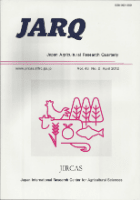
JARQ-JAPAN AGRICULTURAL RESEARCH QUARTERLY
Empowering Agricultural Practices Through ResearchJARQ - Japan Agricultural Research Quarterly serves as a pivotal platform in the field of agricultural sciences, published by the esteemed Japan International Research Center for Agricultural Sciences. Established in 1973, this journal has a rich history and plays a critical role in disseminating significant research findings relevant to agronomy, crop science, animal science, ecology, and biotechnology. Despite its ranking in the lower quartiles, with impressive coverage from 1973 to 2024, it continues to attract contributions that enhance agricultural strategies and practices in Japan and beyond. The journal facilitates discussions that are essential for fostering innovation in agricultural methodologies and environmental sustainability. Accessible to a diverse audience, including researchers, academics, and practitioners, JARQ emphasizes the importance of advancing agricultural research and its implications for food security and ecological balance.
Agrociencia Uruguay
Connecting Researchers to the Heart of AgricultureAgrociencia Uruguay, published by the Universidad de la República, Facultad de Agronomía, serves as a vital academic platform in the field of agricultural and biological sciences. Since its inception in 1997, this Open Access journal has fostered the dissemination of innovative research findings, promoting collaboration among researchers, professionals, and students interested in agronomy, crop science, soil science, and plant science. Operating from Montevideo, Uruguay, the journal strives to address contemporary challenges in agriculture through the publication of high-quality, peer-reviewed articles. Despite its relatively modest impact factors and rankings in Scopus, positioned in the lower percentiles, Agrociencia Uruguay remains crucial for advancing local and regional agricultural knowledge, thus contributing to global food security and sustainable practices. Researchers are encouraged to engage with the journal's content to further enhance their understanding and explore the rich agricultural landscape of Uruguay and beyond.

TROPICAL AGRICULTURE
Exploring the future of agronomy in the tropics.Tropical Agriculture is a reputable journal dedicated to advancing knowledge and research in the fields of Agronomy and Development, with a particular emphasis on tropical farming practices and agricultural innovation. Published by the University of the West Indies, this journal serves as a crucial resource for researchers, professionals, and students engaged in the complexities of agriculture in the tropics. Established in 1979, it has witnessed significant contributions and continues to facilitate scholarly discussions through its quarterly publications. While the journal currently holds a Q4 ranking in both the Agronomy and Development categories, its commitment to fostering research excellence positions it as a pivotal platform for emerging studies and regional agricultural advancements. Although not an open-access publication, it provides critical insights and localized research that greatly benefit the agricultural community, particularly within the Caribbean context. Researchers and professionals in the field can rely on this journal for insightful content on tropical agricultural challenges and developments, enhancing knowledge dissemination and application across related disciplines.

Zemdirbyste-Agriculture
Fostering global discourse on food security and environmental health.Zemdirbyste-Agriculture is a prominent journal dedicated to advancing the field of agricultural sciences, with a particular focus on agronomy and crop science. Published by the Lithuanian Research Centre Agriculture & Forestry, this open access journal has been fostering knowledge sharing and scientific discourse since 2004, allowing researchers, professionals, and students unrestricted access to its content. Located in the beautiful country of Lithuania, specifically at Vytautas Magnus University, this journal plays a significant role in disseminating innovative research findings. With a 2023 Scopus ranking of #246 out of 406 in the category of Agricultural and Biological Sciences, Zemdirbyste-Agriculture falls within the Q3 quartile, reflecting its growing influence in the academic community. This journal, which has converged its publication focus from 2008 to 2023, aims to provide a platform for scientists to share their critical insights on agricultural practices, sustainability, and technological advancements in crop science, thereby contributing to the global discourse on food security and environmental health.

Revista de la Facultad de Agronomia de la Universidad del Zulia
Cultivating Knowledge: Where Research Meets Real-World ImpactWelcome to the Revista de la Facultad de Agronomia de la Universidad del Zulia, a key publication in the fields of Agronomy, Animal Science, Food Science, and Plant Science. Published by the Facultad de Agronomía, Universidad del Zulia, this journal aims to foster academic dialogue and disseminate impactful research that advances knowledge and practice within these disciplines. Operating under the ISSN 0378-7818 and E-ISSN 2477-9407, this journal offers a platform for both emerging and established scholars to share their discoveries and innovations. Despite its challenges, as reflected in its Q4 ranking across multiple categories in 2023, it remains a vital resource for the Venezuelan scientific community and beyond. Readers will benefit from a diverse array of studies and discussions that address contemporary issues in agriculture and related fields, helping inform best practices and policy. Engage with cutting-edge research from Venezuela and contribute to the development of agronomic sciences in the region.

Pesquisa Agropecuaria Tropical
Fostering collaboration through open access research.pesquisa Agropecuaria Tropical is a premier Open Access journal dedicated to advancing the knowledge and practices within the field of agronomy and crop science. Since its inception in 1971, this peer-reviewed journal, published by the Universidade Federal de Goiás, has played a pivotal role in disseminating high-quality research from Brazil and beyond. Operating under an Open Access model, it ensures that scholarly articles are freely accessible, thereby fostering greater collaboration and innovation. With a Scopus ranking placing it in the 32nd percentile among its peers in agricultural and biological sciences, and a current classification in the Q3 category of agronomy and crop science, the journal serves as an essential resource for researchers, professionals, and students alike. As it continues its publication journey from 2010 to 2024, it remains committed to contributing valuable insights and advancements in the agricultural sector, ultimately influencing sustainable practices and food security.
Agriculture-Basel
Empowering Agricultural Science Through Open AccessAgriculture-Basel is a prestigious, peer-reviewed journal published by MDPI, specializing in the dynamic fields of agronomy, crop science, food science, and plant science. Established in 2011, this open-access journal serves as a pivotal platform for disseminating innovative research and developments in agricultural practices and technologies. With its impressive impact factor and ranking within the top quartiles in key categories, including Q1 in Agronomy and Crop Science and Q2 in Food Science and Plant Science, the journal has garnered significant attention from the research community. Its current Scopus rankings reflect its influence and importance, with notable positions in agricultural and biological sciences. Aimed at researchers, professionals, and students in the agricultural sector, Agriculture-Basel is committed to fostering a deeper understanding of sustainable practices and advancements in the field. With an emphasis on accessibility, the journal ensures that its valuable content is freely available since its inception, making it a cornerstone resource for all those engaged in contemporary agricultural research and applications.

International Journal of Plant Production
Innovating solutions for sustainable plant production systems.International Journal of Plant Production, published by SPRINGER in Switzerland, serves as a leading platform for the dissemination of innovative research in the fields of Agronomy, Crop Science, and Plant Science. With an ISSN of 1735-6814 and an E-ISSN of 1735-8043, this journal has maintained its reputation by achieving a Q2 quartile ranking in both categories as of 2023, alongside notable Scopus rankings placing it in the top quartiles of its fields (Rank #105/516 and Rank #88/406, respectively). The journal's scope encompasses a wide array of topics vital to sustainable agriculture and plant production systems, making it a critical resource for researchers, professionals, and students striving for advancements in these disciplines. By fostering open scientific dialogue and supporting cutting-edge research, the International Journal of Plant Production is committed to contributing to the resolution of global food security challenges, enhancing agricultural practices, and promoting ecological sustainability.