
Izvestiya Vuzov-Prikladnaya Khimiya i Biotekhnologiya
Scope & Guideline
Catalyzing Collaboration in Scientific Discovery
Introduction
Aims and Scopes
- Applied Chemistry Research:
The journal publishes research that applies chemical principles to solve real-world problems, including studies on synthesis, characterization, and application of chemical compounds. - Biotechnology Innovations:
It emphasizes advancements in biotechnology, including microbial processes, bioproduct development, and bioremediation, showcasing interdisciplinary approaches that integrate biology with chemical sciences. - Environmental Chemistry:
Research addressing environmental issues through chemical solutions, such as pollution control, waste treatment, and sustainable practices, is a core focus, promoting ecological balance. - Material Science:
The journal includes studies on the development and characterization of new materials, particularly polymers and composites, highlighting their applications in various fields. - Food Chemistry and Safety:
Research on food chemistry, including the study of natural compounds for food preservation, safety, and nutritional enhancement, is a significant area of interest. - Phytochemistry and Natural Products:
Exploration of bioactive compounds from natural sources, their extraction, and potential applications in health and agriculture is a recurring theme.
Trending and Emerging
- Sustainable and Green Chemistry:
There is an increasing emphasis on sustainable practices, including green chemistry approaches that minimize environmental impact, reflecting a global shift towards sustainability. - Bioremediation and Environmental Biotechnology:
Research focusing on bioremediation techniques and the use of biological systems to clean up environmental pollutants is gaining momentum, indicating heightened awareness of ecological issues. - Nanotechnology Applications:
The integration of nanotechnology in various fields, including medicine and materials science, is emerging as a significant trend, showcasing the potential of nanomaterials for innovative solutions. - Microbial Biotechnology:
Studies exploring the role of microorganisms in biotechnology, particularly for producing biofuels, bioplastics, and other bioproducts, are increasingly prominent, highlighting advances in microbial applications. - Functional Food Development:
Research into functional foods and their health benefits, including the extraction of bioactive compounds from natural sources, is trending, driven by consumer demand for health-oriented products. - CRISPR and Genetic Engineering Techniques:
The use of CRISPR and other genetic engineering techniques in agricultural and pharmaceutical applications is becoming more prevalent, reflecting advancements in biotechnology that promise significant impacts.
Declining or Waning
- Traditional Chemical Synthesis Methods:
There has been a noticeable decrease in publications focusing on classical chemical synthesis techniques, suggesting a shift towards more innovative and sustainable methods. - Conventional Agricultural Chemicals:
Research related to traditional pesticides and fertilizers is becoming less prominent, possibly due to increasing interest in biopesticides and organic farming practices. - Basic Theoretical Studies:
The journal appears to be moving away from purely theoretical studies without practical applications, favoring research that demonstrates real-world relevance and application. - Chemical Engineering Processes:
Studies focused solely on chemical engineering processes, without integration into biotechnology or environmental applications, are being published less frequently, reflecting a trend towards interdisciplinary research.
Similar Journals
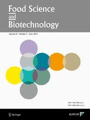
FOOD SCIENCE AND BIOTECHNOLOGY
Exploring the Intersection of Science and Culinary ArtsFOOD SCIENCE AND BIOTECHNOLOGY, published by the Korean Society of Food Science & Technology (KOSFOST), stands as a prominent peer-reviewed journal dedicated to advancing knowledge in the fields of food science, biotechnology, and applied microbiology. With ISSN 1226-7708 and E-ISSN 2092-6456, this journal serves as a pivotal platform for disseminating high-impact research from South Korea and beyond, reflecting a robust Q2 ranking in multiple categories including Applied Microbiology and Biotechnology, Biotechnology, and Food Science as of 2023. The journal's influence is further emphasized by its positions in various Scopus ranks, where it showcases a commendable percentile ranking in Agricultural and Biological Sciences and Biochemistry. Although access options remain limited, the journal’s objectives revolve around the publication of innovative research, fostering interdisciplinary collaboration, and facilitating the exchange of ideas among a diverse community of researchers, professionals, and students. Whether you are involved in food technology, microbial biotechnology, or nutritional sciences, FOOD SCIENCE AND BIOTECHNOLOGY are instrumental in shaping the future of these critical fields, propelling advancements that enrich our understanding of food systems and health.
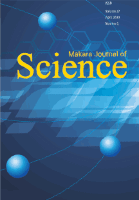
Makara Journal of Science
Bridging theory and practice through impactful research.Makara Journal of Science, published by UNIV INDONESIA, is an esteemed open-access journal that has been contributing to the field of scientific research since 2007. With an ISSN of 2339-1995 and E-ISSN of 2356-0851, this journal plays a crucial role in disseminating knowledge across various disciplines including Agricultural and Biological Sciences, Biochemistry, Genetics and Molecular Biology, Chemistry, Materials Science, and Physics and Astronomy. The journal operates out of Depok, Indonesia, and aims to foster international collaboration and bridge the gap between theory and practice through high-quality research publications. As of 2023, it holds a Q3 ranking in Agricultural and Biological Sciences and Q4 in several other categories, reflecting its steady growth and dedication to quality. Researchers, students, and professionals can access a wealth of pioneering studies that not only deepen understanding in their respective fields but also broaden interdisciplinary dialogue within the global scientific community. Join your peers and contribute to the ongoing discourse in this vital area of scientific exploration.

Acta Chimica Slovaca
Bridging Theory and Application in ChemistryActa Chimica Slovaca is a prominent peer-reviewed journal dedicated to advancing the field of chemistry, focusing on high-quality research and innovative studies across various chemical disciplines. Published by SCIENDO, this journal aims to provide a platform for researchers, professionals, and students to disseminate their findings, share insights, and foster collaboration in the vibrant scientific community. With an ISSN of 1337-978X and an E-ISSN of 1339-3065, Acta Chimica Slovaca is recognized for its commitment to the integrity and rigor of research publication. Although specific metrics such as H-index and impact factor were not provided, the journal's alignment with international standards and open access principles emphasizes its goal of maximizing the visibility and accessibility of chemical research. Articles published in this journal cover a broad scope, facilitating comprehensive discussions on theoretical, experimental, and applied aspects of chemistry, thus playing a crucial role in the ongoing education and development of the next generation of chemists.

Food Chemistry-X
Advancing the Science of Flavor and Safety.Food Chemistry-X is a premier open-access journal published by Elsevier, dedicated to advancing the field of food chemistry through high-quality research and comprehensive reviews. With its ISSN of 2590-1575, the journal has gained significant attention since adopting an open-access model in 2019, allowing wide dissemination of knowledge and innovations in food science. Based in the United Kingdom, it holds prestigious Q1 rankings in both Analytical Chemistry and Food Science categories as of 2023, positioning itself as a leading platform for researchers worldwide. The journal's focus spans extensive topics within food chemistry, including food safety, nutritional analysis, and the chemical properties of food, offering insights that are crucial for addressing contemporary challenges in food production and consumption. With a Scopus rank placing it in the 65th percentile among the top journals in Food Science and the 58th percentile in Analytical Chemistry, Food Chemistry-X is an essential resource for academics, professionals, and students seeking to stay at the forefront of research and innovation in this vibrant field.

Applied Food Biotechnology
Innovating for a safer, healthier food future.Applied Food Biotechnology is a dynamic and engaging open-access journal dedicated to the interdisciplinary field of food biotechnology, published by Shahid Beheshti University of Medical Sciences, Faculty of Medicine. Since its inception in 2014, this journal has provided a platform for the dissemination of cutting-edge research that combines aspects of applied microbiology, biotechnology, and food science, significantly contributing to advancements in food safety, processing, and nutritional enhancement. With an impressive impact factor, the journal ranks Q3 in multiple relevant categories, including Applied Microbiology and Biotechnology, Biotechnology, and Food Science in 2023, highlighting its influence within these fields. The journal's scope encourages innovative studies that investigate the utilization of biological processes in food technology, aiming to foster both scientific inquiry and practical applications across diverse demographics. With its commitment to open access, Applied Food Biotechnology ensures that all research findings are readily available to researchers, professionals, and students globally, enhancing collaboration and knowledge sharing. Located in Tehran, Iran, this journal serves as a vital resource for anyone invested in the future of food biotechnology.

Ovidius University Annals of Chemistry
Connecting Researchers, Inspiring Discoveries.Ovidius University Annals of Chemistry is a prominent open-access journal dedicated to the field of chemistry and chemical engineering, published by OVIDIUS UNIV PRESS since 2012. With its ISSN 1583-2430 and E-ISSN 2286-038X, this journal seeks to foster innovative research and disseminate knowledge across diverse chemical disciplines. Situated in the vibrant academic setting of Ovidius University in Constanta, Romania, this journal receives contributions from a global pool of researchers, enhancing its relevance in the international scientific community. The open-access format ensures that all published articles are freely available, promoting a wider reach and impact of the research dissemination. As a valued resource for academics, industry professionals, and students alike, the Ovidius University Annals of Chemistry plays a crucial role in advancing the understanding of chemical sciences and engineering practices.

INDIAN JOURNAL OF CHEMICAL TECHNOLOGY
Advancing Innovation in Chemical TechnologyThe Indian Journal of Chemical Technology, published by the Natl Inst Science Communication-NISCAIR, is a pivotal platform for the dissemination of innovative research in the field of chemical technology. With an ISSN of 0971-457X and an E-ISSN of 0975-0991, this journal has been serving the academic community since its inception in 1994, and is set to continue through 2024. The journal holds a Q4 ranking in both the Chemical Engineering and Chemistry categories as of 2023, though it showcases a significant breadth of research, making it a valuable resource for both emerging and established scholars. Although it currently operates without an open-access model, the journal aims to facilitate knowledge exchange through rigorous peer-reviewed publications, allowing researchers and professionals to stay updated with the latest advancements and practices in chemical technology. Located in New Delhi, India, the journal not only contributes to national scientific dialogue but also plays a key role in the global conversation around chemical sciences by addressing unique challenges and innovations pertinent to the region.

ACS Food Science & Technology
Unveiling the Science Behind Every BiteACS Food Science & Technology is a premier peer-reviewed journal published by the American Chemical Society (ACS) that addresses the dynamic intersections of food science, chemistry, and technology. With its E-ISSN: 2692-1944, this journal aims to disseminate innovative research and comprehensive reviews that enhance understanding in fields such as analytical chemistry, organic chemistry, and general food science. Despite the absence of an Open Access model, its position in the Q2 quartile for multiple categories in 2023 underscores its significant impact on the scholarly landscape, ensuring researchers can access high-quality research pertinent to today's food challenges. With an expanding timeline of 2021 to 2024, ACS Food Science & Technology is poised to be an essential resource for advancing the scientific community's knowledge, fostering collaboration, and bridging gaps between academia and industry.
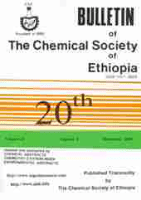
BULLETIN OF THE CHEMICAL SOCIETY OF ETHIOPIA
Championing Local and Global Chemical InnovationsBULLETIN OF THE CHEMICAL SOCIETY OF ETHIOPIA (ISSN: 1011-3924; E-ISSN: 1726-801X), published by the Chemical Society of Ethiopia, serves as a pivotal platform for the dissemination of innovative research and developments within the field of chemistry. Since its inception in 1996 and now an open access journal since 2012, it has provided researchers, academics, and students with unrestricted access to critical studies and findings, thus fostering collaboration and the advancement of knowledge in the discipline. The journal's current standing in the Q3 quartile in the 2023 Chemistry category underlines its commitment to maintaining high academic standards, while its Scopus ranking, positioned at #250 out of 408 in general chemistry, showcases its growing influence and contribution to the scientific community. Hailing from Ethiopia and targeted toward a global readership, the journal aims to highlight local and international research, engaging scholars and practitioners alike in discussions that propel the science of chemistry forward.

Hemijska Industrija
Connecting Ideas, Inspiring Innovations in ChemistryHemijska Industrija, an esteemed journal published by the Association of Chemical Engineers of Serbia, serves as a critical platform for advancing knowledge in the fields of chemical engineering and chemistry since its inception in 1989. With an Open Access policy adopted in 2017, the journal provides global access to cutting-edge research and innovative findings, enhancing visibility for authors and fostering collaboration among researchers, professionals, and students alike. This peer-reviewed journal currently holds a Q3 ranking in both Chemical Engineering (miscellaneous) and Chemistry (miscellaneous) categories, signifying its growing impact in these fields. Published in Belgrade, Serbia, Hemijska Industrija not only disseminates high-quality articles from various disciplines within chemical science but also emphasizes interdisciplinary approaches and practical applications, making it an invaluable resource for anyone seeking to stay at the forefront of chemical innovations.