
Journal of the ASABE
metrics 2024
Advancing Agricultural Innovation Through Research
Introduction
Journal of the ASABE, published by the American Society of Agricultural and Biological Engineers, serves as a pivotal platform for disseminating cutting-edge research in various disciplines, including Agronomy, Crop Science, Biomedical Engineering, Food Science, Forestry, and Soil Science. With an impact factor that reflects its significance and reach, the journal ranks in the Q2 and Q3 quartiles across numerous categories in 2023, showcasing its commitment to advancing knowledge in agricultural and biological engineering. Authored by leading experts, the journal offers accessible articles on innovative methodologies, technologies, and sustainable practices essential to the global agricultural and environmental landscape. Open access options ensure that research findings are readily available to a broad audience, promoting collaboration and knowledge sharing among researchers, professionals, and students alike. With a strategic focus on research convergence into 2024, Journal of the ASABE is poised to shape the future of engineering solutions in agriculture and beyond.
Metrics 2024
 0.421.201.20115
Metrics History
Rank 2024
Scopus
IF (Web Of Science)
JCI (Web Of Science)
Quartile History
Similar Journals

Romanian Agricultural Research
Fostering Dialogues for Sustainable Agricultural DevelopmentRomanian Agricultural Research is a prominent academic journal dedicated to advancing the field of agricultural science with a specific focus on agronomy and crop management. Published by the NATL AGRICULTURAL RESEARCH & DEVELOPMENT INST in Romania, this journal has established itself as an important resource within its discipline, evidenced by its Q3 ranking in the Agronomy and Crop Science category for 2023. With its ongoing publication since 2008, the journal provides a platform for researchers and professionals to disseminate their findings and share innovative practices that address the challenges faced in agricultural development. Although it operates under a non-open access model, Romanian Agricultural Research commits to rigorous peer-review processes, ensuring the high-quality content that enhances the academic community’s knowledge base. The journal's objective is to foster dialogues surrounding sustainable agriculture, improve crop yield, and contribute to the enhancement of agricultural practices globally. Researchers, professionals, and students will find this journal to be an invaluable repository of knowledge and a catalyst for future agricultural innovations.

Scientific Papers-Series A-Agronomy
Nurturing Ideas for a Resilient Agricultural SectorScientific Papers-Series A-Agronomy is a premier academic journal dedicated to the field of agronomy, published by the University of Agronomic Sciences and Veterinary Medicine Bucharest. With an emphasis on innovative research and practical applications, this journal serves as a vital platform for disseminating new findings in agricultural science, sustainable practices, and crop management strategies. Though the journal currently operates under traditional access options, it remains pivotal in supporting the academic community in Romania and beyond. The ISSN (2285-5785) and E-ISSN (2285-5807) ensure that the work published is easily accessible to researchers and practitioners alike, fostering the exchange of knowledge and advancements within the agricultural sector. By continually addressing contemporary issues in agronomy, Scientific Papers-Series A-Agronomy strives to promote sustainable agricultural practices and enhance food security, making it an essential resource for professionals, students, and researchers keen on advancing their understanding and expertise in this critical field.
CIENCIA RURAL
Advancing agricultural knowledge for a sustainable future.CIENCIA RURAL, published by the Universidade Federal de Santa Maria in Brazil, is a prominent open-access journal since 1995, dedicated to advancing research in the fields of Agronomy and Crop Science, Animal Science and Zoology, and Veterinary Science. With an ISSN of 0103-8478 and an E-ISSN of 1678-4596, this journal offers a platform for scientists, professionals, and students to disseminate their findings and engage in scholarly discussion. Classified in the Q3 quartile across multiple categories for 2023, CIENCIA RURAL holds competitive rankings in Scopus, standing at rank #89/194 in General Veterinary and #250/406 in Agronomy. The journal’s objective is to bridge gaps in research and foster innovative solutions to agricultural and biological challenges. With an open-access model, it ensures that all published content is freely available, thus supporting a global exchange of knowledge and ideas. For anyone committed to enhancing the agricultural sciences, CIENCIA RURAL serves as an invaluable resource and community hub.
ANNALS OF AGRICULTURAL SCIENCES
Leading the Way in High-Impact Agricultural ResearchANNALS OF AGRICULTURAL SCIENCES, published by Elsevier, stands as a leading open access journal dedicated to the multifaceted field of agricultural sciences. Since its inception in 2011, this journal has served as a pivotal platform for the dissemination of high-quality research, covering areas such as agronomy, animal science, horticulture, food science, plant science, and soil science. With an impressive Q1 ranking across multiple disciplines and notable positions in Scopus Ranks—including #6 in Animal Science and Zoology and #3 in Horticulture—this journal is recognized globally for its significant contribution to advancing agricultural innovations. The journal caters to a diverse audience of researchers, professionals, and students, providing them with open access to cutting-edge studies that address critical issues in agricultural productivity and sustainability. Its commitment to high-impact research ensures that articles contribute meaningfully to the scientific community, fostering advancements in agricultural practices and policies.
AGRICULTURAL RESEARCH
Empowering researchers to tackle contemporary agricultural challenges.AGRICULTURAL RESEARCH is a distinguished academic journal published by SPRINGER INDIA, focusing on the dynamic fields of Agronomy, Crop Science, and Food Science. With an ISSN of 2249-720X and E-ISSN of 2249-7218, this journal has established itself as a valuable resource for researchers, professionals, and students dedicated to advancing agricultural knowledge and practices. The journal is recognized in the 2023 Scopus Rankings, achieving commendable quartile positions, including Q2 in Agronomy and Crop Science and Plant Science, as well as Q3 in Food Science, indicating its influential presence in the academic community. AGRICULTURAL RESEARCH aims to disseminate cutting-edge research findings, innovative methodologies, and comprehensive reviews, fostering collaboration and discussion among scholars in Switzerland and beyond. Through its commitment to scholarly excellence, this journal is pivotal in addressing contemporary challenges in agriculture, ensuring sustainability, and enhancing food security for the future.
NEW ZEALAND JOURNAL OF AGRICULTURAL RESEARCH
Exploring the Frontiers of Agronomy and Crop ScienceNEW ZEALAND JOURNAL OF AGRICULTURAL RESEARCH is a prestigious, peer-reviewed journal published by Taylor & Francis Ltd that has been at the forefront of agricultural science since its inception in 1958. With a strong focus on the fields of Agronomy and Crop Science, Animal Science and Zoology, Plant Science, and Soil Science, this journal has established itself in the academic community, achieving a notable Q2 ranking in various agricultural categories as of 2023. The journal thrives on its commitment to disseminating cutting-edge research and innovative practices that address contemporary challenges in agriculture. Although it does not currently offer an open access option, its valuable contributions can be accessed through various academic platforms, ensuring that vital research reaches a wide audience of researchers, professionals, and students globally. The journal's continued relevance and authority are reflected in its strong Scopus rankings, further emphasizing its role as a critical journal within the agricultural sciences.
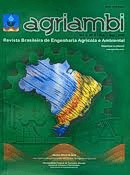
Revista Brasileira de Engenharia Agricola e Ambiental
Exploring Cutting-Edge Practices in Agricultural EngineeringRevista Brasileira de Engenharia Agricola e Ambiental, published by the Universidade Federal de Campina Grande, serves as a pivotal platform for researchers and professionals in the fields of agricultural and biological sciences, agronomy, and environmental engineering. With an open-access policy since 2000, this journal aims to foster global dissemination of innovative research and practices, ensuring that high-quality findings are accessible to all. Operating in Brazil, it holds notable rankings, including Q2 in the categories of Agricultural and Biological Sciences (miscellaneous) and Agronomy and Crop Science, indicating its strong academic impact and influence within these fields. As of 2023, it ranks #68 out of 193 in Agricultural and Biological Sciences and #188 out of 406 in Agronomy and Crop Science, representing its commitment to advancing scientific knowledge. The journal primarily focuses on publishing studies that address challenges in agricultural engineering and environmental sustainability, making it an essential read for students, researchers, and professionals who are dedicated to innovation and excellence in these dynamic fields.
AGRICULTURAL AND FOOD SCIENCE
Empowering research to enhance food safety and productivity.AGRICULTURAL AND FOOD SCIENCE is a prestigious journal published by the SCIENTIFIC AGRICULTURAL SOCIETY OF FINLAND, dedicated to advancing knowledge in the fields of agricultural and food sciences. With an ISSN of 1459-6067 and E-ISSN of 1795-1895, this open-access journal has been providing valuable insights and research findings since its inception in 2002. As of 2023, it holds a Q3 ranking in Food Science and is positioned at the 46th percentile within its Scopus category, ranking 210 out of 389 journals in Agricultural and Biological Sciences – Food Science. The journal features contributions from a global network of researchers, covering various topics including sustainable agricultural practices, food safety, and innovative food technologies. Based in Finland, the journal serves as an essential platform for scholars, professionals, and students who are committed to enhancing food security and agricultural productivity through rigorous scientific research. The convergence of interdisciplinary studies from 2004 to 2024 marks a critical evolution in the scope of agricultural and food research, making this journal a vital resource for anyone involved in these dynamic fields.
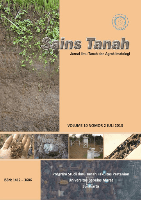
SAINS TANAH
Championing Research for a Greener TomorrowSAINS TANAH is a renowned peer-reviewed journal that focuses on the fields of agronomy, soil science, and environmental studies, published by Universitas Sebelas Maret Surakarta in Indonesia. Established as an Open Access platform since 2001, it aims to disseminate high-quality research that addresses critical issues in soil health, crop management, and pollution, thereby fostering sustainable agricultural practices. With its current impact factor demonstrating a Category Quartile ranking of Q3 and Q4 in major areas such as Agronomy and Crop Science, Atmospheric Science, and Pollution, SAINS TANAH serves as an essential resource for researchers, professionals, and students dedicated to advancing knowledge and solutions in these vital fields. By providing a collaborative environment and upholding rigorous academic standards, the journal not only highlights the significance of Indonesian research contributions but also aims to connect local insights with global agricultural and environmental challenges.
Poljoprivreda
Connecting researchers to revolutionize farming practices.Poljoprivreda is a distinguished open-access journal dedicated to the field of agronomy and crop science, published by the FAC Agriculture Osijek in Croatia. Since its inception in 2000, the journal has been committed to disseminating high-quality research that informs both academic and practical advancements in agriculture. With an ISSN of 1330-7142 and an E-ISSN of 1848-8080, Poljoprivreda provides a vital platform for researchers, professionals, and students to engage with the latest findings and methodologies in agronomy, contributing significantly to the enhancement of agricultural practices in Croatia and beyond. Although currently ranked in the 22nd percentile within its category according to Scopus, the journal aspires to elevate its standing by welcoming innovative research that addresses contemporary challenges within the agricultural sciences. By fostering open access since 2000, Poljoprivreda ensures that its scholarly content is freely available, promoting wider dissemination and collaborative opportunities among researchers globally.