
JOURNAL OF CELLULAR PLASTICS
metrics 2024
Fostering Innovation in Polymer Science
Introduction
The JOURNAL OF CELLULAR PLASTICS, published by SAGE PUBLICATIONS LTD, stands as a significant resource in the fields of Chemistry, Materials Chemistry, and Polymers and Plastics. With an ISSN of 0021-955X and an E-ISSN of 1530-7999, this esteemed journal has been contributing to scientific knowledge since its inception in 1965 and is slated to continue its impactful publication through 2024. Ranking in the Q2 category across its respective fields in 2023, and consistently positioned within the 61st to 63rd percentile in Scopus rankings, it is recognized for disseminating high-quality research that advances our understanding of cellular plastics. Although it operates under a subscription model, the journal remains dedicated to fostering scholarly discourse and innovation, making it an essential platform for researchers, industry professionals, and students eager to explore the latest advancements in polymer science.
Metrics 2024
 0.553.202.7048
Metrics History
Rank 2024
Scopus
IF (Web Of Science)
JCI (Web Of Science)
Quartile History
Similar Journals

Progress in Rubber Plastics and Recycling Technology
Pioneering research for a circular economy.Progress in Rubber Plastics and Recycling Technology, published by SAGE Publications Ltd, is a premier journal dedicated to advancing the fields of rubber, plastics, and recycling technologies. Since its inception in 2003, the journal has played a crucial role in disseminating high-quality research, bridging the gap between scientific inquiry and practical applications in chemical engineering and materials science. With an Impact Factor reflective of its rigorous peer-review process, and ranks placing it in the second quartile (Q2) for Chemical Engineering and third quartile (Q3) across Materials Chemistry, Organic Chemistry, and Polymers and Plastics, this journal serves as an essential resource for scholars and industry professionals alike. Although it does not offer Open Access, it remains a vital platform for discussing innovations and sustainable practices within the rubber and plastics sectors. The journal's objectives focus on fostering interdisciplinary collaborations and sharing findings that contribute to a sustainable future. As it continues through 2024, Progress in Rubber Plastics and Recycling Technology aims to inspire new directions in research and application in this ever-evolving field.
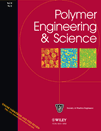
POLYMER ENGINEERING AND SCIENCE
Elevating Polymer Science to New HeightsPOLYMER ENGINEERING AND SCIENCE, published by WILEY, is a premier journal specializing in the field of polymer science and engineering. Since its inception in 1961, this journal has been at the forefront of disseminating high-quality research, focusing on various aspects of polymers and plastics, including their chemistry, properties, and applications. With an impressive impact factor, it ranks in the second quartile (Q2) across multiple categories, including Chemistry (Miscellaneous), Materials Chemistry, and Polymers and Plastics, showcasing the journal's significance and influence in these vital areas of research. Researchers and professionals in academia and industry will find the latest advancements and innovative methodologies in polymer science, making this journal an essential resource for those looking to stay updated on cutting-edge developments. While it does not currently support Open Access, its comprehensive scope and critical insights positioned it as a valuable platform for advancing knowledge and fostering collaboration within the polymer community. The journal’s office is located at 111 River St, Hoboken 07030-5774, NJ, United States, emphasizing its strong presence in the academic landscape.
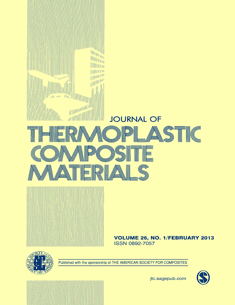
JOURNAL OF THERMOPLASTIC COMPOSITE MATERIALS
Unveiling the Potential of Thermoplastic CompositesJOURNAL OF THERMOPLASTIC COMPOSITE MATERIALS, published by SAGE PUBLICATIONS LTD, is a cutting-edge journal dedicated to advancing the field of thermoplastic composites and their applications within ceramics and condensed matter physics. With an ISSN of 0892-7057 and an E-ISSN of 1530-7980, the journal boasts a strong academic reputation evidenced by its impressive impact factor as well as its classification in the 2023 Q2 category for both Ceramics and Composites and Condensed Matter Physics. Ranked #60 in Condensed Matter Physics and #26 in Materials Science by Scopus, the journal plays a pivotal role in disseminating innovative research findings, trends, and advancements to a global audience. Spanning research from 1988 to 2024, it serves as an essential resource for researchers, professionals, and students alike, fostering collaboration and promoting knowledge in the ever-evolving landscape of thermoplastic composite materials. Although currently not open access, the comprehensive content and critical insights provided by this journal are invaluable for those engaged in cutting-edge research and practical applications in these fields.

Elastomers and Composites
Pioneering Research in Polymer EngineeringElastomers and Composites is a leading academic journal dedicated to the advancement of knowledge in the fields of polymer science and materials engineering, specifically focusing on elastomers and composite materials. Published by RUBBER SOC KOREA, this journal serves as a vital platform for researchers and professionals to disseminate innovative research findings and insights in material properties, applications, and synthesis techniques. Although it currently does not offer open access, the journal provides rigorous peer-reviewed content that enhances the global dialogue on elastomeric materials and their composites, reflecting its commitment to high-quality scholarship. With a strong emphasis on practical relevance and theoretical advancements, Elastomers and Composites aspires to reshape industry practices and academic thought, making it an invaluable resource for students, researchers, and practitioners alike. Positioned strategically within its field, this journal fosters collaboration and dialogue among scientific communities, all while supporting the growth of cutting-edge research programs worldwide.
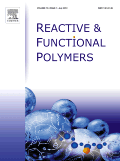
REACTIVE & FUNCTIONAL POLYMERS
Advancing Polymer Science Through Innovation and CollaborationREACTIVE & FUNCTIONAL POLYMERS, published by Elsevier, is a leading journal in the field of polymer science, focusing on the innovative development and application of reactive and functional polymers. With an impressive impact demonstrated through its classification in various prestigious categories, including Q1 rankings in Chemical Engineering, Chemistry, and Materials Chemistry, this journal serves as an essential resource for researchers and professionals seeking to explore the latest advances in polymer research. With a broad scope that encompasses topics from biochemistry to environmental chemistry, and a convergence of significant findings from 1995 to 2024, REACTIVE & FUNCTIONAL POLYMERS fosters academic dialogue and collaboration among scientists. The journal also features Open Access options, ensuring that groundbreaking research is readily available to a global audience. By consistently publishing high-quality articles, it not only enriches the scientific community but also drives innovation across various industries reliant on polymer technologies.
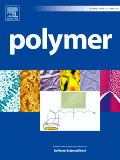
POLYMER
Connecting Scholars through Cutting-edge Polymer SciencePOLYMER, an esteemed journal published by Elsevier Science Ltd, stands at the forefront of polymer science, presenting cutting-edge research that encompasses the realms of Materials Chemistry, Organic Chemistry, and Polymers and Plastics. With a remarkable impact factor reflecting its significance in the academic community, POLYMER has been a vital resource since its inception in 1960, contributing to a converged body of knowledge through to 2024. Rated Q1 in all relevant categories as of 2023, and boasting impressive Scopus rankings, this journal not only facilitates advanced discussions in polymer synthesis, characterization, and applications but also serves as a critical platform for collaborative research among scholars, professionals, and students. While it offers content primarily via subscription, POLYMER remains dedicated to fostering innovation and excellence in the field, making it an essential read for anyone passionate about polymer science.
POLYMER COMPOSITES
Shaping the Future of Composite TechnologiesPOLYMER COMPOSITES, published by WILEY, is a leading journal dedicated to advancing the fields of materials science and engineering through the exploration of polymer composite materials. With its foundation dating back to 1980, this esteemed journal has continuously provided a platform for researchers to publish high-quality studies and innovative methodologies in areas such as ceramics, composites, and miscellaneous chemistry. Ranked in the prestigious Q1 quartile for sectors like Polymers and Plastics as well as Materials Chemistry, POLYMER COMPOSITES stands significant within the academic community, holding a notable impact factor that reflects its influence. The journal encompasses a comprehensive range of topics, making it essential reading for professionals, researchers, and students aiming to stay at the forefront of developments in polymer science and composite technologies. Although it does not currently offer Open Access, readers can access its impactful publications through institutional or individual subscriptions, contributing to ongoing advancements in the field and facilitating the exchange of valuable knowledge among scientists and engineers worldwide.
Green Materials
Pioneering research at the intersection of sustainability and materials.Green Materials, published by Emerald Group Publishing Ltd, serves as a crucial platform for research within the realm of sustainable materials science. Since its inception in 2013, this journal has focused on addressing pressing global challenges, particularly in Materials Chemistry, Pollution, and Polymers and Plastics, as evidenced by its rankings within the Q3 Quartiles. With a commitment to high-quality, peer-reviewed content, it caters to an audience keen on innovative solutions that promote environmental sustainability. Researchers and professionals can access a wealth of knowledge and insights that are instrumental in advancing the field, despite the absence of an open-access option. As the journal continues to converge towards its projected endpoint in 2024, it remains a vital resource for those dedicated to exploring the intersection of materials science and ecological responsibility, ensuring its relevance in academic discussions and practical applications.
POLYMER SCIENCE SERIES B
Innovating Materials Chemistry for TomorrowPOLYMER SCIENCE SERIES B is a distinguished journal published by MAIK NAUKA/INTERPERIODICA/SPRINGER, dedicated to advancing knowledge in the fields of ceramics and composites, materials chemistry, and polymers and plastics. The journal, identifiable by its ISSN 1560-0904 and E-ISSN 1555-6123, spans a significant timeline from 1996 to 2024, reflecting its commitment to preserving and disseminating cutting-edge research in polymer science. With its current ranking in the Q3 category across relevant fields, it supports scholars and professionals in enhancing their understanding and application of polymeric materials. While it operates on a non-open access basis, the journal is pivotal for researchers seeking in-depth analysis and peer-reviewed studies. Located in the heart of the United States at 233 Spring St, New York, NY 10013-1578, POLYMER SCIENCE SERIES B serves as an essential resource for committed researchers, professionals, and students aiming to push the boundaries of polymer science.

KGK-Kautschuk Gummi Kunststoffe
Bridging Knowledge and Industry in Material SciencesKGK-Kautschuk Gummi Kunststoffe is a prominent journal dedicated to the fields of industrial and manufacturing engineering, materials chemistry, mechanical engineering, and polymers and plastics. Published by DR ALFRED HUTHIG VERLAG GMBH in Germany, this journal has established itself as a vital resource for researchers and professionals involved in the rubber, elastomers, and polymer industries since its inception in 1978. With an emphasis on contemporary advancements and emerging technologies, the journal aims to disseminate cutting-edge research and developments in the understanding of material properties, processing techniques, and applications. While the journal is categorized in the Q4 quartile across multiple disciplines in 2023, it still plays a crucial role in bridging the gap between theory and practical innovation. Researchers, professionals, and students alike are encouraged to contribute to and engage with the latest insights in this dynamic field, fostering collaboration and knowledge sharing to advance applications in industry and academia.