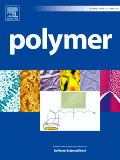
POLYMER
metrics 2024
Transforming Ideas into Polymer Solutions
Introduction
POLYMER, an esteemed journal published by Elsevier Science Ltd, stands at the forefront of polymer science, presenting cutting-edge research that encompasses the realms of Materials Chemistry, Organic Chemistry, and Polymers and Plastics. With a remarkable impact factor reflecting its significance in the academic community, POLYMER has been a vital resource since its inception in 1960, contributing to a converged body of knowledge through to 2024. Rated Q1 in all relevant categories as of 2023, and boasting impressive Scopus rankings, this journal not only facilitates advanced discussions in polymer synthesis, characterization, and applications but also serves as a critical platform for collaborative research among scholars, professionals, and students. While it offers content primarily via subscription, POLYMER remains dedicated to fostering innovation and excellence in the field, making it an essential read for anyone passionate about polymer science.
Metrics 2024
 0.834.103.90288
Metrics History
Rank 2024
Scopus
IF (Web Of Science)
JCI (Web Of Science)
Quartile History
Similar Journals

ACTA POLYMERICA SINICA
Pioneering Insights in Polymers and PlasticsACTA POLYMERICA SINICA is a distinguished journal published by SCIENCE PRESS, specializing in the multifaceted disciplines of Chemical Engineering, Chemistry, and Polymers and Plastics. Established in 1996, this peer-reviewed journal provides a critical platform for the dissemination of cutting-edge research and advancements within these fields, promoting innovation and knowledge-sharing among researchers and professionals globally. With its presence in the highly competitive Q3 quartile rankings as of 2023, the journal demonstrates a commitment to maintaining rigorous academic standards while supporting the evolving landscape of polymer science. Operating from Beijing, China, the journal caters to a broad readership and emphasizes the importance of interdisciplinary collaboration in addressing contemporary challenges in material science. Although it does not offer open access, ACTA POLYMERICA SINICA remains a vital resource for scholars seeking to enhance their understanding and contribute valuable insights to the field.
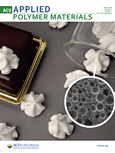
ACS Applied Polymer Materials
Shaping Tomorrow’s Innovations in Polymer ApplicationsACS Applied Polymer Materials is a prestigious journal published by the American Chemical Society, specifically tailored for the dynamic fields of Organic Chemistry, Polymers and Plastics, and Process Chemistry and Technology. With its ISSN 2637-6105, the journal has rapidly established itself within the academic community, achieving a distinguished Q1 quartile ranking across multiple categories in 2023. This places it among the top-tier journals globally, reinforcing its critical role in disseminating groundbreaking research and innovation in polymer science. The journal is known for its rigorous peer-review process and publishes high-quality articles that are pivotal for researchers, professionals, and students eager to advance knowledge in polymer materials and their applications. Positioned to cover converging themes from 2019 through 2024, ACS Applied Polymer Materials embraces a wide scope of studies, from fundamental chemistry to practical engineering applications, thereby fostering significant advancements in material science. While it offers traditional access options, the journal's impact is reflected in its impressive rankings within Scopus, indicating its relevance and influence in the chemical engineering domain. Join the global community of innovators and discover the latest insights that continue to shape the landscape of applied polymer research.
POLYMER BULLETIN
Exploring the Frontiers of Polymer SciencePOLYMER BULLETIN is a prominent journal in the field of polymer science, published by SPRINGER in Germany. Established in 1978, this peer-reviewed journal focuses on the latest research and developments in polymer chemistry, materials science, and condensed matter physics, boasting a commendable impact factor indicative of its rigorous academic standards. With a Q2 ranking in multiple categories including Chemistry (Miscellaneous), Condensed Matter Physics, Materials Chemistry, and Polymers and Plastics, POLYMER BULLETIN serves as an essential resource for researchers, professionals, and students aiming to stay abreast of innovative findings and methodologies within these interdisciplinary landscapes. Although the journal does not currently offer open access, it provides invaluable insights and data that significantly contribute to the advancement of polymer science. For more information and to access published articles, visit the journal's page on the Springer website.
POLYMER SCIENCE SERIES C
Navigating the Complexities of Polymer ResearchPOLYMER SCIENCE SERIES C is a distinguished journal published by MAIK NAUKA/INTERPERIODICA/SPRINGER, focusing on advancing research in the fields of polymer science and materials chemistry. With an ISSN of 1811-2382 and an E-ISSN of 1555-614X, this journal has been actively disseminating vital findings since its inception in 2000, aiming to converge knowledge and innovations until 2024. Operating out of the United States, it stands out with its current quartile rankings of Q3 across several categories, including Chemistry (miscellaneous), Materials Chemistry, and Polymers and Plastics, highlighting its evolving significance in the academic community. Despite its open access status, the journal attracts an engaged audience of researchers, professionals, and students, providing a platform for the publication of rigorous peer-reviewed articles that explore the intricacies of polymer synthesis, characterization, and applications. POLYMER SCIENCE SERIES C not only serves as a vital resource for keeping abreast of recent developments in polymer research but also stimulates interdisciplinary collaborations and innovative approaches in material science.
JOURNAL OF POLYMER RESEARCH
Pioneering Insights into Polymer Science and TechnologyJOURNAL OF POLYMER RESEARCH is a leading peer-reviewed journal published by SPRINGER, specializing in the dynamic fields of polymer science, materials chemistry, and organic chemistry. Operating since 1994, this esteemed journal has consistently delivered high-quality research articles that illuminate the latest advancements and innovations in polymer technology. With an increasing impact factor and placed in the Q2 category for both Materials Chemistry and Polymers and Plastics, it stands as a valuable resource for researchers, professionals, and students seeking cutting-edge knowledge in these areas. The journal is indexed in Scopus, highlighting its significance in the academic community, with notable rankings in Materials Science and Organic Chemistry. While it does not currently offer open access options, the meticulous selection of research and thorough peer-review process ensures each article's contribution to the field is both robust and impactful. Researchers aiming to expand their understanding and engage with pioneering studies will find JOURNAL OF POLYMER RESEARCH an indispensable platform.

ADVANCES IN POLYMER TECHNOLOGY
Pioneering Tomorrow's Polymers Today.ADVANCES IN POLYMER TECHNOLOGY is a premier open-access journal that has been at the forefront of innovation in the field of polymer science and engineering since its inception in 1981. Published by WILEY-HINDAWI, this journal serves as a vital platform for researchers, professionals, and students alike, facilitating the dissemination of cutting-edge research and applications in chemical engineering, organic chemistry, and polymers and plastics. With an impact factor that signifies its relevance and quality, the journal has achieved notable rankings, including Q2 in Chemical Engineering, and ranks within the top 30% of its category in multiple disciplines as of 2023. ADVANCES IN POLYMER TECHNOLOGY has embraced open-access publishing since 2019, ensuring that research findings are widely available to the global academic community. With its comprehensive coverage of topics related to polymer technology, this journal not only fosters scholarly exchange but also aims to bridge the gap between fundamental research and practical applications, thereby contributing significantly to advancements in materials science.
POLYMERS FOR ADVANCED TECHNOLOGIES
Unleashing Potential in Polymer Science and TechnologyPOLYMERS FOR ADVANCED TECHNOLOGIES is a premier peer-reviewed journal published by WILEY, focusing on cutting-edge research in the field of polymers and plastics. Since its inception in 1990, the journal has established itself as a critical resource for academics and industry professionals alike, reflecting advancements and innovations in polymer science and technology. With an impressive Scopus ranking of #45 out of 161 in the Materials Science category and a 72nd percentile ranking, it ranks in the Q2 quartile for its relevance and impact within the polymers field. The journal's comprehensive scope encompasses recent developments and trends in polymer applications, synthesis, and characterization, making it essential reading for researchers looking to advance their work within this dynamic area. Researchers can submit their work in the UK, where the journal is published, and while it does not currently offer open-access options, its robust impact factor highlights the significance of the research it disseminates. Join the community of experts pushing the boundaries of polymer science by engaging with POLYMERS FOR ADVANCED TECHNOLOGIES. Continuous exploration and innovation await those who contribute to and learn from the journal’s diverse array of studies.
JOURNAL OF APPLIED POLYMER SCIENCE
Connecting Theory with Practice in Polymer ScienceThe Journal of Applied Polymer Science, published by Wiley, is a leading journal in the field of polymer science, showcasing innovative research and applications in various domains since its inception in 1959. With an ISSN of 0021-8995 and an E-ISSN of 1097-4628, it is indexed in prominent databases, maintaining a strong presence with Scopus rankings placing it in the Q2 category across multiple disciplines, including Chemistry, Materials Chemistry, and Polymers and Plastics. The journal’s commitment to advancing scientific knowledge is reflected in its impact on the materials science community, with noteworthy rankings such as #38 in Surfaces, Coatings and Films and #51 in Polymers and Plastics. Though not an open-access publication, it remains a vital resource for researchers, professionals, and students aiming to deepen their understanding of polymer applications and to stay abreast of the latest developments in this ever-evolving field. With a focus on high-quality research, the Journal of Applied Polymer Science continues to be a cornerstone for those engaged in polymer research and its myriad applications.
POLYMER INTERNATIONAL
Elevating Knowledge in the World of PolymersPOLYMER INTERNATIONAL is a leading journal in the field of polymer science, published by Wiley, one of the most esteemed scholarly publishers. With an ISSN of 0959-8103 and an E-ISSN of 1097-0126, this journal has been a pivotal platform for researchers since its inception in 1991, now extending its coverage until 2024. The journal boasts a commendable standing in various scientific domains, achieving a Q2 quartile ranking in Materials Chemistry, Organic Chemistry, and Polymers and Plastics as of 2023. Additionally, it holds impressive Scopus ranks, including Rank #47 in Organic Chemistry and Rank #40 in Polymers and Plastics, placing it within the top percentiles of its categories. Researchers, professionals, and students alike can benefit from its rich array of articles that contribute to the understanding and advancement of polymer technology and materials science. Although not an open access journal, POLYMER INTERNATIONAL remains crucial for disseminating high-quality research that drives innovation and development within the field.
POLYMER-KOREA
Unveiling Breakthroughs in Polymer Science Since 1996POLYMER-KOREA, an esteemed publication by the POLYMER SOC KOREA, serves as a vital platform for disseminating groundbreaking research in the domains of Chemical Engineering, Materials Chemistry, and Polymers and Plastics. Founded in 1996, this journal aims to bridge the gap between academic inquiry and industrial application, fostering innovation in polymer science. With an ISSN of 0379-153X and an E-ISSN of 2234-8077, POLYMER-KOREA provides a rigorous peer-reviewed environment, although it does not currently offer open access options. Based in Seoul, South Korea, and slated for converged years up to 2024, the journal is indexed in Scopus and has been ranked in the 2023 Q4 category in its respective fields, highlighting its niche yet competitive position within the academic community. Researchers, professionals, and students alike will find the journal an invaluable resource, honing in on critical advancements and fostering collaborative discussion within the spectrum of polymer science.