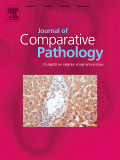
JOURNAL OF COMPARATIVE PATHOLOGY
Scope & Guideline
Pioneering Research in Pathology and Forensic Medicine
Introduction
Aims and Scopes
- Comparative Pathological Studies:
The journal emphasizes comparative pathology, investigating diseases across different species to identify commonalities and differences in disease mechanisms and outcomes. - Veterinary Oncology and Tumor Pathology:
A significant focus is on oncology, with studies exploring neoplasms and their pathological characteristics in various animal species, contributing to better diagnostic and therapeutic strategies. - Infectious Disease Pathology:
Research on infectious diseases in animals is prevalent, offering insights into the pathology, epidemiology, and management of zoonotic and non-zoonotic infections. - Immunohistochemistry and Molecular Pathology:
The journal frequently publishes studies employing advanced techniques such as immunohistochemistry and molecular pathology to elucidate disease mechanisms at the cellular and molecular levels. - Case Reports and Retrospective Studies:
Case reports and retrospective analyses form a core component of the journal, providing detailed accounts of specific pathological findings that contribute to the broader understanding of veterinary diseases. - Forensic Veterinary Pathology:
There is a unique contribution in the realm of forensic veterinary pathology, addressing the intersection of veterinary science and legal investigations.
Trending and Emerging
- Pathology of Exotic and Wild Animals:
An increasing number of studies focus on the pathology of exotic and wild animal species, highlighting the importance of understanding diseases that affect biodiversity and conservation efforts. - Molecular Pathology and Biomarkers:
There is a growing trend towards molecular pathology, particularly the identification of biomarkers for disease diagnosis and prognosis, which is becoming a pivotal area of research. - One Health and Zoonotic Diseases:
Research at the intersection of animal health, human health, and environmental factors (One Health) is on the rise, reflecting a broader awareness of zoonotic diseases and their implications. - Immunotherapy and Cancer Research:
Emerging studies are increasingly focusing on immunotherapy and its applications in veterinary oncology, exploring innovative treatment options for neoplasms in various species. - Digital Pathology and AI in Diagnostics:
The integration of digital pathology and artificial intelligence in diagnostic processes is gaining traction, indicating a shift towards more technologically advanced approaches in pathology.
Declining or Waning
- Traditional Pathological Techniques:
There appears to be a waning interest in traditional pathological techniques, such as basic histopathology without modern immunohistochemical or molecular approaches, as newer methodologies gain favor. - Generalized Studies on Common Species:
Research focused solely on commonly studied species (e.g., cats and dogs) is becoming less frequent, with a shift toward more diverse and exotic animal studies. - Historical or Legacy Pathological Cases:
There is a noticeable decline in publications centered on historical or legacy cases that do not provide novel insights or advancements in understanding current diseases.
Similar Journals

Turkish Journal of Pathology
Unveiling the Future of Pathology and Forensic ScienceTurkish Journal of Pathology, published by the Federation Turkish Pathology Society, stands as a vital platform for disseminating high-quality research in the field of pathology and forensic medicine. With an ISSN of 1018-5615 and an E-ISSN of 1309-5730, this journal has been an open-access publication since 2013, ensuring that cutting-edge findings are readily available to the global community. Based in Turkey, it aims to contribute significantly to the advancement of pathology as it converges from 2010 to 2024, currently holding a Q3 quartile ranking in its category according to 2023 metrics. As it ranks #129 out of 208 in the Scopus database for Medicine, Pathology, and Forensic Medicine, it offers researchers, professionals, and students invaluable insights and innovative studies that address critical developments in the field. The Turkish Journal of Pathology fosters collaboration and knowledge-sharing, making it an essential resource for anyone involved in pathology research and practice.
EQUINE VETERINARY EDUCATION
Nurturing knowledge for the future of equine care.EQUINE VETERINARY EDUCATION is a premier academic journal dedicated to the field of veterinary science, particularly focusing on equine health and education. Published by WILEY, this influential publication boasts a robust history, having served the academic community since 1989. With an impressive Scopus ranking within the top 4 of 11 in the equine veterinary category and a 68th percentile placement, it underscores its significant contribution to advancing knowledge in the field. Although it does not offer Open Access, EQUINE VETERINARY EDUCATION provides critical insights and research that inform best practices and innovative approaches in equine care and management. The journal aims to foster the development of veterinary education through high-quality research articles, reviews, and case studies, making it an essential resource for researchers, practitioners, and students committed to enhancing equine veterinary knowledge and practices.

Pathologie
Transforming Investigative Approaches in Forensic SciencePathologie is a distinguished academic journal published by Springer Heidelberg, dedicated to advancing the field of pathology and forensic medicine. With an ISSN of 2731-7188 and an E-ISSN of 2731-7196, this journal serves as a vital platform for researchers, professionals, and students to disseminate innovative findings and insights. Currently ranked in the Q3 category of pathology and forensic medicine according to the 2023 metrics, Pathologie reflects a commitment to quality and relevance in a dynamic research landscape. Despite its relatively recent establishment from 2022, the journal is gaining traction with a Scopus rank of 139 out of 208 in its category, positioning itself as an emerging resource within the academic community. While it operates under a subscription model, the importance of the journal lies in its objective to facilitate the exploration of diverse pathological processes and enhance forensic methodologies, ultimately improving clinical outcomes and investigative practices. As it continues to grow, Pathologie stands poised to impact the pathology domain significantly.

AJSP-Reviews and Reports
Unlocking Insights for Forensic InvestigationsAJSP-Reviews and Reports is a peer-reviewed journal dedicated to the advancement of knowledge within the field of pathology and forensic medicine. Published by the renowned Lippincott Williams & Wilkins, this journal plays a vital role in disseminating insightful reviews and reports that contribute to the understanding and application of diagnostic practices and forensic investigations. While currently listed in the fourth quartile (Q4) within its category according to the 2023 metrics, the journal is committed to enhancing its impact and fostering scholarly dialogue among researchers, professionals, and students in the medical community. Despite challenges in Scopus rankings, it provides a platform for significant discourse and innovation in pathology. Operating from the United Kingdom, AJSP-Reviews and Reports is positioned to bridge gaps in knowledge and inspire future research developments. Readers can access valuable findings without open access barriers, allowing for efficient information sharing within the medical field.
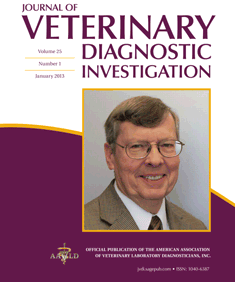
JOURNAL OF VETERINARY DIAGNOSTIC INVESTIGATION
Elevating standards in veterinary diagnostics for better animal care.The JOURNAL OF VETERINARY DIAGNOSTIC INVESTIGATION, published by SAGE PUBLICATIONS INC, stands as a pivotal resource in the field of veterinary medicine, focusing on the latest advancements in diagnostic methodologies and their application in animal health. With an impressive impact factor and ranked in the Q1 category of Veterinary (miscellaneous) for 2023, this journal ensures the dissemination of high-quality research that is critical for veterinarians, researchers, and students alike. Established in 1989 and set to continue through 2024, it encompasses a broad spectrum of topics, vital for professionals committed to enhancing veterinary diagnostics. The journal's rigorous peer-review process guarantees that only the most innovative and thorough research contributions reach its audience, fostering an environment of academic excellence and knowledge transfer in the veterinary diagnostic field.
AVIAN PATHOLOGY
Elevating veterinary science through pioneering avian studies.AVIAN PATHOLOGY is a leading academic journal published by Taylor & Francis Ltd, focusing on the field of avian health, diseases, and diagnostics. With an ISSN of 0307-9457 and an E-ISSN of 1465-3338, this esteemed journal has been serving the scientific community since its inception in 1972, with content converging until 2024. Notably recognized in the 2023 Journal Rank, it holds a Q1 category in Animal Science and Zoology, making it an essential source for researchers and practitioners alike. The journal emphasizes critical insights into avian pathology, fostering significant advancements in veterinary science and poultry health management. Although it is not open access, subscriptions provide access to high-impact reviews and original research that underpin vital practices in the industry. With its prestigious publishing lineage and impactful scope, AVIAN PATHOLOGY continues to be a cornerstone for those dedicated to understanding and improving the health of avian species worldwide.
Fetal and Pediatric Pathology
Transforming research into better outcomes for children.Fetal and Pediatric Pathology, an esteemed journal published by TAYLOR & FRANCIS INC, is dedicated to advancing the field of pediatric and fetal medicine through the dissemination of high-quality research and clinical insights. With an ISSN of 1551-3815 and an E-ISSN of 1551-3823, the journal has been a key resource for researchers and practitioners since its inception in 1983. Based in the United Kingdom, it covers a broad spectrum of topics relevant to Medicine, Pathology and Forensic Medicine, and Pediatrics, Perinatology, and Child Health, consistently reflecting on contemporary challenges faced in these fields. The journal has attained a commendable Q3 ranking within its categories as of 2023, underlining its relevance in the academic community. Though not an open-access publication, the research presented in Fetal and Pediatric Pathology plays a pivotal role in informing practice, guiding future studies, and enhancing the understanding of diseases affecting fetuses and children. Its convergence of research throughout multiple years, continuing until 2024, marks it as a crucial platform for ongoing scientific dialogue and innovation, aimed at fostering better health outcomes for younger populations.
Macedonian Veterinary Review
Enhancing animal welfare through shared knowledge.Macedonian Veterinary Review is a prominent open access journal dedicated to advancing the field of veterinary science. Published by SCIENDO, this journal provides a crucial platform for researchers, professionals, and students to share their findings and insights related to veterinary practices, animal health, and welfare. Established with the aim of fostering knowledge exchange since its inception in 2010, the journal has made significant strides, evidenced by its 2023 Scopus ranking of #131 out of 194 in the General Veterinary category, placing it in the 32nd percentile among its peers. The journal's open access model enhances the dissemination of knowledge, ensuring that vital research reaches a wider audience, thereby addressing key issues in the veterinary landscape. With its base in Macedonia and a commitment to high-quality scholarly contributions, the Macedonian Veterinary Review is an essential resource for anyone involved in veterinary research and practice, reflecting the ongoing developments and challenges in this critical field.

Acta Scientiae Veterinariae
Innovating veterinary practices through open access research.Acta Scientiae Veterinariae is an esteemed academic journal dedicated to advancing knowledge in the field of veterinary sciences. Published by the Universidade Federal do Rio Grande do Sul, this journal serves as a vital platform for researchers, professionals, and students interested in the latest findings and developments in veterinary medicine and related disciplines. Operating under an open access model, Acta Scientiae Veterinariae ensures that its content is freely accessible, promoting widespread dissemination of research that contributes to the understanding and welfare of animal health. With an ISSN of 1678-0345 and an E-ISSN of 1679-9216, the journal has made a significant impact in its category, holding a Q4 ranking in the Veterinary (miscellaneous) category as per the latest 2023 categorizations and ranking in the 11th percentile, reflecting its continued relevance within the academic community. As it converges years from 2010 to 2024, Acta Scientiae Veterinariae continues to foster innovation and collaboration in veterinary research, making it an invaluable resource for those committed to enhancing animal health and veterinary practices.
TIERAERZTLICHE PRAXIS AUSGABE KLEINTIERE HEIMTIERE
Transforming pet care through dedicated scholarship.TIERAERZTLICHE PRAXIS AUSGABE KLEINTIERE HEIMTIERE, published by GEORG THIEME VERLAG KG, is a leading journal in the field of veterinary medicine, particularly focusing on small companion animals. With an ISSN of 1434-1239 and E-ISSN 2567-5842, this esteemed publication has been a vital resource for clinicians, researchers, and students since its inception in 1997. The journal operates within a categorized rank of Q3 in Small Animals for the year 2023, placing it among the notable resources in its niche. Although it offers no open access options, the journal compiles comprehensive research, case studies, and clinical guidelines that are indispensable for advancing veterinary knowledge and practices. With a dedicated focus on the dynamics of small animal care and the latest developments in treatment methodologies, TIERAERZTLICHE PRAXIS AUSGABE KLEINTIERE HEIMTIERE serves as an essential platform for disseminating innovative veterinary science that significantly contributes to the well-being of our beloved pets.