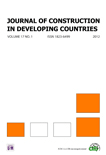
Journal of Construction in Developing Countries
Scope & Guideline
Advancing Construction Research in Emerging Economies
Introduction
Aims and Scopes
- Construction Management and Project Delivery:
Focuses on methodologies and strategies for efficient project management and delivery in the construction sector, addressing challenges unique to developing countries. - Risk Management and Safety:
Investigates risk factors and safety protocols to enhance construction practices, ensuring worker safety and project success amidst various challenges. - Sustainability and Environmental Impact:
Explores sustainable construction practices, materials, and technologies that minimize environmental impact while promoting economic growth in developing regions. - Adoption of Technology and Innovation:
Examines the role of emerging technologies, such as Building Information Modelling (BIM) and the Internet of Things (IoT), in enhancing construction processes and project outcomes. - Public-Private Partnerships (PPP):
Analyzes the dynamics of PPPs in construction projects, focusing on their success factors, challenges, and impacts on infrastructure development in developing countries. - Economic and Policy Analysis:
Studies the economic factors influencing the construction industry, including fiscal policies, budget management, and the impact of economic conditions on project viability.
Trending and Emerging
- Building Information Modelling (BIM):
There is an increasing focus on BIM adoption, including its drivers, barriers, and implementation models, indicating a trend towards digital transformation in the construction industry. - Impact of COVID-19 on Construction:
The pandemic's effects on the construction sector, including management strategies and safety measures, have garnered significant attention, reflecting the need for resilience in the face of global challenges. - Sustainable Construction Practices:
Research on sustainable practices, including energy-efficient designs and green building materials, is on the rise, emphasizing the importance of environmental considerations in construction. - Public-Private Partnerships (PPP):
An increase in studies analyzing the effectiveness and success factors of PPPs indicates a growing recognition of collaborative approaches to infrastructure development. - Technological Integration in Construction:
Emerging themes around the integration of technologies such as IoT and augmented reality in construction processes reflect a shift towards innovative solutions for improving efficiency and safety. - Cultural Influences on Project Management:
Research exploring the impact of national cultural dimensions on project management practices in construction is gaining traction, highlighting the importance of context in project success.
Declining or Waning
- Traditional Construction Methods:
Research focusing on conventional construction methods has decreased, possibly due to a growing interest in innovative and sustainable practices that challenge traditional approaches. - General Labor Issues:
While labor productivity remains a concern, papers specifically addressing general labor issues without a focus on specific contexts or innovative solutions are becoming less frequent. - Local Material Use:
The emphasis on the use of local materials in construction has waned, as more studies are shifting towards technological advancements and sustainable materials. - Basic Project Management Techniques:
There is a decline in publications focusing on basic project management techniques, suggesting a shift towards more complex and context-specific management strategies.
Similar Journals
CANADIAN JOURNAL OF CIVIL ENGINEERING
Exploring the Intersection of Engineering and EnvironmentCanadian Journal of Civil Engineering, published by Canadian Science Publishing, serves as a premier platform for the dissemination of innovative research and development in the fields of civil and structural engineering, as well as environmental science. Established in 1971, this journal maintains a robust reputation, achieving a Q3 ranking in both civil engineering and general environmental science categories as of 2023. While it does not currently offer open access, the journal is accessible to a wide audience of researchers, professionals, and students who are keen to stay abreast of the latest advancements in civil engineering practices. With a significant number of yearly publications and a committed editorial board, the Canadian Journal of Civil Engineering contributes to the foundational knowledge and practical applications in the engineering community, thereby playing a critical role in addressing contemporary challenges in civil infrastructure and environmental sustainability.
Construction Management and Economics
Pioneering research that drives construction excellence.Construction Management and Economics, established in 1983 and published by Routledge Journals, Taylor & Francis Ltd, is a premier academic journal that serves as a vital resource for professionals and researchers in the fields of construction management and economics. With an impressive 2023 impact factor reflected in its Q1 category rankings in Building and Construction, Industrial and Manufacturing Engineering, and Management Information Systems, the journal consistently publishes rigorous and influential research that shapes industry practices and academic thought. Addressing crucial topics from project management to economic evaluations within the construction sector, the journal offers an ideal platform for scholarly discourse and innovative research methodologies. Recognized for its high-quality content, it has established itself as a leading publication with notable Scopus rankings, ensuring that your work will reach a broad, specialized audience. Participants in construction-related fields can greatly benefit from the insights shared within these pages, while the absence of open access further emphasizes the journal's commitment to maintaining an academic standard that facilitates comprehensive peer review.
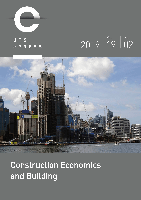
Construction Economics and Building
Transforming Construction Practices with Scholarly ExcellenceConstruction Economics and Building is a dynamic Open Access journal published by UNIV TECHNOLOGY, SYDNEY-UTS EPRESS, specifically tailored to address the intersection of construction, economics, and building technology. Established with the aim of advancing research and knowledge in the field, the journal has been openly accessible since 2010, allowing a wide audience of researchers, professionals, and students to engage with high-quality scholarly work. Although its Scopus coverage was discontinued between 2011 and 2014, the journal remains an important resource for those interested in construction economics, providing valuable insights and innovative perspectives on industry challenges and advancements. With a commitment to fostering collaboration and interdisciplinary research, Construction Economics and Building not only enhances academic discourse but also plays a vital role in shaping the future of construction practice and policy.
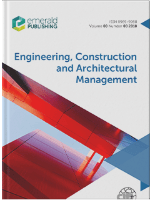
Engineering Construction and Architectural Management
Elevating Standards in Architectural and Construction ManagementEngineering Construction and Architectural Management is a prestigious journal published by Emerald Group Publishing Ltd, dedicated to advancing knowledge and practice at the intersection of engineering, architecture, and construction management. With an ISSN of 0969-9988 and an E-ISSN of 1365-232X, this journal fosters a scholarly environment for researchers, professionals, and students to explore innovative methodologies and developments within the field. Operating without Open Access, it has maintained a strong reputation since its inception in 1994, with a converged publication timeline extending to 2024. The journal proudly boasts a Q1 ranking in four critical categories for 2023, including Architecture and Building and Construction, highlighting its role as a leading source for groundbreaking research. Additionally, with impressive Scopus Rankings—such as #5 in Architecture (97th percentile) and #28 in Building and Construction (87th percentile)—it underscores its dedication to excellence in scholarly contributions. By addressing key challenges and emerging trends in the industry, Engineering Construction and Architectural Management serves as an essential resource for those striving to shape the future of engineering and architectural practices.
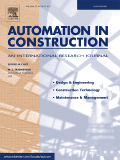
AUTOMATION IN CONSTRUCTION
Elevating Engineering Standards with Automation InsightsAUTOMATION IN CONSTRUCTION is a premier academic journal published by Elsevier, dedicated to advancing the fields of Building and Construction, Civil and Structural Engineering, and Control and Systems Engineering. Since its inception in 1992, this journal has served as a vital platform for disseminating innovative research and practical applications in automation technologies within the construction industry. With a distinguished 2023 impact factor reflected in its Q1 ranking across multiple engineering categories—securing rank #3 in Civil and Structural Engineering and rank #3 in Building and Construction—AUTOMATION IN CONSTRUCTION stands out as a leading resource for researchers, professionals, and students keen on staying at the forefront of this rapidly evolving field. The journal offers access to cutting-edge studies that explore automation processes, methodologies, and tools, contributing to the enhancement of productivity and sustainability in construction practices. With contributions from global experts, each issue of AUTOMATION IN CONSTRUCTION provides comprehensive insights that help drive innovation and foster collaboration.
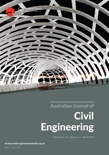
Australian Journal of Civil Engineering
Fostering Innovation in Civil and Structural PracticesThe Australian Journal of Civil Engineering, published by Taylor & Francis Ltd, stands as a pivotal platform within the field of civil and structural engineering. With an ISSN of 1448-8353 and an E-ISSN of 2204-2245, this journal consistently delivers high-quality research and innovative practices from both established and emerging scholars in the discipline. Recognized in the Q2 category for Civil and Structural Engineering in 2023, it holds a respectable position, ranking 146 out of 379 within its field according to Scopus, which places it in the 61st percentile. Converging valuable insights from 2011 through 2024, the journal encompasses a broad scope of topics, including sustainable infrastructure, innovative materials, and advanced construction techniques, thereby addressing contemporary challenges faced by engineering professionals. Though it is a traditional publication without open access options, the quality of the research featured ensures that it remains an essential resource for academics, practitioners, and students striving to enhance their knowledge and contribute to the dynamic field of civil engineering.
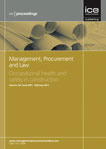
Proceedings of the Institution of Civil Engineers-Management Procurement and Law
Advancing civil engineering through management, procurement, and law.Proceedings of the Institution of Civil Engineers-Management Procurement and Law is an esteemed academic journal published by Emerald Group Publishing Ltd, dedicated to advancing knowledge in the fields of management, procurement, and law as they pertain to civil engineering. Operating from the United Kingdom, the journal covers a broad spectrum of topics, reflecting its interdisciplinary nature, and it is indexed with significant rankings, including Q3 in Business, Management and Accounting as well as Civil and Structural Engineering, and Q2 in Safety, Risk, Reliability and Quality for the year 2023. With its publication history extending from 2008 to 2024, it serves as an important platform for researchers, professionals, and students to engage with contemporary issues and innovations. Although it does not offer open access, the rigorous peer-review process ensures high-quality contributions, making it a vital resource for anyone involved in the civil engineering sector. The journal continues to influence best practices and policy-making in the industry, underscoring the crucial link between engineering management, procurement protocols, and legal considerations.

International Journal of Sustainable Construction Engineering and Technology
Transforming construction through sustainable methodologies.International Journal of Sustainable Construction Engineering and Technology is a pivotal publication in the evolving fields of building and construction, civil and structural engineering, and environmental engineering. Published by University Tun Hussein Onn Malaysia, this journal serves as a platform for the dissemination of innovative research and developments dedicated to sustainable practices in construction and engineering. With an ISSN of 2180-3242, this journal has been contributing to the academic community since its inception, with coverage from 2018 through 2024. While currently categorized in quartiles Q4 for both building and construction and civil engineering, and holding similar ranks in environmental engineering, the journal continues to strive for academic excellence and broader outreach. The journal, although currently not an open access platform, remains an important resource for professionals, researchers, and students aiming to explore sustainable methodologies and technologies in construction. We invite you to engage with cutting-edge studies that address environmental impacts in engineering and contribute to a sustainable future in infrastructure development.

Built Environment Project and Asset Management
Pioneering Insights in Architecture and Construction ManagementBuilt Environment Project and Asset Management is an esteemed academic journal published by Emerald Group Publishing Ltd, dedicated to advancing knowledge and research within the fields of architecture, building and construction, civil and structural engineering, and urban studies. With an impressive impact factor reflected in its Q1 and Q2 rankings across various categories, the journal serves as a critical platform for scholars, practitioners, and students seeking to explore the intersections of project management and asset optimization in the built environment. Covering a breadth of topics from sustainable construction practices to innovative management strategies, Built Environment Project and Asset Management promotes high-quality studies and practical applications that contribute significantly to the discipline. With a commitment to the dissemination of impactful research, this journal is a vital resource for those aiming to influence policy and practice in the evolving landscape of the built environment.
Gradevnski Materijiali I Konstrukcije-Building Materials and Structures
Innovating materials, building a resilient tomorrow.Gradevnski Materijiali I Konstrukcije - Building Materials and Structures is a premier open-access journal dedicated to advancing the field of construction materials and structural engineering. Published by SOC MATERIALS & STRUCTURES TESTING SERBIA, this journal provides a platform for researchers, professionals, and students to share their innovative findings and developments in building materials. With a commitment to open-access since 2012, it fosters unrestricted availability of research for a wider audience, encouraging collaboration and knowledge dissemination. The journal features a diverse range of topics, including material testing, structural integrity, and sustainable construction practices, making it a vital resource for those engaged in the design and analysis of structural components. By fostering the advancement of research and practice in this crucial sector, Gradevnski Materijiali I Konstrukcije plays an essential role in shaping the future of construction and material science.