Journal of Enabling Technologies
Scope & Guideline
Catalyzing Change Through Interdisciplinary Research
Introduction
Aims and Scopes
- Assistive Technology Development:
Research aimed at designing and developing assistive technologies that improve the functionality and independence of individuals with disabilities. - User-Centered Design:
Focus on participatory approaches that involve users in the design process of technologies, ensuring that the solutions are tailored to their specific needs and contexts. - Impact of Technology on Employment:
Exploration of how technology can facilitate employment opportunities for people with disabilities, including studies on digital work environments and remote work. - Educational Technologies for Disabilities:
Investigation of technology applications in educational settings, particularly for students with disabilities, to enhance learning experiences and accessibility. - Health and Rehabilitation Technologies:
Development and evaluation of technological interventions aimed at improving health outcomes and rehabilitation for individuals with various disabilities.
Trending and Emerging
- Artificial Intelligence and Machine Learning:
There is a significant increase in studies exploring the application of AI and machine learning in assistive technologies, particularly in communication aids and personalized learning. - Telehealth and Remote Support Technologies:
The rise of telehealth solutions, especially following the COVID-19 pandemic, showcases a growing trend in utilizing remote technologies for health care and therapy for individuals with disabilities. - Smart Technologies and IoT:
Emerging research on the use of smart technologies and the Internet of Things (IoT) in caregiving and daily living supports indicates a shift towards more integrated and intelligent solutions. - Community and Participatory Approaches:
A trend towards co-production and participatory design processes highlights the importance of involving disabled individuals and communities in the development of enabling technologies. - Focus on Invisible Disabilities:
Increased attention to the needs and challenges faced by individuals with invisible disabilities reflects a broader understanding of disability and the necessity for inclusive technology solutions.
Declining or Waning
- General Disability Studies:
Research that broadly addresses disability issues without a specific technological focus seems to be decreasing. The journal is leaning towards more applied technology-driven studies. - Traditional Assistive Devices:
Papers focusing on conventional assistive devices (e.g., basic mobility aids) are less prominent, as the emphasis shifts towards innovative and high-tech solutions. - Non-Digital Solutions:
There is a noticeable decline in research centered on non-digital or low-tech solutions, as the field increasingly prioritizes digitalization and advanced technologies.
Similar Journals

Interaction Design and Architectures
Pioneering Innovative Research in Architecture and InteractionInteraction Design and Architectures is a prominent open-access journal specializing in the intricate fields of interaction design, architecture, and beyond, published by INTERACTION DESIGN & ARCHITECTURES based in Italy. Since its inception in 2005, this journal has provided a vital platform for researchers, professionals, and students to disseminate their findings and insights in a rapidly evolving landscape. With an impressive H-index, it maintains rigorous academic standards and is recognized across several categories, achieving Q2 rankings in Architecture, Media Technology, and Social Sciences as of 2023, demonstrating its multidisciplinary appeal and significance in integrating diverse fields. The journal's committed editorial board and peer-review process ensure that high-quality research reaches its audience, promoting innovative discourse in interaction design and architecture. Access to this journal is facilitated through an open-access model, making the latest advances accessible to all interested parties. As the field continues to grow and adapt, Interaction Design and Architectures remains a cornerstone for impactful research and intellectual exchange.
Journal of Robotics and Mechatronics
Advancing the Future of Robotics and MechatronicsJournal of Robotics and Mechatronics, published by FUJI TECHNOLOGY PRESS LTD, stands at the forefront of innovation in the fields of robotics and mechatronics. Since its inception in 1989, this Open Access journal has become a vital resource for researchers, professionals, and students interested in advances that merge technology with mechanical systems, offering critical insights into practical applications and theoretical developments. With a commendable impact factor reflected in its Q2 rankings in both Computer Science (miscellaneous) and Electrical and Electronic Engineering, the journal serves as a platform for disseminating high-quality research and fostering academic collaborations. The journal enjoys wide accessibility since transitioning to Open Access in 2007, allowing for a global audience to engage with groundbreaking findings relevant to both industry and academia. Based in Tokyo, Japan, the Journal of Robotics and Mechatronics aspires to bridge the gap between research and practical implementation, encouraging the exploration of novel concepts and the sharing of scientific knowledge.

JOURNAL OF VISUAL IMPAIRMENT & BLINDNESS
Fostering innovation in visual impairment studies.JOURNAL OF VISUAL IMPAIRMENT & BLINDNESS, published by SAGE PUBLICATIONS INC, serves as a pivotal outlet for research and discourse in the field of visual impairment and blindness. Since its inception in 1977, this esteemed journal has been dedicated to advancing knowledge and promoting best practices in ophthalmology and rehabilitation, making it an essential resource for researchers, professionals, and students alike. The journal is currently ranked in the third quartile in both ophthalmology and rehabilitation, reflecting its substantial contributions to these fields (Scopus Ranks: Medicine _ Rehabilitation Rank #98/161, Medicine _ Ophthalmology Rank #92/137). Although it does not currently offer open access options, its rigorous peer-reviewed articles and comprehensive studies provide invaluable insights into the challenges and advancements in visual impairment, fostering a deeper understanding and improved outcomes for affected individuals. With a commitment to bridging the gap between research and practice, the JOURNAL OF VISUAL IMPAIRMENT & BLINDNESS remains a vital platform for disseminating innovative solutions and transformative ideas to enhance the lives of those with visual disabilities.
TECHNOLOGY AND DISABILITY
Pioneering Research at the Intersection of Ability and Innovation.TECHNOLOGY AND DISABILITY, published by IOS PRESS, is a pivotal journal residing at the intersection of technology, rehabilitation, and health informatics. Since its inception in 1992, this journal has provided a vital platform for disseminating innovative research and findings that focus on the application of technology in addressing the needs of individuals with disabilities. With an ISSN of 1055-4181 and an E-ISSN of 1878-643X, it is recognized for its contributions to the field despite its current Q4 quartile ranking in Biomedical Engineering and Health Informatics, alongside a respectable Q3 ranking in Rehabilitation as of 2023. This ranking reflects a commitment to advancing knowledge in a vital area that impacts many lives. Although the journal is not open access, its comprehensive scope encompasses a range of disciplines making it an essential resource for researchers, professionals, and students looking to explore the ongoing advancements at the nexus of technology and disability. Located in Amsterdam, The Netherlands, TECHNOLOGY AND DISABILITY remains a key publication for those dedicated to improving lives through technology.
Interactive Technology and Smart Education
Discovering the future of education, one article at a time.Interactive Technology and Smart Education is a leading academic journal published by EMERALD GROUP PUBLISHING LTD, dedicated to exploring the dynamic intersection of technology and education. With a robust impact factor signifying its significant contributions to the field, this journal consistently ranks in the Q1 quartile in categories such as Computer Science (Miscellaneous), Education, and E-learning, reflecting its prestige and wide-ranging influence. A staple for researchers, educators, and industry professionals, the journal addresses innovative practices and developments in interactive technologies that enhance teaching and learning experiences. Operating from its base in the United Kingdom, the journal spans nearly two decades of impactful publishing, featuring high-quality research that plays a crucial role in shaping the future of education through technology. Scholars seeking to stay at the forefront of this evolving field are encouraged to contribute and engage with the journal's pioneering work.
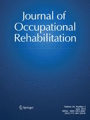
JOURNAL OF OCCUPATIONAL REHABILITATION
Elevating standards in rehabilitation practices.JOURNAL OF OCCUPATIONAL REHABILITATION, published by SPRINGER/PLENUM PUBLISHERS, is a leading journal in the fields of occupational therapy and rehabilitation. With an impressive impact factor and ranked in the Q1 category for both Occupational Therapy and Rehabilitation, this journal serves as a vital platform for researchers, practitioners, and educators to disseminate high-quality research findings, innovative practices, and theoretical advancements. Since its inception in 1991, the journal has continually evolved, reflecting the dynamic nature of the field and addressing critical challenges faced by health professionals. The journal is committed to promoting evidence-based approaches in occupational rehabilitation, fostering interdisciplinary collaboration, and enhancing the effectiveness of rehabilitation services. The ISSN for print submissions is 1053-0487, while the E-ISSN for electronic content is 1573-3688. With its strategic positioning in the top tiers of health professions and rehabilitation rankings on Scopus, the JOURNAL OF OCCUPATIONAL REHABILITATION is an essential resource for those seeking to advance their knowledge and impact practice in this critical area of healthcare.
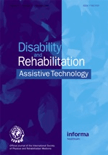
Disability and Rehabilitation-Assistive Technology
Transforming Challenges into Solutions with Assistive InnovationsDisability and Rehabilitation-Assistive Technology, published by Taylor & Francis Inc, is a leading journal dedicated to advancing research in the field of assistive technology, disability, and rehabilitation. With an ISSN of 1748-3107 and an E-ISSN of 1748-3115, this journal serves as a vital resource for researchers, clinicians, and professionals, providing high-quality, peer-reviewed articles that explore the latest innovations and methodologies in assistive technologies aimed at improving the quality of life for individuals with disabilities. The journal is recognized for its significant impact across multiple disciplines, achieving prestigious Q1 rankings in Rehabilitation and Speech and Hearing, and maintaining a solid position in Q2 across other relevant categories such as Biomedical Engineering and Orthopedics. As a collaborative platform for sharing knowledge and research findings, Disability and Rehabilitation-Assistive Technology plays a critical role in bridging the gap between technical advancements and practical applications in rehabilitation. Researchers and practitioners are encouraged to contribute and engage with the journal to enhance the collective understanding and efficacy of assistive technologies.

Computers and Education Open
Bridging the digital divide in education.Computers and Education Open is a pioneering open access journal published by Elsevier that focuses on advancing the field of educational technology and digital learning methodologies. Since its inception in 2020, the journal has provided a platform for researchers, educators, and practitioners to disseminate innovative findings and share insights related to the integration of computing technologies in educational settings. With its ISSN 2666-5573, this journal aims to bridge the gap between technology and education, fostering a collaborative environment for those dedicated to enhancing learning experiences through computational tools. Leveraging the rigorous standards of Elsevier's publishing excellence, Computers and Education Open attracts high-quality research that influences pedagogical practices and educational policies globally. The open access nature of the journal ensures that valuable knowledge is freely accessible, making it an essential resource for academics and professionals looking to stay at the forefront of educational advancements.
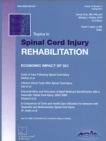
Topics in Spinal Cord Injury Rehabilitation
Fostering Knowledge for Optimal Recovery SolutionsTopics in Spinal Cord Injury Rehabilitation is a premier journal dedicated to advancing research and clinical practices in the field of spinal cord injury rehabilitation. Published by the American Spinal Injury Association, this journal focuses on providing up-to-date insights and innovative strategies to enhance recovery and quality of life for individuals with spinal cord injuries. With an impressive trajectory from 1998 to 2024, it is recognized within the Q2 category for Neurology (clinical), Physical Therapy, Sports Therapy and Rehabilitation, and Rehabilitation as of 2023. Although the journal is not open access, it remains a critical resource for healthcare professionals and researchers, boasting a solid impact in the Scopus rankings that positions it among the top quartiles in its categories. Researchers, clinicians, and students alike will find invaluable knowledge within its pages, supporting the ongoing evolution of therapeutic approaches and rehabilitation methodologies. For subscriptions and more details, contact AMER SPINAL INJURY ASSOC at 9702 Gayton Rd, Suite 306, Richmond, VA 23238, United States.

European Journal of Physical and Rehabilitation Medicine
Empowering Therapists: Unveiling Cutting-Edge Rehabilitation ResearchWelcome to the European Journal of Physical and Rehabilitation Medicine, the premier peer-reviewed journal focusing on advancements in the fields of physical therapy, sports therapy, and rehabilitation. Published by EDIZIONI MINERVA MEDICA, this journal has established itself as a leading resource since its inception in 2008, now enjoying an impressive Q1 ranking in these disciplines according to 2023 metrics. With an emphasis on rigorous research and innovative clinical practice, the journal facilitates the dissemination of high-quality, evidence-based studies, contributing to the enhancement of patient care and therapeutic strategies. As an Open Access platform since 2022, the journal widens its reach, enabling researchers, clinicians, and students across the globe to access valuable insights without barriers. Residing in Italy, the journal's focus transcends regional confines, engaging a vibrant international community aimed at improving rehabilitation outcomes. Join us in exploring the latest developments that shape the future of rehabilitation sciences.