JOURNAL OF THE HISTORY OF BIOLOGY
metrics 2024
Bridging Historical Context with Biological Innovation
Introduction
JOURNAL OF THE HISTORY OF BIOLOGY, published by Springer, stands as a vital academic resource devoted to examining the historical development of biological science and its philosophical dimensions. This esteemed journal, which has been in continuous publication since 1968 and encompasses research through 2024, is recognized for its significant contributions to the fields of Agricultural and Biological Sciences, and the History and Philosophy of Science, proudly holding a Q2 ranking in both categories as of 2023. With an ISSN of 0022-5010 and an E-ISSN of 1573-0387, it serves a diverse audience of researchers, professionals, and students interested in the interplay between biological advancements and historical context. The journal’s particular emphasis on interdisciplinary investigation provides a platform for innovative scholarship that enriches our understanding of not only the science itself but also its societal implications. While it does not currently offer open access, the rigor and reputation of the journal underscore its importance as a leading publication in the academic landscape of biological history.
Metrics 2024
 0.330.701.1038
Metrics History
Rank 2024
Scopus
IF (Web Of Science)
JCI (Web Of Science)
Quartile History
Similar Journals

Natural Sciences
Empowering researchers through open access to groundbreaking discoveries.Natural Sciences is a premier journal published by WILEY, dedicated to advancing the interdisciplinary field of natural sciences through the dissemination of high-quality research. With an ISSN of 2698-6248, this publication features original contributions that explore a wide range of topics including biology, chemistry, physics, and environmental science. Despite the current absence of an impact factor, the journal's commitment to rigorous peer-review ensures the integrity and relevance of its scholarly work. Situated at the forefront of scientific inquiry, Natural Sciences serves as a vital resource for researchers, professionals, and students looking to stay informed about the latest breakthroughs and methodologies in the natural sciences. Emphasizing open access principles, this journal strives to make cutting-edge research readily available to a global audience, fostering collaboration and innovation across disciplines.
Nuncius-Journal of the History of Science
Exploring the Crossroads of Science and HistoryNuncius - Journal of the History of Science, published by BRILL, is a vital resource dedicated to the exploration and analysis of the intricate relationship between science and its historical context. Established with the goal of fostering scholarly discussion, this journal serves as a platform for researchers and historians to present their findings and interpretations regarding the evolution of scientific thought. With an impact factor reflective of its academic rigor and ranked in the Q3 category in the field of History and Philosophy of Science, it offers a rich archive of articles spanning converged years from 1986 to 2024. Nuncius encourages submissions that advance the understanding of science's impact on society, culture, and its philosophical underpinnings, making it a key reference for those engaged in the histories that define modern scientific inquiry. Situated in the scholarly landscape of the Netherlands, Nuncius remains an essential read for professionals, students, and academics seeking to deepen their knowledge in this significant field.
THEORIA-REVISTA DE TEORIA HISTORIA Y FUNDAMENTOS DE LA CIENCIA
Pioneering Insights in Philosophy and History of ScienceTHEORIA-REVISTA DE TEORIA HISTORIA Y FUNDAMENTOS DE LA CIENCIA, published by the Servicio Editorial Universidad del País Vasco, is a leading open access journal dedicated to advancing the fields of History, Philosophy of Science, and related disciplines since its inception in 2003. With a robust impact factor placing it in the esteemed Q1 and Q2 quartiles in its respective categories, this journal serves as a crucial platform for researchers, professionals, and students who are engaged in profound discussions and analyses of scientific foundations and historical contexts. Based in Spain, THEORIA has consistently demonstrated its commitment to scholarly excellence, achieving notable rankings in Scopus, particularly in the fields of Arts and Humanities, where it holds a rank of #169 in Philosophy and #59 in History and Philosophy of Science. The journal not only allows immediate open access to its diverse range of articles, fostering global knowledge dissemination, but also aims to bridge connections across varied philosophical inquiries and historical explorations within science. Join the dialogue today in shaping the future understanding of our scientific heritage.
Biological Theory
Shaping the Future of Biological DiscourseBiological Theory is an esteemed academic journal published by Springernature, focusing on the interdisciplinary realms of ecology, evolution, behavior, and philosophy of science. With an ISSN of 1555-5542 and an E-ISSN of 1555-5550, the journal had its converged years from 2006 to 2011 and from 2013 to 2024, reflecting its commitment to ongoing scholarly dialogue. Notably, it holds a prestigious Q2 ranking in Ecology, Evolution, Behavior and Systematics, and an impressive Q1 ranking in History and Philosophy of Science, highlighting its influential role in shaping discussions across these fields. The journal is well-received in the academic community, with Scopus rankings placing it in the 88th percentile for History and Philosophy of Science and the 59th percentile for Ecology, demonstrating its broad impact and relevance. Researchers, professionals, and students can access cutting-edge theories and critical analyses of biological concepts that contribute to a deeper understanding of life sciences without an open access model, further emphasizing the journal's significance in both historical and contemporary scientific discourse.
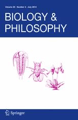
BIOLOGY & PHILOSOPHY
Deciphering the Philosophical Underpinnings of Biological ResearchBIOLOGY & PHILOSOPHY, published by SPRINGER, is a leading journal that explores the intricate and dynamic interplay between biology and philosophy. With an impressive impact factor in the Q1 category across multiple disciplines including Agricultural and Biological Sciences, History and Philosophy of Science, and Philosophy, this journal has firmly established itself as an essential resource for researchers, professionals, and students alike. Since its inception in 1986 and continuing through 2024, BIOLOGY & PHILOSOPHY fosters critical inquiry and discussion, inviting contributions that advance the understanding of biological sciences from philosophical perspectives. Although it operates under a traditional subscription model without Open Access options, its high Scopus rankings—#38 in Philosophy and #14 in History and Philosophy of Science—underscore its significance and influence in contemporary research. For those keen on delving deeper into the ethical, epistemological, and conceptual challenges posed by biological research, this journal serves as a compelling platform for groundbreaking scholarship.
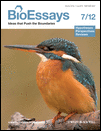
BIOESSAYS
Advancing the Frontiers of Biological UnderstandingBIOESSAYS, published by WILEY, is a leading academic journal dedicated to the dynamic fields of biochemistry, genetics, and molecular biology. With an impressive impact factor and recognized as a Q1 journal in its category for 2023, it ranks 49 out of 221 in the Scopus database, placing it within the 78th percentile among its peers. Since its inception in 1984, BIOESSAYS has served as a vital platform for researchers, professionals, and students, facilitating the dissemination of pivotal findings, innovative theories, and review articles that shape the current understanding of biological sciences. Although it does not offer open access, the journal remains key for those seeking to stay at the forefront of scientific discovery and discussion within this ever-evolving discipline. With its commitment to high-quality, peer-reviewed content, BIOESSAYS continues to influence future research directions and academic discourse.
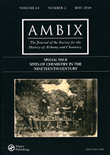
Ambix
Connecting Empirical Science with Philosophical PerspectivesAmbix, published by Taylor & Francis Ltd, is a distinguished journal specializing in the fields of Chemistry and the History and Philosophy of Science. With an ISSN of 0002-6980 and an E-ISSN of 1745-8234, Ambix has been a pivotal platform for scholars since its inception in 1937, providing a unique interdisciplinary perspective that bridges empirical science with philosophical inquiry. The journal is recognized for its rigorous peer-review process and maintains a solid impact within the academic community, reflected in its ranking in both the Q4 quartile for miscellaneous Chemistry and Q3 for History and Philosophy of Science. Despite not being an Open Access publication, it offers crucial insights for researchers and students seeking to deepen their understanding of the dynamics between scientific practices and philosophical thought. With articles spanning various eras and themes, Ambix remains an essential resource for those exploring the historical and conceptual dimensions of chemistry and the sciences more broadly. For further inquiries, the journal’s editorial office is based in the United Kingdom, specifically at 2-4 Park Square, Milton Park, Abingdon, OX14 4RN, Oxon, England.
STUDIES IN HISTORY AND PHILOSOPHY OF SCIENCE
Charting the Philosophical Landscape of Scientific ProgressSTUDIES IN HISTORY AND PHILOSOPHY OF SCIENCE, published by Elsevier Science Ltd, is a leading academic journal dedicated to the exploration of historical and philosophical dimensions of science. With both an ISSN of 0039-3681 and E-ISSN of 1879-2510, this esteemed journal has established itself as a pivotal resource since its inception in 1970 and continues to publish cutting-edge research reflecting the evolution of scientific thought. Situated in the United Kingdom, it is recognized for its high-impact contributions, boasting a Q1 ranking in both History and History and Philosophy of Science categories as of 2023. Researchers in the humanities will benefit from the journal’s rigorous analysis and insightful discussions, as evidenced by its competitive Scopus rankings—placing it in the 96th and 83rd percentiles in their respective fields. Although not an open-access journal, it maintains a commitment to scholarly excellence, aiming to foster a deeper understanding of the interconnections between historical context and philosophical inquiry in the scientific domain, making it an invaluable resource for students, professionals, and researchers alike.
ANNALS OF SCIENCE
Fostering Scholarly Discourse on Science's LegacyANNALS OF SCIENCE, published by Taylor & Francis Ltd, is a pivotal journal in the field of the History and Philosophy of Science, as evidenced by its Q3 categorization and a respectable Scopus rank of 99 out of 223, placing it in the 55th percentile among its peers. With a rich history dating back to its initial publication in 1936, the journal has made significant contributions to scholarly discourse, providing a platform for researchers and academics to explore the intricate connections between scientific developments and philosophical inquiries. The journal's commitment to rigorous academic research ensures that it remains a vital resource for professionals, educators, and students dedicated to understanding the evolution of scientific thought. Although it operates under traditional subscription models, the journal's importance in shaping modern scientific discussions cannot be overstated, making it an essential read for those engaged in the multifaceted study of science's history and philosophical implications.
THEORY IN BIOSCIENCES
Unlocking the Complexity of Biological SystemsTHEORY IN BIOSCIENCES, published by SPRINGER, is a prominent academic journal in the interdisciplinary fields of Applied Mathematics, Ecology, and Statistics. With an ISSN of 1431-7613 and an E-ISSN of 1611-7530, this journal is accessible to a global audience and facilitates Open Access options, ensuring that cutting-edge research reaches its intended audience promptly. Established in 1997 and set to converge into 2024, THEORY IN BIOSCIENCES holds a pivotal role in advancing theoretical and methodological approaches in biosciences, evidenced by its respectable placement in the Q3 quartile within the 2023 category rankings. Its Scopus rankings reflect a growing reputation, particularly in Mathematics and Ecology, making it an essential resource for researchers and professionals seeking to enhance their understanding of complex biological systems and data analysis techniques. Positioned in Germany and powered by SPRINGER's esteemed publishing standards, the journal is dedicated to fostering scholarly communication, offering a platform for innovative research that bridges theoretical frameworks and practical applications.