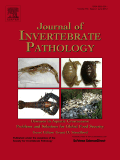
JOURNAL OF INVERTEBRATE PATHOLOGY
metrics 2024
Fostering Knowledge in Invertebrate Disease Mechanisms
Introduction
Journal of Invertebrate Pathology, published by Academic Press Inc. Elsevier Science, stands as a leading platform for the dissemination of cutting-edge research in the field of invertebrate pathology. With an impressive impact factor reflecting its prominence—ranking Q1 in the category of Ecology, Evolution, Behavior and Systematics and placing in the 84th percentile within its Scopus classification—you can trust that the contributions found within these pages are of the highest caliber. Established in 1965, this journal continues to attract a global audience of scholars, researchers, and professionals dedicated to exploring the intricate interplay between invertebrates and pathogens. While it operates under a traditional subscription model, the journal remains committed to advancing knowledge through rigorous peer-reviewed articles, comprehensive reviews, and enlightening case studies. With a broad convergence of topics from ecology to applied biological sciences, the Journal of Invertebrate Pathology is integral for anyone seeking to deepen their understanding or contribute to this vital area of study.
Metrics 2024
 0.823.603.10107
Metrics History
Rank 2024
Scopus
IF (Web Of Science)
JCI (Web Of Science)
Quartile History
Similar Journals
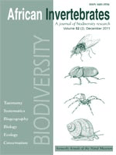
AFRICAN INVERTEBRATES
Fostering Innovation in Invertebrate ScienceAFRICAN INVERTEBRATES is a distinguished open-access academic journal published by the COUNCIL NATAL MUSEUM, specializing in the study of invertebrate biology within the vibrant ecosystems of Africa. Operating since 2006, this journal has established itself as a vital resource in the fields of Animal Science, Ecology, Evolution, Behavior, Insect Science, and Paleontology, earning a strong Q2 ranking in these categories as of 2023. With its ISSN 1681-5556 and E-ISSN 2305-2562, the journal provides unrestricted access to cutting-edge research, fostering collaboration among global researchers and professionals. AFRICAN INVERTEBRATES serves not only as a platform for high-quality scholarly articles but also aims to enhance the understanding of Africa's unique invertebrate fauna and the ecological challenges they face. With a commitment to innovation and excellence, the journal is pivotal for those looking to contribute to the discourse surrounding African biodiversity and conservation strategies.
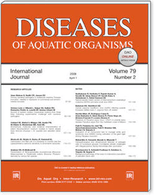
DISEASES OF AQUATIC ORGANISMS
Exploring the Frontiers of Aquatic Disease ManagementDiseases of Aquatic Organisms, published by Inter-Research in Germany, is a prominent academic journal with a focus on the study and management of diseases affecting aquatic organisms, including fish, mollusks, and corals. Since its inception in 1990, this journal has been a vital resource for researchers and professionals in the fields of aquatic science and ecology, evidenced by its Q2 ranking in both categories for 2023. With an ISSN of 0177-5103 and E-ISSN 1616-1580, it offers valuable insights and advancements in the understanding of aquatic health issues and their ecological implications. Though not an open-access journal, it maintains rigorous academic standards and fosters an international dialogue on emerging pathogens and their management, contributing significantly to the body of knowledge that informs sustainable practices in aquatic environments. As the field continues to evolve, Diseases of Aquatic Organisms remains a cornerstone for those dedicated to the preservation and study of aquatic biodiversity and ecosystem health.
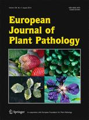
EUROPEAN JOURNAL OF PLANT PATHOLOGY
Connecting science and sustainability in agriculture.The EUROPEAN JOURNAL OF PLANT PATHOLOGY, published by SPRINGER, is a leading academic journal dedicated to advancing the understanding of plant pathology within the fields of Agronomy, Horticulture, and Plant Science. With an ISSN of 0929-1873 and an E-ISSN of 1573-8469, this journal has established its presence since its inception in 1994 and continues to serve as an essential resource for researchers, professionals, and students through 2024. The journal is ranked in the Q2 category in multiple scholarly domains and boasts impressive Scopus rankings, placing it in the 80th percentile for Horticulture and 69th percentile for Plant Science. Notably, it facilitates the dissemination of cutting-edge research and reviews that address critical challenges in plant health, disease management, and sustainable agricultural practices. Although the journal is not Open Access, it provides vital insights and contributes significantly to the scientific community, fostering collaboration and innovation in plant pathology.

Pathogens
Connecting Research to Real-World Disease ManagementPathogens is a leading open-access journal published by MDPI since 2012, dedicated to advancing the understanding of infectious agents and their interactions with hosts in the fields of immunology, microbiology, and molecular biology. Based in Switzerland, this journal plays a crucial role in disseminating high-quality research that spans from fundamental studies of pathogen biology to the implications for global health and disease management. With a commendable impact factor and prestigious Q2 rankings across multiple categories—including Immunology and Microbiology—Pathogens ensures visibility and accessibility for groundbreaking findings. The journal embraces the ethos of open access, allowing researchers, professionals, and students to access critical research anytime, facilitating a collaborative and innovative academic environment. By bridging the gap between research and application, Pathogens is instrumental in shaping the future of infectious disease research and management.
INFECTION GENETICS AND EVOLUTION
Unraveling the Genetic Tapestry of Infectious DiseasesINFECTION GENETICS AND EVOLUTION is a premier scholarly journal published by Elsevier, focusing on the dynamic field of infection genetics and evolutionary biology. Since its inception in 2001, this journal has emerged as a critical platform for the dissemination of cutting-edge research, bridging the gap between molecular genetics, evolutionary theory, and infectious disease study. With an influence profound enough to secure its status in the Q1 category for Ecology, Evolution, Behavior and Systematics and impressive Q2 rankings in Genetics, Infectious Diseases, and Microbiology, the journal offers researchers unparalleled insights that advance the understanding of pathogen evolution and host interactions. Despite the lack of Open Access, the research published in this journal significantly contributes to the academic discourse and informs public health approaches. By publishing high-quality studies and reviews through 2024, INFECTION GENETICS AND EVOLUTION remains indispensable for academics, professionals, and students seeking to explore the intricate mechanisms of infection and adaptation in various organisms.

Ticks and Tick-Borne Diseases
Exploring the intricate world of ticks and their diseases.Ticks and Tick-Borne Diseases, published by Elsevier GmbH, is a premier journal dedicated to advancing the field of infectious diseases related to tick-borne pathogens. With an ISSN of 1877-959X and an E-ISSN of 1877-9603, this journal has established itself as a leading platform for disseminating high-quality research, offering essential insights into the complexities of tick biology, transmission, and the diverse pathogens they carry. Recognized for its significant contributions, the journal holds a prestigious Q1 ranking in categories such as Infectious Diseases and Parasitology and maintains an impressive reputation with a Scopus rank of 16/181 in Insect Science. With publication spanning from 2010 to 2024, Ticks and Tick-Borne Diseases is crucial for academics, professionals, and students engaged in the interdisciplinary study of tick ecology, epidemiology, and control strategies. Submissions to this journal foster the exchange of ideas and encourage innovative research efforts, ultimately enhancing our understanding and management of tick-borne diseases on a global scale.
JOURNAL OF FISH DISEASES
Advancing aquatic health through innovative research.JOURNAL OF FISH DISEASES, published by WILEY, stands as a preeminent peer-reviewed journal in the fields of aquatic science and veterinary medicine. With its ISSN 0140-7775 and E-ISSN 1365-2761, this journal has been a leading platform for disseminating groundbreaking research since its inception in 1978. Recognized for its excellence, it boasts a Q1 ranking in both Aquatic Science and Veterinary (miscellaneous) categories for 2023, affirming its vital role in advancing knowledge in fish pathology and health management. The journal engages a diverse audience of researchers, professionals, and students committed to tackling fish diseases and enhancing aquaculture practices. Although it does not offer open access, the journal ensures high visibility and accessibility to key research findings that impact aquatic ecosystems and veterinary practices globally. With a commitment to fostering innovation, the JOURNAL OF FISH DISEASES continues to shape the future of aquatic health research well into its convergence through 2024.
ACS Infectious Diseases
Shaping the Future of Infectious Disease ResearchACS Infectious Diseases is a premier journal in the field of infectious diseases, published by the American Chemical Society. With an impressive Impact Factor that places it in the Q1 category for Infectious Diseases in 2023, the journal serves as an essential resource for researchers, healthcare professionals, and students dedicated to the study of infectious agents and their impact on public health. Established in 2015, the journal is committed to publishing cutting-edge research that enhances our understanding of infectious diseases and fosters the development of innovative interventions. Although not an open access journal, it provides a platform for high-quality research that influences policies and practices in the field. With an address located at 1155 16TH ST, NW, WASHINGTON, DC 20036, ACS Infectious Diseases is an authoritative voice in advancing the science and practice of infectious disease management.

ISJ-Invertebrate Survival Journal
Empowering Research on Invertebrate ResilienceISJ-Invertebrate Survival Journal is a prestigious publication dedicated to advancing our understanding of invertebrate biology, ecology, and conservation. Published by the Invertebrate Survival Journal, this journal has been an open access platform since 2004, ensuring that critical research is accessible to a global audience. With an ISSN of 1824-307X, it engages scholars and researchers by disseminating significant findings in the realm of animal science and zoology, where it enjoys a respectable Q3 ranking in its 2023 category quartiles. Situated in Italy, specifically at the University of Modena & Reggio Emilia, the journal fosters a collaborative environment for scientists seeking to explore the complexities of invertebrate life. As of 2023, it holds a Scopus rank of #235/490 in the agricultural and biological sciences sector, firmly positioning itself in the 52nd percentile among its peers. ISJ serves as an invaluable resource for researchers, professionals, and students aiming to contribute to the conservation and understanding of invertebrate species globally.
CANADIAN JOURNAL OF PLANT PATHOLOGY
Elevating the understanding of plant diseases for a sustainable future.Canadian Journal of Plant Pathology, published by Taylor & Francis Inc, is a leading academic journal dedicated to advancing the field of plant pathology, with a significant focus on the interplay between plant health and environmental factors. Established in 1979, this journal has established a reputation for high-quality research, currently holding a commendable impact factor within its category. As of 2023, it ranks in the Q2 quartile for both Agronomy and Crop Science as well as Plant Science, highlighting its importance and influence in these domains. With an impressive ranking of 142/516 in Plant Science and 115/406 in Agronomy and Crop Science according to Scopus, the journal is positioned within the 72nd and 71st percentiles, respectively. The Canadian Journal of Plant Pathology serves as a vital platform for researchers, professionals, and students aiming to contribute to the understanding of plant diseases, fostering innovation and development in agricultural practices.