Journal of Islamic Archaeology
metrics 2024
Illuminating the Past Through Islamic Perspectives
Introduction
Journal of Islamic Archaeology is a distinguished publication dedicated to advancing the field of archaeology through the lens of Islamic heritage and culture. Published by EQUINOX PUBLISHING LTD, this journal provides a platform for researchers, professionals, and students to disseminate their findings and engage in critical dialogue regarding the archaeological aspects of Islamic societies from 2014 to the present. With an ISSN of 2051-9710 and E-ISSN 2051-9729, the journal is indexed within significant academic databases and positioned notably in the Q3 and Q2 quartiles for archaeology in the Arts and Humanities and Social Sciences categories, respectively. The journal fosters scholarly exchange and innovation, drawing attention to the rich tapestry of Islamic archaeology, and securing its role as an essential resource for practitioners and academics alike. Its commitment to rigorous peer-review and high-quality contributions ensures a valuable repository of knowledge, enhancing the understanding of an often underrepresented field in archaeology.
Metrics 2024
 0.190.700.709
Metrics History
Rank 2024
Scopus
JCI (Web Of Science)
Quartile History
Similar Journals
NEAR EASTERN ARCHAEOLOGY
Bridging Past and Present Through Archaeological InquiryNEAR EASTERN ARCHAEOLOGY, published by University of Chicago Press, is a premier journal dedicated to the field of archaeology, particularly focusing on the rich cultural heritage and archaeological findings of the Near East. With an ISSN of 1094-2076 and an E-ISSN of 2325-5404, this esteemed publication provides a vital platform for scholars and practitioners to share their research, insights, and discoveries. The journal holds an impressive ranking in the Q1 quartile for both Archaeology and History in 2023, reflecting its significant impact within these fields and a robust history of scholarly contribution. The journal has been pivotal in shaping discussions around archaeological methodology, theory, and contemporary issues from 2002 to 2024, as it continues to reach a wide audience through various access options. With Scopus rankings placing it in the top percentiles for both History and Archaeology, NEAR EASTERN ARCHAEOLOGY represents an essential resource for researchers, professionals, and students alike, fostering the exploration and understanding of the region's archaeological narrative.
Hawwa
Connecting Cultures: Gender Perspectives Unveiled.Hawwa is a distinguished academic journal published by BRILL, focusing on the intersections of culture, gender, and society. Established in the Netherlands, this journal has been a crucial platform for scholarly discourse since its inception in 2003. With an ISSN of 1569-2078 and an E-ISSN of 1569-2086, it serves as a vital resource for researchers and students alike, exploring the complexities of gender dynamics within various cultural contexts. In the rapidly evolving fields of Cultural Studies, Gender Studies, and Sociology and Political Science, Hawwa has achieved significant recognition, reflected in its 2023 Quartile Rankings (Q2 in Cultural Studies, Q3 in both Gender Studies and Sociology/Political Science) and commendable positions in the Scopus rankings. Although not an open-access journal, Hawwa maintains a commitment to fostering academic excellence and interdisciplinary dialogue, making it an essential read for those engaged in contemporary social theory and cultural analysis.

Vjesnik Arheoloskog Muzeja u Zagrebu
Pioneering Open Access in Archaeological ScholarshipVjesnik Arheoloskog Muzeja u Zagrebu, published by the ARHEOLOSKI MUZEJ & ZAGREBU, is a vital platform for disseminating scholarly research in the field of archaeology. With its Open Access model established in 2007, the journal ensures that vital archaeological findings and theories are accessible to a global audience, fostering greater collaboration and knowledge-sharing among researchers, professionals, and students. The journal is based in Croatia and has been an essential part of the academic landscape since its inception, with convergence noted in years such as 1979 and 1981, and continuing consistently from 2014 to 2023. While it currently holds a Q4 ranking in both the Arts and Humanities and Archaeology categories, its contributions to the understanding of archaeological heritage in the region are invaluable. Positioned within the 30th percentile among its peers in Scopus rankings, the journal endeavors to elevate the discourse around archaeological practices and findings, making it an important resource for anyone engaged in the pursuit of archaeological knowledge.
International Journal of Islamic Architecture
Fostering Critical Discourse in Global Architectural PracticesThe International Journal of Islamic Architecture, published by INTELLECT LTD in the United Kingdom, is a pivotal scholarly resource dedicated to the exploration of Islamic architecture, design, and cultural expressions within a contemporary framework. With ISSN 2045-5895 and E-ISSN 2045-5909, this journal targets an interdisciplinary audience by bridging the gap between architecture, geography, urban studies, and the arts. Established in 2012, it has swiftly garnered recognition, achieving notable rankings such as Q3 in Architecture and Q2 in Visual Arts and Performing Arts by 2023. Although it currently does not offer open access, its articles are meticulously peer-reviewed, ensuring high academic standards and relevance. Emphasizing the significance of Islamic architectural heritage in global contexts, the journal seeks to foster innovative perspectives and critical discourse, making it an essential platform for researchers, professionals, and students alike to engage with contemporary architectural practices and cultural dialogues.

Prilozi Instituta za Arheologiju u Zagrebu
Connecting scholars to the rich tapestry of Croatia's archaeological heritage.Prilozi Instituta za Arheologiju u Zagrebu is a prominent academic journal published by INST ARHEOLOGIJU, dedicated to advancing the field of archaeology and related historical studies. Operating in Croatia, this journal serves as a vital platform for scholars, researchers, and students to disseminate innovative research and insights within the realm of archaeology, with a focus on the rich cultural heritage of the region. The journal spans contributions from 2002 to 2011 and has ongoing publication since 2013, reflecting its commitment to contemporary archaeological discourse. With a growing reputation, it has achieved a Q3 ranking in the fields of Archaeology and Arts and Humanities, and a Q2 ranking in History, signifying its impact and relevance in the academic community. Although Open Access options are not available, the journal remains an essential resource for those pursuing in-depth knowledge and research in archaeology. Researchers can harness the journal's extensive scope to explore critical historical narratives and archaeological findings, solidifying its importance in both local and global contexts.
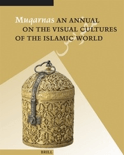
Muqarnas-An Annual on the Visual Cultures of the Islamic World
Unveiling the Depths of Islamic Artistic TraditionsMuqarnas: An Annual on the Visual Cultures of the Islamic World, published by BRILL, stands as a seminal contribution to the academic discourse surrounding the visual cultures intrinsic to Islamic societies. With its ISSN 0732-2992 and E-ISSN 2211-8993, this prestigious journal, based in the Netherlands, has been a vital resource for scholars since its inception in 1985. Specializing in the intersection of Cultural Studies, History, and Visual Arts, Muqarnas is recognized as a Q1 journal in Visual Arts and Performing Arts and maintains strong positions in other academic categories, underscored by impressive Scopus rankings. Offering a deep exploration of visual traditions and practices, the journal fosters a broader understanding of Islamic art and architecture's historical contexts, contributing significantly to its field. With its rigorous peer-review process and commitment to scholarly excellence, Muqarnas invites researchers, professionals, and students to engage with the rich tapestry of Islamic visual culture, ensuring its relevance and importance for contemporary scholarship.

OLBA
Empowering Researchers to Discover the UnseenOLBA is a distinguished journal in the field of archaeology, published by Mersin University Publications Research Center Cilician Archaeology in Turkey. With an ISSN of 1301-7667, this academic journal has been a platform for scholarly discourse from 2009 to 2014 and again from 2016 to 2019, with a recent volume published in 2022. Although it is currently categorized in the fourth quartile (Q4) for both Arts and Humanities and Social Sciences within archaeology, OLBA continues to contribute significantly to the global archaeology community. It serves as an essential resource for researchers, professionals, and students interested in the diverse aspects of archaeological studies and cultural heritage. Despite not being an open-access journal, OLBA strives to disseminate knowledge effectively, aiding in the exploration of ancient civilizations and the rich tapestry of human history. Its Scopus rankings, placing it in the bottom percentiles, demonstrate the ongoing need for the community to support and engage with the journal to enhance its visibility and impact in the archaeological domain.

Islamic Africa
Exploring the Rich Tapestry of Islamic Culture in AfricaIslamic Africa, published by BRILL, is a vital academic journal that serves as a scholarly platform dedicated to the exploration of Islamic culture and its multifaceted interactions with the African continent. With a focus on cultural studies, history, literature and literary theory, religious studies, and the social sciences, this journal invites contributions that deepen our understanding of the historical and contemporary dynamics of Islam in Africa. Although categorized in various quartiles, it holds significance as a resource for researchers and students, particularly those engaged in areas ranked within the Q3 and Q4 categories. Since its inception, Islamic Africa has evolved through converged years, actively promoting interdisciplinary dialogue among scholars. With its commitment to high-quality research, this journal aims to illuminate the complexities of Islamic traditions and societies in Africa, fostering a deeper appreciation of their contributions to global cultural heritage.
Journal of Islamic Studies
Fostering Dialogue in the Realm of Islamic StudiesJournal of Islamic Studies, published by Oxford University Press, serves as a pivotal platform for the dissemination of research in the dynamic fields of Islamic culture, history, and literature. With an ISSN of 0955-2340 and an E-ISSN of 1471-6917, this esteemed journal has established itself within the upper echelons of academic scholarship, holding a Q1 ranking in Cultural Studies, History, Literature and Literary Theory, and Religious Studies as of 2023. Its distinguished standing among peers is further evidenced by Scopus rankings that place it within the 97th percentile for Literature and Literary Theory and the 91st percentile for both Religious Studies and History. Aimed at researchers, professionals, and students alike, the journal spans a broad temporal focus from 1990 to 1996 and continues from 2009 to 2024, nurturing vital discourse on Islamic studies without the barrier of open access. With its rich repository of articles, the Journal of Islamic Studies remains an essential source for advancing understanding and scholarship in a rapidly evolving academic landscape.
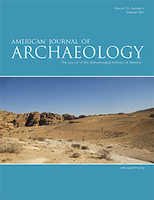
AMERICAN JOURNAL OF ARCHAEOLOGY
Connecting Cultures Through Archaeological DiscoveriesThe American Journal of Archaeology (ISSN: 0002-9114, E-ISSN: 1939-828X), published by the esteemed University of Chicago Press, stands as a leading scholarly journal in the field of archaeology, celebrated for its rigorous peer-reviewed research. With an impressive impact factor that places it in the Q1 quartile for both archaeology and archaeology within the arts and humanities, this journal ranks among the top 15% in its field, according to Scopus metrics. It serves a global audience of researchers, professionals, and students, facilitating the dissemination of innovative findings from excavations, historical analyses, and methodological advancements. While primarily available through subscription, the journal's archives and features provide invaluable resources for deepening one's understanding of the past and engaging with current archaeological discourse. Operating from its home in Chicago, USA, the American Journal of Archaeology actively contributes to the advancement of knowledge and scholarship in archaeology, making it an essential platform for those invested in the exploration of ancient civilizations and cultural heritage.