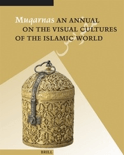
Muqarnas-An Annual on the Visual Cultures of the Islamic World
metrics 2024
Exploring the Rich Tapestry of Islamic Visual Culture
Introduction
Muqarnas: An Annual on the Visual Cultures of the Islamic World, published by BRILL, stands as a seminal contribution to the academic discourse surrounding the visual cultures intrinsic to Islamic societies. With its ISSN 0732-2992 and E-ISSN 2211-8993, this prestigious journal, based in the Netherlands, has been a vital resource for scholars since its inception in 1985. Specializing in the intersection of Cultural Studies, History, and Visual Arts, Muqarnas is recognized as a Q1 journal in Visual Arts and Performing Arts and maintains strong positions in other academic categories, underscored by impressive Scopus rankings. Offering a deep exploration of visual traditions and practices, the journal fosters a broader understanding of Islamic art and architecture's historical contexts, contributing significantly to its field. With its rigorous peer-review process and commitment to scholarly excellence, Muqarnas invites researchers, professionals, and students to engage with the rich tapestry of Islamic visual culture, ensuring its relevance and importance for contemporary scholarship.
Metrics 2024
 0.170.700.5024
Metrics History
Rank 2024
Scopus
JCI (Web Of Science)
Quartile History
Similar Journals

Boletin de Arte-UMA
Fostering Global Dialogue in Visual and Performing ArtsBoletin de Arte-UMA is a distinguished academic journal published by the University of Malaga, Department of History of Art, focusing on the rich interplay between history, visual arts, and performing arts. Operating under an Open Access model since 2013, this journal ensures that valuable research is freely available for scholars and practitioners worldwide. With an impact factor currently reflecting its academic rigor through its Q2 ranking in History and Q1 ranking in Visual Arts and Performing Arts, Boletin de Arte-UMA serves as a vital platform for cutting-edge research, critical analysis, and the promotion of cultural heritage studies. Based in Malaga, Spain, the journal not only provides insights into its thematic scope but also fosters a global dialogue among researchers, professionals, and students passionate about the visual and performing arts.
Convivium-Exchanges and Interactions in the Arts of Medieval Europe Byzantium and the Mediterranean
Celebrating the Exchange of Ideas in the Arts of the PastConvivium - Exchanges and Interactions in the Arts of Medieval Europe Byzantium and the Mediterranean, published by Masarykova University, is a dedicated platform for scholarly discourse in the fields of Classics, History, and the Visual Arts and Performing Arts. Since its inception in 2017, this journal has aimed to enrich our understanding of the intricate cultural interconnections between medieval Europe, Byzantium, and the Mediterranean region, standing as an important resource for researchers, professionals, and students alike. While the journal is published in an open-access format, enabling wider dissemination of knowledge, it currently holds a respectable Q3 quartile ranking across its categories in 2023, reflecting its increasing reputation in the academic community. Although the journal is based in Belgium, its scholarly reach is truly international, as evidenced by its varied contributions. Engage with Convivium to explore the rich tapestry of medieval art and thought, and contribute to the ongoing dialogue about our shared cultural heritage.

Taida Journal of Art History
Exploring the rich tapestry of Taiwan's artistic heritage.Taida Journal of Art History, published by NATIONAL TAIWAN UNIVERSITY, GRADUATE INSTITUTE OF ART, is a pioneering academic journal dedicated to the exploration and critique of art history, particularly within the unique cultural context of Taiwan. Since its inception in 2018, the journal has become an important platform for scholarly discourse, offering insights into the evolution of visual arts and performing arts, alongside comprehensive studies in history. With an ISSN of 1023-2095, it currently ranks within the Q4 category in Arts and Humanities (Miscellaneous) and the Q3 category in History and Visual Arts and Performing Arts, indicating its growing influence in these fields. Researchers, professionals, and students alike can benefit from its rigorous peer-reviewed articles that bridge theoretical frameworks with practical applications, making it an essential resource for those engaged in the arts and humanities. This commitment to fostering academic excellence is reflected in its Scopus rankings, where it stands at Rank #338/667 in Visual Arts and Performing Arts and Rank #1027/1760 in History. Engage with the Taida Journal of Art History to gain deeper insights into the evolving narratives of artistic expression.
Asian Diasporic Visual Cultures and the Americas
Fostering Dialogue on Identity and Visual Culture Across BordersAsian Diasporic Visual Cultures and the Americas is a pioneering journal published by BRILL, dedicated to exploring the intersections of visual culture, identity, and diaspora within the context of the Americas. With an ISSN of 2352-3077 and E-ISSN of 2352-3085, this journal has established itself as a significant resource for academics, researchers, and students interested in the visual arts and their broader social implications. Since its inception in 2015, the journal has been committed to fostering interdisciplinary dialogue, providing a platform for innovative research that examines how Asian diasporic communities express their identities through visual mediums. Despite its relatively recent establishment, it endeavors to challenge and expand the narratives related to visual arts in a diverse and globalized world. Though the journal currently does not offer open access options, it remains a vital asset for those engaged in understanding the critical dynamics of race, ethnicity, and culture in contemporary visual practices. Converging insights from both the arts and social sciences, this journal invites contributions that illuminate the complexities of diasporic experiences, making it a pertinent choice for those aiming to contribute to this evolving field.

Quiroga-Revista de Patrimonio Iberoamericano
Bridging Disciplines: Where Art Meets PreservationQuiroga-Revista de Patrimonio Iberoamericano, published by UNIV GRANADA, is a distinguished open-access journal dedicated to the fields of conservation, museology, and the visual and performing arts. Since its inception in 2012, the journal has provided a platform for scholars and practitioners to disseminate innovative research and critical discussions pertinent to Ibero-American heritage. With a growing impact, evidenced by its category quartiles ranking—Q3 in Conservation and Q2 in both Museology and Visual Arts and Performing Arts—as well as its Scopus rankings, Quiroga serves as an essential resource for researchers, professionals, and students who engage with the complexities of cultural preservation and artistic expression. The journal’s commitment to open access ensures the widespread availability of knowledge, fostering academic dialogue and collaboration within the global community. For inquiries, the journal can be reached at their offices located in Granada, Spain.
ZEITSCHRIFT FUR KUNSTGESCHICHTE
Cultivating a Legacy of Art Historical ScholarshipZEITSCHRIFT FUR KUNSTGESCHICHTE is a prestigious journal dedicated to the study of art history, offering insightful analyses and discussions that enrich the understanding of visual arts and performing arts. Published by DEUTSCHER KUNSTVERLAG GMBH in Germany, this journal has established itself as a significant platform for researchers and professionals alike since its inception. With a print ISSN of 0044-2992 and an e-ISSN of 2569-1619, it spans a comprehensive range of topics in art history, reflecting both traditional and contemporary perspectives. Although categorized in the Q4 quartile for Visual Arts and Performing Arts, the journal contributes to a rich dialogue within its field, aiming to foster academic discourse and promote scholarly research. Its scope has evolved notably from converged years starting in 1975 and gathering strength from 2001 to 2024, and it is committed to serving as an essential resource for students, academics, and practitioners in the arts. While not offering open access, the journal maintains a rigorous peer-review process to ensure high-quality submissions that advance knowledge and stimulate critical thought.

Iconographica
Advancing Scholarly Discourse in Visual CultureIconographica is an esteemed journal published by SISMEL EDIZIONI GALLUZZO, dedicated to the exploration of cultural narratives through visual arts and performing arts. Based in Italy, this journal has been providing a platform for scholarly discourse from 2015 to 2023, and it serves as an important resource for researchers, professionals, and students interested in these interdisciplinary fields. Although indexed in the Q4 quartile for both Cultural Studies and Visual Arts, this journal offers valuable insights that encourage the examination and understanding of visual culture. While currently operating without an open access model, its rigorous peer-review process ensures high-quality academic contributions that reflect the evolving dynamics within these areas of study. Set against the backdrop of a rapidly transforming cultural landscape, Iconographica aims to foster engagement, inspire innovative perspectives, and cultivate a deeper appreciation for the interplay between culture and visual representation.
ART HISTORY
Celebrating the Diversity of Artistic Expression Through the AgesART HISTORY is a prestigious journal published by Wiley, focusing on the dynamic and diverse field of visual arts and performing arts since its inception in 1978. With an ISSN of 0141-6790 and an E-ISSN of 1467-8365, the journal has established itself as a significant resource for researchers, professionals, and students interested in exploring the complexities of art across various epochs and cultures. Currently ranked in the Q3 category within the Visual Arts and Performing Arts sector and positioned at #132 out of 667 in Scopus rankings—representing the top 80th percentile—ART HISTORY delivers insightful scholarship that contributes to the understanding and appreciation of art history. Although it does not offer open access, the journal remains committed to publishing high-quality, peer-reviewed articles that delve into critical artistic practices, theories, and aesthetics. The journal's location in the United Kingdom further enhances its international reach and influence, making it a vital platform for advancing discourse in the arts.

ARTIBUS ASIAE
Exploring the Intersection of Art and ArcheologyARTIBUS ASIAE, published by ARTIBUS ASIAE, is a distinguished journal focused on the fields of Archeology and Visual Arts and Performing Arts. Based in Switzerland and with a history of converged years from 2002 to 2024, this journal serves as a vital platform for scholarly discourse and research dissemination within the arts and humanities. Although it currently does not offer open access, ARTIBUS ASIAE maintains a commitment to academic integrity and quality, as evidenced by its presence in Scopus rankings, which places it in the Q4 tier for both Archeology and its niche in the arts and humanities, while achieving a Q3 ranking in Visual Arts and Performing Arts. With an emphasis on advancing knowledge and understanding across various disciplines, ARTIBUS ASIAE is an essential resource for researchers, professionals, and students seeking to enrich their understanding and contribute to the ongoing dialogue in these significant areas of study.

STORIA DELL ARTE
Illuminating Visual Culture Through TimeSTORIA DELL ARTE is a notable journal dedicated to the rich exploration of art history and its varied facets, published by LUCA EDITORI ARTE ROMA. With an ISSN of 0392-4513, this publication serves as a vital resource for researchers, professionals, and students in the fields of Visual Arts and Performing Arts. Although the journal's coverage in Scopus has been discontinued from 2014, it has been recognized in the Scopus ranking as positioned within the 31st percentile among 374 entries in its category, highlighting its relevance in the realm of arts and humanities. While it does not offer open access, the journal's commitment to enriching the discourse on art history makes it an essential read for anyone interested in visual culture and historical contexts. Based in the heart of Rome, at VIA NOVELLA, 22, ROMA 00199 RM, ITALY, STORIA DELL ARTE continues to inspire scholarly discussion and contribute valuable insights to the academic community.