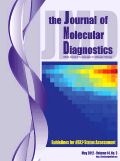
JOURNAL OF MOLECULAR DIAGNOSTICS
Scope & Guideline
Exploring the forefront of diagnostics for a healthier tomorrow.
Introduction
Aims and Scopes
- Molecular Diagnostic Techniques:
The journal extensively covers various molecular diagnostic techniques, including next-generation sequencing (NGS), polymerase chain reaction (PCR), and digital droplet PCR, highlighting their applications in clinical settings. - Cancer Genomics:
A significant focus on cancer genomics is evident, with research aimed at identifying genetic alterations in tumors, understanding tumor heterogeneity, and developing targeted therapies based on genomic profiles. - Clinical Utility of Molecular Testing:
Emphasis on the clinical utility of molecular testing for various conditions, including cancer, infectious diseases, and genetic disorders, to enhance patient management and treatment outcomes. - Consensus Guidelines and Recommendations:
The journal publishes consensus guidelines and recommendations from leading professional societies to standardize molecular diagnostic practices and ensure high-quality laboratory results. - Innovative Biomarker Discovery:
Research on discovering novel biomarkers for early disease detection and monitoring, particularly in oncology and hereditary conditions, is a core aspect of the journal's scope.
Trending and Emerging
- Liquid Biopsy Technologies:
Research on liquid biopsy technologies, particularly for cancer diagnostics and monitoring, is rapidly increasing, showcasing the potential for non-invasive testing methods to provide critical insights into tumor dynamics. - Integration of Artificial Intelligence:
The application of artificial intelligence and machine learning in analyzing genomic data and improving diagnostic accuracy is gaining traction, with numerous studies exploring innovative computational approaches. - Pharmacogenomics:
Increasing attention is being directed toward pharmacogenomics, with studies focusing on how genetic variations affect drug response, aiming to personalize treatment strategies for better outcomes. - Microbiome Research:
Emerging research on the human microbiome's role in health and disease, particularly its impact on cancer and infectious diseases, is becoming a key area of exploration within the journal. - Molecular Pathology and Personalized Medicine:
There is a growing trend toward integrating molecular pathology into personalized medicine frameworks, with research aimed at tailoring treatments based on individual genetic profiles and tumor characteristics.
Declining or Waning
- Traditional Cytogenetics:
There is a noticeable decline in publications focused on traditional cytogenetic methods, such as karyotyping and fluorescence in situ hybridization (FISH), as molecular techniques like NGS become the preferred approach for genomic analysis. - Basic Molecular Biology Techniques:
Basic molecular biology techniques, such as Sanger sequencing and conventional PCR, are being overshadowed by high-throughput and more sensitive methods, leading to fewer publications in these areas. - Single-Condition Focus Studies:
Research that focuses solely on single conditions without exploring broader implications or multi-condition approaches is becoming less common, as the trend shifts toward integrative and multi-faceted studies. - Non-Clinical Applications of Diagnostics:
There is a waning interest in the applications of molecular diagnostics outside clinical settings, such as environmental monitoring or food safety, as the journal increasingly centers on clinical relevance and patient care.
Similar Journals

Biomarker Research
Catalyzing collaboration in the world of biomarker research.Biomarker Research is a leading open access journal published by BMC, dedicated to advancing the field of biomarker discovery and clinical application. Since its inception in 2013, this journal has become a crucial resource for researchers and professionals in biochemistry, clinical biochemistry, and molecular medicine, achieving a prestigious Q1 ranking in each category in 2023. With an E-ISSN of 2050-7771, it maintains a strong reputation for disseminating high-quality research and innovative findings that contribute to the understanding of disease mechanisms and the development of novel diagnostics and therapeutics. The journal is accessible to a global audience, ensuring that vital research is freely available to promote collaboration and accelerate scientific progress. Operating out of the United Kingdom, Biomarker Research plays a significant role in addressing some of the most pressing challenges in medical research, making it an essential resource for academics, clinicians, and industry professionals alike.
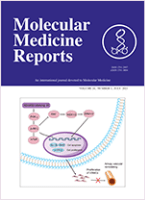
Molecular Medicine Reports
Bridging Laboratory Discoveries with Clinical SolutionsMolecular Medicine Reports, an esteemed academic journal published by Spandidos Publications Ltd, serves as a vital platform for the dissemination of cutting-edge research in the field of molecular medicine. Established in 2008, this journal has rapidly ascended in prominence, currently positioned within the Q2 and Q3 quartiles across various critical categories including Biochemistry, Cancer Research, and Genetics, reflecting its significant impact and scholarly contributions. With an impressive Scopus ranking in multiple disciplines, including an 87th place in Oncology, it is recognized for publishing rigorous, peer-reviewed articles that bridge the gap between laboratory research and clinical applications. The journal’s commitment to advancing knowledge in molecular medicine is evident through its focus on innovative therapeutic approaches, genetic research, and oncological studies, catering to a diverse readership of researchers, professionals, and students in the biomedical field. Though not an open-access publication, it provides invaluable insights and fosters collaboration in the scientific community from its base in Athens, Greece.
Annual Review of Pathology-Mechanisms of Disease
Transforming Knowledge into Pathological SolutionsAnnual Review of Pathology: Mechanisms of Disease is a premier scholarly journal published by ANNUAL REVIEWS that systematically reviews significant advancements in the field of pathology and the mechanisms underpinning various diseases. With an ISSN of 1553-4006 and an E-ISSN of 1553-4014, the journal has established its importance within the academic community, evidenced by its prestigious Q1 rankings in several categories including medicine, pathology, forensic medicine, and plant science for 2023. Notably, it ranks #1 out of 208 in the pathology and forensic medicine category, placing it in the 99th percentile according to Scopus metrics. Although not an open-access journal, it offers crucial insights to researchers, professionals, and students alike by providing a comprehensive understanding of pathophysiological concepts and emerging trends. The journal continues to be an essential resource for those dedicated to advancing research and practical applications in disease mechanisms.

INTERNATIONAL JOURNAL OF BIOLOGICAL MARKERS
Transforming Discoveries into Clinical ApplicationsWelcome to the International Journal of Biological Markers, a distinguished publication under SAGE Publications Ltd that has been a vital resource in the fields of Cancer Research, Clinical Biochemistry, Oncology, and Pathology and Forensic Medicine since its inception in 1986. With a commitment to disseminating high-quality research, the journal enjoys a robust impact highlighted by its Q2 and Q3 rankings across multiple categories in 2023, as evidenced by its Scopus rankings placing it in respectable percentiles. Based in Italy, this journal serves a global audience of researchers, clinicians, and students eager to keep abreast of the latest discoveries involving biological markers and their applications in medicine. Emphasizing rigorous peer review and scholarly integrity, the International Journal of Biological Markers plays a crucial role in advancing knowledge that can significantly impact clinical practices and enhance patient care.

Fetal and Pediatric Pathology
Exploring the complexities of fetal and pediatric pathology.Fetal and Pediatric Pathology, an esteemed journal published by TAYLOR & FRANCIS INC, is dedicated to advancing the field of pediatric and fetal medicine through the dissemination of high-quality research and clinical insights. With an ISSN of 1551-3815 and an E-ISSN of 1551-3823, the journal has been a key resource for researchers and practitioners since its inception in 1983. Based in the United Kingdom, it covers a broad spectrum of topics relevant to Medicine, Pathology and Forensic Medicine, and Pediatrics, Perinatology, and Child Health, consistently reflecting on contemporary challenges faced in these fields. The journal has attained a commendable Q3 ranking within its categories as of 2023, underlining its relevance in the academic community. Though not an open-access publication, the research presented in Fetal and Pediatric Pathology plays a pivotal role in informing practice, guiding future studies, and enhancing the understanding of diseases affecting fetuses and children. Its convergence of research throughout multiple years, continuing until 2024, marks it as a crucial platform for ongoing scientific dialogue and innovation, aimed at fostering better health outcomes for younger populations.
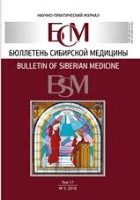
Byulleten Sibirskoy Meditsiny
Bridging Research and Clinical Practice in Molecular MedicineByulleten Sibirskoy Meditsiny, published by the Siberian State Medical University, is a pivotal open-access journal in the field of Molecular Medicine, with its current edition indexed under the ISSN 1682-0363. Since its transition to open access in 2013, the journal aims to disseminate high-quality research and advancements in biomedical sciences, particularly focusing on molecular mechanisms and therapeutic interventions. Despite its relatively recent recognition in Molecular Medicine, where it ranks in the 6th percentile, the journal is dedicated to fostering knowledge exchange and collaboration among researchers, professionals, and students alike. With a modest impact factor and quarterly publication, Byulleten Sibirskoy Meditsiny is positioned to serve as a valuable resource for those engaged in the intricate realms of molecular biology, biochemistry, and general medicine, contributing to the broader scientific discourse in the Russian Federation and beyond.

ADVANCES IN ANATOMIC PATHOLOGY
Unveiling New Horizons in Pathology and Anatomy.ADVANCES IN ANATOMIC PATHOLOGY is a leading peer-reviewed journal dedicated to the field of anatomical pathology, published by LIPPINCOTT WILLIAMS & WILKINS. With an impressive impact factor and consistent ranking in the Q1 category for both Anatomy and Pathology and Forensic Medicine, it serves as an essential resource for researchers, clinicians, and students alike. The journal has been a critical platform for disseminating significant findings and advancements in the discipline since its inception in 1996, boasting Scopus rankings of #1 in Anatomy and #11 in Pathology. While it does not provide open access, it maintains rigorous standards in the selection of articles, ensuring that published research reflects the latest developments and techniques in the field. As we look toward 2024 and beyond, ADVANCES IN ANATOMIC PATHOLOGY remains committed to advancing the science of pathology, fostering innovation, and enhancing clinical practice through impactful research.

Malaysian Journal of Pathology
Exploring the frontiers of disease mechanisms and diagnostics.Malaysian Journal of Pathology, published by the MALAYSIAN JOURNAL PATHOLOGY, stands as a pivotal resource in the fields of pathology and medicine, contributing rich insights since its inception in 1979. This peer-reviewed journal, based in Malaysia, is dedicated to disseminating original research, review articles, and case studies that advance the understanding of disease mechanisms and diagnostics. With a current impact factor reflecting its ranked positioning—Q4 in Cell Biology, Q4 in Histology, and Q3 in both Miscellaneous Medicine and Pathology & Forensic Medicine—this journal serves as an essential platform for researchers, clinicians, and students alike. Although it operates without open access, its scholarly rigor and contributions are well recognized, holding ranks such as #84 in Pathology and Forensic Medicine according to Scopus. The Malaysian Journal of Pathology is committed to fostering innovation and excellence in medical research, making it an invaluable tool for professionals seeking to stay abreast of significant advancements in the pathology domain.
Journal of Pathology and Translational Medicine
Bridging Theory and Practice in Medical ScienceThe Journal of Pathology and Translational Medicine, published by the Korean Society of Pathologists, is a distinguished peer-reviewed Open Access journal that has been at the forefront of advancing the field of pathology and histology since its inception in 1985. With an established ISSN of 2383-7837 and an E-ISSN of 2383-7845, the journal serves as a vital platform for disseminating high-quality research, fostering collaboration among professionals and offering valuable insights into both clinical applications and theoretical advancements. Recognized for its influence in the field, it holds a commendable Q2 ranking in both Histology and Pathology & Forensic Medicine categories in 2023, and ranks #52/208 in Scopus for Medicine – Pathology and Forensic Medicine, demonstrating its impact and reach within the academic community. Located in South Korea at 1209 Gwanghwamun Officia, 92 Saemunan-ro, Jongno-gu, Seoul 03186, this journal not only caters to researchers and professionals but also supports students striving to deepen their understanding of pathology. Join the growing body of knowledge and stay updated with the latest findings in this essential field of study through the journal's open access format, promoting worldwide accessibility and engagement.
JOURNAL OF NEUROPATHOLOGY AND EXPERIMENTAL NEUROLOGY
Unveiling Insights in Neurological DisordersJOURNAL OF NEUROPATHOLOGY AND EXPERIMENTAL NEUROLOGY, published by Oxford University Press Inc, stands as a pivotal resource for advancing research and knowledge in the domains of neuropathology and experimental neurology. Established in 1942, this esteemed journal has expanded its influence, as evidenced by its Q1 rankings in both Neurology (clinical) and Pathology and Forensic Medicine, along with its strong placement in Cellular and Molecular Neuroscience. With an emphasis on innovative research and clinical practices, it caters to a diverse audience, including researchers and clinicians dedicated to understanding neurological disorders through a multidisciplinary lens. While not open access, this journal provides access to cutting-edge studies that are pivotal in shaping the future of medical science and pathology. Researchers benefit from its rigorous peer-review process, ensuring the publication of high-caliber work that meets the evolving demands of the field.