JOURNAL OF RESEARCH IN READING
Scope & Guideline
Bridging theory and practice in reading research.
Introduction
Aims and Scopes
- Cognitive Processes in Reading:
The journal focuses on the cognitive mechanisms involved in reading, including phonological processing, morphological awareness, and executive functions, examining how these processes affect reading comprehension and fluency. - Digital Literacy and Reading:
There is a significant emphasis on the impact of digital formats and technologies on reading practices, comprehension, and literacy skills, exploring how digital environments influence children's and adults' reading experiences. - Diverse Literacy Contexts:
The journal addresses literacy in varied contexts, including multilingual and multicultural settings, the home literacy environment, and educational practices, emphasizing the importance of cultural and linguistic diversity in literacy development. - Interventions and Educational Practices:
Research on effective interventions and instructional strategies for improving reading outcomes, particularly for struggling readers and learners with diverse needs, is a core area of focus. - Longitudinal and Developmental Studies:
The journal publishes longitudinal research that tracks literacy development over time, providing insights into the progression of reading skills from early childhood through adolescence.
Trending and Emerging
- Bilingual and Multilingual Literacy:
There is an increasing focus on bilingual and multilingual literacy, exploring how children from diverse linguistic backgrounds navigate reading in multiple languages and the implications for educational practice. - Impact of Digital Technologies:
Research examining the effects of digital reading environments and technologies on reading comprehension and literacy skills is on the rise, reflecting the growing relevance of digital literacy in contemporary education. - Motivation and Engagement in Reading:
Emerging studies are placing greater emphasis on the psychological aspects of reading, particularly motivation, self-efficacy, and engagement, and how these factors contribute to reading success. - Evidence-Based Interventions:
An upward trend in the publication of research focused on evidence-based interventions for struggling readers is evident, with an emphasis on practical applications that can be implemented in educational settings. - Cognitive and Linguistic Interactions:
There is a growing interest in understanding the interactions between cognitive processes (like working memory and executive function) and linguistic skills (such as vocabulary and phonology), and their combined impact on reading comprehension.
Declining or Waning
- Traditional Print Literacy:
As digital literacy research gains prominence, traditional print literacy studies appear to be declining, with fewer publications focusing solely on reading from physical texts without considering digital contexts. - Generalized Reading Strategies:
There seems to be a decline in studies that address broad, generalized reading strategies, as researchers increasingly focus on specific interventions tailored to diverse learner profiles or contextual factors. - Basic Phonics Instruction:
Research centered on basic phonics instruction alone has waned, with a shift towards more complex interactions between phonics, morphology, and comprehension strategies being emphasized. - Single Language Literacy Research:
The focus on literacy research within a single language context is decreasing, as there is a growing recognition of the importance of cross-linguistic studies and bilingual literacy development.
Similar Journals

Language and Literacy
Catalyzing Collaboration Among Language and Literacy ExpertsLanguage and Literacy is an esteemed journal published by LANGUAGE & LITERACY RESEARCHERS CANADA, focusing on the vital intersections of language acquisition and literacy development. With a commitment to open access since 1999, this journal provides a platform for researchers and practitioners to share innovative findings and pedagogical insights that enhance the understanding of language and literacy in various educational contexts. The journal aims to foster a dialogue among educators, researchers, and policy makers by disseminating high-quality research and facilitating discussions on best practices. Recognized for its contributions to the field, Language and Literacy serves as an indispensable resource for those dedicated to improving literacy outcomes and language education globally. Based in Victoria, BC, Canada, it invites submissions that explore theoretical frameworks, empirical studies, and applied research, thereby enriching the academic community’s knowledge base.
Reading in a Foreign Language
Illuminating Pathways to Language MasteryReading in a Foreign Language is a premier academic journal published by the University of Hawaii, College of Languages, Linguistics & Literature, dedicated to fostering the field of second language acquisition. With an ISSN of 1539-0578, this esteemed journal boasts a solid reputation, being ranked in the Q1 quartile in both Education and Linguistics, highlighting its significant impact within these disciplines. Covering the latest research and advancements from 2019 to 2024, Reading in a Foreign Language serves as an essential resource for educators, researchers, and students aiming to deepen their understanding of reading proficiency in second languages. Although Open Access is not offered, the journal's influential position is underscored by its impressive Scopus rankings, with 82nd percentile status in Linguistics and Language, and 52nd percentile in Education, making it a valuable asset for those enhancing their academic and professional pursuits in language studies.
Library & Information History
Connecting Historical Insights to Modern Information PracticesLibrary & Information History, a distinguished journal published by Edinburgh University Press, serves as a pivotal platform for the exploration and critical discussion of the historical aspects of libraries and information sciences. With an ISSN of 1758-3489 and an E-ISSN of 1758-3497, the journal has carved out a niche within the realm of History and Philosophy of Science, reflecting a commitment to scholarly excellence. Operating in the United Kingdom, this journal spans a convergence period from 2004 to 2024 and is categorized within the Q4 quartile in the History and Philosophy of Science field, ranking #146 out of 223 in Scopus with a 34th percentile. Despite its current lack of open access options, the journal is dedicated to advancing research and knowledge, providing comprehensive insights that are invaluable to researchers, professionals, and students alike. With its rigorous peer-review process and a focus on fostering dialogue in the discipline, Library & Information History remains essential for anyone looking to deepen their understanding of the complex narratives surrounding libraries and information practices through time.
Reading & Writing-Journal of the Reading Association of South Africa
Advancing Knowledge in Literacy and EducationReading & Writing - Journal of the Reading Association of South Africa is a distinguished open access journal published by AOSIS, focusing on pivotal research within the fields of education and linguistics. Established to promote literacy and reading initiatives, this journal serves as an invaluable platform for scholars and educators aiming to enhance literacy practices in the South African context and beyond. With an ISSN of 2079-8245 and e-ISSN 2308-1422, it enables a wide reach since its initiation as an open access publication in 2010, breaking barriers for the dissemination of knowledge. Its notable Q2 placement in Linguistics and Language and Q3 in Education underscores its relevance and rigor, reflecting a high standard in scholarship as per the 2023 metrics. Further, it holds commendable Scopus rankings across several categories, including a 75th percentile in Language and Linguistics, indicating its strong standing within the academic community. This journal not only allows for unrestricted access to cutting-edge research but also encourages collaboration and dialogue among researchers, educators, and practitioners, ultimately aiming to foster a deeper understanding of literacy development in diverse educational settings.
Journal of Cognitive Education and Psychology
Innovative Insights for Transformative Learning ExperiencesWelcome to the Journal of Cognitive Education and Psychology, an esteemed publication under the SPRINGER PUBLISHING CO, based in the United States. With an ISSN of 1945-8959 and an E-ISSN of 1810-7621, this journal serves as a vital platform for the dissemination of research and scholarly discourse in the fields of cognitive education, developmental psychology, and experimental psychology. Despite its Q4 rankings in the 2023 category quartiles across educational and psychological disciplines, the journal has rapidly built a reputation for contributing significant insights to the development and understanding of cognitive processes in educational settings. While operating under a subscription model, the journal aims to provide quality peer-reviewed articles that foster knowledge exchange among researchers, practitioners, and students. As it converges from the years 2017 to 2022, the journal seeks to bridge the gaps between educational psychology theories and practical application, ensuring that the findings and discussions within its pages can directly inform effective educational practices.
Reading & Writing Quarterly
Elevating literacy education through rigorous research.Reading & Writing Quarterly, an esteemed journal published by Routledge Journals, Taylor & Francis Ltd, stands as a pivotal resource in the fields of education and linguistics. Established in 1992, this journal has gained recognition for its rigorous scholarly contributions, reflected in its impressive Q1 ranking in both Education and Linguistics, as well as notable placements in the Scopus rankings (75th and 330th percentiles respectively). With its commitment to advancing research on reading and writing processes, practices, and pedagogy, Reading & Writing Quarterly continues to inform and engage an audience of researchers, educators, and students keen on effective literacy instruction and research. While this journal does not provide open access options, its rich content remains a vital asset for those invested in the evolving landscape of literacy education. Based in the United Kingdom, it is positioned not only as a national treasure but also as a significant contributor to global educational discourse. Explore the insights and research that shape contemporary practices in literacy education through this highly respected publication.
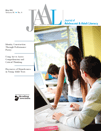
JOURNAL OF ADOLESCENT & ADULT LITERACY
Connecting Research and Practice in Literacy EducationJOURNAL OF ADOLESCENT & ADULT LITERACY is a prestigious publication dedicated to the exploration and enhancement of literacy education for adolescents and adults. Published by Wiley, this journal holds an important position in the educational research landscape, marked by its Q2 ranking in Education for 2023, reflecting its commitment to high-quality scholarship. With an ISSN of 1081-3004 and an E-ISSN of 1936-2706, this journal serves as an essential resource for educators, researchers, and policy-makers in understanding literacy development, instructional practices, and the sociocultural factors influencing literacy. Covering a comprehensive timeline from 1995 to 2024, the journal is well-known for its rigorous peer-reviewed articles, providing insights into innovative practices and empirical research that support literacy advancement. Located in the United States, with its headquarters at 111 RIVER ST, HOBOKEN 07030-5774, NJ, the journal does not offer open access but remains an invaluable asset for stakeholders in the realm of education, encouraging discourse and collaboration to foster literacy in diverse and dynamic contexts.
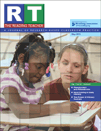
READING TEACHER
Exploring new horizons in literacy development.READING TEACHER is a premier journal dedicated to the field of literacy and language education, published by Wiley. With a robust impact factor and a distinguished Q1 ranking in Linguistics and Language, this highly regarded journal serves as an essential resource for educators, researchers, and students aiming to enhance reading instruction and literacy development. The journal covers a broad range of topics within the domain of language and literacy, offering insights into innovative teaching methodologies, research on reading behaviors, and best practices for educational engagement. As the field continues to evolve, READING TEACHER remains committed to advancing scholarship through rigorous peer-reviewed research. Researchers and practitioners can access articles from the journal to stay updated on the latest findings and trends shaping literacy education. For those engaged in the critical study of language acquisition and reading instruction, READING TEACHER is an invaluable part of their academic journey.
Ocnos-Journal of Reading Research
Advancing the Understanding of Reading in All Its DimensionsOcnos-Journal of Reading Research is a leading peer-reviewed journal dedicated to advancing the field of reading research, with a specific focus on literature, education, and psychological aspects of reading. Published by UNIV CASTILLA-LA MANCHA, CENTRO ESTUDIOS PROMOCION LITERATURA INFANTIL, this open-access journal, available since 2005, aims to provide a platform for innovative studies, critical reviews, and educational resources that inform and inspire scholars, practitioners, and students alike. With an impressive positioning in the Q2 category in Education and Q1 in Literature and Literary Theory as of 2023, it is recognized for its high impact in these disciplines, evidenced by its strong rankings within Scopus. Situated in Cuenca, Spain, Ocnos fosters international dialogue and research collaboration, making it a vital resource for those engaged in the exploration of reading as a multifaceted phenomenon. Whether you are interested in theoretical frameworks or practical applications, Ocnos offers invaluable insights that contribute to the field's evolution and understanding.
INTERNATIONAL JOURNAL OF EARLY CHILDHOOD
Empowering educators with cutting-edge insights in early childhood.INTERNATIONAL JOURNAL OF EARLY CHILDHOOD, published by Springer, is a prestigious platform dedicated to the exploration and advancement of knowledge in the fields of Developmental and Educational Psychology as well as Education. With an ISSN of 0020-7187 and E-ISSN 1878-4658, this journal plays a pivotal role in disseminating research findings and theoretical developments related to early childhood education worldwide. Its impact is underscored by its noteworthy rankings, placing it in the Q2 category for Developmental and Educational Psychology and Q1 in Education in 2023, reflecting its significance in the scholarly community. With a robust Scopus rank of #186 out of 1543 in Social Sciences Education and #68 of 360 in Developmental and Educational Psychology, this journal ensures high visibility and engagement for innovative research. Since its inception in 1969, the journal has served as a vital resource for researchers, educators, and policy-makers interested in shaping the future of education through empirical evidence and comprehensive studies.