Journal of Slavic Linguistics
metrics 2024
Bridging Theory and Practice in Slavic Linguistics
Introduction
Journal of Slavic Linguistics, published by SLAVICA PUBLISHERS, is a key academic resource dedicated to the exploration of Slavic languages and linguistics. Established to provide a comprehensive platform for scholarly research, this journal addresses the intricate dynamics of Slavic phonetics, syntax, semantics, and discourse, making significant contributions to both theoretical and applied linguistics. The journal holds an impact factor that reflects its value in the linguistic community, particularly as it is ranked in the Q4 category in Linguistics and Language for 2023. With a focus on a wide range of topics within the field, the Journal of Slavic Linguistics serves as an essential reference for researchers, educators, and students alike, fostering an appreciation and deeper understanding of Slavic linguistic phenomena. Although currently not an Open Access journal, it remains accessible to a broad audience keen on engaging with contemporary linguistic scholarship.
Metrics 2024
 0.100.400.504
Metrics History
Rank 2024
Scopus
JCI (Web Of Science)
Quartile History
Similar Journals
FOLIA LINGUISTICA
Bridging Theory and Practice in Linguistic ScholarshipFOLIA LINGUISTICA, published by WALTER DE GRUYTER GMBH, is a premier scholarly journal dedicated to the field of linguistics. Established in 1967, the journal has consistently provided a platform for innovative research and scholarly discourse in language and linguistics, contributing significantly to the academic community's understanding of language structures, usage, and cognitive processes. With its classification in the top quartile (Q1) of linguistics and language in 2023, FOLIA LINGUISTICA holds a respectable rank (#282/1088) within the Arts and Humanities category and an admirable percentile rank of 74th, ensuring its position at the forefront of linguistic scholarship. Researchers and academics from around the globe can access a wealth of knowledge and cutting-edge research findings through this esteemed publication, which is vital for anyone looking to engage with the latest advancements in linguistics. Located in Berlin, Germany, FOLIA LINGUISTICA encompasses all aspects of language research, making it an indispensable resource for researchers, professionals, and students alike seeking to deepen their understanding of language and its complexities.
JOURNAL OF PIDGIN AND CREOLE LANGUAGES
Unveiling the Dynamics of Language and IdentityJOURNAL OF PIDGIN AND CREOLE LANGUAGES, published by John Benjamins Publishing Co, is a leading international journal dedicated to the study of pidgin and creole languages, offering a unique platform for interdisciplinary research within the fields of linguistics and language studies. With an impressive impact factor reflected in its 2023 Scopus rankings—placing it in the Q2 category for both Linguistics and Language—this journal has established itself as an essential resource for academics and practitioners alike. Covering a broad temporal scope from 1986 to 2024, it promotes innovative research that advances the understanding of language evolution, socio-linguistics, and cultural dynamics. The journal’s focus on both theoretical and practical perspectives makes it particularly valuable for researchers, professionals, and students interested in the complexities of language and identity. Although it does not currently offer Open Access, its commitment to quality scholarship ensures that each issue presents cutting-edge research and critical insights into the world of pidgins and creoles.

Verba-Anuario Galego de Filoloxia
Nurturing Language Studies for Tomorrow's ScholarsVerba-Anuario Galego de Filoloxia is a prominent academic journal published by UNIV SANTIAGO COMPOSTELA, dedicated to advancing the field of linguistics and language studies. Hailing from Spain, this journal provides a vital platform for researchers, educators, and students interested in Galician philology and its broader linguistic implications. Although it operates under traditional access models, the journal’s commitment to quality research is reflected in its categorization within Q3 in Linguistics and Language for 2023, showcasing its significant contributions to the field. Encompassing a convergence period from 2017 to 2024, Verba garners attention in both the Arts and Humanities and Social Sciences domains, with its Scopus rankings highlighting its moderate impact within these categories. By nurturing scholarly dialogue and disseminating innovative studies, Verba-Anuario Galego de Filoloxia plays a crucial role in promoting linguistic research, making it an essential resource for professionals and academic institutions striving to explore the complexities of language and philology.

Journal of Portuguese Linguistics
Connecting Scholars through Portuguese Language InsightsThe Journal of Portuguese Linguistics is an esteemed peer-reviewed academic journal published by UBIQUITY PRESS LTD, dedicated to the exploration of the rich complexities of the Portuguese language and its various linguistic dimensions. With an ISSN of 1645-4537 and an E-ISSN of 2397-5563, this open-access journal has been disseminating valuable research since 2002, ensuring that knowledge is accessible to all scholars, professionals, and students interested in Linguistics. Based in Portugal, it features a distinct focus on the linguistics pertinent to the Portuguese language, facilitating discussions that span theoretical and applied interests. The journal holds a respectable Q3 quartile rank in the field of Linguistics and Language, reflecting its growing significance and contribution to academia, as evidenced by Scopus rankings that place it in the 71st and 68th percentiles in Arts and Humanities as well as Social Sciences. Researchers and practitioners alike will find Journal of Portuguese Linguistics to be an indispensable resource for fostering discourse and innovation in the study of language.

LINGUISTIQUE
Exploring the Depths of Linguistic KnowledgeLINGUISTIQUE, an esteemed journal published by PRESSES UNIV FRANCE, serves as a vital platform for scholarly discourse in the fields of linguistics and language studies. With its ISSN 0075-966X and E-ISSN 2101-0234, this French journal has been a significant contributor to the understanding of linguistic phenomena since its inception in 2004, and it continues its journey through to 2024. Although currently categorized in the Q4 quartile for both Arts and Humanities (miscellaneous) and Linguistics and Language, its commitment to publishing quality research encourages a diverse range of articles, reviews, and innovative studies. Positioned in the 32nd and 29th percentiles for its respective fields according to Scopus rankings, LINGUISTIQUE is dedicated to advancing knowledge and stimulating engagement among researchers, professionals, and students alike. While it does not offer open access, the journal remains an essential resource for those who seek to deepen their understanding of linguistic principles in a global context, facilitating a richer discourse that connects theory with practice.
Brills Annual of Afroasiatic Languages and Linguistics
Advancing Knowledge in Afroasiatic Language StudiesBrill's Annual of Afroasiatic Languages and Linguistics stands as a vital publication in the field of linguistics, specifically focusing on the rich and diverse Afroasiatic language family. Published by the esteemed BRILL, this journal has garnered a reputation for rigorous scholarship since its inception in 2009, converging into its current publication cycle through to 2024. With an ISSN of 1876-6633 and an E-ISSN of 1877-6930, it enjoys a commendable Category Quartile ranking of Q2 in Linguistics and Language for 2023 and respectable Scopus rankings in both Arts and Humanities and Social Sciences. This journal aims to provide a platform for researchers, educators, and students alike, facilitating the dissemination of innovative research, critical analyses, and theoretical advancements within the Afroasiatic linguistic domain. Given its substantial engagement with contemporary linguistics, this annual publication is invaluable for those aiming to deepen their understanding of languages and dialects across the Afroasiatic spectrum.
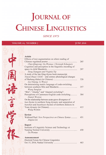
JOURNAL OF CHINESE LINGUISTICS
Unveiling the Rich Tapestry of Chinese Language StudiesJOURNAL OF CHINESE LINGUISTICS, published by the JOURNAL CHINESE LINGUISTICS, is a prominent periodical that serves as a vital resource for researchers and scholars in the fields of linguistics and Chinese studies. With its ISSN 0091-3723, this journal has been contributing to the academic community since 1996 and continues to publish innovative research until 2024. Although it is classified in the third quartile (Q3) for both Arts and Humanities and Linguistics categories, its focus on Chinese linguistics positions it uniquely within this specialized domain. The journal is committed to advancing the understanding of Chinese language structures, usage, and context, encouraging interdisciplinary dialogue among linguists and language researchers. While currently not labeled as open access, the journal remains accessible to institutions and scholars worldwide, creating an invaluable platform for disseminating knowledge. As such, it plays a critical role in promoting linguistic diversity and cultural awareness within the academic landscape.
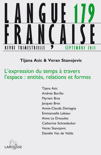
LANGUE FRANCAISE
Elevating Scholarly Dialogue on LinguisticsLANGUE FRANCAISE, published by LAROUSSE, stands as a premier journal in the realm of linguistics and language studies, boasting an impressive Q1 quartile rating in the 2023 Linguistics and Language category. With its international reputation anchored in France, this journal presents critical research and discussions that advance our understanding of the French language, its structures, usage, and evolution. Although not an open-access publication, LANGUE FRANCAISE is indexed with an ISSN of 0023-8368 and an E-ISSN of 1957-7982, reflecting its scholarly credibility and impact, including Scopus rankings that place it competitively in the fields of arts and humanities as well as social sciences. This journal serves as an essential resource for researchers, practitioners, and students aiming to deepen their knowledge and engage in scholarly debates that shape contemporary linguistic thought. The journal's commitment to high-quality research continues to foster an enriching academic environment and contribute to the dynamic discourse surrounding language and linguistics.
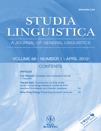
STUDIA LINGUISTICA
Navigating the Intersection of Language and PhilosophySTUDIA LINGUISTICA is a prestigious journal published by Wiley, focusing on the dynamic and multifaceted fields of Linguistics and Language. With an ISSN of 0039-3193 and an E-ISSN of 1467-9582, the journal has been a vital resource for academics since its inception in 1947, diligently converging insights from history and philosophy of science alongside contemporary linguistic research. Demonstrating excellent scholarly impact, STUDIA LINGUISTICA proudly holds a Q1 ranking in Linguistics and Language as well as a Q2 in History and Philosophy of Science as of 2023, indicating its significance within these academic domains. Furthermore, it ranks in the top percentiles among similar journals, with a commendable 73rd percentile in Language and Linguistics and 70th in related social sciences. Although it does not offer Open Access, its contribution to the discourse of language studies is underpinned by rigorous peer-review processes and commitment to advancing theoretical and empirical research. For researchers, professionals, and students alike, STUDIA LINGUISTICA remains an essential platform for disseminating impactful linguistic scholarship worldwide.

Studi e Saggi Linguistici
Illuminating the Nuances of Linguistic PhenomenaStudi e Saggi Linguistici is a distinguished academic journal published by EDIZIONI ETS, based in Pisa, Italy. With its ISSN 0085-6827, this journal has established itself as a vital resource in the field of linguistics, particularly noted for its contributions since its inception in 2016. Although currently categorized in the lower quartile (Q4) by the 2023 metrics in the domains of Linguistics and Language within Scopus, it remains a significant platform for innovative research and critical discussions surrounding language studies. Focusing on both theoretical and practical aspects of linguistics, the journal serves as a nexus for scholars and practitioners alike, facilitating a rich interchange of ideas and knowledge in a rapidly evolving discipline. As an invaluable publication for researchers, professionals, and students, Studi e Saggi Linguistici is committed to advancing the understanding of linguistic phenomena and fostering scholarly communication in its field.