
Letteratura e Letterature
metrics 2024
Nurturing a Vibrant Academic Exchange in Pisa and Beyond.
Introduction
Letteratura e Letterature is a distinguished scholarly journal dedicated to exploring the nuances of literature and linguistic theory, published by FABRIZIO SERRA EDITORE. This journal, identifiable by its ISSN 1971-906X and E-ISSN 1973-2600, serves as a significant platform for researchers, professionals, and students engaged in critical discourse within the fields of Literature and Linguistics. With a focus on fostering interdisciplinary dialogues, it seeks to illuminate diverse literary phenomena and linguistic intricacies, contributing meaningfully to the academic community. Despite being categorized in the Q4 and Q3 quartiles in 2023, the journal remains a vital resource, encouraging innovative scholarship and broadening the understanding of literary and linguistic interactions. Although it does not currently offer open access, the journal promises rigorous peer-reviewed content, ensuring the quality of published research. Operating from its base in Pisa, Italy, the journal continues to embrace its converged years from 2014 to 2021 and the ongoing 2023 to 2024 period as an era for refined scholarship and vibrant academic exchange.
Metrics 2024
 0.10--1
Metrics History
Rank 2024
Scopus
JCI (Web Of Science)
Quartile History
Similar Journals

Cadernos de Letras da UFF
Cultivating Knowledge in Literature and LanguageCadernos de Letras da UFF is a prominent academic journal published by the Department of History at the Federal University of Fluminense in Brazil. Since its transition to Open Access in 2014, it has fostered a spirit of collaboration and dissemination in the field of Literature and Linguistics, welcoming contributions that explore various aspects of literary studies, historical literature contexts, and linguistic phenomena. With a commitment to quality and academic rigor, the journal serves as a vital resource for scholars, practitioners, and students engaged in the humanities. The journal is dedicated to the advancement of knowledge through innovative research and critical analyses, making it an essential platform for sharing ideas with a global audience. The journal is based in Niterói, RJ, Brazil, and is indexed in various academic databases, enhancing its visibility and impact within the scholarly community.

MESTER
Innovating Perspectives in Humanities ResearchMESTER is a distinguished academic journal published by the UCLA College of Humanities, known for its commitment to advancing research in the fields of Cultural Studies, Linguistics and Language, and Literature and Literary Theory. With an ISSN of 0160-2764, this journal serves as a vital platform for scholars and professionals to disseminate innovative research and critical perspectives from diverse theoretical frameworks and cultural contexts. Although currently operating without an Open Access model, MESTER continues to uphold a rigorous peer-review process, ensuring that published articles maintain high academic standards. Recognized for its selective focus, MESTER holds a Q4 categorization in Cultural Studies and Linguistics, and Q3 in Literature and Literary Theory, situating it as a relevant, if emerging, voice within these disciplines. Housed within the significant repository of knowledge at UCLA, the journal beckons researchers, students, and practitioners to engage with its contributions to the humanities and build upon its foundations in cultural discourse.
JOURNAL OF ENGLISH AND GERMANIC PHILOLOGY
Advancing Scholarship in English and Germanic StudiesJournal of English and Germanic Philology, published by University of Illinois Press, stands as a prestigious forum for scholarly discourse in the fields of linguistics and literary studies. With its ISSN 0363-6941 and an impressive impact factor aligning it within the Q1 and Q2 quartiles in key academic categories, this journal delves into nuanced explorations of both the English and Germanic languages, enriching the understanding of language and its literary frameworks. The journal aims to foster interdisciplinary dialogue, offering cutting-edge research that appeals not only to linguists and literary theorists but also to educators and cultural historians alike. Although the journal is not open access, its contributions are essential for anyone keen on enhancing their knowledge of linguistic phenomena and literary narratives from these influential linguistic traditions. With a commitment to publishing innovative and rigorous scholarship, the Journal of English and Germanic Philology is a vital resource for academics seeking to advance their work in language and literature.
NOTTINGHAM FRENCH STUDIES
Exploring the Depths of French Culture and LiteratureNOTTINGHAM FRENCH STUDIES is a distinguished academic journal published by Edinburgh University Press, focusing on the diverse realms of French language, literature, culture, and history. With its ISSN 0029-4586 and E-ISSN 2047-7236, the journal serves as a vital platform for scholarly discourse, featuring interdisciplinary research that bridges gaps between Cultural Studies, Linguistics, and Literary Theory. Notable for its robust performance, it holds a Q3 ranking in Cultural Studies and Linguistics and a Q2 ranking in Literature and Literary Theory as of 2023, placing it among the key publications within its field. Throughout its publication span from 1996 to 2024, NOTTINGHAM FRENCH STUDIES has consistently catered to the academic community with insightful articles, enriching the understanding of French cultural contexts. While it is not an Open Access journal, its contributions are pivotal in advancing scholarly dialogue and fostering critical perspectives, making it an essential resource for researchers, professionals, and students engaged in French studies and its interdisciplinary connections.

ENGLISH LANGUAGE NOTES
Exploring the Depths of English Literature and TheoryENGLISH LANGUAGE NOTES is a premier journal published by the University of Colorado, dedicated to the field of literature and literary theory. With a strong impact in academia, it holds a prestigious Q2 ranking in the 2023 category, emphasizing its importance among scholarly publications. The journal, indexed under ISSN 0013-8282 and E-ISSN 2573-3575, has been a crucial resource since its inception in 1969, featuring converged years from 1969, 1977, and 1982, through to 2024. The editorial board promotes rigorous scholarship and encourages contributions that explore the complexities of the English language across diverse literary contexts. While it does not offer open access, ENGLISH LANGUAGE NOTES remains a vital source for researchers, professionals, and students invested in the sustained exploration of literary arts, evidenced by its strong Scopus ranking in the 79th percentile in its field. For those committed to advancing literary scholarship, this journal serves as an invaluable platform for discussion and dissemination of influential ideas.

RAMUS-CRITICAL STUDIES IN GREEK AND ROMAN LITERATURE
Advancing Scholarship in Greek and Roman Literary TraditionsRAMUS: Critical Studies in Greek and Roman Literature, published by Cambridge University Press, stands as a premier journal dedicated to the exploration and analysis of classical literary texts. Established in 2002, this journal has garnered recognition in its field, achieving a Q1 category ranking in both Classics and Literature and Literary Theory for 2023, which reflects its commitment to scholarly excellence. With an impressive Scopus ranking, where it places in the 76th percentile for Literature and Literary Theory and the 70th percentile for Classics, RAMUS is a critical resource for researchers, professionals, and students engaged in the study of ancient texts and their lasting impact on contemporary literature. Although currently not an open-access journal, it offers a wealth of peer-reviewed articles, reviews, and critical essays that enrich understanding and foster discussions in the realms of Greek and Roman literary traditions. This journal not only serves as an academic platform but also contributes to the ongoing dialogue on the relevance of classical literature in today's cultural and literary discourse.
FORUM FOR MODERN LANGUAGE STUDIES
Elevating Research in Literature and LinguisticsFORUM FOR MODERN LANGUAGE STUDIES is a prestigious academic journal published by Oxford University Press that has been serving the fields of literature and linguistics since its inception in 1965. This journal, with an ISSN of 0015-8518 and an E-ISSN of 1471-6860, plays a crucial role in advancing scholarly discourse on modern language studies, including literature and literary theory. With an impactful presence in both the linguistic and literary domains, it has been recognized in 2023 with a category ranking of Q2 in Literature and Literary Theory and Q3 in Linguistics and Language. It stands out in the competitive landscape, holding a notable position within Scopus rankings, including a 70th percentile ranking in Literature & Literary Theory. While the journal currently does not offer open access options, it remains a vital resource for researchers, educators, and students passionate about the transformative power of language and literature. Its commitment to quality research and robust academic discussion underscores its importance, making it a key platform for those aiming to contribute to modern language scholarship.
European Journal of Scandinavian Studies
Fostering critical dialogues in Scandinavian cultural studies.European Journal of Scandinavian Studies is an esteemed journal published by Walter de Gruyter GmbH, dedicated to advancing scholarship in the fields of Cultural Studies, Linguistics and Language, and Literature and Literary Theory. Since its inception in 2010, the journal has been a pivotal platform for researchers and scholars, showcasing cutting-edge research and critical discussions pertaining to Scandinavian languages and cultures. With an ISSN of 2191-9399 and an E-ISSN of 2191-9402, the journal emphasizes accessibility to impactful academic work, despite its current non-open access model. While the journal is categorized within the Q4 quartile for Cultural Studies and Linguistics/Language, it has shown notable potential in ranking higher in its specialized domains, fostering a growing community of researchers invested in Scandinavian studies. The journal's office is located in Berlin, Germany, further enriching its European scholarly context. As it continues to evolve, the European Journal of Scandinavian Studies serves as a vital resource for academics seeking to engage deeply with the multifaceted aspects of Scandinavian culture and linguistics.

Acta Literaria
Bridging Ideas in the Realm of Humanities and ArtActa Literaria is a distinguished journal published by the Universidad de Concepción, Facultad de Humanidades y Arte, focusing on the intricate domains of literature and literary theory. With an ISSN of 0717-6848, this Chilean journal has been a vital contributor to the scholarly discourse in its field since its inception in 2007. Although currently categorized in the Q4 quartile for the year 2023 and holding a Scopus rank of #860 out of 1106 in the Arts and Humanities section, Acta Literaria plays a crucial role in fostering dialogue and exploration among researchers, professionals, and students alike. The journal aims to facilitate the exchange of innovative ideas, critical analyses, and diverse perspectives on literature, making it an indispensable resource for anyone engaged in literary studies. While it does not offer open access, the journal's commitment to upholding academic rigor ensures that it remains a respected platform for scholarly publication.
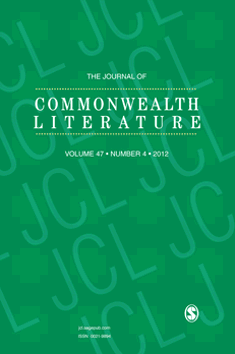
JOURNAL OF COMMONWEALTH LITERATURE
Illuminating the Depths of Commonwealth Literary StudiesJOURNAL OF COMMONWEALTH LITERATURE, published by SAGE Publications Ltd, serves as a premier platform for scholarly discourse in the field of Literature and Literary Theory. Established in 1966, this esteemed journal has built a robust reputation, as evidenced by its impressive Q1 ranking in the 2023 category of Literature and Literary Theory and its placement in the impressive 91st percentile among its peers in the Scopus rankings. With an ISSN of 0021-9894 and an E-ISSN of 1741-6442, the journal provides valuable insights into the rich tapestry of Commonwealth literature, exploring diverse works and critical theories that shape our understanding of literature outside the conventional Western canon. While currently not designated as an Open Access journal, it continues to attract a global readership seeking to advance knowledge in this vital area of scholarship. Researchers, professionals, and students alike will find in its pages a rich resource for innovative ideas and critical discussions that reflect the evolving landscape of literary studies.