Muzeologia a Kulturne Dedicstvo-Museology and Cultural Heritage
Scope & Guideline
Connecting scholars to the heart of cultural heritage.
Introduction
Aims and Scopes
- Cultural Heritage Preservation:
The journal emphasizes the importance of preserving cultural heritage, including tangible and intangible aspects, through various methodologies and practices, highlighting the role of museums in safeguarding historical artifacts and narratives. - Museological Practices and Innovations:
A core focus is the exploration of new museological practices, including the adaptation of museum functions to contemporary societal needs, such as education, social change, and community engagement. - Interdisciplinary Approaches:
The journal promotes interdisciplinary research that integrates history, art, sociology, and technology in the study of cultural heritage, ensuring a comprehensive understanding of its significance. - Regional and Global Perspectives:
It provides a platform for discussing both regional cultural heritage issues, particularly in Central and Eastern Europe, and global themes, allowing for comparative studies and broader insights. - Public Engagement and Education:
The journal also addresses the role of museums as educational institutions and their impact on public engagement, identity formation, and cultural memory.
Trending and Emerging
- Intangible Cultural Heritage:
Recent publications have increasingly focused on intangible cultural heritage, emphasizing the importance of social memory and practices that contribute to cultural identity, thus recognizing the need to protect not just physical artifacts but also living traditions. - Adaptive Reuse and Sustainability:
There is a growing trend towards discussing the adaptive reuse of cultural heritage sites and artifacts, particularly in the context of sustainability and ecological responsibility, showcasing how museums can play a role in environmental stewardship. - Museum as a Space for Social Change:
The concept of museums as agents of social change has gained momentum, with studies examining how museums can address social issues, foster inclusion, and engage diverse communities in meaningful ways. - Impact of Technology on Museology:
Emerging themes include the role of technology in enhancing museum experiences, such as digital archiving, virtual exhibitions, and interactive displays, reflecting a shift towards integrating modern technology in museum practices. - War and Memory in Museums:
A notable increase in discussions surrounding the impact of war and conflict on cultural heritage has emerged, with a focus on how museums navigate narratives of trauma and memory, particularly in post-conflict societies.
Declining or Waning
- Traditional Artifacts Display:
There has been a noticeable decrease in the emphasis on traditional methods of displaying artifacts in museums, as the focus shifts towards more interactive and engaging exhibition techniques that encourage visitor participation. - Historical Preservation Techniques:
The journal has gradually moved away from discussing conventional preservation techniques in favor of innovative approaches that align with contemporary challenges and technologies, indicating a shift towards adaptive reuse and dynamic preservation strategies. - Focus on Localized Studies:
Research focusing solely on localized cultural heritage issues has waned, as the journal increasingly seeks to address broader, global themes and comparative studies that connect local heritage to international contexts. - Static Museum Models:
The discussion around static museum models, where museums serve primarily as passive display spaces, has diminished, reflecting a growing interest in museums as active agents of social change and community involvement. - Historical Narratives without Contemporary Context:
There is a decline in papers that focus solely on historical narratives without integrating contemporary social issues, indicating a shift towards more relevant and timely discussions that resonate with current societal challenges.
Similar Journals
Journal of Conservation and Museum Studies
Empowering Scholars to Shape the Future of MuseumsThe Journal of Conservation and Museum Studies, published by UBIQUITY PRESS LTD, is a vital resource for researchers, professionals, and students engaged in the fields of conservation and museology. With an ISSN of 2049-4572 and an E-ISSN of 1364-0429, this Open Access journal has been committed to disseminating quality research since its inception in 2011. Based in the United Kingdom, the journal features a broad range of topics within its field, serving both theoretical and practical insights for the advancing of conservation practices and museum studies. The journal is highly regarded, standing in the Q2 quartile for both Conservation and Museology categories in 2023, and achieving commendable rankings in the Scopus classification, with a percentile rank of 86th in Museology and 76th in Conservation. This demonstrates its significance as a hub for scholarly communication and innovation, fostering a deeper understanding and appreciation of cultural heritage. Join a diverse community of experts and access cutting-edge research in the field by engaging with this essential journal.

Journal of Heritage Tourism
Advancing Knowledge in Heritage Tourism ScholarshipJournal of Heritage Tourism, published by Routledge Journals, part of Taylor & Francis Ltd, is a leading peer-reviewed journal dedicated to the interdisciplinary study of heritage tourism. As a vital resource for researchers, professionals, and students in the fields of History and Tourism, Leisure and Hospitality Management, this journal has consistently achieved high rankings, securing a Q1 quartile in History and Q2 in Tourism for 2023. With an impressive Scopus rank of #3 out of 1760 in Arts and Humanities - History and #42 out of 146 in Business - Tourism, it underscores the journal’s importance and relevance in contemporary scholarship. Spanning contributions from 2006 to 2024, the journal provides a platform for innovative research, critical discussions, and comprehensive analyses, fostering a greater understanding of the complex relationships between heritage and tourism. Although it does not currently offer open access, insights published within this journal remain accessible for institutional libraries and academic communities worldwide, ensuring that the ongoing discourse around heritage tourism flourishes.
Pflege
Shaping the future of patient care with scholarly insights.Pflege, published by HOGREFE AG-HOGREFE AG SUISSE, is a prominent scholarly journal dedicated to the field of nursing and medicine. Since its inception in 1991, the journal has served as a key platform for disseminating research findings, reviews, and advancements in nursing practices, addressing the myriad challenges and innovations shaping healthcare today. With an ISSN of 1012-5302 and an E-ISSN of 1664-283X, Pflege is indexed in Scopus, where it ranks #87 out of 139 in General Nursing, reflecting its moderate impact within the academic community, with a Q3 classification in both medicine and nursing fields for 2023. Through rigorous peer reviews and a commitment to quality scholarship, the journal aims to foster interdisciplinary dialogue, enhancing both educational and clinical practices among healthcare professionals. Although it is not an open-access publication, Pflege continues to be an essential resource for researchers and practitioners seeking to advance their knowledge in the dynamic field of nursing and enhance patient care.
International Journal of Cultural Property
Preserving Heritage, Shaping Futures.The International Journal of Cultural Property, published by Cambridge University Press, is a leading interdisciplinary journal focusing on the preservation, management, and legal aspects of cultural heritage. With an ISSN of 0940-7391 and an E-ISSN of 1465-7317, this esteemed publication has established itself as an essential resource for researchers and practitioners in the fields of Anthropology, Conservation, Cultural Studies, History, and Museology, ranking impressively in Q1 and Q2 quartiles across various categories as of 2023. Spanning decades since its inception in 1992, the journal covers a rich array of topics and issues pertinent to cultural property, providing a platform for innovative discourse and scholarly articles. Although it is not an open-access journal, its commitment to high-quality research is evident through its rigorous peer-review process and impactful contributions to the field. As it continues to address the complexities and challenges surrounding cultural heritage management, the International Journal of Cultural Property remains pivotal in advancing knowledge and enhancing academic dialogue within its multidisciplinary audience.
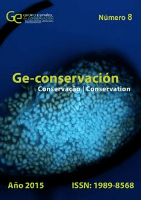
Ge-Conservacion
Innovating Practices for the Preservation of Art and HistoryGe-Conservacion, published by GRUPO ESPANOL I I C, stands as a pivotal journal in the fields of Conservation, Museology, and Visual Arts and Performing Arts, facilitating an open-access platform since 2009. Based in Spain, this journal serves as a vital repository for innovative research and scholarly dialogue, significantly impacting the community with its Q1 and Q2 rankings across several categories in 2023. With an objective to advance multidisciplinary understanding and practices related to cultural heritage conservation, it attracts a diverse readership of researchers, professionals, and students eager to engage with contemporary issues and methodologies. The journal's commitment to accessibility enhances its reach and influence, making it an essential resource for anyone passionate about preserving the integrity and significance of our artistic and historical treasures.

PRESERVATION
Exploring the Art of ConservationPRESERVATION is a distinguished journal published by the NATL TRUST HISTORIC PRESERVATION, focusing on critical issues in historic preservation and conservation within the realm of arts and humanities. With an ISSN of 1090-9931, this journal served as a notable platform for research and discourse from 2002 to 2018, although its coverage was discontinued in Scopus, where it held ranks that reflected its niche but valuable contributions to both visual arts and conservation. Despite its cessation, the journal remains a key resource for professionals and academics dedicated to preserving cultural heritage and advancing the study of preservation practices. The importance of PRESERVATION lies in its commitment to fostering an understanding of the challenges in maintaining historical integrity amidst modern developments. Researchers, practitioners, and students alike will find a wealth of knowledge and inspiration through its past issues, making it an essential reference point for those engaged in the ongoing dialogue around preservation methodologies and impacts.
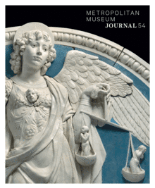
METROPOLITAN MUSEUM JOURNAL
Elevating Conversations in Conservation and MuseologyMETROPOLITAN MUSEUM JOURNAL, published by the University of Chicago Press, serves as a vital platform for researchers, professionals, and students in the fields of Conservation and Museology. With an ISSN of 0077-8958 and an E-ISSN of 2169-3072, this journal emphasizes the importance of scholarly discourse on art preservation and museum practices. Although it currently holds a Q4 ranking in both Conservation and Museology according to the 2023 category quartiles, the journal continues to contribute to advancements and discussions within these vital fields. Located in Belgium, the journal's mission is to illuminate best practices, innovative techniques, and significant case studies that inform the future of museum work. As an indispensable resource for those dedicated to the arts and humanities, METROPOLITAN MUSEUM JOURNAL fosters a community for exchanging ideas and insights, crucial for the ongoing development and understanding of museum methodologies.

International Journal of Intangible Heritage
Fostering Global Conversations on Heritage.The International Journal of Intangible Heritage, published by the NATL FOLK MUSEUM KOREA-NFMK, stands as a premier platform dedicated to the exploration and preservation of intangible cultural heritage. With an ISSN of 1975-3586 and an E-ISSN of 1975-4019, this journal has successfully carved a niche in the fields of Conservation, Cultural Studies, and Museology, achieving Q1 categorization across these disciplines in 2023. It ranks impressively in Scopus, being #17/83 in Museology and #33/103 in Conservation, highlighting its significant contribution to the academic discourse in these fields. Published in South Korea, this journal not only serves as a vital resource for researchers and professionals but also engages students aspiring to enhance their understanding of intangible heritage. Accessible without an open access model, it features a blend of scholarly articles, reviews, and case studies from 2011 through 2024, making it a robust repository for current and emerging practices in the safeguarding of cultural expressions. By fostering innovative dialogue among scholars and practitioners globally, the International Journal of Intangible Heritage plays a crucial role in the ongoing dialogue surrounding the value and significance of intangible cultural assets.
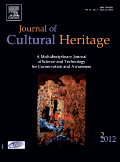
JOURNAL OF CULTURAL HERITAGE
Cultivating Understanding of Our Cultural Roots.JOURNAL OF CULTURAL HERITAGE, published by Elsevier France - Éditions Scientifiques Médicales Elsevier, is a pivotal academic journal dedicated to the multifaceted study of cultural heritage, including its conservation, anthropology, archaeology, and related fields. With an impressive standing in the academic community, this journal has achieved a Q1 ranking in Anthropology, Archaeology, Conservation, and History, reflecting its critical influence and contribution to these disciplines. The journal serves as a vital resource for researchers, professionals, and students interested in innovative research and developments concerning cultural heritage practices and policies. Although it operates under a subscription model, it provides access to innovative research and insights from the field, making it essential for those engaged in the preservation and study of cultural artifacts and historical narratives.

Cabas
Empowering educators through innovative research insights.Cabas is a distinguished academic journal dedicated to advancing the field of educational interpretation and studies, published by the CENTRO RECURSOS INTERPRETACION ESTUDIOS ESCUELA (CRIEME). With its ISSN 1989-5909 and E-ISSN 1989-5909, it has positioned itself as a vital resource for researchers and practitioners interested in innovative educational methodologies and interpretations since its establishment as an Open Access journal in 2009. Based in Polanco, Cantabria, SPAIN, this journal seeks to disseminate high-quality research that fosters academic exchange and collaboration in the educational sector. Although specific metrics such as HIndex and Scopus ranks are currently unavailable, the journal's commitment to accessibility and knowledge sharing is paramount, allowing a broader audience of educators, researchers, and students to engage with significant findings and discussions in the field.