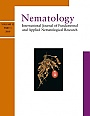
NEMATOLOGY
metrics 2024
Advancing Knowledge in Nematological Research
Introduction
Nematology is a prominent journal published by BRILL, focusing exclusively on the multifaceted realm of nematodes and their ecological, agricultural, and biological implications. With an ISSN of 1388-5545, this esteemed journal serves as a vital platform for researchers, professionals, and students dedicated to advancing knowledge in Agronomy and Crop Science and Ecology, Evolution, Behavior, and Systematics. Established in 1999 and continuing its mission until 2024, Nematology holds a Q2 ranking in Agronomy and Crop Science and a Q3 ranking in Ecology as of 2023, indicating its significant impact within these fields. Published in the Netherlands, this journal is accessible through various options, providing vital insights into nematological research and its applications. Researchers from around the globe are encouraged to explore, submit manuscripts, and contribute to the evolving discourse within this specialized yet pivotal area of study.
Metrics 2024
 0.351.201.1062
Metrics History
Rank 2024
Scopus
IF (Web Of Science)
JCI (Web Of Science)
Quartile History
Similar Journals
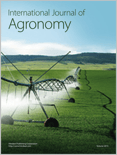
International Journal of Agronomy
Exploring the Frontiers of Agronomy and Crop ScienceIntroducing the International Journal of Agronomy, an influential publication in the field of agricultural sciences, established by HINDAWI LTD. With an impact factor that reflects its relevance and quality, this journal has been an essential resource for researchers and professionals since its shift to Open Access in 2009, facilitating widespread dissemination of knowledge. Based in the United States, the journal has achieved notable recognition within the academic community, currently ranked in the Q2 quartile among Agronomy and Crop Science, with an impressive Scopus Rank of #139 out of 406 in its category, representing the top 65th percentile. Spanning from 2013 to 2024, it aims to advance the understanding and innovation in agronomy through its rigorous peer-reviewed research articles, reviews, and case studies. With a commitment to enhancing global agricultural practices and sustainability, the International Journal of Agronomy stands as a vital platform for sharing cutting-edge findings that ultimately contribute to the advancement of the agronomic sciences.

PLANT PROTECTION SCIENCE
Championing plant protection science for a sustainable tomorrow.PLANT PROTECTION SCIENCE, published by the Czech Academy Agricultural Sciences, is an esteemed journal dedicated to advancing the field of agronomy, crop science, and soil science. With a strong open access policy since 2007, this journal has made significant contributions to the dissemination of research relevant to plant protection, sustainable agriculture, and environmental preservation. Operating from Prague, Czech Republic, it has successfully positioned itself within the Q2 category in Agronomy and Crop Science and Q3 in Soil Science as of 2023, highlighting its relevance and influence in these vital areas of agricultural research. According to Scopus, its rankings reflect a respectable standing, with percentile ranks of 58th in Agronomy and Crop Science and 53rd in Soil Science. Researchers, professionals, and students are encouraged to explore its rich repository of peer-reviewed articles, which aim to address critical challenges in plant health and production, thereby fostering innovation in agricultural practices.

Scientific Papers-Series A-Agronomy
Driving Progress in Sustainable Crop SolutionsScientific Papers-Series A-Agronomy is a premier academic journal dedicated to the field of agronomy, published by the University of Agronomic Sciences and Veterinary Medicine Bucharest. With an emphasis on innovative research and practical applications, this journal serves as a vital platform for disseminating new findings in agricultural science, sustainable practices, and crop management strategies. Though the journal currently operates under traditional access options, it remains pivotal in supporting the academic community in Romania and beyond. The ISSN (2285-5785) and E-ISSN (2285-5807) ensure that the work published is easily accessible to researchers and practitioners alike, fostering the exchange of knowledge and advancements within the agricultural sector. By continually addressing contemporary issues in agronomy, Scientific Papers-Series A-Agronomy strives to promote sustainable agricultural practices and enhance food security, making it an essential resource for professionals, students, and researchers keen on advancing their understanding and expertise in this critical field.

RUSSIAN JOURNAL OF NEMATOLOGY
Diving Deep into Nematode Ecology and EvolutionRUSSIAN JOURNAL OF NEMATOLOGY, published by the Russian Academy of Sciences, Institute of Parasitology, serves as an essential platform for disseminating comprehensive research on nematodes and their ecological significance. With a strong foundation since its inception in 1996, this journal addresses critical areas within the fields of Animal Science and Zoology, as well as Ecology, Evolution, Behavior, and Systematics, currently positioned in the Q3 category for both domains. In 2023, the journal ranks #216 out of 490 in Animal Science and Zoology, and #387 out of 721 in Ecology, reflecting its growing impact within the scientific community. Though it is not an open-access journal, RUSSIAN JOURNAL OF NEMATOLOGY remains a pivotal resource for researchers, professionals, and students seeking to advance their understanding of nematological science, particularly in the context of ecological interactions and parasitic relationships. Each issue synthesizes innovative research findings that contribute to the broader discourse on biodiversity and ecosystem health.
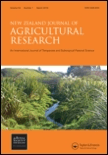
NEW ZEALAND JOURNAL OF AGRICULTURAL RESEARCH
Innovating Solutions for Modern Agricultural ChallengesNEW ZEALAND JOURNAL OF AGRICULTURAL RESEARCH is a prestigious, peer-reviewed journal published by Taylor & Francis Ltd that has been at the forefront of agricultural science since its inception in 1958. With a strong focus on the fields of Agronomy and Crop Science, Animal Science and Zoology, Plant Science, and Soil Science, this journal has established itself in the academic community, achieving a notable Q2 ranking in various agricultural categories as of 2023. The journal thrives on its commitment to disseminating cutting-edge research and innovative practices that address contemporary challenges in agriculture. Although it does not currently offer an open access option, its valuable contributions can be accessed through various academic platforms, ensuring that vital research reaches a wide audience of researchers, professionals, and students globally. The journal's continued relevance and authority are reflected in its strong Scopus rankings, further emphasizing its role as a critical journal within the agricultural sciences.

Revista Brasileira de Ciencias Agrarias-Agraria
Illuminating the path for future agricultural advancements.Revista Brasileira de Ciencias Agrarias-Agraria is an esteemed academic journal published by the Universidade Federal Rural de Pernambuco, dedicated to advancing the field of agricultural and biological sciences. With a focus on disseminating high-quality research, this journal plays a pivotal role in fostering knowledge exchange within the agricultural community, particularly in Brazil and beyond. As a Q3 ranked publication in the Agricultural and Biological Sciences category, Revista Brasileira de Ciencias Agrarias-Agraria contributes to the growing body of literature by featuring insightful articles from both emerging and established researchers in the field. The journal has been consistently published since 2011 and is committed to open access principles, ensuring that research findings are accessible to a wide audience. Researchers, professionals, and students will find this journal an invaluable resource for deepening their understanding of current trends and innovations in agriculture.
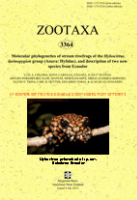
Zootaxa
Unveiling the wonders of taxonomy and ecology.Zootaxa is a prestigious peer-reviewed journal dedicated to the rapid publication of new taxa and biodiversity research in the fields of Animal Science and Zoology as well as Ecology, Evolution, Behavior, and Systematics. Published by Magnolia Press in New Zealand since 2005, this journal holds a significant position within the academic community, holding a Q2 ranking in key categories as of 2023. With an ISSN of 1175-5326 and E-ISSN of 1175-5334, Zootaxa is indexed in Scopus, reflecting its impact and relevance in contemporary research. While it operates under a subscription model, the journal remains committed to advancing the understanding of biodiversity and the systematic classification of organisms. Researchers, professionals, and students can rely on Zootaxa for high-quality research that contributes to the ongoing dialogue in taxonomy and ecological studies, as it aims to foster collaboration and knowledge sharing among scientists globally.

Romanian Agricultural Research
Advancing Agricultural Science for a Sustainable FutureRomanian Agricultural Research is a prominent academic journal dedicated to advancing the field of agricultural science with a specific focus on agronomy and crop management. Published by the NATL AGRICULTURAL RESEARCH & DEVELOPMENT INST in Romania, this journal has established itself as an important resource within its discipline, evidenced by its Q3 ranking in the Agronomy and Crop Science category for 2023. With its ongoing publication since 2008, the journal provides a platform for researchers and professionals to disseminate their findings and share innovative practices that address the challenges faced in agricultural development. Although it operates under a non-open access model, Romanian Agricultural Research commits to rigorous peer-review processes, ensuring the high-quality content that enhances the academic community’s knowledge base. The journal's objective is to foster dialogues surrounding sustainable agriculture, improve crop yield, and contribute to the enhancement of agricultural practices globally. Researchers, professionals, and students will find this journal to be an invaluable repository of knowledge and a catalyst for future agricultural innovations.

Legume Research
Cultivating Knowledge for Sustainable Legume SolutionsLegume Research, published by the AGRICULTURAL RESEARCH COMMUNICATION CENTRE in India, is an essential peer-reviewed journal focusing on advancements in the field of agronomy, crop science, soil science, and plant science. With an ISSN of 0250-5371 and operating since 2008, this journal caters to researchers, agricultural professionals, and students interested in the critical role of legumes in sustainable agriculture and food security. It ranks within the third quartile (Q3) in several prominent categories, reflecting its contribution to the agricultural and biological sciences community—ranking #279 in Agronomy and Crop Science, #113 in Soil Science, and #376 in Plant Science based on Scopus metrics. Although not open access, Legume Research remains a vital resource for those seeking to enhance their knowledge and contribute novel research findings in the ever-evolving discipline of legume cultivation and utilization. With a clear objective to disseminate impactful research, this journal significantly contributes to the global understanding of legumes' ecological, economic, and nutritional importance.

SPANISH JOURNAL OF AGRICULTURAL RESEARCH
Exploring Solutions for a Greener TomorrowThe Spanish Journal of Agricultural Research (ISSN: 1695-971X, E-ISSN: 2171-9292), published by the prestigious Consejo Superior Investigaciones Cientificas (CSIC), serves as a vital resource for those engaged in the fields of agronomy and crop science. Established as an Open Access journal since 2003, it aims to foster the dissemination of innovative research and practical applications related to agricultural practices and sustainability. With its Q3 category in Agronomy and Crop Science and a Scopus ranking of #224 out of 406, the journal provides an accessible platform for scholars to share valuable findings that enhance agricultural productivity and environmental stewardship. Covering research from 2006 to 2024, this journal continues to be instrumental for researchers, professionals, and students eager to remain at the forefront of agricultural science advancements.