NIPPON SUISAN GAKKAISHI
Scope & Guideline
Navigating the Waters of Aquatic Discovery
Introduction
Aims and Scopes
- Aquaculture Research:
The journal publishes studies on the breeding, growth, and health management of fish and shellfish species, including innovative feeding strategies and breeding technologies. - Marine Ecology and Biodiversity:
Research articles exploring marine ecosystems, species interactions, and biodiversity are central to the journal, highlighting the ecological significance of marine organisms. - Fisheries Management and Policy:
The journal discusses stock assessments, management strategies, and the socio-economic aspects of fisheries, aiming to inform sustainable practices. - Innovative Technologies in Fisheries:
Nippon Suisan Gakkaishi covers advancements in technology for monitoring, processing, and enhancing fishery productivity, including genetic and molecular techniques. - Environmental Impact Studies:
Research investigating the effects of environmental changes, pollution, and climate change on marine life and fisheries is a critical area of focus.
Trending and Emerging
- Sustainable Aquaculture Practices:
There is a growing emphasis on sustainable aquaculture methods, including the use of alternative feeds such as insect-based diets and environmentally friendly practices. - Climate Change Impact on Marine Ecosystems:
Research focusing on the impacts of climate change on marine biodiversity and fishery resources has gained prominence, addressing urgent ecological concerns. - Technological Innovations in Fisheries:
Emerging themes include the application of machine learning, GIS, and other technological advancements in fisheries management and monitoring. - Biodiversity and Conservation Efforts:
An increasing number of studies are dedicated to understanding and preserving marine biodiversity, particularly in relation to habitat degradation and species conservation. - Public Engagement and Fisheries Policy:
There is a trend towards incorporating public engagement and participatory approaches in fisheries management, highlighting the importance of community involvement in sustainable practices.
Declining or Waning
- Traditional Fishing Practices:
There has been a noticeable reduction in studies centered around traditional fishing methods and practices, likely due to the increasing shift towards more technologically advanced and sustainable approaches. - In-depth Studies on Specific Species:
Research focused on individual species, particularly those that are less commercially significant, appears to have waned, with a greater emphasis now on broader ecological studies and conservation efforts. - Marine Toxins and Safety Studies:
Although still relevant, the frequency of publications specifically dedicated to marine toxins and food safety has decreased, possibly due to a shift towards integrated approaches that encompass broader ecological health.
Similar Journals
FISH AND FISHERIES
Advancing aquatic science for a sustainable future.FISH AND FISHERIES is a premier academic journal published by Wiley, dedicated to advancing knowledge in the fields of aquatic science, ecology, and oceanography. With an impressive impact reflected in its 2023 categorization in the Q1 quartile across multiple disciplines—including Aquatic Science and Management, Monitoring, Policy and Law—it serves as an essential resource for researchers, professionals, and students alike. This journal includes rigorous, peer-reviewed articles that address the multifaceted aspects of fish biology, conservation, and sustainable fisheries management. The journal's Scopus rankings further validate its significance, with top positions in Earth and Planetary Sciences, and its commitment to fostering scientific dialogue in an era where the oceans and aquatic ecosystems face unprecedented challenges. Despite not being an Open Access journal, FISH AND FISHERIES remains a vital platform for innovative research that informs policy and drives stewardship of fish populations and their habitats.

GULF AND CARIBBEAN RESEARCH
Empowering Voices in Gulf and Caribbean ResearchGulf and Caribbean Research is an esteemed academic journal published by the University of Southern Mississippi, dedicated to advancing the understanding of aquatic ecosystems in the Gulf of Mexico and the Caribbean region. With an ISSN of 1528-0470 and an E-ISSN of 2572-1410, the journal serves as an essential platform for researchers and professionals in the fields of Aquatic Science, Oceanography, and Water Science and Technology, recognized in the 2023 Q3 Quartile rankings across these disciplines. The journal welcomes diverse contributions including original research, reviews, and technical notes, encouraging interdisciplinary approaches to address ecological and environmental challenges within its scope. Despite the absence of an open access option, it provides invaluable insights, evidenced by its Scopus rankings, which position it within the 31st to 33rd percentile across various related categories. The engaging research articulated in Gulf and Caribbean Research fosters dialogue and collaboration, making it a vital resource for those committed to scientific discovery and conservation efforts in these critical aquatic environments.
FISHERIES RESEARCH
Empowering the aquatic science community with cutting-edge research.Fisheries Research, published by Elsevier, is a leading international journal dedicated to the advancement and dissemination of research in the field of aquatic science. With an ISSN of 0165-7836 and E-ISSN 1872-6763, this influential journal has been pivotal in shaping fisheries management and conservation strategies since its inception in 1981. As a distinguished publication ranked in the Q1 category for Aquatic Science in 2023, it holds a prestigious position, reflected in its Scopus ranking of 73/247 in Agricultural and Biological Sciences. Fisher fisheries research encompasses a diverse array of topics such as fish population dynamics, ecosystem management, and sustainable practices, making it an essential resource for researchers, professionals, and students alike. Although it currently does not offer Open Access, the journal remains a crucial platform for disseminating high-quality research and fostering dialogue within the aquatic science community. With its address at Radarweg 29, 1043 NX Amsterdam, Netherlands, Fisheries Research continues to contribute significantly to the global discourse on fisheries science and management.
ACTA OCEANOLOGICA SINICA
Exploring the Depths of Aquatic ScienceACTA OCEANOLOGICA SINICA, published by SPRINGER, stands as a significant voice in the fields of Aquatic Science and Oceanography, contributing vital research and insights since its inception in 1985. With an ISSN of 0253-505X and an E-ISSN of 1869-1099, this journal maintains a strong international focus, delivering high-quality peer-reviewed articles that address pressing marine and freshwater environmental issues. Although it operates under a subscription model, its Q3 ranking in both Aquatic Science and Oceanography demonstrates its solid standing within Scopus, placing it in the 48th and 44th percentiles respectively. The journal aims to foster knowledge exchange and collaboration among researchers, professionals, and students by providing a platform for innovative studies and comprehensive reviews. With a dedicated editorial board and a commitment to advancing scientific understanding, ACTA OCEANOLOGICA SINICA serves as an essential resource for anyone engaged in the study of oceanographic phenomena and aquatic ecosystems.
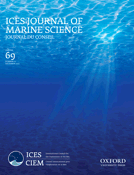
ICES JOURNAL OF MARINE SCIENCE
Pioneering Research in Marine Science Since 1903The ICES Journal of Marine Science, published by Oxford University Press, stands at the forefront of marine research, offering cutting-edge insights into aquatic sciences and oceanography since its inception in 1903. With its ISSN 1054-3139 and E-ISSN 1095-9289, this esteemed journal has garnered a reputation for excellence, evidenced by its Q1 rankings in categories such as Aquatic Science, Ecology, and Oceanography as of 2023. The journal's commitment to advancing knowledge in marine systems makes it an essential resource for researchers, professionals, and students alike, who are keen to explore the intricate ecosystems that sustain our planet. Without an open access model, the journal maintains a rigorous editorial standard and is recognized among the top journals, ranking impressively in various Scopus categories. Authored contributions reflect pioneering research that informs policy and fosters sustainable practices, making this journal a critical platform for disseminating marine science knowledge.

BULLETIN OF MARINE SCIENCE
Pioneering insights in marine and atmospheric studies.BULLETIN OF MARINE SCIENCE, published by Rosenstiel School of Marine and Atmospheric Science, is a prominent journal dedicated to advancing the field of marine science through scholarly research and peer-reviewed articles. With an ISSN of 0007-4977 and an E-ISSN of 1553-6955, this journal has been contributing to significant scientific discourse since its inception in 1973. Covering a wide spectrum of topics in aquatic sciences and oceanography, it has maintained a respectable position in the academic community, as evidenced by its Q3 ranking in both categories for 2023. Although currently not an open-access journal, it provides essential access to groundbreaking research that informs marine conservation, ecological studies, and atmospheric sciences. Situated in the United States at 4600 Rickenbacker Causeway, Miami, FL 33149, the journal serves as a vital resource for researchers, professionals, and students seeking to engage with the latest findings in marine science and foster a deeper understanding of our oceans.

REVISTA DE BIOLOGIA MARINA Y OCEANOGRAFIA
Navigating the Future of Marine BiologyREVISTA DE BIOLOGIA MARINA Y OCEANOGRAFIA is a prominent academic journal dedicated to the fields of marine biology and oceanography, published by the Faculty of Marine Sciences and Natural Resources at Universidad de Valparaíso, Chile. Since its inception in 1996, this journal has been a vital platform for disseminating research findings and advancements in aquatic sciences, covering a breadth of topics relevant to the marine environment. With its current impact positioned within the Q4 quartile of both Aquatic Science and Oceanography categories in 2023, the journal serves as an essential resource for scholars, practitioners, and students alike, aiming to enhance their understanding of marine ecosystems. While the journal does not provide open access options, it continues to contribute valuable insights, helping to foster a deeper appreciation for oceanographic science and marine biodiversity. Located in the scenic city of Viña del Mar, Chile, this publication invites manuscripts that push the boundaries of knowledge and stimulate discourse within the marine sciences community, thereby promoting sustainable management and conservation of oceanic resources.
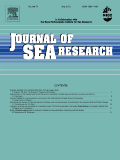
JOURNAL OF SEA RESEARCH
Advancing Marine Science for a Sustainable FutureJOURNAL OF SEA RESEARCH, published by Elsevier, is a premier academic journal dedicated to advancing knowledge in the fields of aquatic science, ecology, and oceanography. Since its inception in 1996, this journal has provided a vital platform for researchers and professionals to disseminate groundbreaking findings and promote fostering interdisciplinary discussions. With its impressive Q2 ranking in multiple categories, including Aquatic Science and Ecology, Evolution, Behavior and Systematics, it positions itself as a significant contributor to marine and environmental studies. The journal is accessible in both print (ISSN: 1385-1101) and online formats (E-ISSN: 1873-1414), ensuring wide reach and engagement within the scholarly community. Researchers and students alike will find the journal not only a reliable source of information but also a source of inspiration for future explorations. With a commitment to quality and a broad scope that spans fundamental to applied research, JOURNAL OF SEA RESEARCH remains an indispensable resource for understanding the complexities of marine environments and their relevance to our changing world.

Fishes is a premier academic journal dedicated to the exploration and dissemination of cutting-edge research in the fields of aquatic science and ecology. Published by MDPI in Switzerland, this open-access journal has been accessible to researchers globally since its inception in 2016, allowing for the rapid exchange of knowledge that fosters scientific advancement in the study of fish and aquatic ecosystems. With its convergence in the years 2016 to 2024, Fishes proudly holds a notable position in the academic community, evidenced by its category quartile rankings of Q3 in Aquatic Science and Q2 in Ecology for 2023. The journal consistently features innovative research encompassing ecological interactions, conservation strategies, and evolutionary studies within aquatic environments. By integrating interdisciplinary approaches and encouraging contributions from a diverse array of experts, Fishes serves as an invaluable resource for researchers, professionals, and students alike, contributing to the understanding and preservation of our precious aquatic biodiversity.

BOLETIM DO INSTITUTO DE PESCA
Illuminating emerging studies in aquatic sciences.BOLETIM DO INSTITUTO DE PESCA, published by the Instituto Pesca, is a Brazilian journal dedicated to advancing the fields of Animal Science and Aquatic Science. With its Open Access policy adopted in 2008, the journal ensures that research is widely disseminated, fostering collaboration and innovation among researchers, professionals, and students alike. Despite its recent Q4 category rankings in the 2023 metrics for both disciplines, the journal plays a vital role in providing a platform for emerging studies and critical discussions related to aquatic ecosystems and fisheries management. Covering a wide range of topics within its scope, BOLETIM DO INSTITUTO DE PESCA publishes original research, reviews, and case studies, stimulating academic dialogue and contributing to the sustainable management of aquatic resources in Brazil and beyond. This journal is an essential resource for anyone invested in marine and freshwater biology, ecology, and conservation.