Nuclear Engineering and Technology
metrics 2024
Advancing the Future of Nuclear Energy
Introduction
Nuclear Engineering and Technology, published by the Korean Nuclear Society, is a premier Open Access journal dedicated to the rapidly evolving fields of nuclear energy and engineering. Established as a significant platform for scholarly communication since 2008, this journal has consistently anchored itself in the academic community, achieving a Q2 ranking in its category as of 2023, reflecting its influence and quality within the domain of Nuclear Energy and Engineering. With an impressive Scopus ranking of #15 out of 77, positioning it in the 81st percentile, the journal publishes cutting-edge research that addresses both fundamental and applied aspects of nuclear technology. Nuclear Engineering and Technology embraces an open access model since 2013, ensuring that valuable research is accessible to a global audience, thereby enhancing collaboration among researchers, professionals, and students passionate about advancing nuclear technology. The journal serves as an essential resource for those aiming to innovate and push the boundaries of knowledge in nuclear sciences.
Metrics 2024
 0.692.602.6060
Metrics History
Rank 2024
Scopus
IF (Web Of Science)
JCI (Web Of Science)
Quartile History
Similar Journals
Journal of Computational and Theoretical Transport
Unlocking the Potential of Transport Models and ApplicationsJournal of Computational and Theoretical Transport, published by Taylor & Francis Inc, is a dedicated platform for researchers and professionals in the fields of applied mathematics, mathematical physics, and transportation. Since its inception in 2013, this journal has offered valuable insights into computational and theoretical approaches to transport phenomena, bridging various scientific disciplines and fostering interdisciplinary collaborations. While the journal currently holds a Q4 ranking in categories such as Applied Mathematics and Statistical and Nonlinear Physics, it aims to elevate the quality of research published in these areas through rigorous peer review and a commitment to advancing knowledge. The university-sponsored studies, which cover a wide spectrum of transport models and their applications, make it a vital resource for students and academics alike. Positioned within the United Kingdom, this journal continues to attract a global readership interested in the latest developments and theoretical advancements in transportation science. With no open access option, readers can expect high-quality, curated content that reflects ongoing research trends and methodologies, contributing to the broader field of physics and engineering.
ATOMIC ENERGY
Catalyzing collaboration in the nuclear research community.ATOMIC ENERGY is a distinguished journal published by SPRINGER, focusing on pivotal advancements and research within the field of Nuclear Energy and Engineering. With an ISSN of 1063-4258 and an E-ISSN of 1573-8205, this journal has been a critical resource since its inception in 1956, serving both historic and contemporary scientific inquiries into nuclear technologies. Currently positioned in Q3 of the Nuclear Energy and Engineering category, ATOMIC ENERGY ranks 49 out of 77 in Scopus, representing a percentile of 37%, highlighting its relevance in the research community. While it is not an open access journal, it continues to draw a diverse readership eager to engage with the latest findings and innovations in nuclear science. The journal’s objectives include fostering collaborative research, sharing expertise, and addressing contemporary challenges in nuclear energy. As such, ATOMIC ENERGY remains an essential platform for researchers, professionals, and students alike, contributing significantly to the ongoing dialogue in the field.
Nuclear Science and Techniques
Connecting Researchers to the Heart of Nuclear InnovationNuclear Science and Techniques is a distinguished peer-reviewed journal published by Springer Singapore Pte Ltd, dedicated to advancing the fields of nuclear science and engineering. With an impressive impact factor reflected in its 2023 quartile rankings—Q2 in Nuclear and High Energy Physics and Q1 in Nuclear Energy and Engineering—the journal serves as a vital resource for researchers, professionals, and students alike. Covering a breadth of topics from nuclear physics to energy applications, it offers a platform for innovative research and developments in the nuclear domain. The journal, indexed under ISSN 1001-8042 and E-ISSN 2210-3147, aims to foster scientific exchange and collaboration within the community by publishing high-quality articles that contribute significantly to the field. Committed to maintaining an open-access ethos, it enhances visibility and accessibility of critical knowledge, making it an essential source for current insights and trends in nuclear science.
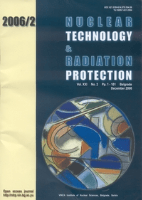
Nuclear Technology & Radiation Protection
Exploring the frontiers of nuclear energy and safety.Nuclear Technology & Radiation Protection is a distinguished open-access journal published by the VINCA Institute of Nuclear Sciences, Serbia, dedicated to advancing knowledge in the fields of nuclear energy and radiation safety. Since its inception in 2002, the journal has been an essential resource for researchers, professionals, and students, offering a platform for the dissemination of high-quality research that contributes to the safe and efficient use of nuclear technology. With an impressive Q2 ranking in both the Nuclear Energy and Engineering and Safety, Risk, Reliability and Quality categories for 2023, the journal reflects a commitment to excellence and relevance within its scope. It serves as a pivotal forum for sharing innovative findings, addressing current challenges, and contributing to the global discourse on nuclear safety and technology. The journal is indexed in Scopus, enhancing its visibility and impact in the academic community. By facilitating unrestricted access to its articles, Nuclear Technology & Radiation Protection continues to foster collaboration and engagement among scholars in the nuclear science domain.
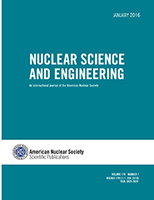
NUCLEAR SCIENCE AND ENGINEERING
Exploring the Future of Nuclear ScienceNUCLEAR SCIENCE AND ENGINEERING, published by Taylor & Francis Inc, is a leading journal in the field of nuclear energy and engineering, providing a vital platform for disseminating cutting-edge research and advancements from both academia and industry. With an ISSN of 0029-5639 and an E-ISSN of 1943-748X, the journal boasts a notable impact factor and is categorized in the Q2 quartile for 2023, reflecting its influence and quality in the field. Covering a comprehensive scope from the inception of nuclear technology in 1969 to contemporary advancements forecasted for 2024, it ranks #38 out of 77 in the Scopus Energy – Nuclear Energy and Engineering category, placing it in the 51st percentile. Although the journal is not open access, it remains essential for researchers, professionals, and students seeking to stay abreast of the latest developments and innovations in nuclear science. Located in the heart of Philadelphia, NUCLEAR SCIENCE AND ENGINEERING contributes significantly to the advancement of nuclear engineering knowledge and practice, making it a crucial resource for anyone involved in this dynamic field.
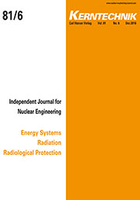
KERNTECHNIK
Exploring the frontiers of materials and energy science.KERNTECHNIK is a distinguished journal specializing in the fields of Materials Science, Nuclear and High Energy Physics, and Nuclear Energy and Engineering. Published by WALTER DE GRUYTER GMBH, this journal has continuously contributed to advancing knowledge and research in nuclear technologies and related safety measures since its inception in 1969. With an ISSN of 0932-3902 and an E-ISSN of 2195-8580, KERNTECHNIK serves as a vital platform for academics and professionals seeking to delve into both theoretical and practical aspects of nuclear science and technology. Though listed in the Q4 quartile across multiple categories in 2023, the journal's commitment to publishing rigorously peer-reviewed articles ensures that it remains a respected resource, facilitating academic discourse and innovation. It is particularly aligned for those conducting research or working in safety, risk, reliability, and quality within the nuclear sector, and its extensive historical archive allows for in-depth exploration of evolving technologies. Aimed at foster cooperation between researchers, policymakers, and industry experts globally, KERNTECHNIK continues to play an important role in shaping the future of nuclear science.

NUCLEAR INSTRUMENTS & METHODS IN PHYSICS RESEARCH SECTION B-BEAM INTERACTIONS WITH MATERIALS AND ATOMS
Unraveling the Mysteries of Materials and AtomsNUCLEAR INSTRUMENTS & METHODS IN PHYSICS RESEARCH SECTION B-BEAM INTERACTIONS WITH MATERIALS AND ATOMS, published by Elsevier, is a pivotal journal in the fields of nuclear and high energy physics as well as instrumentation. With an ISSN of 0168-583X and an E-ISSN of 1872-9584, this journal has been a significant contributor to the scientific community since its inception in 1983. Covering an extensive range of topics related to beam interactions with various materials and atoms, the journal serves as an essential resource for researchers, professionals, and students alike. It holds a respectable Q3 category ranking in both instrumentation and nuclear high energy physics as of 2023, indicating its relevance and quality within these domains. While the journal currently does not offer open access options, its invaluable findings are accessible through numerous academic libraries and institutions. With the publication's emphasis on fostering advancements in experimental techniques, instrumentation developments, and theoretical insights, it undoubtedly plays a crucial role in the ongoing progress and innovation in the field.

Nuclear Materials and Energy
Advancing the Future of Nuclear Science and EngineeringNuclear Materials and Energy is a premier open-access journal published by Elsevier, dedicated to the dynamic fields of nuclear science and materials engineering. Since its inception in 2015, the journal has made significant strides in disseminating cutting-edge research, establishing itself as a vital resource for researchers and professionals alike. With a commendable impact factor and ranked in the Q2 category for both Materials Science (miscellaneous) and Nuclear and High Energy Physics, and impressively in Q1 for Nuclear Energy and Engineering in 2023, Nuclear Materials and Energy stands out in the academic community. This journal aims to bridge the gap between fundamental research and practical applications, promoting innovative solutions in the efficient utilization of nuclear materials and energy technologies. Open access since 2015, the journal ensures wide dissemination and accessibility of crucial findings, making it an essential platform for advancing knowledge and fostering collaboration in these pivotal fields.
Mechanical Engineering Journal
Bridging theory and practice in mechanical engineering excellence.The Mechanical Engineering Journal, published by the Japan Society of Mechanical Engineers, serves as a premier platform for scholarly discourse in the field of mechanical engineering. With an ISSN of 2187-9745 and embracing an Open Access model since 2014, this journal fosters wide dissemination of research findings, ensuring that valuable insights are accessible to a global audience. The journal aims to bridge the gap between theoretical advancements and practical applications in mechanical engineering, making it a vital resource for researchers, industry professionals, and students alike. Located in the heart of Tokyo, Japan, this publication upholds the highest standards of academic integrity and innovation, contributing significantly to advancements in mechanical engineering and related disciplines. Stay abreast of powerful research that pushes the boundaries of technology and engineering applications by exploring the latest issues of this influential journal.
Plasma and Fusion Research
Exploring the Frontiers of Plasma Dynamics and Fusion TechnologyPlasma and Fusion Research is a pivotal journal within the realm of plasma science and nuclear fusion, published by the Japan Society of Plasma Science and Nuclear Fusion Research. With an ISSN of 1880-6821, this journal serves as a vital platform for disseminating significant research findings and advancements from Japan and around the globe. Operating since 2006, it has steadily contributed to the field, reflected in its recognition as a Q3 journal in Condensed Matter Physics for the year 2023 and its ranking of #383 out of 434 in the Scopus categories, placing it in the 11th percentile. Although it currently does not offer open access, the journal's commitment to quality research makes it essential reading for researchers, professionals, and students keen on exploring the complexities of plasma dynamics, fusion technology, and their applications in energy production. Situated in Nagoya, Japan, the journal fosters a collaborative environment aimed at pushing the boundaries of knowledge in plasma physics and enhancing the understanding of fusion processes.