
Nuclear Materials and Energy
metrics 2024
Bridging Research and Application in Nuclear Energy
Introduction
Nuclear Materials and Energy is a premier open-access journal published by Elsevier, dedicated to the dynamic fields of nuclear science and materials engineering. Since its inception in 2015, the journal has made significant strides in disseminating cutting-edge research, establishing itself as a vital resource for researchers and professionals alike. With a commendable impact factor and ranked in the Q2 category for both Materials Science (miscellaneous) and Nuclear and High Energy Physics, and impressively in Q1 for Nuclear Energy and Engineering in 2023, Nuclear Materials and Energy stands out in the academic community. This journal aims to bridge the gap between fundamental research and practical applications, promoting innovative solutions in the efficient utilization of nuclear materials and energy technologies. Open access since 2015, the journal ensures wide dissemination and accessibility of crucial findings, making it an essential platform for advancing knowledge and fostering collaboration in these pivotal fields.
Metrics 2024
 -2.302.40-
Metrics History
Rank 2024
IF (Web Of Science)
JCI (Web Of Science)
Quartile History
Similar Journals
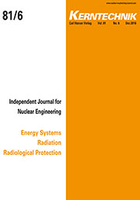
KERNTECHNIK
Bridging research and industry for nuclear advancements.KERNTECHNIK is a distinguished journal specializing in the fields of Materials Science, Nuclear and High Energy Physics, and Nuclear Energy and Engineering. Published by WALTER DE GRUYTER GMBH, this journal has continuously contributed to advancing knowledge and research in nuclear technologies and related safety measures since its inception in 1969. With an ISSN of 0932-3902 and an E-ISSN of 2195-8580, KERNTECHNIK serves as a vital platform for academics and professionals seeking to delve into both theoretical and practical aspects of nuclear science and technology. Though listed in the Q4 quartile across multiple categories in 2023, the journal's commitment to publishing rigorously peer-reviewed articles ensures that it remains a respected resource, facilitating academic discourse and innovation. It is particularly aligned for those conducting research or working in safety, risk, reliability, and quality within the nuclear sector, and its extensive historical archive allows for in-depth exploration of evolving technologies. Aimed at foster cooperation between researchers, policymakers, and industry experts globally, KERNTECHNIK continues to play an important role in shaping the future of nuclear science.
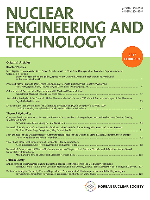
Nuclear Engineering and Technology
Connecting Scholars for a Sustainable Nuclear FutureNuclear Engineering and Technology, published by the Korean Nuclear Society, is a premier Open Access journal dedicated to the rapidly evolving fields of nuclear energy and engineering. Established as a significant platform for scholarly communication since 2008, this journal has consistently anchored itself in the academic community, achieving a Q2 ranking in its category as of 2023, reflecting its influence and quality within the domain of Nuclear Energy and Engineering. With an impressive Scopus ranking of #15 out of 77, positioning it in the 81st percentile, the journal publishes cutting-edge research that addresses both fundamental and applied aspects of nuclear technology. Nuclear Engineering and Technology embraces an open access model since 2013, ensuring that valuable research is accessible to a global audience, thereby enhancing collaboration among researchers, professionals, and students passionate about advancing nuclear technology. The journal serves as an essential resource for those aiming to innovate and push the boundaries of knowledge in nuclear sciences.
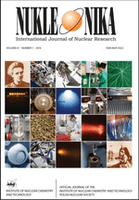
NUKLEONIKA
Leading the Charge in Open Access Scientific InquiryNUKLEONIKA, published by SCIENDO, is a leading open access journal that has been serving the scientific community since its establishment in 1968. Focused on the domains of Nuclear and High Energy Physics, Condensed Matter Physics, and Nuclear Energy and Engineering, this journal provides a platform for innovative research and technological advancements in a variety of interdisciplinary fields. With an impressive history of publications and a current Q3 ranking in several categories, including Safety, Risk, Reliability and Quality and Waste Management and Disposal, NUKLEONIKA is recognized for its significant contributions to scientific discourse. Open access since 2014, the journal ensures that all research outputs are freely available, facilitating broad dissemination and accessibility for researchers, professionals, and students alike. Located in the heart of Warsaw, Poland, NUKLEONIKA aims to inspire collaborative efforts and foster a deeper understanding of complex physical phenomena and their practical implications.
PROCEEDINGS OF THE INSTITUTION OF MECHANICAL ENGINEERS PART L-JOURNAL OF MATERIALS-DESIGN AND APPLICATIONS
Empowering Researchers to Shape the Future of Materials EngineeringPROCEEDINGS OF THE INSTITUTION OF MECHANICAL ENGINEERS PART L-JOURNAL OF MATERIALS-DESIGN AND APPLICATIONS is a prestigious academic journal published by SAGE PUBLICATIONS LTD, focusing on the dynamic fields of mechanical engineering and materials science. With an impressive impact factor reflective of its rigorous scholarly contributions, this journal serves as a vital platform for the dissemination of innovative research and practical applications in materials design and engineering processes. Since its inception in 1999 and continuing through 2024, it has maintained a robust reputation, achieving a Q2 ranking in both Materials Science (miscellaneous) and Mechanical Engineering categories, as well as commendable Scopus ranks that place it in the top percentiles of its fields. Located in the United Kingdom, the journal encourages submissions from researchers and professionals who are seeking to advance their understanding of materials applications while fostering interdisciplinary collaboration. Although it currently operates under traditional access terms, the journal prioritizes impactful research that addresses contemporary challenges in design and manufacturing, ensuring that it remains a must-read for anyone invested in the innovations shaping our technological landscape.
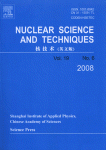
Nuclear Science and Techniques
Illuminating Innovations in Nuclear ScienceNuclear Science and Techniques is a distinguished peer-reviewed journal published by Springer Singapore Pte Ltd, dedicated to advancing the fields of nuclear science and engineering. With an impressive impact factor reflected in its 2023 quartile rankings—Q2 in Nuclear and High Energy Physics and Q1 in Nuclear Energy and Engineering—the journal serves as a vital resource for researchers, professionals, and students alike. Covering a breadth of topics from nuclear physics to energy applications, it offers a platform for innovative research and developments in the nuclear domain. The journal, indexed under ISSN 1001-8042 and E-ISSN 2210-3147, aims to foster scientific exchange and collaboration within the community by publishing high-quality articles that contribute significantly to the field. Committed to maintaining an open-access ethos, it enhances visibility and accessibility of critical knowledge, making it an essential source for current insights and trends in nuclear science.
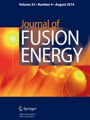
JOURNAL OF FUSION ENERGY
Connecting researchers to the future of fusion technology.The Journal of Fusion Energy, published by Springer, stands as a significant platform for advancing the field of nuclear energy and high-energy physics. With an ISSN of 0164-0313 and an E-ISSN of 1572-9591, this journal has been pivotal for researchers since its inception, tracking the latest innovations and research breakthroughs from 1981 to 1983 and continuing its legacy from 1985 to 2024. Recognized as a Q2 journal in both the Nuclear and High Energy Physics and Nuclear Energy and Engineering categories for 2023, it boasts a respectable Scopus ranking that places it among the top journals in its field—ranking #37 out of 77 in Nuclear Energy and Engineering and #50 out of 87 in Physics and Astronomy. Although it does not offer open access options, the journal remains a crucial resource for professionals, researchers, and students striving to stay informed on the pivotal developments in fusion energy research. Its comprehensive articles are designed to engage the academic community, paving the way for new paradigms in energy production and sustainability.

Problems of Atomic Science and Technology
Fostering Global Collaboration in Atomic Studies.Problems of Atomic Science and Technology is a leading journal in the realm of nuclear physics and technology, published by the esteemed Kharkov Institute of Physics and Technology. With an ISSN of 1562-6016, this journal is dedicated to disseminating high-quality research and advancements in atomic sciences, contributing significantly to both academic and practical applications in the field. Although not an open access publication, it ensures rigorous peer review standards to maintain the integrity and relevance of cited works. The journal seeks to provide a vital platform for researchers, professionals, and students who are engaged in the exploration of atomic phenomena, nuclear engineering, and associated technologies. Published from Kharkov, Ukraine, the journal also serves as a bridge for international collaboration and innovation, making it indispensable for anyone looking to stay at the forefront of atomic science research.
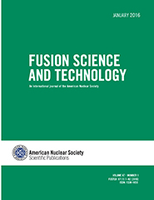
FUSION SCIENCE AND TECHNOLOGY
Pioneering breakthroughs in fusion technology for a brighter tomorrow.FUSION SCIENCE AND TECHNOLOGY is a leading peer-reviewed journal published by Taylor & Francis Inc., dedicated to the advancement of knowledge in the fields of nuclear science, engineering, and fusion technology. With an impact factor that reflects its growing significance, this journal provides a platform for innovative research that addresses the challenges and opportunities within Civil and Structural Engineering, Materials Science, Mechanical Engineering, and Nuclear Energy and Engineering. Its open access option facilitates wider dissemination of groundbreaking research, enhancing visibility and accessibility for researchers, professionals, and students alike. As a member of the Q2 and Q3 Quartiles across various categories—demonstrating its reputable standing among peers—the journal plays a crucial role in fostering collaboration and sharing the latest scientific discoveries in fusion and related technologies from 2001 until 2024. This makes it an essential resource for anyone engaged in the multidisciplinary aspects of fusion science, contributing to the development of sustainable energy solutions.
Frontiers in Mechanical Engineering-Switzerland
Driving Breakthroughs in Engineering ScienceFrontiers in Mechanical Engineering-Switzerland, published by FRONTIERS MEDIA SA, is a pioneering open-access journal that has been fostering innovations in the field of mechanical engineering since its inception in 2015. Based in Switzerland, this journal provides a robust platform for disseminating cutting-edge research across multiple disciplines within mechanical engineering, including materials science, industrial and manufacturing engineering, and computer science applications. With impressive Scopus rankings, including Q2 statuses in key categories such as Industrial and Manufacturing Engineering and Mechanical Engineering, it stands out as a valuable resource for researchers and practitioners aiming to stay abreast of trends and breakthroughs in these fields. By embracing open-access principles, the journal ensures that high-quality research is readily available to a global audience, thereby promoting collaboration and knowledge sharing. As it continues to grow, Frontiers in Mechanical Engineering is poised to make significant contributions to both academic and professional communities, enhancing understanding and advancing practices in engineering disciplines.
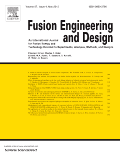
FUSION ENGINEERING AND DESIGN
Driving High-Impact Discoveries in Energy Solutions.FUSION ENGINEERING AND DESIGN is a premier scientific journal published by Elsevier Science SA, dedicated to advancing the field of fusion engineering, materials science, and related disciplines. Established in 1985 and running through 2024, this journal features cutting-edge research that spans multiple categories, including Civil and Structural Engineering, Mechanical Engineering, Materials Science, and Nuclear Energy and Engineering, holding a notable Q2 quartile ranking in each field as of 2023. Catering to a global audience of researchers and professionals, FUSION ENGINEERING AND DESIGN emphasizes the importance of interdisciplinary collaboration and innovative technology in tackling the complex challenges associated with fusion energy. Although it does not offer Open Access, the journal remains an essential resource for those seeking to stay abreast of developments that could shape the future of energy solutions and engineering methodologies. With a dedicated editorial board and a commitment to high-impact publication, this journal serves as a vital platform for disseminating transformative ideas and driving forward the scientific dialogue in fusion engineering.