Open Ophthalmology Journal
Scope & Guideline
Fostering discovery in the realm of ocular health.
Introduction
Aims and Scopes
- Clinical Ophthalmology Research:
The journal publishes original research studies that explore various aspects of clinical ophthalmology, including surgical techniques, treatment outcomes, and diagnostic advancements. - Innovative Technologies in Ophthalmology:
There is a strong emphasis on studies that introduce or evaluate new technologies and methodologies for diagnosing and treating ocular conditions, such as laser treatments, imaging techniques, and drug delivery systems. - Public Health and Epidemiology in Eye Care:
Research focusing on the epidemiology of ocular diseases, public health strategies, and the impact of systemic diseases on eye health is a core area of interest, highlighting the importance of eye care in general health. - Pediatric and Geriatric Ophthalmology:
The journal addresses specific challenges and treatment approaches in pediatric and geriatric populations, recognizing the unique needs and conditions prevalent in these age groups. - Vision Science and Visual Rehabilitation:
There is a focus on studies related to visual impairment, rehabilitation strategies, and the psychological and social aspects of vision loss, aiming to improve quality of life for affected individuals.
Trending and Emerging
- Telemedicine and Digital Health in Ophthalmology:
Recent studies highlight the growing importance of telehealth services and smartphone technology in ophthalmic practice, particularly in screening and monitoring conditions like diabetic retinopathy, reflecting the ongoing digital transformation in healthcare. - Impact of Systemic Diseases on Eye Health:
Research exploring the ocular manifestations of systemic conditions, particularly COVID-19, has gained momentum, emphasizing the interconnectedness of systemic and ocular health and the need for integrated care approaches. - Innovative Surgical Techniques and Treatments:
There is a clear trend towards the introduction and evaluation of novel surgical methods and treatment modalities, such as advanced laser techniques and minimally invasive procedures, showcasing the journal's commitment to advancing clinical practices. - Meibomian Gland Dysfunction and Dry Eye Management:
The increasing focus on meibomian gland dysfunction and dry eye disease reflects a significant shift in understanding and managing these common but often under-addressed conditions in ophthalmology. - Patient-Centered Outcomes and Quality of Life Studies:
Emerging research emphasizes the importance of patient-reported outcomes and satisfaction in ophthalmic treatments, indicating a broader recognition of the need to consider quality of life in clinical decision-making.
Declining or Waning
- Basic Science and Laboratory Research:
There has been a noticeable reduction in the publication of basic science studies related to ophthalmology, such as fundamental research on ocular biology and pathology, suggesting a shift towards more clinically applicable research. - Historical and Retrospective Studies:
The frequency of historical analyses and retrospective studies that do not present new clinical insights or innovative approaches has decreased, indicating a preference for more forward-looking research designs. - Non-Clinical Ophthalmology Topics:
Topics that focus on non-clinical aspects of ophthalmology, such as socio-economic factors or education without direct application to clinical practice, are appearing less frequently, reflecting a trend towards more clinically relevant research.
Similar Journals
Spektrum der Augenheilkunde
Pioneering Insights into Eye CareWelcome to Spektrum der Augenheilkunde, a distinguished journal published by SPRINGER WIEN, dedicated to the field of ophthalmology since its inception in 1987. With an ISSN of 0930-4282 and an E-ISSN of 1613-7523, this journal is recognized for its commitment to publishing original research, reviews, and clinical studies that address current and emerging topics in eye health and treatment. Although classified in the Q4 category for ophthalmology as per the latest 2023 rankings, it serves as a valuable platform for researchers, professionals, and students looking to contribute to and expand their knowledge in this vital area of medicine. Based in Austria and accessible through various academic databases, the journal aims to foster communication among professionals and advance the understanding of ocular diseases, innovative therapies, and clinical best practices.
Saudi Journal of Ophthalmology
Innovative Insights: Shaping the Future of Eye CareSaudi Journal of Ophthalmology, published by Wolters Kluwer Medknow Publications, stands as a crucial platform for the dissemination of innovative research and clinical practices in the field of ophthalmology. Since its inception in 2009, this journal has effectively contributed to the growing body of knowledge with a focus on addressing the diverse visual health challenges faced globally. With an ISSN of 1319-4534 and a E-ISSN of 2542-6680, the journal is indexed in Scopus, where it ranks in the Q3 category of ophthalmology, reflecting its commitment to quality research despite the competitive landscape. Situated in India, it provides a unique regional perspective while facilitating global discourse among researchers, practitioners, and students in ophthalmological sciences. Although it currently does not operate as an open-access journal, the Saudi Journal of Ophthalmology is essential for those aiming to expand their understanding of advancements in eye care, making it a valuable resource for professionals dedicated to enhancing patient outcomes through informed research and clinical practice.
International Journal of Ophthalmology
Pioneering Discoveries in Eye Care and TreatmentThe International Journal of Ophthalmology, with ISSN 2222-3959 and E-ISSN 2227-4898, is a premier open-access publication dedicated to advancing the field of ophthalmology. Published by IJO PRESS in China, this journal has been a valuable resource since its inception in 2005, providing a platform for groundbreaking research and clinical studies in ophthalmic science. With an impressive Q2 ranking in the 2023 Ophthalmology category and a Scopus rank of #65 out of 137, the journal consistently showcases high-quality articles that contribute significantly to the understanding and treatment of eye diseases. Since adopting an open-access model in 2010, it has expanded its reach, allowing researchers, professionals, and students worldwide to access vital knowledge in the field. The journal aims to bridge the gap between laboratory research and clinical practice, making it an essential resource for those committed to improving visual health and advancing ophthalmologic education and innovation.
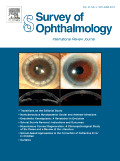
SURVEY OF OPHTHALMOLOGY
Fostering Scholarly Discourse in OphthalmologySURVEY OF OPHTHALMOLOGY is a premier journal published by Elsevier Science Inc, dedicated to advancing knowledge in the field of ophthalmology. With an impact factor reflective of its high-quality research—ranking 7th out of 137 in the Scopus category for medicine and ophthalmology, this journal maintains a prestigious Q1 categorization in its field for 2023. Since its inception in 1956, the journal has provided comprehensive reviews and original articles covering various aspects of ophthalmic research and clinical practice, supporting the ongoing education of researchers, professionals, and students alike. While open access options are not available, the journal remains an essential resource for the latest developments, discoveries, and expert insights that shape the future of eye health. Based in the United States, at STE 800, 230 Park Ave, New York, NY 10169, the journal continues a legacy of excellence in ophthalmology until 2024 and beyond, making it a pivotal element of scholarly discourse in this vital medical discipline.
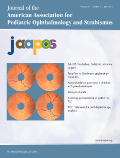
JOURNAL OF AAPOS
Advancing pediatric eye care through innovative research.The JOURNAL OF AAPOS, published by MOSBY-ELSEVIER, is a leading periodical dedicated to advancing knowledge in the fields of Ophthalmology and Pediatrics. With an ISSN of 1091-8531 and E-ISSN 1528-3933, this esteemed journal has been a critical resource for researchers and clinicians since its inception in 1997, continuing through to 2024. Recognized for its pivotal contributions, the journal holds a commendable Q2 ranking in both the Ophthalmology and Pediatrics, Perinatology and Child Health categories as of 2023, reflecting its impact within these essential medical disciplines. Although it operates under a subscription model, the journal consistently delivers high-quality peer-reviewed research articles that push the boundaries of clinical practice and education. Researchers, healthcare professionals, and students rely on the JOURNAL OF AAPOS for insightful studies, clinical guidelines, and innovative practices that aim to enhance patient care and outcomes in pediatric ophthalmology.

African Vision and Eye Health Journal
Transforming ophthalmology with innovative insights.African Vision and Eye Health Journal is an esteemed publication dedicated to advancing the fields of ophthalmology, optometry, and public health across the African continent. Published by AOSIS, this journal serves as a vital platform for disseminating research, clinical practices, and educational advancements aimed at improving eye health and vision care. As an Open Access journal, it ensures that knowledge is freely accessible to researchers, healthcare professionals, and practitioners, fostering collaboration and innovation. With its ISSN 0378-9411 and E-ISSN 2410-3039, the journal is committed to enhancing the understanding of vision-related issues affecting diverse populations, making it an invaluable resource for those dedicated to the promotion of eye health in Africa. By providing cutting-edge research and insights, the African Vision and Eye Health Journal plays a critical role in addressing the challenges of eye health and is a key resource for anyone committed to making a difference in this essential field.
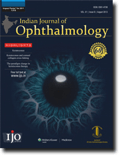
INDIAN JOURNAL OF OPHTHALMOLOGY
Connecting Knowledge: The Heartbeat of OphthalmologyThe Indian Journal of Ophthalmology is a prestigious, peer-reviewed publication dedicated to advancing the field of ophthalmology. Published by Wolters Kluwer Medknow Publications, this journal plays a vital role in disseminating high-quality research and clinical insights since its inception in 1946. With an impact factor placing it in the Q2 category in Ophthalmology for 2023, it ranks #42 out of 137 in Scopus, reflecting its influence and reliability in the medical community. As an Open Access journal since 2005, it ensures that impactful research is accessible to a global audience, fostering innovation and knowledge sharing among researchers, healthcare professionals, and students alike. The journal's commitment to publishing cutting-edge studies, comprehensive reviews, and clinical guidelines makes it an essential resource for those navigating the rapidly evolving landscape of eye care and ophthalmology.
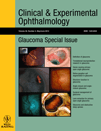
CLINICAL AND EXPERIMENTAL OPHTHALMOLOGY
Pioneering Discoveries for Visionary FuturesCLINICAL AND EXPERIMENTAL OPHTHALMOLOGY is a leading peer-reviewed journal published by Wiley, renowned for its commitment to advancing the field of ophthalmology. With an impressive impact factor reflecting its high-quality research contributions, this journal is ranked in the Q1 category both in Medicine (miscellaneous) and Ophthalmology, signifying its crucial role in shaping contemporary ophthalmic research. It boasts a remarkable position in the Scopus Ranks, standing at Rank #13 out of 137 in the field of Medicine and Ophthalmology, placing it within the 90th percentile among its peers. Having been in circulation since 1979, this journal encompasses a broad scope of topics that aim to disseminate groundbreaking findings and stimulate dialogue among researchers, clinicians, and students alike. It is easily accessible to a global audience, embodying the principles of open access, making valuable research available to all. For anyone seeking to stay at the forefront of ophthalmology, CLINICAL AND EXPERIMENTAL OPHTHALMOLOGY is an indispensable resource that fosters knowledge and innovation in the ever-evolving landscape of eye care.

Journal of Ophthalmology
Transforming Ophthalmology with Cutting-Edge InsightsThe Journal of Ophthalmology, published by HINDAWI LTD, is an esteemed open-access journal that has been disseminating significant research in the field of ophthalmology since 2009. With an ISSN of 2090-004X and an E-ISSN of 2090-0058, this journal facilitates global access to cutting-edge studies, making it an essential resource for researchers, clinicians, and students alike. Ranked in the Q2 category of ophthalmology for 2023, the journal holds a commendable position with a Scopus rank of #37 out of 137 in its field, placing it in the 73rd percentile. The journal encompasses a variety of topics such as clinical advancements, surgical techniques, and innovative technologies in eye care, aiming to advance scientific knowledge and clinical practice in ophthalmology. By providing a platform for both novel research and comprehensive reviews, the Journal of Ophthalmology is instrumental in fostering collaboration and scholarly communication within the global eye health community, and its commitment to open access ensures that impactful research reaches a wide audience without barriers.

GRAEFES ARCHIVE FOR CLINICAL AND EXPERIMENTAL OPHTHALMOLOGY
Unveiling the Science Behind SightGRAEFES ARCHIVE FOR CLINICAL AND EXPERIMENTAL OPHTHALMOLOGY, published by Springer, has established itself as a premier journal in the field of ophthalmology since its inception in 1870. With an ISSN of 0721-832X and an E-ISSN of 1435-702X, this esteemed journal enjoys a notable impact in the research community, ranking Q1 in Ophthalmology and Q1 in Sensory Systems, as per the latest 2023 journal category quartiles. GRAEFES Archive is dedicated to advancing our understanding of ocular health through both clinical and experimental studies, making it an essential resource for researchers, practitioners, and students alike. Its comprehensive scope covers various aspects of ophthalmic science, reflecting its long-standing commitment to quality and excellence. Although it currently operates on a subscription basis, the journal's significant Scopus rankings—24th out of 137 in Ophthalmology—underscore its relevance and influence within the scientific community. Situated in Germany, with its address in the United States, this international journal continues to shape the discourse on vision science and therapeutic innovation.