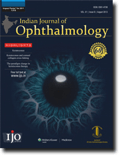
INDIAN JOURNAL OF OPHTHALMOLOGY
Scope & Guideline
Advancing Vision: Your Gateway to Ophthalmology Insights
Introduction
Aims and Scopes
- Clinical Ophthalmology:
Research addressing various clinical aspects of eye diseases, including epidemiology, diagnosis, and treatment outcomes. - Surgical Techniques and Innovations:
Studies exploring new surgical methods, tools, and techniques in ophthalmic surgery, particularly cataract and refractive surgeries. - Ocular Pathology and Disease Mechanisms:
Investigations into the underlying causes and pathology of ocular diseases, including genetic studies and histopathological analyses. - Public Health and Community Eye Care:
Research focusing on the accessibility, effectiveness, and outreach of eye care services, particularly in underserved populations. - Technological Advances in Ophthalmology:
Studies on the application of new technologies, including artificial intelligence, telemedicine, and imaging techniques in eye care. - Preventive Ophthalmology:
Research on strategies to prevent eye diseases and promote eye health, including screening programs and public awareness campaigns.
Trending and Emerging
- Teleophthalmology and Remote Care:
A significant increase in research on teleophthalmology, driven by the COVID-19 pandemic, focusing on the effectiveness of remote consultations and screening. - Artificial Intelligence in Ophthalmology:
Growing interest in the application of AI for diagnosing and managing eye diseases, including automated detection of diabetic retinopathy and glaucoma. - Ocular Complications of Systemic Diseases:
Increased publications addressing the ocular manifestations of systemic diseases, particularly those related to COVID-19 and its complications. - Research on Myopia Control:
Emerging focus on strategies to manage and prevent myopia progression in children, including pharmacological and behavioral interventions. - Innovative Surgical Techniques and Devices:
Rising interest in novel surgical approaches and devices, particularly in cataract and refractive surgery, reflecting advancements in surgical technology. - Genetic and Molecular Studies:
A trend towards genetic research in ocular diseases, exploring the hereditary aspects of conditions like retinoblastoma and keratoconus.
Declining or Waning
- Traditional Surgical Techniques:
There is a noticeable decrease in publications focusing on conventional surgical techniques as newer, less invasive methods gain popularity and acceptance. - Invasive Diagnostic Procedures:
Research on invasive diagnostic methods, such as traditional biopsies, has declined in favor of non-invasive imaging techniques and molecular diagnostics. - Aging-Related Ocular Diseases:
Studies centered on age-related conditions, while still relevant, are receiving less focus as the journal expands its scope to include emerging conditions and novel therapies. - Single-Center Studies:
There is a trend away from single-center studies towards larger, multicenter trials that provide more generalizable data.
Similar Journals
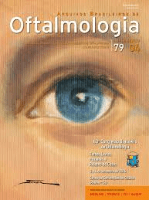
ARQUIVOS BRASILEIROS DE OFTALMOLOGIA
Connecting researchers and clinicians through transformative discoveries.ARQUIVOS BRASILEIROS DE OFTALMOLOGIA is a prominent peer-reviewed journal dedicated to the field of ophthalmology, published by CONSEL BRASIL OFTALMOLOGIA since its inception in 1945. With its commitment to disseminating high-quality research, the journal has transitioned to an Open Access model since 2001, ensuring that vital findings in ophthalmology are freely available to researchers, clinicians, and students alike. Located in São Paulo, Brazil, this esteemed publication occupies a significant position in the medical field, currently holding a Q3 ranking in both the miscellaneous medicine and ophthalmology categories. Although it maintains a legacy of fluctuating impact, recognized for its contribution to the academic community, ARQUIVOS BRASILEIROS DE OFTALMOLOGIA continues to attract a diverse international readership, making it a valuable resource for advancements in eye health, surgical techniques, and ocular research.
INTERNATIONAL OPHTHALMOLOGY
Elevating Ophthalmic Knowledge Worldwide.International Ophthalmology is a prestigious journal published by Springer, dedicated to advancing the field of ophthalmology through the dissemination of high-quality research and clinical studies. With an ISSN of 0165-5701 and an E-ISSN of 1573-2630, this journal has been a vital resource since its inception in 1978, serving the global community of ophthalmologists, researchers, and healthcare professionals. The journal holds a significant Q2 ranking in the category of ophthalmology and has achieved a commendable position as #56 in Scopus's rankings, placing it within the top tier of its field. Although it does not offer open-access options, articles published in International Ophthalmology are widely cited and respected, playing a crucial role in the ongoing dialogue regarding contemporary ophthalmic practices and innovations. With a broad scope covering all aspects of eye care, this journal is essential for those aiming to keep abreast of the latest developments and research findings that shape the future of vision science and clinical practice.
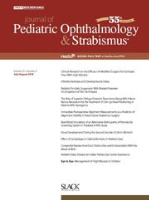
JOURNAL OF PEDIATRIC OPHTHALMOLOGY & STRABISMUS
Shaping the future of children's eye health.The Journal of Pediatric Ophthalmology & Strabismus, published by SLACK INC, is an esteemed academic journal dedicated to the field of pediatric ophthalmology and strabismus. Since its inception in 1978, this journal has continuously provided a vital platform for the dissemination of innovative research, clinical practices, and advancements in the understanding of eye conditions affecting children. With an impressive two Q2 quartile ranking in Medicine, Ophthalmology, and Pediatrics as of 2023, the journal underscores its significance in contributing to the medical community by fostering scholarly dialogue and knowledge exchange. While not an open-access journal, it offers a comprehensive set of articles aimed at enhancing the diagnostic and therapeutic approaches available to practitioners in the field. Researchers, clinicians, and students alike will benefit from its rigorously peer-reviewed content, which aims to improve pediatric eye care and promote better health outcomes for children. Join the discourse that shapes the future of pediatric ophthalmology!

Nepalese Journal of Ophthalmology
Pioneering Discoveries in Nepalese OphthalmologyNepalese Journal of Ophthalmology, established by the NEPAL OPHTHALMIC SOC, is a premier Open Access journal dedicated to advancing the field of ophthalmology. With its ISSN 2072-6805 and E-ISSN 2091-0320, the journal provides an important platform for sharing innovative research and clinical findings in eye health. Since its inception in 2009, the journal has aimed to disseminate high-quality research that addresses contemporary challenges in ophthalmic practices, thus supporting improved patient care and outcomes within Nepal and beyond. The journal has achieved notable recognition, evidenced by its Scopus rank of #267 out of 915 in the field of General Medicine, placing it within the 70th percentile. Researchers, professionals, and students will find valuable information in its comprehensive articles, which cater to a multidisciplinary audience interested in the latest developments in ophthalmology. Emphasizing accessibility, the journal ensures that all published content is freely available, fostering collaboration and knowledge sharing in the global medical community.
Journal of the Egyptian Ophthalmological Society
Championing advancements in the science of vision.Journal of the Egyptian Ophthalmological Society is a premier academic journal dedicated to advancing the field of ophthalmology through high-quality peer-reviewed research. Published by Wolters Kluwer Medknow Publications, this journal plays a critical role in disseminating vital findings and innovations in eye care, fostering knowledge exchange among researchers, practitioners, and educators worldwide. Since its transformation to Open Access in 2014, it has significantly enhanced the accessibility of eye health information, thereby broadening its impact on the global scientific community. With an ISSN of 2090-0686 and an E-ISSN of 2314-6648, the journal aims to tackle contemporary issues in ophthalmology, including clinical practices, public health, and technological advancements in eye care. The journal's commitment to excellence ensures that it remains a vital resource for those looking to contribute meaningfully to this dynamic and crucial field.
International Journal of Ophthalmology
Bridging Research and Practice in Eye HealthThe International Journal of Ophthalmology, with ISSN 2222-3959 and E-ISSN 2227-4898, is a premier open-access publication dedicated to advancing the field of ophthalmology. Published by IJO PRESS in China, this journal has been a valuable resource since its inception in 2005, providing a platform for groundbreaking research and clinical studies in ophthalmic science. With an impressive Q2 ranking in the 2023 Ophthalmology category and a Scopus rank of #65 out of 137, the journal consistently showcases high-quality articles that contribute significantly to the understanding and treatment of eye diseases. Since adopting an open-access model in 2010, it has expanded its reach, allowing researchers, professionals, and students worldwide to access vital knowledge in the field. The journal aims to bridge the gap between laboratory research and clinical practice, making it an essential resource for those committed to improving visual health and advancing ophthalmologic education and innovation.
CLINICAL AND EXPERIMENTAL OPHTHALMOLOGY
Exploring New Horizons in Eye HealthCLINICAL AND EXPERIMENTAL OPHTHALMOLOGY is a leading peer-reviewed journal published by Wiley, renowned for its commitment to advancing the field of ophthalmology. With an impressive impact factor reflecting its high-quality research contributions, this journal is ranked in the Q1 category both in Medicine (miscellaneous) and Ophthalmology, signifying its crucial role in shaping contemporary ophthalmic research. It boasts a remarkable position in the Scopus Ranks, standing at Rank #13 out of 137 in the field of Medicine and Ophthalmology, placing it within the 90th percentile among its peers. Having been in circulation since 1979, this journal encompasses a broad scope of topics that aim to disseminate groundbreaking findings and stimulate dialogue among researchers, clinicians, and students alike. It is easily accessible to a global audience, embodying the principles of open access, making valuable research available to all. For anyone seeking to stay at the forefront of ophthalmology, CLINICAL AND EXPERIMENTAL OPHTHALMOLOGY is an indispensable resource that fosters knowledge and innovation in the ever-evolving landscape of eye care.
Saudi Journal of Ophthalmology
Pioneering Research: Illuminating the Path to Better Eye HealthSaudi Journal of Ophthalmology, published by Wolters Kluwer Medknow Publications, stands as a crucial platform for the dissemination of innovative research and clinical practices in the field of ophthalmology. Since its inception in 2009, this journal has effectively contributed to the growing body of knowledge with a focus on addressing the diverse visual health challenges faced globally. With an ISSN of 1319-4534 and a E-ISSN of 2542-6680, the journal is indexed in Scopus, where it ranks in the Q3 category of ophthalmology, reflecting its commitment to quality research despite the competitive landscape. Situated in India, it provides a unique regional perspective while facilitating global discourse among researchers, practitioners, and students in ophthalmological sciences. Although it currently does not operate as an open-access journal, the Saudi Journal of Ophthalmology is essential for those aiming to expand their understanding of advancements in eye care, making it a valuable resource for professionals dedicated to enhancing patient outcomes through informed research and clinical practice.
BMJ Open Ophthalmology
Pioneering Open Access for Eye Care InnovationBMJ Open Ophthalmology is an esteemed, open-access journal dedicated to the field of ophthalmology, published by the renowned BMJ Publishing Group. Established in 2016, this journal has quickly made its mark within the ophthalmology community, achieving a respectable Q2 ranking in the 2023 category quartiles. It is indexed in Scopus, boasting a commendable ranking of **#52** out of **137** in the medicine discipline of ophthalmology, placing it in the **62nd percentile**. This global platform is committed to disseminating high-quality research, clinical studies, and innovative practices that propel the understanding and treatment of eye diseases. With its open access model, BMJ Open Ophthalmology ensures that vital research is readily available to health professionals, researchers, and students, fostering collaboration and advancing knowledge within the field. The journal is based in London, United Kingdom, and continues to welcome submissions that explore the latest advancements in ophthalmic science, contributing to enhanced patient care and outcomes.
Seminars in Ophthalmology
Advancing the Frontiers of Vision ScienceSeminars in Ophthalmology is a prestigious journal published by Taylor & Francis Inc, dedicated to advancing knowledge in the field of ophthalmology and related medical areas. Established in 1986, this journal has consistently provided a platform for high-quality research and insights, supporting the community with its impactful publications. With an impressive ranking of #55 out of 137 in the Ophthalmology category, the journal currently holds a Q2 quartile in both ophthalmology and miscellaneous medicine as of 2023, reflecting its significant contribution to the discipline. Researchers and practitioners can access a wealth of information covering a comprehensive range of topics, bolstering both clinical practice and academic inquiry. While not an open-access publication, Seminars in Ophthalmology remains a crucial resource for advancing ophthalmic research, fostering collaboration, and disseminating valuable findings in a rapidly evolving specialty.