
Proteome Science
metrics 2024
Advancing the Frontiers of Proteomics
Introduction
Proteome Science is an esteemed academic journal specializing in the field of proteomics, providing a platform for advanced research and discussions surrounding the structure, function, and dynamics of proteins in biological systems. Published by BMC, a reputable publisher recognized for its commitment to open-access publishing, Proteome Science has been disseminating pivotal research findings since its inception in 2003. Targeted towards researchers, professionals, and students in biochemistry and molecular biology, the journal aims to foster collaboration and innovation within the scientific community. While it currently holds a Q3 quartile ranking in both Biochemistry and Molecular Biology categories, its impactful contributions to the field are reflected in its accessibility, as evidenced by its open access policy. By embracing collaborative research methodologies and providing a platform for novel findings, Proteome Science plays a crucial role in advancing the understanding of proteomic analyses, catering to a global audience that values groundbreaking scientific discovery.
Metrics 2024
 -2.102.00-
Metrics History
Rank 2024
IF (Web Of Science)
JCI (Web Of Science)
Quartile History
Similar Journals
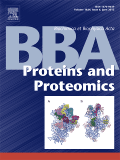
BIOCHIMICA ET BIOPHYSICA ACTA-PROTEINS AND PROTEOMICS
Unveiling the Secrets of Proteins and Their InteractionsBIOCHIMICA ET BIOPHYSICA ACTA-PROTEINS AND PROTEOMICS, published by Elsevier, is a prestigious academic journal that serves as a vital resource for researchers, professionals, and students in the fields of biochemistry, biophysics, and proteomics. With an ISSN of 1570-9639 and an E-ISSN of 1878-1454, this journal features high-impact research articles aimed at advancing our understanding of protein structure, function, and interactions, contributing significantly to both theoretical and applied sciences. Recognized for its quality, it proudly holds a Q1 ranking in Analytical Chemistry and Biophysics, and Q2 in Biochemistry for 2023, alongside notable Scopus rankings that reflect its influence in the realm of molecular biology. The journal's commitment to disseminating essential findings supports the ongoing evolution of proteomic sciences and encourages collaborative discourse among the global scientific community. For aspiring authors, the journal offers open access options, enabling broad visibility of their work. Join the conversation in this dynamic field and contribute to shaping the future of protein research!
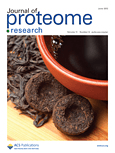
JOURNAL OF PROTEOME RESEARCH
Driving Innovation in Biochemistry ResearchJOURNAL OF PROTEOME RESEARCH is a premier publication in the field of proteomics, disseminating cutting-edge research and methodologies that drive advancements in biochemistry and molecular biology. Published by the American Chemical Society, this esteemed journal boasts a robust impact, as evidenced by its Q1 rankings in both Biochemistry and miscellaneous Chemistry categories for 2023. With a reputation bolstered by a solid Scopus ranking—#64 out of 408 in General Chemistry and #80 out of 438 in Biochemistry—the journal serves as an essential resource for researchers, professionals, and students aiming to deepen their understanding of protein functions and interactions in biological systems. Although it does not operate under an open-access model, the JOURNAL OF PROTEOME RESEARCH remains a critical platform for scholarly discourse, committed to publishing high-quality, peer-reviewed articles through 2024 and beyond. Scholars are encouraged to engage with the pioneering studies and reviews that shape the future of proteomics.
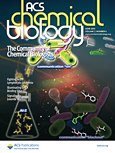
ACS Chemical Biology
Connecting Chemistry and Biology for a Healthier FutureACS Chemical Biology is a premier journal published by the American Chemical Society, dedicated to advancing the understanding of the chemical underpinnings of biological systems. With an ISSN of 1554-8929 and a distinguished track record since its inception in 2006, this journal provides a vital platform for the dissemination of high-quality research in the realms of biochemistry and molecular medicine, achieving a prestigious Q1 ranking in these categories as of 2023. In an era where interdisciplinary approaches are crucial, ACS Chemical Biology fosters collaboration among chemists and biologists, reflecting a steadfast commitment to exploring the chemical processes that govern life. Although it does not operate under an open-access model, the journal maintains a rigorous peer-review process, ensuring the publication of influential studies that shape the future of chemical biology. With an increasing impact factor and a focus on innovative research, ACS Chemical Biology remains an authoritative resource for researchers, professionals, and students eager to engage with cutting-edge findings in this dynamic field.
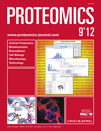
PROTEOMICS
Pioneering discoveries in protein function and interaction.PROTEOMICS is a leading journal focused on the rapidly evolving field of proteomics, published by WILEY in Germany. With a solid reputation established since its inception in 2001, it has continually contributed to the understanding of protein functions and interactions within biological systems. As part of its commitment to academic excellence, PROTEOMICS is ranked in the second quartile for both Biochemistry and Molecular Biology categories (2023), reflecting its significant influence in advancing research in these areas. Although it does not currently provide open access options, it remains a vital resource for researchers, professionals, and students keen to explore innovative methodologies and findings in proteomic research. By publishing groundbreaking studies that bridge theoretical knowledge with practical applications, PROTEOMICS plays a crucial role in enhancing our understanding of molecular processes and driving forward advancements in the life sciences.
Bioinformatics Advances
Advancing the Future of Bioinformatics ResearchBioinformatics Advances, published by Oxford University Press, is an esteemed academic journal that serves as a vital platform for the dissemination of innovative research in the rapidly evolving fields of bioinformatics and computational biology. With a promising E-ISSN of 2635-0041, this journal has made significant strides since its inception in 2021, achieving a commendable Q1 ranking in both the Computer Science Applications and Genetics categories, alongside respectable Q2 rankings in Molecular Biology and Structural Biology as of 2023. Though currently not an open-access publication, its critical insights cater to an audience keen on advancing knowledge and technology in genomic studies and data analytics. The journal emphasizes high-quality research and aims to facilitate the integration of computational techniques within biological sciences, making it an essential resource for researchers, professionals, and students alike who seek to stay at the forefront of bioinformatics advancements.

Cell Reports Methods
Exploring New Frontiers in Experimental ApproachesCell Reports Methods is a cutting-edge journal published by CELL PRESS, focusing on innovative methodologies in the vast fields of biochemistry, genetics, biotechnology, and radiological sciences. Launched in 2021, it has rapidly ascended to attain a Q1 ranking across multiple disciplines in the latest 2023 metrics, reflecting its influential contribution to the scientific community. With an emphasis on practical and rigorous experimental approaches, this journal serves as a vital resource for researchers looking to advance their methodologies and collaborate on significant findings in their respective specialties. Despite not being an open-access publication, Cell Reports Methods ensures broad accessibility through institutional subscriptions, allowing researchers from various backgrounds to engage with high-quality scholarly work. The journal presents a unique platform for sharing insights from interdisciplinary methods that foster innovation and discovery, ultimately shaping the future of scientific research.
Precision Clinical Medicine
Shaping tomorrow's healthcare, today.Precision Clinical Medicine, published by Oxford University Press, is an esteemed open-access journal that has been at the forefront of clinical research since its inception in 2018. With an ISSN of 2096-5303, this journal specializes in the rapidly evolving field of precision medicine, which aims to tailor healthcare to individual patient characteristics, needs, and preferences. As a testament to its influence, Precision Clinical Medicine holds a remarkable rank of #34 out of 636 in the General Medicine category on Scopus, placing it within the 94th percentile of its field and earning a prestigious Q1 rating in 2023. Based in the United Kingdom, the journal not only provides open access content, ensuring that groundbreaking research is widely disseminated, but also serves as a crucial platform for innovations and discussions that shape modern medical practices. Researchers, professionals, and students alike will find valuable insights and influential studies that drive the future of personalized healthcare within its pages.

Comparative Biochemistry and Physiology D-Genomics & Proteomics
Pioneering Research at the Intersection of Genomics and ProteomicsComparative Biochemistry and Physiology D-Genomics & Proteomics, published by Elsevier Science Inc, is a premier journal in the realm of molecular biology and comparative physiology, with a focus on genomic and proteomic sciences. Recognized for its high-impact contributions, it holds a Q1 ranking in Animal Science and Zoology and was established with the vision of bridging gaps in our understanding of biological systems through experimental and comparative approaches. With an impressive Scopus ranking, this journal not only ranks among the top 12% in Animal Science and Zoology but also demonstrates commendable standings across various categories including Aquatic Science and Molecular Biology. The journal’s commitment to disseminating high-quality research makes it an essential resource for researchers, professionals, and students alike, allowing them to access critical studies that influence advancements in genomics and proteomics. While it operates under a traditional subscription model, its impactful findings are crucial for those aiming to enrich their knowledge and research capabilities in these pivotal scientific fields. Join us in exploring the transformative insights and developments that this esteemed journal has to offer for the study of genomics and proteomics.
Journal of Proteomics
Pioneering advancements in protein analysis and application.Journal of Proteomics, published by Elsevier, is an esteemed peer-reviewed journal dedicated to advancing research in the field of proteomics, with broad implications for biochemistry and biophysics. Established in 2008, the journal has continuously evolved, embracing innovative methodologies and technologies that facilitate protein analysis from a variety of biological systems. With its current standing in the Q2 category for both biochemistry and biophysics as of 2023, it is recognized as a significant contributor to scientific literature. The journal publishes original research articles, reviews, and methodological advancements, providing invaluable insights for researchers, professionals, and students alike. Although it does not offer open access, the journal remains a crucial platform for disseminating knowledge that informs various applications, ranging from drug development to disease understanding. As it converges towards 2024, the Journal of Proteomics continues to solidify its role in shaping the future of proteomic research through rigorous scientific inquiry and innovation.
BIOINFORMATICS
Advancing the Frontiers of Bioinformatics ResearchBIOINFORMATICS, published by Oxford University Press, is a leading journal in the realms of biochemistry, computational mathematics, and computer science, with a notable impact factor that underscores its significance in the field. Since its inception in 1985 and continuing through its expected convergence in 2024, the journal has maintained a prestigious reputation, proudly residing in the Q1 category across multiple disciplines, including molecular biology and statistics. With a Scopus ranking placing it within the top percentiles of its categories, BIOINFORMATICS serves as an essential platform for disseminating high-quality research that advances knowledge and innovation at the intersection of biology and computational sciences. This journal not only offers both subscription and open access options, ensuring wider availability of its cutting-edge research, but it has also become a crucial resource for researchers, professionals, and students aiming to stay at the forefront of bioinformatics and related fields. Explore the latest findings and trends that define the future of biological research through this esteemed publication, any inquiries regarding the journal can be directed to its offices located at Great Clarendon St, Oxford OX2 6DP, England.