
Revista Internacional de Andrologia
Scope & Guideline
Pioneering Research in Andrology: Bridging Knowledge and Practice
Introduction
Aims and Scopes
- Clinical Andrology:
The journal publishes research related to clinical practices in andrology, including diagnostics and treatment approaches for male reproductive health issues such as erectile dysfunction, infertility, and hormonal imbalances. - Experimental Andrology:
Research that investigates the biological and physiological mechanisms underlying male reproductive health, including studies on spermatogenesis, hormonal effects, and the impact of various substances on male reproductive functions. - Surgical Techniques and Innovations:
Papers that explore new surgical methods and outcomes in andrology, focusing on procedures such as penile prosthesis implantation, varicocele repair, and hypospadias surgery. - Psychosocial Aspects of Andrology:
Research addressing the psychological and social dimensions of male reproductive health, including the impact of sexual dysfunction on mental health and quality of life. - Transgender and Gender Affirming Surgery:
Emerging focus on surgical techniques and outcomes related to gender-affirming procedures, reflecting a growing recognition of the needs of transgender individuals in andrology.
Trending and Emerging
- Impact of Technology on Andrology:
There is a growing trend towards exploring the effects of technology, such as digital health tools and artificial intelligence, on male reproductive health and patient education, as seen in studies examining ChatGPT's role in patient understanding. - Gender Diversity and Transgender Health:
Research focusing on transgender health, including gender-affirming surgeries and hormonal treatments, has gained prominence, highlighting the needs and considerations of this population in andrology. - Lifestyle and Environmental Factors:
An increased focus on how lifestyle choices and environmental exposures, such as diet, smoking, and electronic device usage, impact male reproductive health is evident, reflecting global health concerns. - Biomarkers and Genetic Factors in Male Infertility:
Emerging research on the identification of biomarkers and genetic predispositions for male infertility showcases a trend towards personalized medicine in andrology, enabling targeted interventions. - Interdisciplinary Approaches to Sexual Health:
There is a notable increase in studies integrating psychological, sociological, and medical perspectives on male sexual health, indicating a holistic approach to understanding and treating sexual dysfunction.
Declining or Waning
- Traditional Pharmacological Treatments:
Research on conventional pharmacological treatments for male sexual dysfunctions appears to be decreasing, possibly due to the rise of innovative therapeutic approaches and technologies. - Basic Science Studies on Male Reproductive Physiology:
There is a noticeable decline in basic research focusing solely on male reproductive physiology, as the field shifts towards more applied and clinical research that directly impacts patient care. - Epidemiological Studies on Sexual Dysfunction:
While these studies were once prevalent, there seems to be a waning interest in purely epidemiological research on sexual dysfunction, as more comprehensive studies integrating psychological, social, and biological factors have emerged.
Similar Journals
PROGRES EN UROLOGIE
Pioneering Insights for Urologists WorldwidePROGRES EN UROLOGIE is a renowned academic journal published by Elsevier Masson, Corp Off that focuses on the dynamic field of urology. With an ISSN of 1166-7087 and an E-ISSN of 2405-5131, this journal has been contributing to the scientific community since its inception in 1991 and continues to disseminate valuable research findings to urologists and medical professionals. As of 2023, it holds a distinguished position within the Q3 category in Urology, reflecting its commitment to publishing high-quality and impactful research—ranked 74th out of 120 in the Scopus Urology category, placing it in the 38th percentile. While it does not currently offer open access options, the journal remains an essential resource for researchers seeking to advance their understanding of the latest urological practices and innovations. Its contributions are vital in a rapidly evolving medical landscape, ensuring that both established and emerging issues in urology are thoroughly explored and discussed.

Jornal Brasileiro de Reproducao Assistida
Empowering professionals with cutting-edge research.Jornal Brasileiro de Reprodução Assistida is a prominent academic journal focusing on the latest advancements in reproductive medicine, published by the Sociedade Brasileira de Reprodução Assistida (SBRA). With an ISSN of 1517-5693 and an E-ISSN of 1518-0557, this journal has established itself as a vital resource for researchers, healthcare professionals, and students in the fields of obstetrics and gynecology. Notably recognized within the Q2 category for Obstetrics and Gynecology, it ranks #91 out of 209 in Scopus, placing it in the 56th percentile among its peers. The journal serves as a platform for disseminating innovative research and clinical practices related to assisted reproduction, fostering collaboration and knowledge sharing among professionals in Brazil and beyond. Although currently not an open-access journal, it remains committed to enhancing the scientific discourse in reproductive health, reflecting its vision of supporting advances in healthcare through rigorous peer-reviewed studies. Explore the pivotal contributions made in this field from 2000 to the present, and stay abreast of transformative developments that are shaping reproductive science.
Middle East Fertility Society Journal
Unlocking the potential of reproductive research for all.Middle East Fertility Society Journal is a premier open-access publication established in 1996 that caters to the fields of Obstetrics and Gynecology as well as Reproductive Medicine. Published by SPRINGER in Egypt, this journal has made significant strides in disseminating high-quality research and advancements in reproductive health, achieving a 2023 Scopus rank of #102 in Obstetrics and Gynecology and #47 in Reproductive Medicine, placing it in the 51st and 48th percentiles respectively. With an aim to foster collaboration and innovation in the fertility sector, it welcomes researchers and practitioners to share their findings and insights, contributing to the global discourse on reproductive issues. As an open-access journal since 2010, it ensures that the latest research is readily available to a broad audience, enhancing accessibility and knowledge transfer in the vital area of reproductive health.
African Journal of Urology
Championing Accessible Knowledge in UrologyAfrican Journal of Urology (ISSN: 1110-5704, E-ISSN: 1961-9987) is a leading scholarly publication in the field of urology, published by SPRINGER from the United Kingdom. Since adopting an open access model in 2012, this journal has aimed to increase the visibility and dissemination of vital research findings across the African continent and beyond. With a current impact factor and significant standing, as denoted by its Q3 ranking in Urology for 2023, it serves as an essential platform for clinicians, researchers, and students alike. The journal's scope encapsulates all aspects of urology, fostering advancements in both clinical practices and innovative research while specifically addressing healthcare challenges relevant to African populations. As part of its commitment to accessibility and academic excellence, the journal offers full open access to its content, allowing for a broad readership and engagement with cutting-edge studies. Engage with the African Journal of Urology to contribute to and stay informed about vital developments in urological science.
Clinical and Experimental Reproductive Medicine-CERM
Empowering Practitioners with Cutting-Edge InsightsClinical and Experimental Reproductive Medicine (CERM) is a premier journal dedicated to advancing the field of reproductive medicine. Published by the Korean Society of Reproductive Medicine, it aims to disseminate high-quality research and innovative clinical practices in reproductive health and medicine. With its Q3 ranking in reproductive medicine for 2023, CERM is positioned as a significant resource for researchers and practitioners seeking to stay current with the latest developments and findings in the field. Since its inception in 2011, CERM has provided a vital platform for original research articles, review papers, and case studies that cover a range of topics, including fertility treatments, reproductive endocrinology, and embryology. Researchers benefit from its accessibility, inspiring new insights and evidence-based approaches to clinical practices. Based in South Korea, its rigorous peer-reviewed publication process ensures that all contributions meet high academic standards, making it an invaluable asset for anyone engaged in reproductive health research or practice.

Basic and Clinical Andrology
Exploring breakthroughs in reproductive medicine and urology.Basic and Clinical Andrology, published by BMC, is a leading open access journal dedicated to the advancement of knowledge in the field of reproductive medicine and urology. Since its launch in 2013, the journal has aimed to provide a platform for the dissemination of high-quality research, bridging the gap between basic science and clinical practice. With an impressive reputation evidenced by its Q2 ranking in both reproductive medicine and urology, it serves as a vital resource for researchers, healthcare professionals, and students looking to stay updated on the latest developments in andrology. The journal actively encourages submissions across a diverse range of topics, contributing to our understanding of male reproductive health issues, advancements in treatment protocols, and innovative therapeutic approaches. Located in the United Kingdom, Basic and Clinical Andrology plays a critical role in the global discourse on andrology, offering researchers an opportunity to share their findings with a broad audience committed to improving health outcomes in these crucial fields.
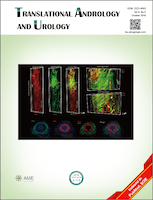
Translational Andrology and Urology
Pioneering Insights for Clinical ExcellenceTranslational Andrology and Urology is a premier journal published by AME Publishing Company, dedicated to advancing research in the fields of reproductive medicine and urology. Established in 2012 and gaining prominence with its Q2 rankings in both the reproductive medicine and urology categories as of 2023, this journal serves as a vital platform for disseminating groundbreaking studies and clinical advancements. With an ISSN of 2223-4683 and an E-ISSN of 2223-4691, it is indexed in Scopus, standing at a distinguished rank of #40/120 in Urology and #33/90 in Reproductive Medicine. Located in Hong Kong, the journal reflects a commitment to open access and international collaboration, providing researchers, professionals, and students with critical insights and updates in these dynamic fields. As a leading resource, Translational Andrology and Urology invites contributions that explore innovative approaches that can enhance patient care and clinical practices.
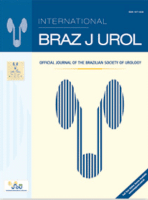
International Braz J Urol
Advancing Urological Science GloballyInternational Brazilian Journal of Urology, published by the Brazilian Society of Urology, is a distinguished open-access journal that has been contributing to the field of urology since 2003. This journal plays a vital role in disseminating high-quality research and advancements in various aspects of urological science and medicine, targeting an international audience of researchers, practitioners, and students. With an impressive ranking in the 2023 Scopus metrics, securing Q2 status in both Medicine (Miscellaneous) and Urology, it stands as a significant resource for emerging trends and discoveries in these areas. The journal’s commitment to accessibility, with open access since its inception, ensures that valuable findings are readily available to the global medical community. Situated in Rio de Janeiro, Brazil, the International Brazilian Journal of Urology not only enhances academic discourse but also fosters collaboration across borders and specialties, making it a pivotal platform for advancing urological research.

Turkish Journal of Obstetrics and Gynecology
Innovating Obstetrics and Gynecology for Global ImpactWelcome to the Turkish Journal of Obstetrics and Gynecology, a premier publication dedicated to advancing the field of reproductive health and women's care. Published by GALENOS PUBL HOUSE since 2004, this journal serves as an essential resource for researchers, clinicians, and students interested in the latest developments in obstetrics and gynecology. With an impact factor that reflects its growing influence, the journal is currently classified in the Q3 quartile within its category, ranking 114 out of 209 in Scopus, placing it in the 45th percentile. Offering a truly Open Access platform, it provides a global audience with immediate access to critical research findings. The journal encompasses a broad scope of topics aimed at improving health outcomes for women, with a focus on evidence-based practice. In recent years, from 2016 to 2024, it has significantly contributed to the regional and international discourse in the field, making it an invaluable resource for practitioners and scholars alike. Join us in exploring the vital issues and innovations shaping obstetrics and gynecology today.
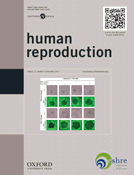
HUMAN REPRODUCTION
Shaping the future of reproductive health through rigorous scholarship.HUMAN REPRODUCTION is a prestigious academic journal published by Oxford University Press, dedicated to advancing the field of reproductive medicine. With an impressive impact factor highlighting its significance, the journal ranks in the top quartile (Q1) for Obstetrics and Gynecology, Rehabilitation, and Reproductive Medicine, showcasing its crucial role in disseminating high-quality research. Founded in 1986, it has become a key resource for researchers, practitioners, and students interested in cutting-edge developments and innovative practices in human reproduction. Despite not currently offering open access, the journal continues to publish a wealth of peer-reviewed articles that contribute substantially to clinical knowledge and practice. With Scopus rankings placing it among the top journals in its categories, HUMAN REPRODUCTION remains an essential platform for discussion and dissemination of vital findings impacting reproductive health globally.