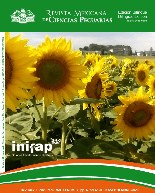
Revista Mexicana de Ciencias Pecuarias
Scope & Guideline
Fostering Collaboration in Veterinary Medicine and Research
Introduction
Aims and Scopes
- Animal Nutrition and Feed Science:
Research focused on optimizing animal diets, including the use of natural additives, supplements, and alternative feed sources to improve growth performance and health in various livestock species. - Animal Health and Disease Management:
Papers addressing the prevalence, diagnosis, and management of diseases affecting livestock, including studies on antibiotic resistance, pathogen detection, and vaccination strategies. - Reproductive Technologies and Genetics:
Investigations into reproductive biotechnologies, genetic diversity, and selection methods aimed at improving livestock breeding programs and animal productivity. - Sustainable Livestock Systems:
Research into sustainable practices in animal husbandry, including the impact of climate change, agroecological methods, and the use of innovative technologies for resource management. - Animal Welfare and Behavior:
Studies exploring animal welfare indicators, behavioral assessments, and the effects of management practices on the health and well-being of livestock. - Food Safety and Quality:
Research concerning the safety and quality of animal products, including detection of contaminants, nutritional assessments, and sensory evaluations.
Trending and Emerging
- Phytogenic Additives and Natural Products:
There is a growing interest in the use of plant-based additives and extracts in animal diets to enhance health and productivity, indicating a trend towards more natural and sustainable alternatives in livestock nutrition. - Genomic and Molecular Research:
Emerging themes include the application of genomic tools and molecular techniques to improve disease resistance, productivity, and genetic selection in livestock. This trend reflects the increasing integration of biotechnology in animal breeding. - Climate Change and Its Impact on Livestock:
Research focusing on the effects of climate change on livestock production systems, including adaptation strategies and resilience planning, is gaining prominence, highlighting the urgent need for sustainable practices. - Integrated Management Systems:
A trend towards integrated management approaches that combine animal health, nutrition, and environmental sustainability is emerging, reflecting a holistic view of livestock production. - Antimicrobial Resistance Studies:
Research on antimicrobial resistance in livestock, including the prevalence of resistant strains and strategies for management, has become increasingly important, addressing global health concerns.
Declining or Waning
- Traditional Animal Husbandry Practices:
Research related to conventional farming practices appears to be declining, with a shift towards modern, innovative approaches. This may reflect a broader trend towards sustainability and efficiency in animal production. - Basic Veterinary Practices:
There is a noticeable reduction in papers solely focused on basic veterinary practices, as the journal increasingly emphasizes advanced research on genetic and technological innovations in livestock management. - Historical and Descriptive Studies:
The journal has moved away from purely historical or descriptive studies of livestock systems, favoring empirical, data-driven research that offers practical solutions to current challenges in animal sciences.
Similar Journals

Tropical Animal Science Journal
Connecting Science and Practice in Animal WelfareTropical Animal Science Journal, ISSN 2615-787X, E-ISSN 2615-790X, is an esteemed open-access journal published by the Bogor Agricultural University, Faculty of Animal Science. Launched in 2018, this journal serves as a pivotal platform for disseminating high-quality research in the fields of Animal Science, Food Animals, and Veterinary Medicine. With its significant presence in Indonesia and a commitment to scientific innovation, it has achieved a Q3 ranking in Animal Science and Zoology and Food Animals, as well as a Q2 ranking in Veterinary (miscellaneous) as of 2023. The journal also enjoys favorable Scopus rankings, placing it in the 61st percentile for General Veterinary and demonstrating its relevance and impact in the academic community. As an advocate for open-access publishing since its inception, the journal enhances accessibility to critical research findings, making it an invaluable resource for researchers, professionals, and students alike who aim to advance their knowledge and contribute to the fields of tropical animal science.

INDIAN JOURNAL OF ANIMAL SCIENCES
Connecting professionals with cutting-edge insights in animal science.INDIAN JOURNAL OF ANIMAL SCIENCES, published by the Indian Council of Agricultural Research, is a vital resource for researchers and professionals in the fields of animal science and veterinary studies. With its ISSN 0367-8318, the journal has been in circulation since 1971, providing a platform for innovative research and scholarly discourse. Despite its current Q4 ranking in Animal Science and Zoology and a Q3 ranking in Veterinary (miscellaneous), the journal aims to enhance its impact by promoting high-quality research that addresses the challenges in animal husbandry and veterinary practices in India and beyond. The journal does not operate under an Open Access model, which may limit certain dissemination opportunities; however, it remains indexed in Scopus, with a focus on elevating the standards of animal sciences. The INDIAN JOURNAL OF ANIMAL SCIENCES is pertinent for anyone looking to contribute to or stay informed about significant developments in animal sciences.
TROPICAL ANIMAL HEALTH AND PRODUCTION
Advancing animal health in tropical landscapes.Tropical Animal Health and Production is a prominent academic journal dedicated to advancing the field of animal health and production in tropical environments. Published by Springer, this journal has been a pivotal platform for researchers and professionals since its inception in 1969, serving as a vital resource for innovative studies and advancements up to 2024. With impactful research findings, it holds a respectable Q2 ranking in both Animal Science and Zoology, and Food Animals, demonstrating its significance within these fields. The journal’s commitment to high-quality research is further reflected in its Scopus rankings, with a notable position in Agricultural and Biological Sciences and Veterinary Food Animals. Although it is not an open-access publication, the insights and knowledge shared within its pages are invaluable for those engaged in tackling the challenges of animal health and production in the tropics. Researchers and students will find Tropical Animal Health and Production an essential source for the most recent advancements and practices in veterinary science and animal care for food-producing species.
PAKISTAN VETERINARY JOURNAL
Connecting global research to local practices.Pakistan Veterinary Journal (ISSN: 0253-8318, E-ISSN: 2074-7764) is a leading peer-reviewed academic journal published by the University of Agriculture, Faculty of Veterinary Science, situated in Faisalabad, Pakistan. Since its inception, the journal has embraced an Open Access policy, facilitating the dissemination of vital research findings to a global audience and enhancing the visibility of veterinary science. With an impressive Q1 ranking in the veterinary miscellaneous category, the journal ranks #27 out of 194 in the veterinary general field according to Scopus, placing it in the top 14% of the discipline. The scope of the journal encompasses a wide array of topics relevant to veterinary medicine, ensuring that it serves as an essential resource for researchers, professionals, and students alike. By providing a platform for high-quality research from 2009 to 2024, the Pakistan Veterinary Journal continues to play a pivotal role in advancing veterinary science, promoting collaboration among scholars, and addressing contemporary challenges in animal health and welfare.

Revista Colombiana de Ciencias Pecuarias
Fostering Collaboration in Veterinary and Agricultural AdvancementsRevista Colombiana de Ciencias Pecuarias, an esteemed publication in the field of Animal Science and Veterinary Studies, is published by the Universidad de Antioquia, Faculty of Agricultural Sciences. Since its inception in 1996, this Open Access journal has become a vital resource for the dissemination of research and advancements within the agricultural and biological sciences, specifically targeting the veterinary and animal husbandry sectors. Situated in Colombia, its mission is to support and promote scientific knowledge through rigorous review processes and high-quality articles. The journal’s recent classification includes Q4 in Animal Science and Zoology and Q3 in Veterinary categories, illustrating its commitment to enhancing its scientific impact. As it converges from 2008 to 2024, this journal aims to engage researchers, professionals, and students alike, establishing a collaborative environment for innovative research and findings that shape the future of animal sciences globally.

Italian Journal of Animal Science
Connecting global researchers for impactful discoveries.Italian Journal of Animal Science (ISSN: 1594-4077; E-ISSN: 1828-051X), published by Taylor & Francis Ltd, serves as a pivotal platform for the dissemination of cutting-edge research in the fields of animal science and zoology. Since its transition to Open Access in 2002, it has broadened its reach, allowing researchers from around the globe to share their findings and engage in critical dialogue. With its esteemed Q1 ranking in the 2023 category of Animal Science and Zoology and a notable position in the Scopus rankings—ranked 65 out of 490—this journal is a leader in driving the advancement of knowledge in animal science. The Italian Journal of Animal Science aims to publish original research articles, reviews, and methodological papers that contribute to the understanding of animal biology, welfare, nutrition, and conservation, making it a vital resource for researchers, professionals, and students dedicated to advancing the field. Based in the United Kingdom, and with a commitment to excellence, the journal is poised to continue fostering scholarly communication through 2024 and beyond.
TURKISH JOURNAL OF VETERINARY & ANIMAL SCIENCES
Championing Open Access for Global Veterinary Insights.TURKISH JOURNAL OF VETERINARY & ANIMAL SCIENCES is a distinguished peer-reviewed journal dedicated to advancing knowledge in the field of veterinary sciences and animal health. Published by the Tubitak Scientific & Technological Research Council Turkey, this journal provides a platform for high-quality research, fostering scientific inquiry that spans various aspects of veterinary medicine, animal biology, and animal husbandry. With an impact factor that reflects its growing influence within the Q3 category of Veterinary (miscellaneous) according to the 2023 rankings, it is strategically positioned in the academic landscape, ranked #112 out of 194 in the broader veterinary field. The journal is committed to open access publications, ensuring that research is accessible to a global audience, facilitating collaboration and knowledge sharing among researchers, professionals, and students. By covering a broad spectrum of topics from clinical research to veterinary policy, the TURKISH JOURNAL OF VETERINARY & ANIMAL SCIENCES plays a crucial role in enhancing the understanding and welfare of animal species, thereby contributing significantly to both scientific advancement and practical applications in veterinary practice.

REVISTA CIENTIFICA-FACULTAD DE CIENCIAS VETERINARIAS
Connecting scholars to elevate veterinary and agricultural knowledge.REVISTA CIENTIFICA-FACULTAD DE CIENCIAS VETERINARIAS, published by the Universidad del Zulia, is a prominent open-access journal dedicated to advancing the fields of veterinary science, animal science, and food science. Since its inception in 1997, the journal has served as a vital platform for disseminating quality research and fostering academic dialogue among professionals and scholars in the veterinary and agricultural sectors. With its commitment to open access since 2010, the journal aims to make valuable research freely accessible to a global audience, thereby contributing to the advancement of scientific knowledge. Although currently categorized in the bottom quartile of various fields—including Animal Science and Zoology, Food Science, and Immunology—REVISTA CIENTIFICA-FACULTAD DE CIENCIAS VETERINARIAS is dedicated to nurturing innovative research that addresses pressing challenges in veterinary and related sciences. Researchers, professionals, and students will find this journal to be an important resource for quality studies that have implications for animal health, food safety, and biotechnology in the context of Venezuelan and international landscapes.

Abanico Veterinario
Exploring Innovations in Animal Health and WelfareAbanico Veterinario is a prominent academic journal dedicated to the field of veterinary science, published by Sergio Martinez Gonzalez. With its ISSN 2007-4204 and E-ISSN 2448-6132, this journal serves as a vital resource for researchers, practitioners, and students interested in the latest advancements and research in veterinary medicine. Although Abanico Veterinario operates on a non-open access model, it provides insightful content that addresses a diverse range of topics such as animal health, veterinary ethics, and innovative practices. The journal aims to promote knowledge sharing and foster collaboration within the veterinary community, ultimately contributing to improved animal care and welfare. With a commitment to excellence and a growing reputation within the field, Abanico Veterinario stands as an essential platform for those seeking to enhance their professional skills and stay abreast of emerging trends in veterinary science.
Journal of the Indonesian Tropical Animal Agriculture
Fostering Knowledge in Veterinary Sciences and Animal HusbandryJournal of the Indonesian Tropical Animal Agriculture is an esteemed peer-reviewed journal published by UNIV DIPONEGORO, focusing on the dynamic fields of animal science and veterinary medicine. Since its inception in 2009, the journal has maintained an open access policy, ensuring that valuable research is freely available to the global scientific community. Based in Indonesia, the journal has adapted to the evolving agricultural landscape and now contributes significantly to both local and international discourse on tropical animal husbandry. With a Scopus rank placing it within the 36th percentile for general veterinary sciences and the 25th percentile for animal science and zoology, it is emerging as a valuable resource for researchers and professionals alike. The journal covers a broad range of topics within its scope, fostering innovative approaches and solutions tailored to the unique challenges of the tropical environment. By exploring critical issues in animal agriculture, this journal not only enhances academic knowledge but also supports sustainable practices within the industry. We invite researchers, students, and professionals in the realm of veterinary science and animal agriculture to engage with the rich array of research presented in this journal.