
RUSSIAN CHEMICAL REVIEWS
Scope & Guideline
Connecting Researchers with Cutting-Edge Chemical Insights
Introduction
Aims and Scopes
- Catalysis and Reaction Mechanisms:
The journal frequently publishes research on catalytic processes, exploring novel catalysts, reaction mechanisms, and the development of new methodologies for organic transformations. - Material Science and Engineering:
A significant focus of the journal is on the synthesis, characterization, and application of advanced materials, including polymers, nanomaterials, and metal-organic frameworks, highlighting their properties and potential uses. - Sustainable Chemistry and Green Processes:
There is a consistent emphasis on green chemistry principles, including the development of environmentally friendly synthesis methods and materials, aiming to reduce ecological impact. - Medicinal and Pharmaceutical Chemistry:
The journal covers advancements in medicinal chemistry, including drug design, synthesis of bioactive compounds, and the exploration of new therapeutic agents, especially in the context of targeted therapies. - Theoretical and Computational Chemistry:
Research that employs computational methods to predict chemical behavior and properties is a staple of the journal, showcasing the integration of theory with experimental findings.
Trending and Emerging
- Nanotechnology and Nanomaterials:
Recent publications increasingly focus on the synthesis and application of nanomaterials, particularly in areas such as catalysis, drug delivery, and environmental remediation, highlighting their versatile applications. - Energy Storage and Conversion:
There is a growing emphasis on research related to energy materials, including batteries and fuel cells, which is crucial for addressing global energy challenges and promoting sustainable technologies. - Biocompatible and Biomedical Applications:
An emerging trend is the exploration of biocompatible materials and their applications in medicine, particularly in drug delivery systems, tissue engineering, and regenerative medicine. - Environmental Chemistry and Sustainability:
Research focusing on the development of sustainable chemical processes and materials for environmental protection has gained traction, reflecting an increasing awareness of ecological issues and the need for sustainable practices. - Computational and Theoretical Approaches:
The use of computational methods to understand chemical phenomena is on the rise, facilitating the prediction of molecular behavior and supporting experimental work in various fields.
Declining or Waning
- Classical Organic Synthesis:
There has been a noticeable decline in publications focusing solely on classical organic synthesis methods, as researchers increasingly explore more innovative and efficient synthetic routes. - Inorganic Coordination Chemistry:
Research specifically centered on traditional inorganic coordination complexes is less frequently reported, suggesting a shift towards more applied and interdisciplinary approaches in materials science. - Traditional Analytical Chemistry Techniques:
The frequency of papers discussing conventional analytical techniques has decreased, indicating a potential transition to more advanced and integrated methodologies in chemical analysis.
Similar Journals

Chemical Methodologies
Unlocking the Potential of Chemical MethodologiesWelcome to Chemical Methodologies, a premier journal published by SAMI PUBLISHING CO-SPC, dedicated to advancing the field of chemistry through innovative research and methodologies. With an ISSN of 2645-7776 and an E-ISSN of 2588-4344, this journal provides a vital platform for researchers and scholars to share their findings in areas encompassing physical, theoretical, and organic chemistry. Despite its initial HIndex and quartile rankings still being established, the journal's evolving impact within the academic landscape is underscored by its Scopus Ranks, which place it in the 35th percentile for physical and theoretical chemistry and the 33rd percentile for organic chemistry. Since its inception in 2022, and continuing through 2024, Chemical Methodologies aims to foster collaboration and knowledge dissemination among academics and practitioners alike, bridging theoretical concepts and practical applications. This open-access platform enhances accessibility for researchers and students worldwide, ensuring that groundbreaking contributions to chemical science reach a broad audience.

Journal of the Iranian Chemical Society
Fostering Collaboration for a Brighter Chemical FutureThe Journal of the Iranian Chemical Society, published by SPRINGER, is a prominent academic journal dedicated to advancing the field of chemistry. With an ISSN of 1735-207X and an E-ISSN of 1735-2428, this quarterly journal has been contributing valuable research from 2006 to 2024. Situated in Germany, it serves as a vital platform for chemists and researchers to disseminate their findings, particularly within the miscellaneous chemistry category, where it ranks in the Q3 quartile for 2023. Despite its current lack of open access options, the journal maintains a solid presence in the academic community, evidenced by its Scopus ranking of #165 out of 408 in general chemistry and a commendable 59th percentile. The journal's objective aims to foster innovation and collaboration in chemical research, making it an essential resource for professionals and students keen on pioneering developments in the field. As a subscriber, you will gain insights into cutting-edge research that drives the future of chemistry.
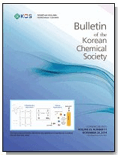
BULLETIN OF THE KOREAN CHEMICAL SOCIETY
Advancing chemical knowledge for a global audience.BULLETIN OF THE KOREAN CHEMICAL SOCIETY, published by WILEY-V C H VERLAG GMBH, is a prominent journal in the field of chemistry, with a specific emphasis on miscellaneous chemical research. With an ISSN of 0253-2964 and E-ISSN 1229-5949, this journal serves as a pivotal platform for researchers, professionals, and students who are eager to showcase innovative studies that address both foundational and emerging topics in the discipline. Boasting a commendable Q2 ranking in the 2023 chemistry quartiles, the journal ranks within the top 50th percentile in Scopus, reflecting its commitment to high-quality scientific discourse. The content published within its pages from 1996 to 2024 covers a vast array of subjects, ensuring a multidisciplinary approach to chemical research. The journal’s impact in the academic community is underscored by its accessibility to a global audience, making it an essential resource for those wishing to stay at the forefront of chemical advancements.
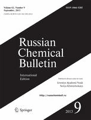
RUSSIAN CHEMICAL BULLETIN
Your Gateway to Innovative Chemical Research.RUSSIAN CHEMICAL BULLETIN, published by SPRINGER, serves as a pivotal resource in the field of general chemistry, covering a wide array of topics that impact both theoretical and applied chemistry. With an ISSN of 1066-5285 and a presence since 1993, this journal provides a platform for disseminating significant research findings, practical applications, and novel methodologies within the broader chemistry community. While it currently holds a Q3 ranking in the Chemistry (miscellaneous) category and occupies the 230th position out of 408 in the Scopus rankings, its reputation continues to grow, fostering collaboration and innovation among researchers and professionals alike. Although the journal does not offer an open-access model, it is committed to making findings accessible within the academic community, ensuring that valuable insights can inform future research. With an anticipated convergence of studies extending to 2024, the RUSSIAN CHEMICAL BULLETIN remains an essential reference for those dedicated to advancing chemical science.
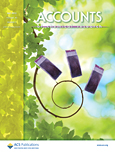
ACCOUNTS OF CHEMICAL RESEARCH
Advancing the Frontiers of Chemistry and MedicineACCOUNTS OF CHEMICAL RESEARCH, published by the American Chemical Society, is a premier journal dedicated to advancing the field of chemistry and its applications in medicine. With an impressive impact factor and recognition as a Q1 journal in both chemistry and medicine categories, it ranks among the top-tier publications, exhibiting an outstanding Scopus rank of 8 out of 408 in general chemistry, placing it in the 98th percentile. This journal has been a vital source of innovative and significant research since its inception in 1968, and it aims to provide a platform for high-quality research articles, reviews, and critical essays that bridge the gap between chemical research and clinical implications. While it is not an open-access publication, the insights available in Accounts of Chemical Research are invaluable for researchers, professionals, and students seeking to explore the latest developments and interdisciplinary approaches within the dynamic fields of chemistry and medicine.
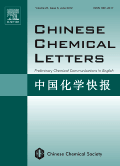
CHINESE CHEMICAL LETTERS
Innovating Chemistry, Inspiring Discoveries.CHINESE CHEMICAL LETTERS, published by Elsevier Science Inc, is a premier journal in the field of chemistry, notably recognized for its focus on innovative research in multidisciplinary areas of the discipline. With its ISSN 1001-8417 and E-ISSN 1878-5964, this journal has established itself as a valuable resource for academics since its inception in 1996, with coverage extending to 2024. Categorized in the top tier (Q1) for Chemistry (miscellaneous), it ranks an impressive #37 out of 408 in Scopus's General Chemistry category, reflecting its significant influence and contribution to the field, with a remarkable 91st percentile ranking. Though it does not currently offer open access, CHINESE CHEMICAL LETTERS remains accessible to researchers through institutional subscriptions and provides crucial insights and advancements in chemical research, making it an essential publication for professionals and students aiming to stay at the forefront of chemical sciences.
BULLETIN OF THE CHEMICAL SOCIETY OF JAPAN
Fostering Excellence: Where Chemistry Meets KnowledgeBULLETIN OF THE CHEMICAL SOCIETY OF JAPAN, published by the esteemed Chemical Society of Japan, serves as a pivotal platform for the dissemination of cutting-edge research in the multifaceted field of chemistry. With an ISSN of 0009-2673 and an E-ISSN of 1348-0634, this journal has been integral in fostering the growth of chemical sciences globally since its inception in 1965. The journal holds an impressive Q2 ranking in the Chemistry (miscellaneous) category, indicating its relevance and influence within the academic community, as reflected by its Scopus rank of #104/408, placing it in the 74th percentile. Although it is not an open-access journal, its rich content, which spans a wide range of topics in general chemistry, remains highly valued by researchers, professionals, and students alike, affirming its crucial role in advancing both theoretical knowledge and practical applications in chemistry. As it converges towards 2024, the bulletin continues to uphold its commitment to excellence in scientific communication and research dissemination in Japan and beyond.
RUSSIAN JOURNAL OF GENERAL CHEMISTRY
Unveiling Breakthroughs in Chemical ScienceThe Russian Journal of General Chemistry is a prominent scholarly publication dedicated to advancing the field of general chemistry. Published by MAIK NAUKA/INTERPERIODICA/SPRINGER, this journal contributes significantly to the global chemistry landscape, offering a platform for researchers and professionals to share their latest findings and methodologies. With an ISSN of 1070-3632 and an E-ISSN of 1608-3350, it has established itself as a resource for high-quality research articles since its inception in 1996. Though currently indexed in the Q4 category for chemistry (miscellaneous) and ranking #299 out of 408 in general chemistry according to Scopus, the journal remains an important venue for academic contributions that bridge gaps in traditional chemical disciplines. Desiring to cater to a diverse range of interests within chemistry, the journal actively encourages submissions that reflect significant scientific achievements, innovations, and collaborative studies. Although the journal does not currently offer open access, its role in disseminating crucial chemical research cannot be overstated. Researchers and students alike will find valuable insights and rigorous scientific discourse in its pages.
STRUCTURAL CHEMISTRY
Unveiling the Mysteries of Molecular ArchitectureSTRUCTURAL CHEMISTRY is a premier journal published by SPRINGER/PLENUM PUBLISHERS, dedicated to advancing the study and understanding of the structural aspects of chemistry. With an ISSN of 1040-0400 and an E-ISSN of 1572-9001, this journal serves as a critical resource for researchers and professionals engaged in the fields of Condensed Matter Physics and Physical and Theoretical Chemistry. Since its inception in 1990, it has become an essential platform for disseminating high-quality research, featuring articles that explore innovative methodologies, experimental techniques, and theoretical frameworks. As evidenced by its Scopus rankings, including #192 in Condensed Matter Physics and #101 in Physical and Theoretical Chemistry, the journal occupies a respected position within the academic community, promoting interdisciplinary collaboration and insight. While it operates on a traditional subscription model, the journal continues to broaden its reach to foster knowledge exchange among scholars worldwide. With a commitment to excellence and relevance, STRUCTURAL CHEMISTRY remains a vital contributor to the scientific dialogue surrounding chemical structure and its myriad implications across various scientific disciplines.
CHEMICAL COMMUNICATIONS
Fostering collaboration in the world of materials science.Chemical Communications, published by the esteemed Royal Society of Chemistry, is a prominent journal within the field of chemical science, focusing on the dissemination of cutting-edge research in a variety of sub-disciplines including catalysis, materials chemistry, and electronic materials. Operating without an open access model, this journal provides critical insights from contributors around the globe, enhancing our understanding of complex chemical interactions and innovative applications. Ranked in the top quartile for several categories such as Ceramics and Composites, and Metals and Alloys, Chemical Communications boasts impressive Scopus rankings, securing strong positions across multiple fields and showcasing its influence within the scientific community. The journal is committed to advancing knowledge and fostering collaboration among researchers, professionals, and students, making it an invaluable resource for those looking to stay abreast of the latest advancements in chemistry and materials science. With a publication history dating back to 1965 and continuing into 2024, its rich archive serves as a vital repository of chemical research and development.