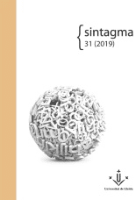
Sintagma
metrics 2024
Contributing to the Future of Language Studies.
Introduction
Sintagma is a prominent academic journal dedicated to advancing the field of Linguistics and Language, published by the Universitat de Lleida in Spain. With an ISSN of 0214-9141 and an E-ISSN of 2013-6455, this journal has established itself as an open-access platform since 1989, thereby ensuring wide accessibility and dissemination of research. The journal's commitment to quality is reflected in its ranking within the Q4 quartile of Linguistics and Language in 2021 and a similar standing in Social Sciences and Arts and Humanities, which underscores its emerging importance in these fields despite recent challenges. Covering topics that span theoretical inquiries to applied linguistic studies, Sintagma invites researchers, professionals, and students to contribute to and engage with its evolving landscape from its unique academic perspective. With the convergence of research years from 2011 to 2018 and upcoming issues through 2024, the journal remains poised to provide insightful content that addresses the linguistic dimensions of contemporary society.
Metrics 2024
 0.100.600.606
Metrics History
Rank 2024
Scopus
IF (Web Of Science)
JCI (Web Of Science)
Quartile History
Similar Journals
RUSSIAN LINGUISTICS
Empowering researchers in the study of Russian linguistics.RUSSIAN LINGUISTICS is a peer-reviewed academic journal published by Springer, dedicated to advancing the understanding of the Russian language and its interplay with various linguistic frameworks. With a longstanding history that spans from its inception in 1974, the journal encompasses a broad range of topics within the fields of linguistics and language studies, offering valuable insights especially in *Developmental and Educational Psychology* and the intricacies of linguistics at large. Currently ranked in the Q2 quartile for Linguistics and Language, and holding substantial positions within Scopus rankings, RUSSIAN LINGUISTICS serves as an essential resource for researchers, educators, and students alike, fostering dialogue and collaboration within the international linguistic community. The journal notably provides critical access to research findings that enhance the comprehension of Russian linguistics' role in a global context, despite operating under a traditional access model. For those pursuing scholarly excellence, RUSSIAN LINGUISTICS remains a pivotal platform for disseminating innovative research and promoting the study of language.

Linguistica Pragensia
Bridging Cultures through Language ResearchLinguistica Pragensia, an esteemed journal published by Charles University Prague, Faculty of Arts, serves as a vital resource in the field of linguistics and language studies. Since its inception, this open-access journal has fostered scholarly communication and exchange, promoting research excellence in various linguistic disciplines. Its international standing is reflected in its Q3 ranking in the 2023 category of Linguistics and Language and its strategic position within Scopus, boasting ranks in both Arts and Humanities and Social Sciences streams. The journal is committed to publishing innovative research from established scholars and emerging voices, contributing to the dialogue surrounding significant linguistic issues and developments. With its base in the culturally rich Czech Republic and an open-access model since 2015, Linguistica Pragensia remains a leading venue for researchers, professionals, and students seeking to engage with contemporary linguistic scholarship.

NEUPHILOLOGISCHE MITTEILUNGEN
Fostering Academic Excellence in Linguistic ResearchNEUPHILOLOGISCHE MITTEILUNGEN, published by the esteemed Modern Language Society, stands as a significant contribution to the domain of Language and Linguistics. With a history dating back to 1971, this journal has consistently provided an academic platform for researchers and scholars, navigating through the intricacies of philology and linguistic studies. Although it is indexed in Scopus with rankings reflecting its position in the Arts and Humanities and Social Sciences categories, it currently does not offer Open Access, which may require interested parties to seek institutional access for its wealth of content. The journal has experienced periods of coverage discontinuation in recent years, yet it remains a valued source for advancing the understanding of language theories and linguistic practices. Its location in Helsinki, Finland, offers a unique European perspective on global linguistic issues. The journal is ideal for those looking to engage with evolving linguistic trends and contribute to contemporary discussions in the field.

Catalan Journal of Linguistics
Pioneering Research in Catalan Language Dynamics.Catalan Journal of Linguistics is a distinguished academic publication dedicated to the dynamic field of linguistics and language studies. Published by the Universitat Autònoma de Barcelona, this open-access journal has been disseminating impactful research since 2002, making significant contributions to the understanding of linguistic theory, language acquisition, and sociolinguistics, particularly within the Catalan language context. With a robust engagement in the scholarly community, it proudly holds a Q2 ranking in Linguistics and Language as of 2023, reflecting its commitment to high standards of research and innovation. The journal is accessible to a global audience, promoting the free exchange of knowledge beyond geographical boundaries, and serves as an essential platform for researchers, professionals, and students aiming to stay at the forefront of linguistic inquiry. With its rich archive of articles, the Catalan Journal of Linguistics stands as a vital resource for anyone keen to explore contemporary linguistic issues and advancements.

Estudios de Linguistica-Universidad de Alicante-ELUA
Advancing Linguistic Knowledge for a Global AudienceEstudios de Linguistica-Universidad de Alicante-ELUA is a distinguished academic journal dedicated to advancing the field of linguistics, published by Universidad de Alicante. With an Open Access model adopted since 2020, ELUA facilitates greater accessibility to pioneering research for scholars and enthusiasts alike. The journal's ISSN is 0212-7636 and its E-ISSN is 2171-6692, ensuring it is indexed and easily discoverable in academic databases. Though the journal's H-Index is currently not specified, its commitment to disseminating high-quality linguistics research positions it as a valuable resource for researchers, professionals, and students. The journal aims to foster scholarly dialogue and innovation in various linguistic domains, making it an essential platform for sharing insights and findings that shape contemporary linguistic studies. Based in Alicante, Spain, ELUA is poised to contribute significantly to the global linguistics landscape.
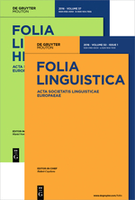
FOLIA LINGUISTICA
Unveiling the Complexities of Language ResearchFOLIA LINGUISTICA, published by WALTER DE GRUYTER GMBH, is a premier scholarly journal dedicated to the field of linguistics. Established in 1967, the journal has consistently provided a platform for innovative research and scholarly discourse in language and linguistics, contributing significantly to the academic community's understanding of language structures, usage, and cognitive processes. With its classification in the top quartile (Q1) of linguistics and language in 2023, FOLIA LINGUISTICA holds a respectable rank (#282/1088) within the Arts and Humanities category and an admirable percentile rank of 74th, ensuring its position at the forefront of linguistic scholarship. Researchers and academics from around the globe can access a wealth of knowledge and cutting-edge research findings through this esteemed publication, which is vital for anyone looking to engage with the latest advancements in linguistics. Located in Berlin, Germany, FOLIA LINGUISTICA encompasses all aspects of language research, making it an indispensable resource for researchers, professionals, and students alike seeking to deepen their understanding of language and its complexities.
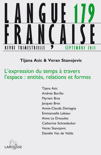
LANGUE FRANCAISE
Transforming Understanding of French Language DynamicsLANGUE FRANCAISE, published by LAROUSSE, stands as a premier journal in the realm of linguistics and language studies, boasting an impressive Q1 quartile rating in the 2023 Linguistics and Language category. With its international reputation anchored in France, this journal presents critical research and discussions that advance our understanding of the French language, its structures, usage, and evolution. Although not an open-access publication, LANGUE FRANCAISE is indexed with an ISSN of 0023-8368 and an E-ISSN of 1957-7982, reflecting its scholarly credibility and impact, including Scopus rankings that place it competitively in the fields of arts and humanities as well as social sciences. This journal serves as an essential resource for researchers, practitioners, and students aiming to deepen their knowledge and engage in scholarly debates that shape contemporary linguistic thought. The journal's commitment to high-quality research continues to foster an enriching academic environment and contribute to the dynamic discourse surrounding language and linguistics.
International Journal of Chinese Linguistics
Exploring the Depths of Chinese LinguisticsInternational Journal of Chinese Linguistics is a distinguished publication that delves into various aspects of linguistic studies pertaining to the Chinese language. Published by John Benjamins Publishing Co, this journal stands out for its commitment to advancing the knowledge and understanding of Chinese linguistics within the global academic community. With an impact factor that places it in the Q2 quartile of linguistics and language, the journal is indexed in prominent databases, achieving ranks of #501 in Arts and Humanities and #580 in Social Sciences. These rankings reflect the journal's dedication to maintaining high scholarly standards and its relevance in both linguistic research and practical applications. While not categorized as Open Access, the journal provides necessary access through institutional subscriptions, thereby ensuring that valuable research reaches a broad audience. Covering a wide range of topics from syntax and phonetics to sociolinguistics and applied linguistics, the International Journal of Chinese Linguistics serves as an essential resource for researchers, professionals, and students seeking to deepen their understanding of the intricate relationship between language and culture in the Chinese context. With converging years from 2019 to 2024, it continues to evolve, reflecting ongoing developments in the field.

Linguistic Research
Pioneering Innovations in the Study of LanguageLinguistic Research, published by the Kyung Hee University Institute for Study of Language & Information, stands as a prominent platform within the field of linguistics and language studies. With an ISSN of 1229-1374, this journal has gained recognition for its contributions to theoretical and empirical research since its inception in 2014. Ranked in the Q2 category of linguistics and language in 2023, it has established its presence in prestigious databases like Scopus, where it ranks #404 in Arts and Humanities and #479 in Social Sciences. The journal actively encourages scholarly discussion and innovation, providing a crucial venue for researchers, professionals, and students to disseminate their findings and engage in the evolving conversation around language. Despite not being open access, Linguistic Research is pivotal for those seeking comprehensive insights and advancements in linguistic studies, making it an essential resource for anyone passionate about the dynamics of language and communication.

Glossa-A Journal of General Linguistics
Elevating Linguistic Research for a Global AudienceGlossa: A Journal of General Linguistics, published by the Open Library of Humanities, stands as a leading voice in the realm of linguistic research since its inception in 2016. With its Q1 category ranking in Linguistics and Language and impressive Scopus ranks encompassing the top 83rd and 81st percentiles in its respective fields, Glossa fosters a vibrant academic community committed to the rigorous exploration of language and linguistic theory. Operating under an open access model, the journal not only enhances the visibility of groundbreaking research but also ensures that valuable insights are accessible to a global audience. The journal's commitment to interdisciplinary dialogue makes it an indispensable resource for scholars, professionals, and students eager to engage with contemporary developments in linguistics. As it converges into 2024, Glossa continues to champion innovative scholarship and critical discourse that challenges conventional boundaries within the field.