
STUDI PIEMONTESI
metrics 2024
Connecting Past and Present: Insights from Piedmont Studies
Introduction
STUDI PIEMONTESI is a distinguished journal published by CENT STUD PIEMONTESI, dedicated to the exploration and analysis of cultural and historical phenomena with a particular focus on the Piedmont region of Italy. Established with the intent to foster scholarly dialogue and research, this journal serves as a valuable resource for academics, researchers, and students in the fields of Cultural Studies and History. With its ISSN 0392-7261, and recent ranking in the Q4 category for both Cultural Studies and History, STUDI PIEMONTESI offers a platform for critical examination of regional heritage and societal developments from 2002 to 2020, with contributions resuming in 2022. Although the journal operates without an open access model, it remains committed to the dissemination of knowledge and research pertinent to the complexities of cultural identity and historical discourse. Scholars engaged in interdisciplinary studies will find the insights published herein invaluable for their work, positioning this journal as an essential reference in the academic landscape.
Metrics 2024
 0.10--3
Metrics History
Rank 2024
Scopus
JCI (Web Of Science)
Quartile History
Similar Journals

Transylvanian Review
Exploring the Rich Tapestry of Transylvanian Culture and HistoryTransylvanian Review is an esteemed academic journal published by the CENTER TRANSYLVANIAN STUDIES, focusing on the fields of cultural studies and history. Since its inception in 2008, this journal has been committed to exploring the historical and cultural dynamics of Transylvania and the broader region, contributing to the scholarly discourse on Eastern European studies. Although currently classified in the Q4 quartile of both cultural studies and history in 2023, it serves as a valuable resource for researchers, professionals, and students aiming to deepen their understanding of cultural intersections and historical narratives. With its commitment to interdisciplinary approaches and rigorous scholarship, Transylvanian Review plays an essential role in fostering dialogue and insight within the academic community, and it aims to continue expanding its influence through accessible and impactful articles. Based in Cluj-Napoca, Romania, it enriches the academic landscape with a unique focus on regional studies.

Radovi Instituta za Povijest Umjetnosti-Journal of the Institute of Art History
Unveiling Artistic Narratives Through Scholarly Insight.Radovi Instituta za Povijest Umjetnosti-Journal of the Institute of Art History is a distinguished academic journal dedicated to the exploration and critical analysis of art history, with a special emphasis on the visual arts and performing arts. Published by INST POVIJEST UMJETNOSTI-INST ART HISTORY in Croatia, this journal provides an essential platform for researchers and practitioners to disseminate their findings and engage in scholarly discourse. Since its transition to Open Access in 2008, it has significantly increased the accessibility of its content, fostering a global exchange of ideas. The journal is indexed in notable databases, reflecting its impact within its field, with a current ranking that places it in the Q4 category for History and in Q3 for Visual Arts and Performing Arts. As it spans its converged years from 2015 to 2024, Radovi is poised to expand its influence and continue contributing to the understanding of art historical narratives. Researchers, professionals, and students alike will find this journal a valuable resource for contemporary discussions and theoretical advancements in the study of art.

South African Journal of Cultural History
Celebrating the Heritage that Defines a NationSouth African Journal of Cultural History is a leading forum dedicated to the exploration and analysis of cultural history within the diverse context of South Africa. Published by the SOUTH AFRICAN SOCIETY FOR CULTURAL HISTORY, this journal serves as an essential resource for researchers, professionals, and students interested in understanding the intricate past that shapes contemporary societies. With an emphasis on interdisciplinary studies, it encourages contributions that delve into various aspects of cultural heritage, identity, and social dynamics. While currently not an open-access publication, the journal aims to provide insightful articles that foster academic discourse and promote the preservation and appreciation of South Africa's rich cultural history. By engaging with this journal, scholars can connect with a vibrant community committed to advancing knowledge in cultural history and enhancing the visibility of South African cultural narratives on a global scale.

Quiroga-Revista de Patrimonio Iberoamericano
Unveiling the Essence of Ibero-American HeritageQuiroga-Revista de Patrimonio Iberoamericano, published by UNIV GRANADA, is a distinguished open-access journal dedicated to the fields of conservation, museology, and the visual and performing arts. Since its inception in 2012, the journal has provided a platform for scholars and practitioners to disseminate innovative research and critical discussions pertinent to Ibero-American heritage. With a growing impact, evidenced by its category quartiles ranking—Q3 in Conservation and Q2 in both Museology and Visual Arts and Performing Arts—as well as its Scopus rankings, Quiroga serves as an essential resource for researchers, professionals, and students who engage with the complexities of cultural preservation and artistic expression. The journal’s commitment to open access ensures the widespread availability of knowledge, fostering academic dialogue and collaboration within the global community. For inquiries, the journal can be reached at their offices located in Granada, Spain.

Espacio Tiempo y Forma Serie VII-Historia del Arte
Advancing Scholarship in Art HistoryEspacio Tiempo y Forma Serie VII-Historia del Arte, published by the Universidad Nacional de Educación a Distancia, stands as a pivotal open-access journal in the realm of Art History. Since its inception, it has steadily contributed to scholarly discourse by providing a platform for the publication of rigorous research that explores the intricate relationship between historical contexts and artistic expressions. With an Impact Factor reflecting its relevance, this journal occupies a critical niche within the Q3 categories of both History and Visual Arts and Performing Arts. Researchers and practitioners alike can benefit from the diverse range of articles published, which delve into various artistic movements and their socio-cultural implications. Operating from its base in Madrid, Spain, the journal continues to accept submissions through 2024, fostering an inclusive academic environment that nurtures the exchange of ideas. With its open-access model established since 2005, Espacio Tiempo y Forma enhances accessibility to vital research, inviting an engaged readership from around the globe.

OUD HOLLAND is a prestigious journal published by BRILL, focusing on the rich history and developments in the visual arts and performing arts. With a historical lineage dating back to its initial publication years from 1883 and periodic revivals until 2024, this journal has maintained its relevance amidst evolving artistic discourse. It holds an impressive standing in the Arts and Humanities field, ranking 338 out of 667 in the Visual Arts and Performing Arts category, positioning it comfortably within the 49th percentile. The journal disseminates critical research and insightful articles that cater to scholars, professionals, and students dedicated to advancing their understanding of artistic heritage and contemporary methodologies. Though currently not open access, OUD HOLLAND represents an invaluable resource for those committed to exploring the multifaceted dimensions of art, offering access to a wealth of knowledge grounded in meticulous research and scholarship.
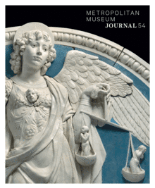
METROPOLITAN MUSEUM JOURNAL
Illuminating Innovations in Art ConservationMETROPOLITAN MUSEUM JOURNAL, published by the University of Chicago Press, serves as a vital platform for researchers, professionals, and students in the fields of Conservation and Museology. With an ISSN of 0077-8958 and an E-ISSN of 2169-3072, this journal emphasizes the importance of scholarly discourse on art preservation and museum practices. Although it currently holds a Q4 ranking in both Conservation and Museology according to the 2023 category quartiles, the journal continues to contribute to advancements and discussions within these vital fields. Located in Belgium, the journal's mission is to illuminate best practices, innovative techniques, and significant case studies that inform the future of museum work. As an indispensable resource for those dedicated to the arts and humanities, METROPOLITAN MUSEUM JOURNAL fosters a community for exchanging ideas and insights, crucial for the ongoing development and understanding of museum methodologies.

Baltic Journal of Art History
Celebrating Artistic Heritage and Critical AnalysisBaltic Journal of Art History is a prominent academic journal published by UNIV TARTU PRESS, focusing on the rich tapestry of art historical research within the Baltic region and beyond. With its ISSN 1736-8812 and E-ISSN 2346-5581, the journal serves as a vital platform for scholars, artists, and historians to disseminate innovative findings and critical analyses in the fields of History and Visual Arts and Performing Arts. Established in 2017, it has gained recognition in academic circles, achieving a Q3 ranking in History and a Q2 ranking in Visual Arts and Performing Arts as of 2023. Despite not being open access, the journal continues to attract a diverse readership eager to engage with its rigorous, peer-reviewed content. Situated in Estonia, the journal not only enriches the regional scholarly discourse but also contributes significantly to global conversations on art history. Positioned at a pivotal intersection of various disciplines, the Baltic Journal of Art History invites researchers and practitioners alike to explore the aesthetic and cultural narratives that shape our understanding of art.

South African Journal of Art History
Championing Innovative Research in Art Historical StudiesSouth African Journal of Art History is a premier academic publication dedicated to the exploration and critical analysis of art history within the South African context. Published by the Art Historical Work Group South Africa (AHWG), this journal serves as a vital platform for researchers, professionals, and students alike to disseminate innovative research and engage with diverse perspectives on visual culture. With an ISSN of 0258-3542, the journal aims to elevate the study of art history, contributing significantly to the scholarly community's understanding of both local and international art narratives. Although currently not an open access journal, it is committed to high academic standards and in-depth scholarship, ensuring that each article published meets rigorous criteria. As South Africa continues to position itself at the forefront of global art discourse, the South African Journal of Art History stands out as a critical resource for anyone interested in the intersections of art, culture, and history within this dynamic region.

Imafronte-Revista de Historia del Arte
Fostering Innovation in Art Historical ResearchImafronte-Revista de Historia del Arte is a premier scholarly journal published by the University of Murcia, dedicated to advancing the field of art history. With an ISSN of 0213-392X and an E-ISSN of 1989-4562, this open-access journal has been serving the academic community since 1985, ensuring that research is widely available and accessible. Nestled in the heart of Spain at the Campus de Espinardo in Murcia, Imafronte invites contributions that span a myriad of topics within art history, providing a rich platform for critical analysis and interdisciplinary dialogue. Its commitment to fostering scholarly communication and innovation makes it an essential resource for researchers, professionals, and students alike, eager to explore the nuances of artistic heritage and contemporary discourse in the arts.