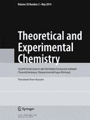
Theoretical and Experimental Chemistry
metrics 2024
Bridging Theory and Experimentation in Chemistry
Introduction
Theoretical and Experimental Chemistry is a well-respected journal published by SPRINGER, focusing on both theoretical models and experimental methods within the field of chemistry. Operating since 1965, this journal has established a rich history of contributing to the scientific community, with a converged publication history extending through 2024. Although it currently holds a Q3 ranking in the Chemistry (miscellaneous) category and a Scopus Rank of #286 out of 408 in General Chemistry, its reputation continues to grow in the academic realm, as it provides a platform for both emerging and established researchers to share their findings. The journal does not operate on an open access model, yet it offers valuable insights into diverse chemical research that can benefit professionals and students alike. Located in New York, USA, at ONE NEW YORK PLAZA, SUITE 4600, the journal aims to bridge theoretical insights with experimental validation, fostering a comprehensive understanding of contemporary chemical challenges.
Metrics 2024
 0.200.700.8022
Metrics History
Rank 2024
Scopus
IF (Web Of Science)
JCI (Web Of Science)
Quartile History
Similar Journals

Catalysts
Exploring the Frontiers of Catalysis and ChemistryCatalysts is a leading academic journal in the field of catalysis, published by MDPI since 2011 and well-regarded for its commitment to open access publishing. Based in Switzerland, this journal delivers innovative research and reviews that span various aspects of catalysis, from heterogeneous and homogeneous catalysis to the development of novel catalytic systems. With a commendable impact factor and a notable Q2 ranking in both Catalysis and Physical and Theoretical Chemistry categories, Catalysts plays a critical role in advancing the scientific discourse in these fields. The open-access model ensures that all research articles are readily accessible to researchers and professionals worldwide, fostering collaboration and accessibility to high-quality scientific literature. As the journal continues to publish cutting-edge studies up to its convergence in 2024, it remains an essential resource for anyone involved in catalysis research, from seasoned professionals to emerging scholars.
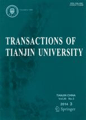
TRANSACTIONS OF TIANJIN UNIVERSITY
Empowering knowledge exchange across diverse disciplines.TRANSACTIONS OF TIANJIN UNIVERSITY, published by SpringerNature, is a premier journal in the field of multidisciplinary research, boasting an impressive Q1 ranking and placing within the top 93rd percentile of its category according to Scopus. With an ISSN of 1006-4982 and E-ISSN of 1995-8196, this journal facilitates insightful and innovative contributions that span various disciplines, making it a vital resource for academics and professionals alike. Established in 2004, the journal continues to thrive with a commitment to advancing knowledge and fostering collaboration in scientific inquiry. TRANSACTIONS OF TIANJIN UNIVERSITY aligns with global research trends and offers a platform for the dissemination of high-quality research findings, promoting interdisciplinary approaches to solving complex problems. Located in China, its influence extends well beyond national borders, appealing to a diverse readership eager to explore the latest advancements and discussions in the multidisciplinary arena.
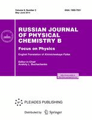
Russian Journal of Physical Chemistry B
Fostering collaboration for chemical breakthroughs.Russian Journal of Physical Chemistry B, published by MAIK NAUKA/INTERPERIODICA/SPRINGER, serves as a vital platform for the dissemination of novel research in the field of physical and theoretical chemistry. With an ISSN of 1990-7931 and an E-ISSN of 1990-7923, this journal has established itself in the academic landscape since its inception in 2008, continuing to publish groundbreaking studies that push the boundaries of chemical research through 2024. Ranked in the Q3 category in Physical and Theoretical Chemistry, it holds a Scopus Rank of 139/189, showcasing its significance despite a competitive field. The journal does not currently offer open access but remains dedicated to advancing knowledge and innovation within its niche, fostering collaboration among chemists, researchers, and educators. As a valuable resource for those seeking to stay abreast of the latest developments and theoretical advancements, the Russian Journal of Physical Chemistry B is an excellent choice for professionals and students alike.

Nanosystems-Physics Chemistry Mathematics
Illuminating the Path of Interdisciplinary DiscoveryNanosystems-Physics Chemistry Mathematics is a prominent academic journal dedicated to advancing knowledge in the interdisciplinary fields of condensed matter physics, materials science, and mathematics. Published by the St. Petersburg National Research University of Information Technologies, Mechanics, and Optics, this journal plays a crucial role in disseminating valuable research findings and theoretical developments from 2019 to 2024. With an evolving scope that reflects the latest trends and methodologies, the journal strives to connect researchers, professionals, and students with groundbreaking discoveries and applications in nanotechnology and related areas. Although it currently holds a Q4 rating in Condensed Matter Physics and ranks within the Q3 tier in several categories, its commitment to promoting open dialogue and innovative solutions highlights its potential for growth and impact. Researchers can access various formats to ensure the accessibility of knowledge, further enriching the academic community's engagement with cutting-edge scientific developments.
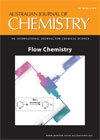
AUSTRALIAN JOURNAL OF CHEMISTRY
Pioneering discoveries in diverse chemical disciplines.The Australian Journal of Chemistry, with an ISSN of 0004-9425 and an E-ISSN of 1445-0038, is a distinguished publication from CSIRO PUBLISHING, dedicated to advancing the field of chemistry since its inception in 1948. Based in Australia, this journal serves as a platform for original research articles, reviews, and innovative studies that encompass a wide spectrum of chemical disciplines, aiming to foster communication and collaboration among researchers globally. Despite its Q3 ranking in the Chemistry (Miscellaneous) category and standing at rank #236 in Scopus’ general chemistry classification, it remains an essential resource for professionals and students seeking to stay informed about emerging trends and discoveries in chemistry. The journal does not offer open access, emphasizing the premium quality of peer-reviewed content that adheres to rigorous academic standards. By bridging theory and practice, the Australian Journal of Chemistry continues to play a crucial role in shaping the future of chemical sciences.
Chemical Science
Fostering Global Collaboration in ChemistryChemical Science, published by the esteemed Royal Society of Chemistry, is a leading open-access journal that has been a pivotal platform for disseminating high-quality research in the field of chemistry since its inception in 2010. With an impressive Impact Factor and ranked in the Q1 category of Chemistry (miscellaneous) and holding a distinguished rank of #34 out of 408 in General Chemistry according to Scopus, it is widely recognized for its rigorous peer-review process and innovative contributions to the discipline. The journal embraces a global readership by providing an open-access model since 2015, thereby making vital scientific advancements accessible to researchers, professionals, and students alike. Covering various branches of chemistry, Chemical Science aims to publish original research articles, reviews, and communications that advance our understanding and application of chemical sciences. With its commitment to excellence and its continued relevance in a rapidly evolving field, Chemical Science is an indispensable resource for anyone engaged in chemistry research and education.
TOPICS IN CATALYSIS
Transforming Ideas into Catalytic SolutionsTOPICS IN CATALYSIS is a renowned journal published by SPRINGER/PLENUM PUBLISHERS, dedicated to advancing the field of catalysis and its applications in chemistry and chemical engineering. With its ISSN 1022-5528 and E-ISSN 1572-9028, this journal has been a critical resource since its inception in 1994, encompassing a wide range of research topics and recent advancements within the realm of catalysis, including both fundamental studies and practical applications. As of 2023, it holds a prestigious Q3 ranking in Catalysis and a Q2 ranking in miscellaneous chemistry, reflecting its impact and relevance in the academic community. With a Scopus rank of #128 in General Chemistry and #38 in Catalysis, TOPICS IN CATALYSIS is positioned to be a key contributor to the ongoing dialogue in these fields, fostering innovation and collaboration. While not an open-access journal, it provides institutional access options, ensuring that the latest findings and methodologies are available to researchers, professionals, and students worldwide. This journal is essential for those looking to stay at the forefront of catalysis research and its transformative potential in science and industry.

Reaction Kinetics Mechanisms and Catalysis
Innovating the Future of Reaction KineticsReaction Kinetics Mechanisms and Catalysis is an esteemed academic journal published by SPRINGER, specializing in the fields of catalysis and physical and theoretical chemistry. With ISSN 1878-5190 and E-ISSN 1878-5204, this journal serves as a crucial platform for researchers and professionals to disseminate and engage with cutting-edge findings in reaction kinetics, catalytic processes, and mechanistic insights. Operating under an open access model, the journal ensures broad accessibility to its content, enhancing its impact within the scientific community. As of 2023, it is positioned in the Q4 category in catalysis and Q3 in physical and theoretical chemistry, reflecting its growing influence, yet also its potential for further advancement. Aiming to foster collaborations and innovations, Reaction Kinetics Mechanisms and Catalysis is poised to continue shaping the discourse in its field, making it an essential read for researchers, students, and industry professionals alike.
STRUCTURAL CHEMISTRY
Pioneering Insights into Chemical FrameworksSTRUCTURAL CHEMISTRY is a premier journal published by SPRINGER/PLENUM PUBLISHERS, dedicated to advancing the study and understanding of the structural aspects of chemistry. With an ISSN of 1040-0400 and an E-ISSN of 1572-9001, this journal serves as a critical resource for researchers and professionals engaged in the fields of Condensed Matter Physics and Physical and Theoretical Chemistry. Since its inception in 1990, it has become an essential platform for disseminating high-quality research, featuring articles that explore innovative methodologies, experimental techniques, and theoretical frameworks. As evidenced by its Scopus rankings, including #192 in Condensed Matter Physics and #101 in Physical and Theoretical Chemistry, the journal occupies a respected position within the academic community, promoting interdisciplinary collaboration and insight. While it operates on a traditional subscription model, the journal continues to broaden its reach to foster knowledge exchange among scholars worldwide. With a commitment to excellence and relevance, STRUCTURAL CHEMISTRY remains a vital contributor to the scientific dialogue surrounding chemical structure and its myriad implications across various scientific disciplines.

REVIEWS IN INORGANIC CHEMISTRY
Advancing the Frontiers of Inorganic ChemistryREVIEWS IN INORGANIC CHEMISTRY, published by Walter de Gruyter GmbH, is a distinguished academic journal that serves as a vital resource for researchers, professionals, and students within the field of inorganic chemistry. With its ISSN 0193-4929 and E-ISSN 2191-0227, this journal has made a significant impact on the discipline, holding a commendable Q2 ranking in the 2023 category of Inorganic Chemistry, placing it in the 81st percentile among its peers according to Scopus rankings. Continuously published since its inception, with converged years spanning from 1985 to 1990 and 1992 to 2024, it features comprehensive reviews encompassing the latest advancements, methodologies, and theoretical frameworks in the subject. Researchers will find IDEAL insights and valuable discussions that keep them abreast of trends and challenges in the domain, essential for driving innovation and collaboration. The journal’s commitment to quality and rigorous peer review highlights its importance in advancing inorganic chemistry research, making it an indispensable tool for academic excellence.