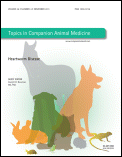
Topics in Companion Animal Medicine
Scope & Guideline
Advancing veterinary knowledge for companion animal care.
Introduction
Aims and Scopes
- Clinical Veterinary Medicine:
The journal primarily focuses on clinical aspects of veterinary medicine, including diagnosis, treatment, and management of diseases in companion animals such as dogs, cats, rabbits, and exotic pets. - Surgery and Anesthesia:
There is a significant emphasis on surgical techniques, anesthesia protocols, and postoperative care, aiming to improve surgical outcomes and pain management in companion animals. - Oncology and Pathology:
Research related to cancer in companion animals, including novel treatment approaches and pathology of tumors, is a core focus, addressing the increasing incidence of cancer in pets. - Animal Behavior and Welfare:
The journal also explores behavioral studies and welfare assessments, recognizing the importance of mental and emotional health in companion animals. - Emerging Diseases and Zoonoses:
Research on emerging diseases, zoonotic risks, and public health implications related to companion animals is highlighted, reflecting the evolving landscape of veterinary medicine.
Trending and Emerging
- Innovative Surgical Techniques and Anesthesia:
There is an increasing trend towards exploring and documenting innovative surgical techniques and anesthesia protocols, emphasizing minimally invasive approaches and improved pain management. - Oncology and Cancer Treatment Advances:
Research focused on novel cancer treatments, including immunotherapy and targeted therapies, is trending, reflecting the rising incidence of cancer in companion animals and the need for effective treatment alternatives. - Integrative and Holistic Approaches:
A growing interest in integrative and holistic veterinary medicine is evident, with studies examining the combined use of traditional and alternative therapies for improved health outcomes. - Veterinary Public Health and Zoonoses:
Public health concerns related to zoonotic diseases are increasingly prevalent, with research focusing on the intersection of veterinary and human health, particularly in light of global health crises. - Behavioral Health and Welfare Studies:
There is a notable rise in research addressing animal behavior, welfare, and the human-animal bond, reflecting an enhanced awareness of the psychological and emotional needs of companion animals.
Declining or Waning
- Traditional Infectious Disease Studies:
There has been a noticeable decrease in studies focused solely on traditional infectious diseases in companion animals, such as canine parvovirus or feline leukemia, as newer methodologies and broader health concerns take precedence. - General Nutrition Studies:
Research specifically addressing basic nutritional studies and dietary formulations has seen a decline, likely due to the shift towards more integrative approaches that consider nutrition in the context of overall health and disease management. - Conventional Diagnostic Techniques:
There is a waning interest in conventional diagnostic techniques, such as basic blood tests and urinalysis, as the field moves towards more advanced diagnostic methods, including molecular and genetic testing.
Similar Journals

Iranian Journal of Veterinary Research
Fostering Knowledge in Animal Science and ZoologyWelcome to the Iranian Journal of Veterinary Research (IJVR), a prestigious platform dedicated to advancing the field of veterinary science. Published by Shiraz University, this journal plays a pivotal role in disseminating high-quality research findings amid a vibrant academic community. With its ISSN 1728-1997, and a convergence of studies from 2008 to 2024, IJVR serves as an essential resource for veterinarians, researchers, and students interested in Animal Science and Zoology. Recognized in the Q3 quartile for both Animal Science and Veterinary categories, it holds a respectable position with Scopus rankings placing it in the 54th percentile among general veterinary journals. Although it currently lacks an open access model, the journal ensures that cutting-edge veterinary research is presented with rigor and relevance, fostering knowledge that contributes to animal health and welfare. With its strategic focus on innovative methodologies, clinical practices, and the biological sciences, the IJVR is set to become your go-to source for critical advancements in veterinary research.

Abanico Veterinario
Your Gateway to Cutting-Edge Veterinary ScienceAbanico Veterinario is a prominent academic journal dedicated to the field of veterinary science, published by Sergio Martinez Gonzalez. With its ISSN 2007-4204 and E-ISSN 2448-6132, this journal serves as a vital resource for researchers, practitioners, and students interested in the latest advancements and research in veterinary medicine. Although Abanico Veterinario operates on a non-open access model, it provides insightful content that addresses a diverse range of topics such as animal health, veterinary ethics, and innovative practices. The journal aims to promote knowledge sharing and foster collaboration within the veterinary community, ultimately contributing to improved animal care and welfare. With a commitment to excellence and a growing reputation within the field, Abanico Veterinario stands as an essential platform for those seeking to enhance their professional skills and stay abreast of emerging trends in veterinary science.

CANADIAN VETERINARY JOURNAL-REVUE VETERINAIRE CANADIENNE
Exploring the frontiers of veterinary medicine in Canada.Canadian Veterinary Journal - Revue Vétérinaire Canadienne is a prominent peer-reviewed journal published by the Canadian Veterinary Medical Association. Established in 1965, this journal aims to advance knowledge within the field of veterinary medicine and contributes significantly to the development of veterinary practices through the dissemination of high-quality research. With a robust focus on both general and specialized veterinary studies, the journal holds a Q2 ranking in the Veterinary (miscellaneous) category and a Q3 categorization in Medicine (miscellaneous) as of 2023, reflecting its vital role in academic discourse. Researchers and professionals can expect a diverse range of topics that explore the intricacies of animal health and welfare, making it a vital resource for advancing veterinary science in Canada and beyond. Although the journal does not operate under an open access model, it remains a respected platform for disseminating impactful research. With a long-standing tradition of excellence, the Canadian Veterinary Journal is an invaluable tool for veterinarians, researchers, and students committed to enhancing animal health and veterinary practices.

ACTA VETERINARIA SCANDINAVICA
Unlocking insights for the future of animal care.ACTA VETERINARIA SCANDINAVICA is a prestigious open-access journal dedicated to advancing the field of veterinary science and promoting interdisciplinary research. Published by BMC since 2001, this journal has become a vital resource for veterinarians, researchers, and students worldwide, with an ISSN of 0044-605X and an E-ISSN of 1751-0147. With a remarkable impact factor reflecting its relevance—ranking in the Q2 quartile for Veterinary (miscellaneous) and Q3 for Medicine (miscellaneous)—ACTA VETERINARIA SCANDINAVICA focuses on a broad spectrum of veterinary topics, ensuring that critical research is available to the academic community and beyond. Located in the United Kingdom, this journal has successfully converged its publishing efforts from 1960 to 2024, highlighting its long-standing commitment to veterinary excellence. Researchers are encouraged to submit their work through the journal’s user-friendly platform, contributing to the ever-evolving landscape of animal health and welfare.
JOURNAL OF ZOO AND WILDLIFE MEDICINE
Advancing veterinary science for wildlife health.JOURNAL OF ZOO AND WILDLIFE MEDICINE, published by the American Association of Zoo Veterinarians, serves as a pivotal resource in the field of veterinary science, focusing specifically on the health and well-being of zoo and wildlife species. With an ISSN of 1042-7260 and an E-ISSN of 1937-2825, this journal is recognized for its significant contributions to animal science and has been categorized in the second quartile in both Animal Science and Zoology, as well as Veterinary disciplines, according to the latest rankings. It holds a respectable position within Scopus, being ranked #91 in General Veterinary and #290 in Animal Science and Zoology. While the journal operates on a subscription basis, its impactful research articles have been invaluable for clinicians, researchers, and students alike, providing crucial insights that advance wildlife conservation, veterinary practices, and animal health care from 1993 to the present. With a global reach and a targeted focus on both theoretical and practical applications, JOURNAL OF ZOO AND WILDLIFE MEDICINE is instrumental in fostering collaboration among professionals dedicated to the study and care of wild animal populations.

BMC Veterinary Research
Fostering innovation in veterinary research.BMC Veterinary Research, published by BMC in the United Kingdom, stands as a pivotal open-access platform dedicated to advancing the field of veterinary science since its inception in 2005. With an impressive impact factor that reflects its influential presence, this journal has achieved a remarkable ranking of #17 out of 194 in the Scopus Veterinary category, placing it in the 91st percentile among its peers. The journal serves as an essential resource for researchers, professionals, and students alike, fostering the dissemination of high-quality research and innovative practices within the veterinary and broader medical communities. With its commitment to open access, BMC Veterinary Research ensures that valuable insights are accessible to all, promoting collaboration and knowledge sharing that drive the advancement of veterinary sciences. As it continues to publish significant findings until 2024, it remains a key contributor to the contemporary discourse on animal health and welfare.
TIERAERZTLICHE PRAXIS AUSGABE GROSSTIERE NUTZTIERE
Fostering interdisciplinary dialogue in the veterinary community.TIERAERZTLICHE PRAXIS AUSGABE GROSSTIERE NUTZTIERE is a pivotal journal in the field of veterinary science, focusing specifically on large animals and food production animals. Published by GEORG THIEME VERLAG KG, this journal has been a resource for veterinary professionals since its inception in 1996, delivering current research and practical insights to its readership through 2024. Despite its classification in the Q4 quartile for both Food Animals and Veterinary (miscellaneous) categories, the journal provides an essential platform for emerging studies, contributing to the interdisciplinary dialogue around veterinary practices. Researchers and practitioners benefit from the journal’s commitment to advancing knowledge, despite its modest rankings in Scopus where it stands at rank #150 in General Veterinary and #32 in Food Animals. While not currently offering Open Access options, the journals’ significant body of work remains an invaluable asset for those dedicated to enhancing animal health and welfare. TIERAERZTLICHE PRAXIS serves as a cornerstone for academic exploration and practical application in the veterinary field, fostering a deeper understanding of the complexities involved in animal care and management.

Open Veterinary Journal
Connecting Scholars and Practitioners in Veterinary ExcellenceOpen Veterinary Journal, published by the University of Tripoli, Faculty of Veterinary Medicine, offers a vital platform for the dissemination of research in the field of veterinary sciences. With an ISSN of 2226-4485 and an E-ISSN of 2218-6050, this journal has been committed to open access since 2011, allowing for unfettered access to its content, which ensures that researchers, practitioners, and students worldwide can benefit from the latest veterinary research findings. Operating from Libya, it has garnered an important position within the academic community, achieving a Q2 quartile ranking in the scope of veterinary (miscellaneous) and maintaining a Scopus rank of 104 out of 194 within the general veterinary category, indicating its growing influence and reach. The journal focuses on a diverse array of topics pertinent to contemporary veterinary practice, aiming to bridge gaps in knowledge and foster collaboration among scholars and practitioners. As it continues to publish original research and reviews, Open Veterinary Journal stands as a crucial resource for advancing veterinary medicine, supporting innovative research, and enhancing educational outcomes within the profession.
AUSTRALIAN VETERINARY JOURNAL
Fostering collaboration for impactful veterinary advancements.AUSTRALIAN VETERINARY JOURNAL, published by Wiley, is a leading journal dedicated to advancing the field of veterinary science. With a rich history dating back to 1925, this journal has become a vital resource for researchers, professionals, and students interested in veterinary medicine and its diverse applications. As evidenced by its impressive Scopus ranking, placing it in the 67th percentile among General Veterinary publications, and categorized within Q3 of the Medicine (miscellaneous) and Q2 of the Veterinary (miscellaneous) quartiles for 2023, AUSTRALIAN VETERINARY JOURNAL is recognized for its commitment to quality research and impactful contributions. Although not an open access journal, it continues to be an essential platform for disseminating vital findings and innovations within the veterinary community, fostering collaboration and advancement in animal health and welfare.
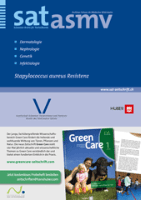
SCHWEIZER ARCHIV FUR TIERHEILKUNDE
Empowering the veterinary community with vital insights.SCHWEIZER ARCHIV FUR TIERHEILKUNDE is a prestigious journal published by the GESELLSCHAFT SCHWEIZER TIERARZTINNEN & TIERARZTE, dedicated to advancing the field of veterinary science. With the ISSN 0036-7281 and E-ISSN 1664-2848, this esteemed journal has been a vital source of knowledge since its inception in 1945, evolving through converged years up to 2024. It plays a significant role in the veterinary community, reflected by its 2023 ranking in the Q2 category for veterinary (miscellaneous) research, placing it within the 48th percentile among its peers. Although it does not currently offer Open Access options, the journal remains a trusted outlet for researchers, professionals, and students looking to stay abreast of the latest findings and practices in veterinary medicine. Published in Switzerland, it serves as a bridge for sharing innovative ideas and solutions in animal healthcare, emphasizing the importance of community and collaboration in improving animal welfare.