
TURKISH JOURNAL OF BIOLOGY
Scope & Guideline
Pioneering Research in Cell Biology, Genetics, and Microbiology
Introduction
Aims and Scopes
- Molecular and Cellular Biology:
Research on molecular mechanisms underlying cellular functions, including studies on gene expression, protein interactions, and cellular signaling pathways. - Cancer Biology and Therapeutics:
Investigation of cancer mechanisms, including tumor biology, metastasis, and novel therapeutic approaches such as drug repurposing and targeted therapies. - Pharmacology and Medicinal Chemistry:
Studies on the pharmacological effects of natural and synthetic compounds, including drug delivery systems and the therapeutic potential of various substances. - Genomics and Bioinformatics:
Research utilizing genomic data analysis and bioinformatics tools to uncover insights into genetic disorders, cancer genomics, and evolutionary biology. - Environmental and Ecological Biology:
Exploration of ecological interactions and environmental impacts on biological systems, including studies on medicinal plants and biodiversity. - Neuroscience and Neurobiology:
Research into the biological underpinnings of neurological disorders, neuroinflammation, and the effects of various treatments on brain health.
Trending and Emerging
- COVID-19 Research and Therapeutics:
A significant uptick in studies related to COVID-19, including vaccine development, antiviral agents, and host-pathogen interactions, highlighting the urgency of understanding and combating the pandemic. - Nanotechnology in Drug Delivery:
Emerging applications of nanotechnology for targeted drug delivery systems and cancer therapeutics indicate a growing interest in innovative treatment modalities. - Omics Technologies and Personalized Medicine:
Increased focus on multi-omics approaches (genomics, proteomics, etc.) for understanding complex diseases and tailoring personalized medicine strategies. - Natural Products and Traditional Medicine:
A resurgence in the exploration of natural products, particularly medicinal plants, for their potential therapeutic applications against various diseases. - Machine Learning and AI in Biology:
The incorporation of machine learning and artificial intelligence in biological research for data analysis and predictive modeling is on the rise, reflecting technological advancements.
Declining or Waning
- Traditional Agricultural Studies:
Research focusing on traditional agricultural practices and crop improvement appears to be less frequent, possibly due to a shift towards more modern, biotechnological approaches. - Basic Ecology without Applied Context:
Studies that solely focus on ecological principles without applied implications or connections to human health or environmental sustainability seem to be declining. - In Vitro Models with Limited Clinical Relevance:
Research utilizing in vitro models that lack direct relevance to clinical applications or translational potential is becoming less common as the focus shifts towards more integrative and applicable studies.
Similar Journals
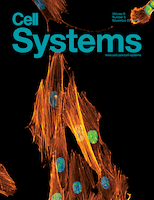
Cell Systems
Pioneering Discoveries in Systems BiologyCell Systems is an esteemed journal published by CELL PRESS, dedicated to advancing the field of systems biology and its applications in cell biology, histology, and pathology. Since its inception in 2015, it has quickly ascended to a prominent position within the academic community, currently holding a Q1 ranking across multiple categories including Cell Biology, Histology, and Pathology and Forensic Medicine for 2023. With an impressive Scopus ranking—third in Medicine: Pathology and Forensic Medicine, and similarly high standing in Histology—it serves as a key resource for researchers and professionals aiming to explore and disseminate cutting-edge research findings. The journal provides an open-access platform, making it an accessible source of knowledge for students and scholars alike, fostering collaboration and innovation within the dynamic landscape of cellular research. With a commitment to high-quality and impactful publications, Cell Systems plays a pivotal role in shaping the future of biological sciences.

CELLULAR AND MOLECULAR BIOLOGY
Innovating Understanding in Molecular BiologyCellular and Molecular Biology is a prominent academic journal published by C M B ASSOC, specializing in the dynamic fields of cellular and molecular biology. Established in 1977, this journal has consistently aimed to disseminate groundbreaking research that contributes to our understanding of biochemical processes, cell dynamics, and molecular mechanisms governing life. With its ISSN 0145-5680 and E-ISSN 1165-158X, the journal plays a vital role in the exchange of innovative ideas, evidenced by its coverage of research from 1977 to 2024. Although currently categorized in the Q4 quartile for major disciplines such as Biochemistry and Cell Biology, it is dedicated to fostering the development of the field by welcoming submissions that challenge the conventional understanding and lead to novel insights. Researchers and academics looking to contribute to or stay updated in the rapidly evolving landscape of molecular biology will find this journal a valuable resource for connecting with a global community of scientists.
Cold Spring Harbor Perspectives in Biology
Connecting Research with Revolutionary Biological DiscoveriesCold Spring Harbor Perspectives in Biology is a prestigious academic journal published by COLD SPRING HARBOR LAB PRESS that serves as a vital resource in the fields of Biochemistry, Genetics, and Molecular Biology. With an impressive impact factor and categorized in the Q1 quartile for its contributions, this journal is renowned for curating comprehensive reviews that synthesize the latest advancements and ongoing research in these dynamic and interconnected disciplines. Since its inception in 2009, the journal has played a pivotal role in advancing scientific knowledge through high-quality articles that cater to researchers, professionals, and students alike. Although it operates on a traditional subscription model, its contributions are indispensable for those seeking to remain at the forefront of biological research and its myriad applications. With a commendable ranking of #19 out of 221 in general biochemistry, genetics, and molecular biology on Scopus, this journal ensures that its readers have access to cutting-edge insights and a rigorous academic discourse.
PROCEEDINGS OF THE ROYAL SOCIETY B-BIOLOGICAL SCIENCES
Cultivating Insights in Biological DiversityPROCEEDINGS OF THE ROYAL SOCIETY B-BIOLOGICAL SCIENCES, published by the esteemed Royal Society, stands as a premier platform for disseminating cutting-edge research in the fields of Biological Sciences. With an impressive impact factor reflective of its high citation rates and scholarly contributions, this journal encompasses a wide array of disciplines, including Agricultural and Biological Sciences, Biochemistry, Genetics and Molecular Biology, Environmental Science, and Immunology and Microbiology, consistently ranking in the Q1 category across these fields. Since its inception in 1946, it has been committed to advancing our understanding of biological systems and informing evidence-based practices. Researchers and academics can submit their work without the Open Access barrier, thereby maintaining the integrity of the disciplinary discourse while providing comprehensive insights. The journal's location in the United Kingdom also positions it at the heart of global scientific innovation, making it a vital resource for professionals and students alike who are eager to explore the latest trends and breakthroughs in the biological sciences.

Communications Biology
Pioneering Research for a Sustainable FutureCommunications Biology, published by NATURE PORTFOLIO, is a premier open-access journal that has been at the forefront of biological sciences since its inception in 2018. With a remarkable impact factor and a strong reputation in the field, it has achieved prestigious Q1 rankings in Agricultural and Biological Sciences, Biochemistry, Genetics and Molecular Biology, and Medicine, highlighting its significance in disseminating cutting-edge research. The journal is renowned for its focus on innovative, interdisciplinary biological studies, making it an essential platform for researchers, professionals, and students alike, eager to contribute to and engage with the latest discoveries. With its commitment to accessibility, all articles published are openly available to the global research community, furthering the collaboration and advancement of knowledge in the biological sciences. For more information, access options, and submission guidelines, please visit the journal's website.
IUBMB LIFE
Empowering Discoveries in Biochemistry and BeyondIUBMB LIFE is a prestigious, peer-reviewed journal published by WILEY, dedicated to advancing the fields of biochemistry, molecular biology, and cell biology. With an impressive impact factor and consistently ranked in the Q1 and Q2 categories across multiple relevant disciplines—including Biochemistry, Genetics, and Clinical Biochemistry—this journal has established itself as a leading platform for disseminating innovative research and critical reviews that propel scientific discovery. The journal spans a converged publication period from 1999 to 2024, providing comprehensive insights into the dynamic landscape of biochemical research. Researchers, professionals, and students alike are invited to explore its Open Access options, ensuring that groundbreaking studies are accessible to a global audience. As it continues to shape the future of life sciences, IUBMB LIFE remains a vital resource for those seeking to enrich their understanding and contribute to these rapidly evolving fields.
Open Life Sciences
Connecting Researchers to a World of DiscoveryOpen Life Sciences is a distinguished open-access journal published by DE GRUYTER POLAND SP Z O O, dedicated to advancing research across diverse disciplines in the life sciences. Since its inception in 2014 and transitioning to open access in 2015, the journal has become a pivotal platform for researchers, fostering the dissemination of high-quality scientific work while ensuring that valuable findings are freely accessible to the global community. With an impressive categorization into Q2 in Agricultural and Biological Sciences and Q3 in several other fields including Biochemistry and Immunology as of 2023, Open Life Sciences promotes innovation and knowledge sharing across its broad spectrum of topics. The journal's commitment to excellence is reflected in its competitive Scopus rankings, making it an essential resource for professionals and students alike who are keen to stay at the forefront of life sciences research.
JOURNAL OF EXPERIMENTAL BIOLOGY
Advancing the Frontiers of Biological DiscoveryJOURNAL OF EXPERIMENTAL BIOLOGY, published by COMPANY BIOLOGISTS LTD, stands as a cornerstone in the fields of Animal Science, Aquatic Science, Ecology, Insect Science, and Physiology. With a rich history dating back to 1945, this esteemed journal has continually provided a platform for high-quality research, evidenced by its impressive Q1 rankings across multiple categories in the 2023 Journal Citation Reports. Located in the United Kingdom, it serves an international audience, offering critical insights and advancements in various biological sciences. As a non-open access journal, it provides rigorous peer-reviewed articles that contribute profoundly to our understanding of biological processes and their implications. With an extensive reach among researchers, practitioners, and academia, the JOURNAL OF EXPERIMENTAL BIOLOGY is not only a repository of knowledge but also a catalyst for ongoing research and innovation in experimental biology.

BIOCHEMICAL AND BIOPHYSICAL RESEARCH COMMUNICATIONS
Pioneering research for a deeper understanding of life sciences.BIOCHEMICAL AND BIOPHYSICAL RESEARCH COMMUNICATIONS, published by Academic Press Inc Elsevier Science, stands as a leading periodical in the fields of biochemistry, biophysics, cell biology, and molecular biology. With an ISSN of 0006-291X and an E-ISSN of 1090-2104, this esteemed journal has been a pivotal platform for the dissemination of groundbreaking research since its inception in 1959, continuing to publish influential findings through at least 2024. It holds a commendable Q2 ranking in Biochemistry and Q1 status in Biophysics as of 2023, reflecting its high impact and relevance in the field, supported by its strong Scopus rankings—ranking #43 in Biophysics and maintaining a presence in the top quartiles of several related categories. Although it is not an open-access journal, it provides critical insights and essential data that cater to researchers, professionals, and students keen on advancing their understanding of complex biochemical and biophysical processes. Its significant contributions to the scientific community underscore the importance of this journal as a reference point for innovative research and collaborative discourse.

BIOSCIENCE REPORTS
Your Gateway to Cutting-Edge Scientific DiscoveriesBIOSCIENCE REPORTS, published by Portland Press Ltd, is a prestigious journal dedicated to advancing the fields of biochemistry, biophysics, cell biology, and molecular biology. Founded in 1981, the journal has established itself as a vital resource for researchers and professionals, boasting a significant impact factor and high rankings within its categories, including Q2 in Biochemistry and Q1 in Biophysics as of 2023. The journal’s commitment to high-quality, peer-reviewed research ensures that it remains an influential platform for the dissemination of cutting-edge scientific findings. While it operates under a traditional subscription model, it offers various access options to accommodate the needs of the scientific community. With ongoing publication through 2024, BIOSCIENCE REPORTS continues to play a crucial role in shaping discussions in the life sciences and fostering innovative research in biology.