
WILDFOWL
metrics 2024
Connecting Global Research on Wildfowl and Ecosystems
Introduction
WILDFOWL is a leading open access journal dedicated to the study of wildfowl and their habitats, published by the Wildfowl & Wetlands Trust. With an ISSN of 0954-6324 and an E-ISSN of 2052-6458, the journal has established a significant presence in the field of ecological research since its inception. This journal is particularly notable for its accessibility, having transitioned to an open access model in 2009, thereby promoting the dissemination of critical information and research findings to a global audience. Covering a broad range of topics within the Ecology, Evolution, and Nature and Landscape Conservation categories, WILDFOWL has achieved impressive rankings, including Q2 status in Ecology and Nature and Landscape Conservation for 2023. The journal's commitment to advancing knowledge in the field is reflected in its thorough peer-review process and its focus on both theoretical and applied studies. Researchers, professionals, and students alike will find valuable insights and data that contribute to the understanding and conservation of wildfowl within its pages, making WILDFOWL an essential resource in the realm of environmental science.
Metrics 2024
 0.360.501.0025
Metrics History
Rank 2024
Scopus
IF (Web Of Science)
JCI (Web Of Science)
Quartile History
Similar Journals
ANIMAL CONSERVATION
Innovating Conservation Strategies for Wildlife and Habitats.Animal Conservation is a prestigious journal that serves as a vital platform for the dissemination of research dedicated to the preservation of wildlife and habitats. Published by Wiley, this journal has established a significant presence in the fields of Ecology and Nature and Landscape Conservation, holding a distinguished Q1 category ranking for both in 2023. With an impressive Scopus rank of #25 in the realm of environmental science, it caters to a global audience keen on understanding and addressing pressing conservation issues. The journal provides researchers, professionals, and students with high-quality, peer-reviewed articles that explore innovative methods and strategies in animal conservation. With its continuous publication since 1998, encompassing a comprehensive range of topics, Animal Conservation is indispensable for anyone aiming to make impactful contributions to the field of ecology and conservation biology.
AUSTRALIAN MAMMALOGY
Championing Insights into Australia’s Diverse Mammal SpeciesAustralian Mammalogy, published by CSIRO PUBLISHING, is a pivotal journal in the fields of Animal Science and Zoology as well as Ecology, Evolution, Behavior and Systematics. With its ISSN 0310-0049 and E-ISSN 1836-7402, this esteemed journal has been instrumental in disseminating critical research findings since 2000, and continues to evolve up to 2024. Ranked in the Q2 quartile of both its categories for 2023, it showcases a diverse array of studies that contribute to understanding Australia’s unique mammalian fauna and its ecological dynamics. Researchers, professionals, and students will find valuable insights in its peer-reviewed articles, which are essential for advancing knowledge in these essential scientific disciplines. Located in Australia at UNIPARK, Locked Bag 10, Clayton, VIC, this journal remains committed to fostering scholarly communication within the global scientific community.
ORNITHOLOGICAL SCIENCE
Elevating ornithology through innovative research.ORNITHOLOGICAL SCIENCE, published by the Ornithological Society of Japan in collaboration with the University of Tokyo, stands as a pivotal platform for advancing knowledge in the field of ornithology. With a keen focus on avian biology and conservation, this esteemed journal is dedicated to publishing high-quality research, reviews, and technical notes that explore the intricacies of bird science. Although currently categorized within the Q4 quartile in Animal Science and Zoology, the journal aims to elevate its standings by fostering scholarly communication and impactful scientific discourse. This journal has been consistently publishing since its inception in 2002, with a brief hiatus before resuming its invaluable contributions to the scientific community in 2009. Despite the absence of specific open access options, the journal remains a crucial resource for researchers, professionals, and students seeking to expand their understanding of avian ecology and behavior. Through its comprehensive scope, ORNITHOLOGICAL SCIENCE reflects the increasing importance of ornithological studies in addressing global biodiversity issues and conservation challenges.
CONSERVATION GENETICS
Unlocking Genetic Insights for Species SurvivalCONSERVATION GENETICS is a leading journal dedicated to the study of genetic diversity and its implications for conservation biology. Published by SPRINGER in the Netherlands, it serves as a vital resource for researchers, professionals, and students interested in the intersection of genetics and environmental stewardship. With an ISSN of 1566-0621 and a focus on articles published since 1994, this journal currently holds impressive rankings, including Q2 in Ecology, Evolution, Behavior, and Systematics and Q3 in Genetics as of 2023, making it a pivotal platform in these fields. Although not an Open Access journal, it provides substantial insights into conservation strategies and genetic research, facilitating the understanding of species preservation and biodiversity. By contributing to the discourse surrounding genetic factors in conservation, CONSERVATION GENETICS underscores the importance of integrating genetic knowledge for effective management of natural resources and ecosystem sustainability. Join a community of scholars committed to advancing the science of conservation genetics through innovative research and collaborative inquiry.
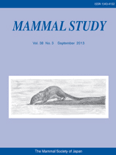
MAMMAL STUDY
Connecting researchers to promote mammalian science and ecology.Mammal Study, published by the Mammalogical Society of Japan, is a leading academic journal dedicated to the field of mammalogy and related biological sciences. Since its inception, it has provided a critical platform for researchers, professionals, and students to share their findings and insights into the diverse facets of mammalian biology, ecology, and conservation. The journal, with ISSN 1343-4152 and E-ISSN 1348-6160, is recognized for its rigorous peer-review process and has attained a commendable Q3 ranking in the 2023 category of Animal Science and Zoology. With an impact factor reflecting its growing influence—ranking 283 out of 490 in Scopus—we welcome contributions that advance the understanding of mammalian species and their habitats. While access to published articles is through traditional channels, the journal aims to reach an even wider audience by fostering greater awareness and appreciation for mammalian research and conservation efforts. The Mammal Study has converged years of insightful publications from 2008 to 2024, solidifying its position as a vital resource in the biological sciences.
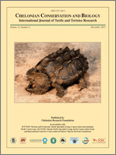
CHELONIAN CONSERVATION AND BIOLOGY
Pioneering research in chelonian ecology and conservation.Chelonian Conservation and Biology is a distinguished academic journal dedicated to advancing the field of chelonian research, encompassing conservation, ecology, and biology of turtles and tortoises. Published by Allen Press Inc in the United States, this journal is well-regarded within the realm of Animal Science and Zoology, as well as Ecology, Evolution, Behavior and Systematics, holding a commendable Q3 ranking in both categories for 2023. With an ISSN of 1071-8443 and an E-ISSN of 1943-3956, the journal features a diverse range of articles aimed at professionals, researchers, and students, fostering an understanding of the critical challenges facing chelonians worldwide. Although not an open-access publication, Chelonian Conservation and Biology provides high-quality content, including original research, reviews, and case studies, encouraging engagement and collaboration among experts. With coverage extending from 2006 to 2024, the journal serves as a vital platform for disseminating knowledge and promoting conservation efforts essential to the survival of these remarkable species.
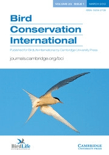
BIRD CONSERVATION INTERNATIONAL
Driving knowledge and policy for a sustainable avian future.BIRD CONSERVATION INTERNATIONAL, published by Cambridge University Press, stands as a premier academic journal dedicated to the field of avian conservation and the vital ecological interactions that sustain bird populations worldwide. With an impressive impact factor reflected through its Q1 ranking in Animal Science and Zoology, alongside notable Q2 standings in Ecology and Nature and Landscape Conservation, this journal provides a crucial platform for researchers and practitioners committed to advancing the science and practice of bird conservation. Spanning articles from its inception in 1991 through to its future publications in 2024, BIRD CONSERVATION INTERNATIONAL not only fosters innovative research but also nurtures a global community dedicated to the preservation of avian species and their habitats. While currently not offering open access, it remains a cornerstone for scholarly communication in its field, making significant contributions to knowledge and policy shaping conservation efforts across the globe.
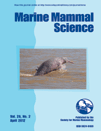
MARINE MAMMAL SCIENCE
Innovative insights into the world of marine mammals.MARINE MAMMAL SCIENCE, published by Wiley, is a premier journal dedicated to advancing the field of marine mammal research since its inception in 1985. With an impressive impact factor and categorized as Q1 in both Aquatic Science and Ecology, Evolution, Behavior and Systematics, this journal serves as a vital platform for innovative research and findings in marine biology, conservation, and ecology. It ranks 165th out of 721 in the Scopus category of Ecology, Evolution, Behavior and Systematics and 65th out of 247 in Aquatic Science, showcasing its influence and relevance in the academic community. Covering a wide range of topics, from behavior and anatomy to conservation and habitat management, MARINE MAMMAL SCIENCE aims to foster a deeper understanding and promote proactive strategies for the preservation of marine mammals. Researchers, professionals, and students will find invaluable insights and the latest advancements in this journal, contributing significantly to the discourse on marine conservation and ecology.
BIRD STUDY
Fostering insights into the dynamic lives of birds.BIRD STUDY, an esteemed journal published by Taylor & Francis Ltd, stands at the forefront of avian research, contributing significantly to the fields of ecology, evolution, behavior, and conservation. With its ISSN 0006-3657 and E-ISSN 1944-6705, this journal has been a cornerstone of ornithological studies since its inception in 1954 and continues to provide a critical platform for the dissemination of knowledge through 2024 and beyond. It holds a respectable Q3 quartile ranking in both Ecology, Evolution, Behavior and Systematics and Nature and Landscape Conservation, reflecting its pivotal role in the academic community. While the journal is not open access, it continues to attract submissions from a diverse array of researchers and professionals eager to share their findings on the intricate and dynamic interactions of birds within their ecosystems. As the global focus on biodiversity and conservation intensifies, BIRD STUDY remains dedicated to fostering knowledge and encouraging evidence-based practices that aim to protect avian species and their habitats.

Redia-Journal of Zoology
Advancing zoological knowledge, one study at a time.Redia-Journal of Zoology, published by the CRA-Research Centre Agrobiology & Pedology in Italy, is a distinguished academic journal dedicated to advancing the field of zoological studies through high-quality research and insightful reviews. With an ISSN of 0370-4327, this journal provides a platform for scholars and practitioners in the Agricultural and Biological Sciences to disseminate their findings and engage in meaningful discourse. Recognized in the 2023 Scopus rankings as Q2 in its category, Redia occupies a notable position within the global research community, ranked 138 out of 221 in Agricultural and Biological Sciences. The journal has a commitment to publishing original research from 2011 until 2024, contributing to the body of knowledge in diverse sub-disciplines of zoology, ecology, and conservation. While currently not open access, Redia strives to foster collaboration and discussion among researchers, making it a vital resource for advancing zoological sciences.