
ACTA ONCOLOGICA
Scope & Guideline
Pioneering insights in oncology and treatment.
Introduction
Aims and Scopes
- Clinical Oncology and Treatment:
The journal focuses on clinical studies related to various cancer treatment modalities, including surgery, chemotherapy, radiotherapy, and emerging therapies such as immunotherapy and targeted therapies. - Epidemiology and Public Health:
ACTA ONCOLOGICA publishes research on cancer incidence, prevalence, and survival trends, providing insights into the epidemiological aspects of cancer across different populations. - Biomarkers and Precision Medicine:
The journal includes articles on the identification and validation of biomarkers for cancer diagnosis, prognosis, and treatment response, supporting the shift towards personalized cancer therapies. - Quality of Life and Patient-Centered Care:
Research on health-related quality of life, psychosocial impacts, and patient-reported outcomes is a significant focus, highlighting the importance of patient-centered approaches in oncology. - Innovative Technologies in Cancer Treatment:
The journal covers advancements in medical technologies, including imaging techniques, radiation therapy innovations, and the application of artificial intelligence in cancer care. - Palliative and Supportive Care:
ACTA ONCOLOGICA addresses the management of symptoms and supportive care for cancer patients, focusing on improving quality of life and care in advanced stages of the disease.
Trending and Emerging
- Precision Oncology:
There is a marked increase in research focused on the integration of genetic and molecular profiling in cancer treatment, facilitating tailored therapies based on individual patient characteristics. - Immunotherapy and Targeted Treatments:
The journal is witnessing a surge in studies evaluating the efficacy and safety of immunotherapeutic agents and targeted therapies, reflecting their growing importance in oncology. - Health-Related Quality of Life (HRQoL) Research:
Emerging themes include a focus on HRQoL and psychosocial factors impacting cancer patients, highlighting the need for holistic approaches in cancer management. - Real-World Evidence (RWE) Studies:
An increase in studies utilizing real-world data to assess treatment outcomes and healthcare utilization reflects a trend towards understanding practical implications of cancer therapies. - Telemedicine and Remote Patient Monitoring:
Research on telehealth services and remote monitoring has gained traction, especially in light of the COVID-19 pandemic, emphasizing the importance of accessible care. - Artificial Intelligence and Machine Learning Applications:
There is a rising interest in the application of AI and machine learning in oncology for diagnostics, treatment planning, and outcome prediction, showcasing technological advancements in the field.
Declining or Waning
- Basic Science and Preclinical Research:
There has been a noticeable reduction in studies focused on basic science and preclinical models, possibly due to a greater emphasis on translational research that directly impacts clinical practice. - Traditional Chemotherapy Studies:
Research centered around traditional chemotherapy regimens is less frequent, as the field shifts toward novel therapies and combination approaches, including immunotherapy and targeted therapies. - Epidemiological Studies without Clinical Application:
While epidemiology remains a vital area, studies that do not translate findings into clinical applications or interventions are less common, as the journal emphasizes impactful and actionable research. - Radiation Therapy Techniques:
Innovations in radiation therapy are still covered, but traditional approaches are less frequently discussed, indicating a movement towards more advanced and personalized radiation strategies. - Surgical Techniques without Novel Insights:
Publications focusing solely on established surgical techniques without introducing new findings or technologies are becoming less prevalent, as the focus shifts to outcomes and innovations.
Similar Journals
JAMA Oncology
Empowering oncologists with critical insights and discoveries.JAMA Oncology, published by the American Medical Association, stands at the forefront of cancer research as a premier peer-reviewed journal in the field. With an ISSN of 2374-2437 and an impressive impact factor reflecting its critical insights, the journal has achieved a top-tier position, being ranked in the Q1 quartile for both Cancer Research and Oncology as of 2023, and demonstrating exceptional performance in Medicine as well. Spanning a converged publication period from 2015 through 2024, JAMA Oncology publishes cutting-edge research, clinical trials, and reviews that are pivotal in advancing our understanding and treatment of cancer. The journal's Scopus ranks highlight its global impact, placing it in the top deciles within its categories, ensuring that it remains a vital resource for oncologists, researchers, and students alike. While it currently does not offer open access, JAMA Oncology continues to provide invaluable contributions to the scientific community, promoting a deeper understanding of oncological challenges and breakthroughs.

CANCER
Driving innovation in cancer treatment and biology.CANCER, published by Wiley, stands as a pivotal journal in the field of oncology and cancer research, boasting an impressive impact factor and consistently dynamic growth since its inception in 1948. With an ISSN of 0008-543X and an E-ISSN of 1097-0142, this esteemed journal is recognized for its rigorous peer-reviewed articles, making significant contributions to the understanding of cancer biology, treatment modalities, and clinical practices. CANCER holds a distinguished position in the academic community, securing its placement in the Q1 category for both cancer research and oncology, and ranks within the top percentiles on Scopus, indicating its high impact and relevance. The journal is particularly beneficial for researchers, professionals, and students seeking to stay abreast of the latest advancements in cancer science. By addressing essential research questions and providing pathways for new therapies, CANCER continues to play a crucial role in shaping the future of oncology and improving patient outcomes.
Future Oncology
Leading the charge in cancer research innovation.Future Oncology is a premier peer-reviewed journal published by FUTURE MEDICINE LTD, dedicated to advancing research and innovation within the field of oncology. Established in 2005 and set to continue through 2024, this journal serves as an essential resource for researchers, healthcare professionals, and students engaged in cancer studies. With its emphasis on groundbreaking findings and multidisciplinary approaches, Future Oncology holds an esteemed reputation, reflected in its 2023 category quartiles ranking it in Q2 for Cancer Research and Q1 for Medicine (miscellaneous). The journal is indexed in Scopus, showcasing its rigorous content, with rankings in the 63rd percentile for Oncology and the 46th percentile for Cancer Research. Although it does not operate on an open-access model, its commitment to disseminating cutting-edge findings makes it an invaluable asset for those seeking to stay at the forefront of oncology research.Future Oncology strives to bridge the gap between laboratory and clinical research, fostering collaboration and appreciation for the complexities of cancer treatment.
ONCOLOGY
Unveiling the latest discoveries in cancer science.ONCOLOGY is a prestigious journal published by KARGER, dedicated to advancing the field of cancer research and treatment. Established in 1948, this peer-reviewed journal has established a significant presence in the medical community, reflected by its impressive impact factor and Q2 category rankings in both Cancer Research and Oncology as of 2023. With a focus on groundbreaking research and comprehensive reviews, ONCOLOGY serves as a crucial resource for researchers, clinicians, and students interested in the latest developments in the fight against cancer. Although it currently does not offer open access, the journal's reputation ensures that it reaches a wide audience in academia and clinical practice. Its commitment to excellence is underscored by its consistent rankings in key disciplines, making it a vital publication for anyone involved in cancer research, biology, or associated medical fields. The journal is headquartered in Basel, Switzerland, positioning it at the heart of European medical research.
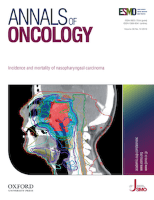
ANNALS OF ONCOLOGY
Innovating therapies for a brighter tomorrow.ANNALS OF ONCOLOGY, published by Elsevier, stands as a premier journal in the field of oncology, hematology, and general medicine, with a notable impact factor that underscores its significance in advancing cancer research and clinical practice. Established in 1990, this journal has become a highly respected source of information, consistently ranked in the Q1 category in its respective fields, showcasing its influence and credibility (Rank #4/404 in Oncology and Rank #2/137 in Hematology as per Scopus rankings). With a focus on innovative therapies, clinical trials, and emerging research, ANNALS OF ONCOLOGY serves as an essential resource for researchers, clinicians, and students dedicated to unraveling the complexities of cancer treatment and care. Although offering restricted access options, its impactful studies and discoveries continue to shape the future of oncology.
Revista Colombiana de Cancerologia
Fostering Knowledge Sharing in the Fight Against CancerRevista Colombiana de Cancerologia is a premier journal dedicated to advancing the field of oncology in Colombia and beyond. Published by the Instituto Nacional de Cancerología, this journal serves as a vital platform for the dissemination of high-quality research, comprehensive reviews, and innovative methodologies pertinent to cancer research and treatment. With an ISSN of 0123-9015 and E-ISSN 2346-0199, it aims to engage a diverse audience, including researchers, healthcare professionals, and students, fostering collaboration and knowledge sharing within the oncology community. Although specific metrics such as impact factors and H-index are currently unavailable, the journal is committed to maintaining high academic standards and encouraging open access to vital oncological insights. The Revista Colombiana de Cancerologia is positioned as an essential resource for those interested in the latest advancements in cancer care, prevention, and research methodologies, making significant contributions to the understanding and management of cancer.

South Asian Journal of Cancer
Connecting researchers for a cancer-free future.South Asian Journal of Cancer, published by GEORG THIEME VERLAG KG, is a pivotal platform for research in the fields of oncology and cancer research. Established in 2012 and operating under an Open Access model, this journal aims to disseminate high-quality, peer-reviewed articles that address crucial developments in cancer treatment, prevention, and research, particularly within the South Asian context. Despite its young history, the journal has been positioned within the Q4 quartile for both Cancer Research and Oncology, and while current Scopus rankings indicate it resides in the lower percentiles, its commitment to amplifying regional voices and research is invaluable. With its headquarters in Stuttgart, Germany, and a global readership, South Asian Journal of Cancer is dedicated to enhancing collaboration among researchers, healthcare professionals, and students, fostering a space for innovative ideas and advancements in cancer care as we progress through to 2024.

Frontiers in Oncology
Advancing cancer research for a healthier tomorrow.Frontiers in Oncology is a premier open access journal dedicated to advancing the field of oncology through innovative research and knowledge dissemination. Published by FRONTIERS MEDIA SA since 2011, this journal is based in Switzerland and holds an impressive Q2 ranking in both Cancer Research and Oncology as of 2023, highlighting its significance in the academic community. With its commitment to open access, Frontiers in Oncology ensures that vital research is readily available to researchers, healthcare professionals, and students around the globe, enhancing collaboration and fostering breakthroughs in cancer research. The journal's robust Scopus rankings further illustrate its academic influence, with notable positions in the fields of Oncology and Cancer Research. By covering a wide range of topics within oncology, this journal serves as a vital resource, supporting the rapid evolution of cancer treatment, diagnostics, and patient care strategies.
LANCET ONCOLOGY
Pioneering insights in the fight against cancer.The Lancet Oncology is a premier peer-reviewed journal published by Elsevier Science Inc., recognized as a leading authority in the field of oncology. With an ISSN of 1470-2045 and E-ISSN 1474-5488, this esteemed journal boasts an impressive 2023 impact factor placing it in the Q1 category of oncology—reflecting its role as a critical resource for cutting-edge research. The journal publishes high-quality articles covering novel scientific discoveries, clinical advancements, and public health issues related to cancer treatment and prevention. It is ranked #5 out of 404 in the Scopus Medicine _ Oncology category, demonstrating its influence and relevance in the field, with an outstanding rank in the 98th percentile. Operating from its base in the United Kingdom, The Lancet Oncology spans a comprehensive timeframe from 2000 to 2024, making it a vital repository of oncology literature. Although it does not primarily operate on an open-access model, its significant subscription base ensures that a wealth of knowledge is accessible to researchers, professionals, and students alike, fostering a profound understanding and advancement in oncology.
Clinical Lung Cancer
Exploring breakthroughs in lung cancer therapy and research.Clinical Lung Cancer is a prestigious journal published by CIG MEDIA GROUP, LP, dedicated to advancing the field of oncology and pulmonary medicine since its establishment in 2000. With an impressive impact factor and high ranking within its fields—achieving Q1 status in Oncology and Pulmonary and Respiratory Medicine in 2023—this journal serves as a vital resource for researchers, clinicians, and students alike. Covering a wide scope of topics related to lung cancer, Clinical Lung Cancer offers a platform for innovative studies, clinical trials, and comprehensive reviews that contribute to both theory and practice. While it operates on a subscription basis, the quality of content is reflected in its ranked status within the top quartile of cancer research journals. This journal plays a critical role in shaping the future of lung cancer research and treatment, making it an essential destination for those looking to stay at the forefront of the field.