
Agronomy-Basel
metrics 2024
Advancing Agricultural Practices Through Open Access Research
Introduction
Agronomy-Basel is a leading international journal dedicated to advancing the field of agronomy and crop science, published by the respected MDPI. Since its inception in 2011, this open-access journal has provided a vital platform for the dissemination of high-quality research, featuring innovative studies and reviews that contribute to the understanding of agricultural practices and crop management. With an impressive impact factor and ranked in the Q1 quartile of its category for 2023, Agronomy-Basel has established itself as a premier resource in the realm of Agricultural and Biological Sciences, achieving a commendable rank of #62 out of 406 in its field, placing it in the 84th percentile. The journal targets researchers, professionals, and students who are dedicated to enhancing agricultural sustainability and productivity. Located in Basel, Switzerland, the journal's commitment to open access empowers global accessibility to flourishing agricultural advancements, thus fostering collaboration and innovation across the globe.
Metrics 2024
 -3.303.70-
Metrics History
Rank 2024
IF (Web Of Science)
JCI (Web Of Science)
Quartile History
Similar Journals

Romanian Agricultural Research
Empowering Researchers to Transform Agricultural PracticesRomanian Agricultural Research is a prominent academic journal dedicated to advancing the field of agricultural science with a specific focus on agronomy and crop management. Published by the NATL AGRICULTURAL RESEARCH & DEVELOPMENT INST in Romania, this journal has established itself as an important resource within its discipline, evidenced by its Q3 ranking in the Agronomy and Crop Science category for 2023. With its ongoing publication since 2008, the journal provides a platform for researchers and professionals to disseminate their findings and share innovative practices that address the challenges faced in agricultural development. Although it operates under a non-open access model, Romanian Agricultural Research commits to rigorous peer-review processes, ensuring the high-quality content that enhances the academic community’s knowledge base. The journal's objective is to foster dialogues surrounding sustainable agriculture, improve crop yield, and contribute to the enhancement of agricultural practices globally. Researchers, professionals, and students will find this journal to be an invaluable repository of knowledge and a catalyst for future agricultural innovations.
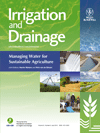
IRRIGATION AND DRAINAGE
Innovating irrigation practices for a resilient future.IRRIGATION AND DRAINAGE, published by Wiley, is a prestigious academic journal that focuses on the critical fields of agronomy, crop science, and soil science. With an ISSN of 1531-0353 and an E-ISSN of 1531-0361, this journal serves as an essential platform for disseminating innovative research and insights relevant to the management of irrigation systems and drainage in agricultural practices. Based in the United Kingdom, the journal has shown a significant impact in its field, boasting a 2023 ranking in the Q2 quartile for both Agronomy and Crop Science and Soil Science. It ranks #149 out of 406 in Agricultural and Biological Sciences for Agronomy and Crop Science, and #66 out of 159 in Soil Science, placing it within the 58th to 63rd percentiles. This journal not only aims to advance knowledge in the sustainable management of water resources and soil health but also encourages open access to its content, making significant findings more accessible to researchers, professionals, and students alike. As it approaches its convergence period from 2001 to 2024, the importance of IRRIGATION AND DRAINAGE in shaping effective agricultural strategies continues to grow, fostering dialogue and innovation among its readership.
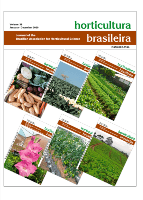
Horticultura Brasileira
Cultivating knowledge, nurturing progress in horticulture.Horticultura Brasileira is a leading open access journal published by the ASSOC BRASILEIRA HORTICULTURA, dedicated to advancing research in the fields of horticulture, plant science, and soil science. With an ISSN of 0102-0536 and an E-ISSN of 1806-9991, this journal has been an integral part of the scientific community since its inception, embracing open access practices since 1999. Based in Brazil, it provides a platform for researchers to disseminate their findings and contribute to the growing body of knowledge in horticultural science and related disciplines. Despite its current Q3 ranking in multiple categories such as Horticulture, Plant Science, and Soil Science within Scopus, the journal continues to attract a diverse array of scholarly articles, fostering innovation and collaboration among scientists. The journal aims to bridge the gap between research and practical applications, making it an invaluable resource for students, professionals, and academics alike who are looking to expand their understanding and impact in the field.

Journal of Agricultural Sciences-Tarim Bilimleri Dergisi
Nurturing Ideas, Growing Solutions in AgricultureJournal of Agricultural Sciences - Tarim Bilimleri Dergisi, published by Ankara University, Faculty of Agriculture, is a prominent open-access journal that has been fostering academic dialogue in the field of agricultural studies since 2010. With ISSN 1300-7580 and E-ISSN 2148-9297, this journal contributes significantly to the scientific community, particularly within the realms of agronomy, crop science, animal science, and plant science. As of 2023, it holds a Q3 classification in Agronomy and Crop Science, and Q4 in both Animal Science and Zoology and Plant Science, indicating its growing influence and dedication to advancing research in these areas. Situated in Turkey, this journal serves as a vital platform for scholars, professionals, and students, inviting submissions that enhance our understanding of agricultural innovation and sustainability. With a commitment to disseminating high-quality research, Journal of Agricultural Sciences ranks favorably within Scopus, providing an invaluable resource for exploring evolving agricultural paradigms.
CANADIAN JOURNAL OF PLANT SCIENCE
Nurturing Scientific Growth in Plant SciencesCanadian Journal of Plant Science (ISSN: 0008-4220, E-ISSN: 1918-1833) is a prestigious publication dedicated to advancing research in the fields of agronomy, horticulture, and plant science. Published by Canadian Science Publishing, this journal has been a cornerstone in the Canadian and international scientific community since its inception in 1973. With a solid presence in reputable databases, it ranks in the Q3 category for multiple disciplines as of 2023, reflecting its impact and relevance within the agricultural sciences. The journal serves as a vital resource for researchers, professionals, and students, encouraging the dissemination of innovative findings and fostering collaboration across disciplines. Although it is not an open-access journal, subscribers gain exclusive access to a wealth of knowledge, with articles aiming to enhance the understanding of plant systems and contribute to sustainable agricultural practices. The Canadian Journal of Plant Science remains committed to supporting the growth of plant-related research and its practical applications in today's changing environmental landscape.
FIELD CROPS RESEARCH
Elevating Crop Science with Innovative InsightsFIELD CROPS RESEARCH is a premier academic journal published by Elsevier, dedicated to advancing knowledge in the fields of Agronomy and Crop Science as well as Soil Science. Now in its 46th year of publication, this esteemed journal has established itself as a leading resource, holding a prestigious Q1 ranking in both the Agronomy and Soil Science categories, with a remarkable blend of rigorous peer-reviewed research and innovative findings. With a Scopus ranking of #27/406 in Agronomy and #20/159 in Soil Science, and a notable 93rd and 87th percentile respectively, FIELD CROPS RESEARCH plays a vital role in informing practices that drive sustainable agriculture and optimize crop production. Although not an open access journal, it remains highly accessible to the global research community and offers critical insights that influence policy and agricultural practices worldwide. Researchers, professionals, and students are encouraged to delve into this journal, as it continues to shape the future of field crop research through impactful studies and comprehensive reviews.
Italian Journal of Agronomy
Empowering the agricultural community with open access research.The Italian Journal of Agronomy is a prestigious, peer-reviewed outlet dedicated to advancing research and scholarship in the field of agronomy and crop science. Published by PAGEPRESS PUBL in Italy, this journal is committed to providing a platform for the dissemination of high-quality research since achieving its Open Access status in 2006. With an ISSN of 1125-4718 and an E-ISSN of 2039-6805, it is recognized for its contribution to the scientific community, boasting a commendable Q2 category ranking in Agronomy and Crop Science as of 2023. The journal's impressive Scopus ranking places it in the 75th percentile within General Agricultural and Biological Sciences and the 69th percentile in Agronomy and Crop Science, reflecting its significant impact and relevance. Covering a wide range of topics relevant to agriculture, from sustainability practices to innovative farming techniques, the Italian Journal of Agronomy serves as an essential resource for researchers, professionals, and students seeking to enrich their knowledge and contribute to the advancement of the agricultural sciences.
BRAGANTIA
Cultivating Insights for Agricultural ExcellenceBRAGANTIA, published by the Instituto Agronômico, is a distinguished open access journal that has been a vital resource since its inception in 1977. With an ISSN of 0006-8705 and E-ISSN 1678-4499, this journal is recognized for its contributions to the field of Agricultural and Biological Sciences, where it currently holds a respectable Q2 ranking as of 2023. Additionally, BRAGANTIA is indexed in various databases, supporting its impact within Materials Science (Q3 ranking). Positioned in Brazil, the journal promotes the dissemination of high-quality research, aiming to bridge the gap between academia and practical applications in agricultural innovation and sustainability. Researchers, professionals, and students looking to keep abreast of recent advancements and their implications will find BRAGANTIA to be an indispensable platform for sharing and accessing vital agricultural knowledge.

International Journal of Agriculture and Natural Resources
Exploring Solutions for Global Agricultural ChallengesInternational Journal of Agriculture and Natural Resources is a premier academic journal published by the Pontificia Universidad Católica de Chile, Facultad de Agronomía e Ingeniería Forestal. With an ISSN of 2452-5731 and an e-ISSN of the same, this journal operates as an Open Access publication, allowing for the widespread dissemination of research findings pertinent to the fields of agriculture and natural resources. As of 2023, it holds a commendable Q2 ranking in Agricultural and Biological Sciences, indicating its significant contribution to the field. The journal's objective is to provide a platform for innovative research and in-depth analyses on emerging trends and challenges within agriculture, promoting sustainability and ecological balance. Covering a broad spectrum of topics, it aims to foster dialogue among researchers, professionals, and students, ultimately enhancing knowledge and fostering collaboration. With a current Scopus rank of #93 out of 221 in the general agricultural and biological sciences category, it occupies a vital role in advancing research and practices in agriculture and related disciplines.
ANNALS OF AGRICULTURAL SCIENCES
Transforming Agricultural Science into Practical SolutionsANNALS OF AGRICULTURAL SCIENCES, published by Elsevier, stands as a leading open access journal dedicated to the multifaceted field of agricultural sciences. Since its inception in 2011, this journal has served as a pivotal platform for the dissemination of high-quality research, covering areas such as agronomy, animal science, horticulture, food science, plant science, and soil science. With an impressive Q1 ranking across multiple disciplines and notable positions in Scopus Ranks—including #6 in Animal Science and Zoology and #3 in Horticulture—this journal is recognized globally for its significant contribution to advancing agricultural innovations. The journal caters to a diverse audience of researchers, professionals, and students, providing them with open access to cutting-edge studies that address critical issues in agricultural productivity and sustainability. Its commitment to high-impact research ensures that articles contribute meaningfully to the scientific community, fostering advancements in agricultural practices and policies.