
AIMS Molecular Science
Scope & Guideline
Pioneering Open Access in Molecular Science
Introduction
Aims and Scopes
- Molecular Genetics and Genomics:
Research in this area focuses on genetic factors influencing health and disease, including studies on gene variations and their implications in conditions like cleft lip palate and various cancers. - Phytochemistry and Natural Products:
The journal publishes studies on the extraction, characterization, and bioactivity of phytochemicals, highlighting their potential in therapeutic applications and anti-inflammatory properties. - Aquatic and Environmental Health:
Research related to aquatic species health, including the characterization of pathogenic bacteria and their effects on aquaculture, is a significant focus. - Computational Biology and Bioinformatics:
The use of computational methods, including molecular docking and QSAR studies, to predict the interactions and therapeutic potentials of various compounds is a recurring theme. - Neurobiology and Neurodegenerative Diseases:
The journal covers molecular mechanisms underlying neurodegenerative diseases, exploring genetic and environmental factors that contribute to conditions such as Alzheimer’s and bipolar disorder. - Immunology and Inflammation:
Research on the immune response, including the role of extracellular traps and inflammatory markers in various diseases, is a critical area of interest. - Cancer Research and Therapeutics:
The journal includes studies on cancer biology, therapeutic strategies, and the role of natural products in cancer treatment.
Trending and Emerging
- Personalized Medicine and Nutrigenomics:
There is an increasing emphasis on personalized approaches to health, particularly in the context of nutrigenetics, which explores how genetic variations influence individual responses to dietary interventions. - COVID-19 Research:
Research related to COVID-19, encompassing viral mechanisms and therapeutic strategies, has surged, reflecting the global health crisis and the need for innovative treatments. - Bioactive Compounds and Their Applications:
The exploration of bioactive compounds from plants, particularly their extraction methods and therapeutic potentials, is trending, highlighting the journal's commitment to natural product research. - Neurobiology and Mental Health:
Research on the molecular basis of neurodegenerative diseases and mental health disorders is becoming increasingly prominent, with studies focusing on genetic influences and therapeutic potentials. - Environmental and Aquatic Health:
The focus on environmental impacts on health, particularly in aquatic systems and the management of aquatic animal diseases, is on the rise, reflecting growing concerns over biodiversity and ecosystem health.
Declining or Waning
- Traditional Pharmacology:
There appears to be a waning interest in traditional pharmacological approaches, with more emphasis shifting towards molecular and genetic studies as well as integrative medicinal approaches. - Basic Microbiology:
Research focusing solely on basic microbiological studies without a molecular or genomic angle seems to be decreasing, as the journal favors studies that combine microbiology with molecular insights. - Epidemiological Studies:
While still relevant, straightforward epidemiological studies are less frequent, with an increasing trend towards studies that incorporate genetic or molecular data to provide a deeper understanding of disease mechanisms.
Similar Journals

Molecular Biology Research Communications
Illuminating the complexities of life at the molecular level.Molecular Biology Research Communications is a distinguished academic journal published by Shiraz University, focusing on the critical and rapidly evolving fields of biochemistry and molecular biology. With an ISSN of 2322-181X and an E-ISSN of 2345-2005, this journal serves as an essential platform for researchers, professionals, and students to disseminate significant findings that contribute to the advancement of knowledge in these disciplines. The journal, operating from Shiraz, Iran, is notable for its contributions from both local and international scholars, offering invaluable insights and fostering scientific collaboration. Although currently indexed in the Q4 quartile across its categories, the journal aims to enhance its impact and visibility in the field as it converges years of research from 2017 to 2024. While the open access option is not available, the journal's commitment to high-quality peer-reviewed research provides a respected avenue for publication.
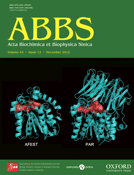
ACTA BIOCHIMICA ET BIOPHYSICA SINICA
Illuminating Pathways in Biomedical Research with Insightful Articles.ACTA BIOCHIMICA ET BIOPHYSICA SINICA, an esteemed journal published by SCIENCE PRESS, is a leading platform in the fields of biochemistry, biophysics, and molecular biology. Based in the United Kingdom, this journal has consistently ranked in the Q2 category for Biochemistry, Biophysics, and Medicine (miscellaneous) in 2023, showcasing its commitment to high-quality research and innovation in life sciences. With a convergence period extending from 1996 to 2024, it features critical insights into biochemical and biophysical processes that underlie biological phenomena. Researchers and professionals seeking to stay at the forefront of discoveries will find its articles to be both informative and transformative. Although not an open-access journal, ACTA BIOCHIMICA ET BIOPHYSICA SINICA aims to advance knowledge and foster collaboration among scientists worldwide, emphasizing its role in the dynamic landscape of biomedical research.

FOLIA BIOLOGICA
Advancing Biological Insights Since 1961FOLIA BIOLOGICA, published by Charles University Prague, First Faculty of Medicine, is an esteemed academic journal that has been contributing to the fields of Biochemistry, Cell Biology, Developmental Biology, Genetics, Immunology, and Molecular Biology since its inception in 1961. With an ISSN of 0015-5500, this journal serves as a vital platform for researchers and professionals to disseminate their findings and advance knowledge within these disciplines. Despite its current Category Quartiles ranking in the lower tiers (Q3 and Q4), FOLIA BIOLOGICA continues to provide valued insights and foster scholarly dialogue, particularly in its paralleled fields. The journal is headquartered in Prague, Czech Republic, and operates without Open Access options, which emphasizes its focus on curated, peer-reviewed content essential for academicians and students. By bridging theoretical and practical knowledge, FOLIA BIOLOGICA remains committed to enriching the scientific community and serving as a cornerstone for future research innovations.

Advanced Biology
Exploring the Frontiers of Biochemistry and GeneticsAdvanced Biology, published by WILEY-V C H VERLAG GMBH, serves as a premier platform where innovative research and scientific breakthroughs in the fields of biochemistry, genetics, and molecular biology converge. Established in 2021, this journal has rapidly ascended to prominence, securing Q1 rankings in its primary categories, including general biochemistry and biomedical engineering, and a solid Q2 ranking in biomaterials. With an ISSN of 2701-0198 and an emphasis on open access, Advanced Biology ensures that rigorous peer-reviewed research is accessible to a global audience, enhancing visibility and fostering collaboration among researchers, professionals, and students alike. By 2024, it aims to continually elevate scientific understanding and innovation, catering to the growing interdisciplinary nature of these critical fields. With Scopus rankings placing it amongst the top quartiles in its disciplines, Advanced Biology is poised to make significant contributions to the future of life sciences.

INDIAN JOURNAL OF BIOCHEMISTRY & BIOPHYSICS
Bridging gaps in scientific understanding since 1972.INDIAN JOURNAL OF BIOCHEMISTRY & BIOPHYSICS is a well-regarded academic journal that serves as a vital platform for researchers in the fields of biochemistry and biophysics. Published by the NATL INST SCIENCE COMMUNICATION-NISCAIR since its inception in 1972, this Open Access journal has committed itself to disseminating high-quality research and advancements in these dynamic fields, allowing readers worldwide to access vital findings since 2009. The journal maintains a robust presence in the academic landscape, achieving noteworthy rankings in 2023, placing it in the Q4 category for Biochemistry and Q3 for both Biophysics and miscellaneous Medicine, alongside its respectable Scopus rankings. With an emphasis on original research articles, reviews, and educational contributions, the INDIAN JOURNAL OF BIOCHEMISTRY & BIOPHYSICS plays an essential role in fostering scientific dialogue and collaboration among professionals and students alike. For scholars seeking to stay at the forefront of biochemistry and biophysics research, this journal is an indispensable resource that fosters knowledge exchange and elevates the field on both a national and international scale.

JOURNAL OF RECEPTORS AND SIGNAL TRANSDUCTION
Driving Innovation in Biochemical ResearchJOURNAL OF RECEPTORS AND SIGNAL TRANSDUCTION, published by TAYLOR & FRANCIS LTD, is a premier academic journal dedicated to advancing our understanding of receptor biology and signal transduction mechanisms. With an ISSN of 1079-9893 and an E-ISSN of 1532-4281, this journal has maintained a reputable standing since its inception in 1980, continually addressing pivotal topics in biochemistry, cell biology, and molecular biology. As evidenced by its 2023 Scopus rankings, which place it in the 64th percentile for Biochemistry and Genetics and Molecular Biology, JOURNAL OF RECEPTORS AND SIGNAL TRANSDUCTION remains a vital source for cutting-edge research, providing insights that are essential for both academic and practical applications. Although the journal currently offers limited open access options, it stands out in the Q2 and Q3 quartiles of its respective categories, making it an invaluable resource for researchers, professionals, and students aiming to stay abreast of the latest findings and methodologies in receptor and signaling research. The journal's commitment to disseminating high-quality research underscores its significance within the scientific community, fostering innovation and collaboration across disciplines.
IUBMB LIFE
Unlocking Innovations in Molecular BiologyIUBMB LIFE is a prestigious, peer-reviewed journal published by WILEY, dedicated to advancing the fields of biochemistry, molecular biology, and cell biology. With an impressive impact factor and consistently ranked in the Q1 and Q2 categories across multiple relevant disciplines—including Biochemistry, Genetics, and Clinical Biochemistry—this journal has established itself as a leading platform for disseminating innovative research and critical reviews that propel scientific discovery. The journal spans a converged publication period from 1999 to 2024, providing comprehensive insights into the dynamic landscape of biochemical research. Researchers, professionals, and students alike are invited to explore its Open Access options, ensuring that groundbreaking studies are accessible to a global audience. As it continues to shape the future of life sciences, IUBMB LIFE remains a vital resource for those seeking to enrich their understanding and contribute to these rapidly evolving fields.

Life Science Alliance
Catalyzing Breakthroughs in Molecular Biology and Health.Life Science Alliance, published by LIFE SCIENCE ALLIANCE LLC, is a premier open access journal that has been making significant contributions to the fields of Biochemistry, Genetics and Molecular Biology, Ecology, Health, Toxicology and Mutagenesis, and Plant Science since its inception in 2018. With an impressive ranking in Scopus, including Q1 quartile positions and high percentiles in relevant categories, this journal is a vital resource for researchers, professionals, and students alike who seek to advance knowledge and innovation in life sciences. The journal operates on an open access model, ensuring that research findings are freely available to the global scientific community, thereby enhancing the visibility and impact of published work. With a commitment to fostering collaboration and disseminating high-quality research, Life Science Alliance serves as an essential platform for the promotion and exchange of scientific knowledge, aiming to bridge gaps and stimulate discussions across multiple disciplines.
Open Biology
Unlocking the mysteries of biology, one study at a time.Open Biology is a prestigious, interdisciplinary journal published by the Royal Society that has been paving the way in the fields of Biochemistry, Genetics and Molecular Biology, Immunology, and Neuroscience since its inception in 2011. Catering to a global audience of researchers, professionals, and students, Open Biology operates under an open access model, facilitating the unrestricted dissemination of high-quality research findings. With a current impact factor that positions its categories in the top quartile (Q1) and impressive Scopus rankings—evidencing its influence and reach—this journal serves as a vital platform for innovators and scientific inquiries aimed at advancing our understanding of life sciences. The journal's commitment to publishing cutting-edge research makes it an essential resource for those at the forefront of scientific exploration.
Frontiers in Molecular Biosciences
Leading the Charge in Open-Access Bioscience ResearchFrontiers in Molecular Biosciences is an esteemed open-access journal published by FRONTIERS MEDIA SA, based in Switzerland. Since its inception in 2014, the journal has made significant strides in the fields of biochemistry, genetics, and molecular biology, cementing its reputation with a solid position in the Q1 quartile for both Biochemistry and Genetics and Molecular Biology (miscellaneous) categories as of 2023. With a remarkable Scopus rank of #14/103 in the combined categories, it offers an essential platform for the dissemination of high-quality research that shapes the understanding of molecular processes and their implications in health and disease. The journal’s commitment to open access facilitates the broadest possible reach for groundbreaking discoveries, serving as a vital resource for researchers, professionals, and students alike. Located at AVENUE DU TRIBUNAL FEDERAL 34, LAUSANNE, this journal continues to foster innovative discussions and advancements in molecular biosciences, paving the way for new insights and collaborations in the scientific community.