
Annual Review of Pharmacology and Toxicology
Scope & Guideline
Unveiling critical reviews for groundbreaking innovations.
Introduction
Aims and Scopes
- Personalized and Precision Medicine:
The journal emphasizes the importance of individualized approaches in drug therapy, aiming to optimize treatment outcomes based on genetic, environmental, and lifestyle factors. - Mechanistic Insights in Pharmacology and Toxicology:
Research articles often delve into the underlying mechanisms of drug actions and toxic effects, providing a detailed understanding of how drugs interact with biological systems. - Innovative Drug Development Strategies:
The journal showcases new methodologies in drug discovery and development, including the use of artificial intelligence, high-throughput screening, and proteogenomics to identify novel therapeutic targets. - Clinical Applications and Therapeutic Innovations:
A core area of focus is the translation of basic pharmacological research into clinical applications, discussing new therapies and their implications for various diseases. - Interdisciplinary Approaches:
The journal promotes interdisciplinary research, integrating pharmacology with fields such as genomics, immunology, and environmental health to address complex health challenges.
Trending and Emerging
- Artificial Intelligence in Drug Discovery:
There is an increasing focus on the application of AI and machine learning techniques in drug discovery processes, reflecting a trend towards more efficient and innovative approaches to identifying new therapeutics. - Pharmacogenomics and Personalized Therapy:
The rise of pharmacogenomics is evident, with an emphasis on understanding genetic variations that affect drug metabolism and response, paving the way for tailored therapeutic strategies. - Impact of Microbiome on Pharmacology:
Research exploring the interactions between the microbiome and pharmacological agents is gaining traction, highlighting the importance of microbiome health in drug efficacy and safety. - Targeted Therapies and Novel Drug Mechanisms:
A growing number of studies are focusing on targeted therapies, particularly in oncology, emphasizing the development of drugs that act on specific molecular targets. - Environmental and Developmental Toxicology:
Emerging interest in the effects of environmental exposures on drug metabolism and toxicity, particularly during critical developmental periods, reflects a broader understanding of health risks.
Declining or Waning
- Traditional Toxicology Approaches:
There is a noticeable reduction in publications that focus solely on classical toxicology methods, as the field shifts towards more integrated and mechanistic approaches. - Generic Drug Development:
The emphasis on generic drug formulations has waned, likely due to the increasing complexity of drug delivery systems and personalized medicine strategies. - Pharmacological Studies on Established Drugs:
Research focusing on the pharmacology of well-established medications is less frequent, as newer therapeutic agents and innovative treatment strategies gain attention. - Epidemiological Studies in Toxicology:
The journal has seen fewer epidemiological studies addressing toxicological impacts on population health, as the focus moves towards mechanistic and molecular studies.
Similar Journals
JOURNAL OF PHARMACOLOGY AND EXPERIMENTAL THERAPEUTICS
Elevating Pharmacological Research for Global ImpactThe JOURNAL OF PHARMACOLOGY AND EXPERIMENTAL THERAPEUTICS, published by the American Society for Pharmacology and Experimental Therapeutics, stands as a pivotal platform in the fields of pharmacology and molecular medicine. With an impressive convergence of knowledge from 1945 to 2024, this esteemed journal is recognized for its rigorous peer-reviewed research, contributing significantly to our understanding of drug action and therapeutic interventions. It holds a commendable position in the Q2 quartile in both Molecular Medicine and Pharmacology, emphasizing its relevance and impact within the contemporary scientific landscape, as evidenced by its Scopus ranking that places it amongst the leading journals in its category. Aimed at researchers, professionals, and students, the journal not only fosters a deeper insight into toxicology, pharmacodynamics, and therapeutic strategies but also encourages innovation through its comprehensive access to groundbreaking experimental methodologies. The journal continues to foster discourse and disseminate research that shapes the future of pharmacological science.
BIOLOGICAL & PHARMACEUTICAL BULLETIN
Unlocking New Horizons in Pharmaceutical ResearchBIOLOGICAL & PHARMACEUTICAL BULLETIN, published by the PHARMACEUTICAL SOC JAPAN, is a prominent peer-reviewed journal that serves the fields of medicine, pharmaceutical science, and pharmacology. With an ISSN of 0918-6158 and an E-ISSN of 1347-5215, this publication has been crucial in disseminating innovative research since its inception in 1993, and it continues to contribute significantly to the body of knowledge as it converges towards 2024. Despite being classified as a non-open access journal, it maintains a respectable Q3 ranking in Medicine (miscellaneous) and Q2 in Pharmaceutical Science, highlighting its critical role in advancing scientific discourse in these areas. With Scopus rankings placing it in the 51st percentile for Pharmaceutical Science and 38th percentile for Pharmacology, BIOLOGICAL & PHARMACEUTICAL BULLETIN is an essential resource for researchers, professionals, and students looking to stay abreast of cutting-edge developments and trends in biomedicine and drug development.

Pakistan Journal of Pharmaceutical Sciences
Delivering critical studies that shape the pharmaceutical landscape.Pakistan Journal of Pharmaceutical Sciences, published by the University of Karachi, serves as a vital platform for advancing research in the field of pharmaceutical sciences. With a strong commitment to disseminating innovative findings and critical studies since its inception in 1995, the journal focuses on a wide array of topics including pharmacology, toxicology, and pharmaceutics. With an ISSN of 1011-601X, it holds a reputable position within the academic community, reflecting its Q3 category ranking in Pharmaceutical Science as of 2023. While the journal is currently not designated as Open Access, it remains accessible through institutional subscriptions, ensuring that both emerging and established researchers can contribute to and benefit from its scholarly content. This publication not only promotes scientific dialogue but also aims to bridge the gap between academia and industry, appealing to a diverse audience of researchers, professionals, and students seeking to stay informed about the latest advancements and trends in pharmaceutical research.
FUNDAMENTAL & CLINICAL PHARMACOLOGY
Pioneering insights in pharmacology since 1987.FUNDAMENTAL & CLINICAL PHARMACOLOGY is a distinguished journal dedicated to advancing the fields of pharmacology and clinical medicine. Published by WILEY, this journal serves as a pivotal platform for researchers, healthcare professionals, and students alike to disseminate innovative research findings and clinical applications. With an impressive history spanning from 1987 to 2024, it has consistently maintained its relevance in the scientific community, evidenced by its Q2 quartile ranking in both Pharmacology and Pharmacology (medical) categories for 2023. The journal's diverse publication range, which includes original research articles, reviews, and clinical studies, helps bridge the gap between fundamental research and practical application in healthcare settings. Although it does not offer open access, its rigorous peer-review process ensures that published content meets the highest scholarly standards, making it a vital resource for those aiming to stay at the forefront of pharmacological sciences.

TROPICAL JOURNAL OF PHARMACEUTICAL RESEARCH
Pioneering research at the intersection of science and care.Tropical Journal of Pharmaceutical Research is an esteemed open-access platform dedicated to advancing the field of pharmaceutical sciences, published by the Pharmacotherapy Group in Nigeria. With an ISSN of 1596-5996 and open access established since 2002, this journal serves as a critical resource for researchers, professionals, and students seeking to disseminate and access high-quality research in both pharmaceutical science and pharmacology. Despite its ranking in the third quartile (Q3) for Pharmaceutical Science and the fourth quartile (Q4) in Pharmacology as of 2023, the journal continues to stand out with its commitment to fostering significant dialogue and innovation in the scientific community. Anchored at the University of Benin, Faculty of Pharmacy, the journal invites contributions that explore novel pharmaceutical research, clinical applications, and drug development, playing a vital role in addressing health challenges that are particularly relevant to tropical regions. Researchers can look forward to publishing their findings in a journal that not only promotes the sharing of knowledge but also enhances the scientific discourse within a rapidly evolving field.
Advances in Pharmacological and Pharmaceutical Sciences
Empowering Global Collaboration in Pharmacology.Advances in Pharmacological and Pharmaceutical Sciences is a premier open-access journal published by Hindawi Ltd. based in the United Kingdom. Established in 2020, the journal swiftly garnered attention for its commitment to disseminating high-quality research in the realms of pharmacology, toxicology, and pharmaceutical sciences. It holds a commendable impact with notable quartile rankings, including Q2 in both Organic Chemistry and Pharmacology, indicating its importance within these disciplines. By embracing an open-access model, the journal ensures that research findings are widely available, promoting increased visibility and collaboration among researchers, professionals, and students globally. With an ongoing convergence of insights projected through 2024, Advances in Pharmacological and Pharmaceutical Sciences aims to address critical issues and advancements in drug development and therapeutic practices, making it an invaluable resource for those at the forefront of scientific inquiry in pharmacology and related fields.

Pharmaceutical Sciences
Bridging research and practice to transform healthcare.Pharmaceutical Sciences, an esteemed journal published by Tabriz University of Medical Sciences, Faculty of Pharmacy, serves as a crucial platform for the dissemination of pioneering research in the fields of pharmaceutical science, pharmacology, and toxicology. With an impact factor reflective of its substantial contribution to the scientific community, this open access journal has been accessible since 2012, ensuring that researchers, professionals, and students worldwide can engage with its rich content. Located in Iran, it has continually evolved, covering research from 2009 to 2024, and boasts impressive rankings in multiple Scopus categories, including Q3 in Pharmaceutical Science and Q2 in Pharmacology, Toxicology and Pharmaceutics. By bridging gaps between scientific inquiry and practical applications, Pharmaceutical Sciences is dedicated to advancing pharmaceutical knowledge and promoting innovative practices that address significant health challenges.

Frontiers in Pharmacology
Empowering researchers with cutting-edge insights in pharmacology.Frontiers in Pharmacology, published by FRONTIERS MEDIA SA, stands as a leading open-access journal dedicated to advancing the field of pharmacology since its inception in 2010. With its ISSN 1663-9812, the journal is based in Switzerland and maintains a vital role in disseminating innovative research findings that span various disciplines within pharmacology, including pharmacokinetics, toxicology, and pharmacogenetics. In 2023, Frontiers in Pharmacology has achieved an impressive standing within the scientific community, being ranked in the Q1 category for both general and medical pharmacology, highlighting its critical contribution to the field with a Scopus ranking of #41 out of 272 in medical pharmacology and #76 out of 313 in pharmacology, toxicology, and pharmaceutics, placing it in the 75th and 85th percentiles, respectively. Researchers and practitioners benefit from its open-access model, which ensures widespread accessibility to groundbreaking research, fostering collaboration and innovation across the pharmaceutical sciences. With its commitment to excellence, Frontiers in Pharmacology serves as an essential resource for those looking to explore and contribute to the latest advancements in pharmacological research.
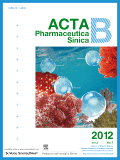
Acta Pharmaceutica Sinica B
Unlocking New Horizons in Pharmacology and ToxicologyActa Pharmaceutica Sinica B is a prestigious open access journal that has been setting the standard in the field of pharmacology, toxicology, and pharmaceutics since its establishment in 2011. Published by the Institute of Materia Medica, Chinese Academy of Medical Sciences, the journal serves as a vital platform for researchers, professionals, and students seeking to disseminate innovative findings in drug development, pharmaceutical sciences, and therapeutic applications. With an impressive impact factor reflecting its high academic quality, Acta Pharmaceutica Sinica B has achieved Q1 status in the category of Pharmacology, Toxicology and Pharmaceutics as of 2023, ranking #1 out of 80 journals in General Pharmacology. This journal not only focuses on the latest advancements in drug research and formulation but also emphasizes interdisciplinary approaches, fostering collaborations that span various scientific domains. The accessible nature of the journal, combined with its rigorous peer-review process, ensures that crucial insights and breakthroughs reach a global audience swiftly and effectively. For those looking to stay at the forefront of pharmaceutical research, Acta Pharmaceutica Sinica B is an indispensable resource.
JOURNAL OF PHARMACY AND PHARMACEUTICAL SCIENCES
Bridging the gap between research and real-world application.Welcome to the JOURNAL OF PHARMACY AND PHARMACEUTICAL SCIENCES, a prestigious open access journal published by FRONTIERS MEDIA SA since 2008, dedicated to advancing research in the fields of pharmacy and pharmaceutical sciences. With its strong rooting in Canada, this journal has established itself within the academic community by consistently delivering high-quality studies and insights, as evidenced by its respectable Q2 ranking in both Medicine (miscellaneous) and Pharmaceutical Science categories for 2023, along with a notable 77th percentile ranking in Pharmaceutical Science on Scopus. Spanning over two decades of publication from 1998 to 2024, the journal focuses on critical research areas including pharmacology, toxicology, and drug development. By providing open access to its articles, the journal ensures that vital scientific information is readily available to researchers, professionals, and students alike, fostering collaboration and innovation within these essential disciplines. We invite you to explore the latest findings and contribute to the ongoing dialogue in pharmaceutical research through this essential platform.