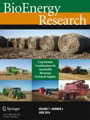
BioEnergy Research
metrics 2024
Pioneering the Path to Sustainable Biofuels
Introduction
BioEnergy Research is a premier journal published by SPRINGER, dedicated to advancing the field of bioenergy through rigorous scholarship and innovative research. Since its inception in 2009, the journal has emerged as a vital resource for academics, industry professionals, and policymakers involved in the production and utilization of biofuels and other renewable energy sources. With an impressive HIndex and a commitment to quality, it has achieved Q1 status in Agronomy and Crop Science and Q2 rankings in both Energy (miscellaneous) and Renewable Energy, Sustainability and the Environment as of 2023. This positions BioEnergy Research among the top-tier publications in these interconnected fields, offering a platform for disseminating groundbreaking research, practical applications, and critical reviews. Although not open access, the journal's content remains accessible to a broader audience, making it an essential tool for driving the global transition towards sustainable energy solutions. Explore issues spanning from fundamental research to applied methodologies, and contribute to the dialogue on how bioenergy can meet the challenges of a dynamic environmental landscape.
Metrics 2024
 0.653.103.1074
Metrics History
Rank 2024
Scopus
IF (Web Of Science)
JCI (Web Of Science)
Quartile History
Similar Journals
Energy Sustainability and Society
Connecting research and practice for a sustainable energy landscape.Energy Sustainability and Society is a leading open-access journal published by BMC, focusing on the critical intersections of energy sustainability and societal impacts. With an impressive Impact Factor and notable rankings—including Q1 in both Development and Energy Engineering, as well as Q2 in Renewable Energy, Sustainability, and the Environment—this journal serves as a pivotal platform for researchers, professionals, and students exploring innovative solutions to energy challenges. Since its inception in 2011, the journal has consistently provided high-quality research and insights, contributing significantly to the fields of energy policy, renewable technologies, and sustainable development. Access options are fully open-access, ensuring that research is freely available to foster collaboration and knowledge-sharing across disciplines. The journal’s commitment to publishing cutting-edge research underscores its importance in shaping a sustainable energy future.

Biotechnology for Biofuels and Bioproducts
Transforming Energy Landscapes with Cutting-Edge Biotechnological InsightsBiotechnology for Biofuels and Bioproducts is a premier international journal published by BMC, situated in the United Kingdom, focusing on the critical intersection of biotechnology and sustainable energy solutions. Established as an Open Access platform in 2022, this journal aims to disseminate high-quality research that advances our understanding of biofuels, bioproducts, and their applications within environmental sustainability. With its commendable Q2 ranking in multiple relevant categories including Applied Microbiology and Biotechnology and Renewable Energy, this journal serves as a vital resource for researchers, industry professionals, and students seeking to explore innovative biotechnological approaches to address global energy challenges. The journal emphasizes interdisciplinary research, fostering collaboration among scientists in biotechnology, environmental science, and policy-making. As it continues to publish impactful findings until 2024, Biotechnology for Biofuels and Bioproducts remains essential for those dedicated to advancing sustainable methodologies in energy and resource management.
JOURNAL OF THE ENERGY INSTITUTE
Leading the Charge in Energy Research and DevelopmentJOURNAL OF THE ENERGY INSTITUTE, published by Elsevier Science Ltd, is a leading interdisciplinary journal dedicated to the advancing fields of energy engineering and technology. With its ISSN 1743-9671 and E-ISSN 1746-0220, this journal has established a prominent reputation, evident from its impressive impact factor and strong rankings across multiple categories, achieving Q1 status in fields such as Condensed Matter Physics, Control and Systems Engineering, and Energy Engineering and Power Technology. As a pivotal resource for researchers, professionals, and students alike, the journal covers a comprehensive spectrum of topics in energy, including recent innovations in renewable energy technologies, sustainable practices, and advancements in fuel technologies. Researchers are encouraged to explore its open-access options for broad dissemination of knowledge, contributing to a more sustainable and energy-efficient future. With a converged history from 2004 to 2024, the JOURNAL OF THE ENERGY INSTITUTE remains a critical platform for cutting-edge research and development in the energy sector, promoting impactful solutions to global energy challenges.
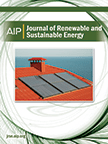
Journal of Renewable and Sustainable Energy
Illuminating Pathways to Energy EfficiencyThe Journal of Renewable and Sustainable Energy, published by AIP Publishing, stands at the forefront of research in the fields of renewable energy and sustainable practices. With an ISSN of 1941-7012, this journal aims to foster innovative research and exchange of knowledge on sustainable technologies and methodologies that contribute to environmental conservation and energy efficiency. Achieving a prestigious Q2 ranking in the category of Renewable Energy, Sustainability, and the Environment, it ranks 135 out of 270 journals in Scopus, signifying its impactful contributions to the field. The journal, active from 2010 to 2024, provides a platform for authors, analysts, and practitioners to disseminate significant findings that can shape future environmental policies and energy frameworks. Although not currently an Open Access publication, it remains an essential resource for researchers dedicated to advancing sustainable development and energy solutions.
Environmental and Climate Technologies
Innovating Research for Climate Resilience.Environmental and Climate Technologies is a premier open-access journal dedicated to advancing knowledge in the fields of environmental science and renewable energy. Published by SCIENDO since 2009, this journal plays a crucial role in disseminating innovative research and interdisciplinary studies that address the pressing challenges posed by climate change and sustainable development. With its current positioning in the Q2 quartile for Environmental Science (miscellaneous) and Q3 for Renewable Energy, Sustainability and the Environment, it is recognized for its significant contributions to the academic community, ranking #107 out of 233 in General Environmental Science and #161 out of 270 in Renewable Energy. Hailing from Germany and operating under an open-access policy, Environmental and Climate Technologies ensures that research remains accessible to a global audience, fostering collaboration and discussion among researchers, professionals, and students alike. The journal invites rigorous scientific inquiries and practical solutions that can mitigate the impact of climate-related issues, making it a vital resource for those committed to environmental stewardship and sustainability.

Green Chemical Engineering
Fostering collaboration in sustainable chemical innovation.Green Chemical Engineering, an esteemed journal published by KEAI PUBLISHING LTD, plays a pivotal role in advancing the field of sustainable chemical engineering. With an Open Access policy since 2020, this journal facilitates the free exchange of cutting-edge research and innovations that address critical environmental challenges. Based in China, it has rapidly gained recognition with impressive category quartiles, ranking Q1 in numerous relevant fields including Catalysis, Chemical Engineering (miscellaneous), Filtration and Separation, and Process Chemistry and Technology. Its presence in Scopus highlights its significance, with top rankings (e.g., Rank #4/19 in Filtration and Separation) placing it in the upper echelons of chemical engineering literature. Designed for researchers, professionals, and students alike, Green Chemical Engineering aims to foster a collaborative platform for the dissemination of pioneering work that contributes to a greener and more sustainable future.
Renewable Energy
Exploring Breakthroughs in Clean Energy.Renewable Energy is a prestigious international journal published by PERGAMON-ELSEVIER SCIENCE LTD, dedicated to advancing the field of renewable energy technologies and their applications. Since its inception in 1991, this journal has provided a critical platform for researchers, professionals, and students to explore innovative solutions in renewable energy, sustainability, and environmental protection. With an impressive impact factor and ranked in the top quartile (Q1) of its category, Renewable Energy is recognized for its high-quality, peer-reviewed research that significantly contributes to the scientific and professional discourse in the sector. The journal is indexed in Scopus, holding an esteemed rank of #21 out of 270 in its field, underscoring its influence and reach. Researchers can access the journal’s articles through traditional subscriptions, ensuring a broad dissemination of vital knowledge that supports the global transition to sustainable energy sources. Addressed from its headquarters in Oxford, England, Renewable Energy is crucial for anyone involved in the journey towards a sustainable future, fostering collaboration and innovation in a critical area of environmental science.
INDUSTRIAL CROPS AND PRODUCTS
Exploring Innovative Solutions in Industrial Crop ResearchINDUSTRIAL CROPS AND PRODUCTS is a premier journal dedicated to the field of agronomy and crop science, published by Elsevier. With an impressive impact factor that places it in the Q1 quartile for its subject category, this journal ranks among the top 29 out of 406 in Agricultural and Biological Sciences, demonstrating its significance and influence within the academic community. Since its inception in 1992, it has been committed to disseminating high-quality research that advances the understanding of industrial crops and their applications. The journal is an excellent resource for researchers, professionals, and students who are keen to explore novel findings, methodologies, and approaches in crop diversification and product development. Although it does not currently offer open access options, it maintains a rigorous peer-review process to ensure that only the most impactful research is published. As it continues to grow and evolve through to 2024, INDUSTRIAL CROPS AND PRODUCTS remains a crucial platform for those looking to make significant contributions to the field.

MRS Energy & Sustainability
Catalyzing Change in Energy Systems and SustainabilityMRS Energy & Sustainability is a premier interdisciplinary journal published by SpringerNature, focusing on advancing the understanding of energy systems and sustainability within the context of materials science and engineering. Since its inception in 2014, this journal has rapidly gained recognition in the academic landscape, achieving impressive rankings including Q1 in Electronic, Optical and Magnetic Materials and Mechanics of Materials, and Q2 in Energy Engineering and Power Technology as well as Renewable Energy, Sustainability and the Environment, as of 2023. The journal's ISSN is 2329-2229 and E-ISSN is 2329-2237. With a commitment to open access, it provides researchers and professionals with the latest findings and insights essential for guiding innovations in energy solutions and sustainable practices. The journal's global reach and high-impact reputation make it an invaluable resource for scientists, engineers, and policymakers dedicated to addressing the contemporary challenges of energy and sustainability. With a diverse scope and high Scopus rankings, MRS Energy & Sustainability continues to be at the forefront of research that shapes our energy future.

Biofuels Bioproducts & Biorefining-Biofpr
Leading the Charge in Sustainable Bioenergy InnovationsBiofuels Bioproducts & Biorefining (Biofpr), published by WILEY, stands at the forefront of research dedicated to the sustainable production and utilization of biofuels and bioproducts. With its robust impact, as evidenced by its placement in the Q2 quartile across both Bioengineering and Renewable Energy, Sustainability and the Environment categories, this journal provides a vital platform for disseminating high-quality research aimed at advancing bio-refining technologies and bio-product innovations. Covering a wide range of topics from production methodologies to environmental impacts, Biofpr serves as an essential resource for researchers, professionals, and students eager to contribute to the evolving领域 of renewable energy solutions. Its consistent performance in the Scopus rankings further underscores its importance, ranking #78 in Renewable Energy and #51 in Chemical Engineering, making it an indispensable read for those committed to sustainability and scientific advancement in the biofuels sector.