
Cognitive Neurodynamics
metrics 2024
Exploring the Frontiers of Cognitive Dynamics.
Introduction
Cognitive Neurodynamics is a leading journal in the field of cognitive neuroscience, published by Springer in the Netherlands. With an ISSN of 1871-4080 and an E-ISSN of 1871-4099, this journal has established itself as a prominent platform for innovative research from its inception in 2007, continuing to enrich the academic landscape through 2024. Recognized for its significant contributions, Cognitive Neurodynamics holds a Q2 quartile ranking in cognitive neuroscience and impressively ranks #27 out of 115 in the Scopus database, placing it in the 76th percentile among its peers. While the journal is not open access, it offers a wealth of studies focusing on the intricate dynamics of cognitive processes and neurobiological mechanisms, making it essential reading for researchers, professionals, and students alike. Its objective is to bridge the gap between theoretical insights and practical applications, fostering a deeper understanding of cognition through multidisciplinary approaches. Explore the latest advancements in cognitive dynamics and contribute to the evolving dialogue within this fascinating field.
Metrics 2024
 0.763.103.5051
Metrics History
Rank 2024
Scopus
IF (Web Of Science)
JCI (Web Of Science)
Quartile History
Similar Journals

CEREBRAL CORTEX
Exploring the intricacies of the brain.CEREBRAL CORTEX, published by Oxford University Press Inc, is a premier journal dedicated to advancing the field of neuroscience, specifically focusing on the cellular, molecular, and cognitive aspects of cortical structure and function. With an impressive impact factor that situates it in the top quartile (Q1) of its categories for 2023, this journal holds significant relevance for researchers and professionals interested in the latest discoveries and methodologies in both Cognitive Neuroscience (ranked #31 out of 115) and Cellular and Molecular Neuroscience (ranked #48 out of 97). Operating without an open access model, it ensures rigorous peer review and dissemination of high-quality research from across the globe. Since its inception in 1991, CEREBRAL CORTEX has established itself as a critical platform for educators and inventors, pushing the boundaries of knowledge in understanding brain function and its implications for behavior. Researchers and students alike will find this journal an invaluable resource for both foundational and cutting-edge studies in neuroscience.

Neuropsychologia
Pioneering Research at the Nexus of Psychology and NeuroscienceNeuropsychologia, published by PERGAMON-ELSEVIER SCIENCE LTD, is a premier journal that delves into the intersections of psychology and neuroscience, specifically focusing on behavioral and cognitive processes. Since its inception in 1963, this esteemed journal has been a vital platform for researchers, professionals, and students, showcasing innovative studies and advancements in the fields of Behavioral Neuroscience, Cognitive Neuroscience, and Experimental Psychology. With a commendable impact factor, placing it in the Q2 category across multiple disciplines, Neuropsychologia is recognized for its contribution to the scientific community, ranking among the top journals in both Experimental and Cognitive Psychology and Neuroscience. The journal's commitment to excellence is evident in its rigorous peer-review process and its mission to disseminate cutting-edge research, making it an invaluable resource for those seeking to expand their knowledge and insights in neuropsychology. For further reading, the journal is accessible in both print and digital formats, ensuring that researchers can easily engage with the latest findings and theoretical advancements in this dynamic field.

Cognition
Unraveling the Mysteries of the MindCognition, published by Elsevier, is a leading journal dedicated to the exploration and advancement of knowledge in the multifaceted fields of cognitive neuroscience, cognitive psychology, and linguistics. Since its inception in 1972, this prestigious journal has established itself as a prominent platform for disseminating innovative research and critical reviews, achieving a remarkable Q1 ranking across various relevant categories, including Cognitive Neuroscience and Developmental Psychology, as per the 2023 metrics. With a focus on providing insights that are vital for researchers, professionals, and students alike, Cognition boasts an impressive standing in the academic community, evidenced by its high Scopus rankings which place it in the top percentiles in several disciplines. Researchers interested in the cognitive processes underlying human thought, language, and behavior will find Cognition an invaluable resource that publishes cutting-edge findings and fosters interdisciplinary collaboration. Though it operates under a traditional access model, the breadth and depth of its content ensure it remains integral to advancing cognitive science.

COGNITIVE AFFECTIVE & BEHAVIORAL NEUROSCIENCE
Enhancing Knowledge: Investigating the Interplay of Mind and BehaviorCOGNITIVE AFFECTIVE & BEHAVIORAL NEUROSCIENCE (ISSN: 1530-7026, E-ISSN: 1531-135X) is an esteemed journal published by SPRINGER that aims to advance the understanding of the interplay between cognitive processes, affective states, and behavioral responses in the field of neuroscience. Established in 2001, the journal provides a rigorous platform for disseminating high-quality research, with a significant focus on both Behavioral Neuroscience and Cognitive Neuroscience. Classified in Q1 and Q2 quartiles for 2023, it ranks highly within its categories, holding positions of #37 out of 88 and #46 out of 115 respectively in the Scopus listings. Although not an open-access publication, readers can access a wealth of valuable insights and innovative findings that enrich the scientific community's understanding of brain function and behavior. The journal's emphasis on interdisciplinary research contributes to its esteemed reputation, making it a vital resource for students, researchers, and professionals striving to explore the complex nature of the human mind and behavior.

CLINICAL EEG AND NEUROSCIENCE
Bridging Clinical Practice and Neuroscience InsightsCLINICAL EEG AND NEUROSCIENCE, published by SAGE Publications Inc, stands as a pivotal journal in the fields of neurology and neuroscience, with a focus on the latest research and advancements in clinical electroencephalography and neurophysiology. Since its inception in 1970, the journal has provided a platform for rigorous scholarly work, offering valuable insights into neurological disorders and EEG technology. With its current categorization in the Q2 and Q3 quartiles across various subfields of medicine and neurology, it ranks prominently in the Scopus database, emphasizing its significance in academic discourse. The journal's commitment to disseminating high-quality research is underscored by its open access options, facilitating broader accessibility to its published findings. For researchers, clinicians, and students alike, CLINICAL EEG AND NEUROSCIENCE remains an essential resource for keeping abreast of the evolving landscape of neurological studies.
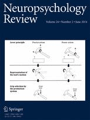
NEUROPSYCHOLOGY REVIEW
Fostering Interdisciplinary Dialogues in NeuropsychologyNEUROPSYCHOLOGY REVIEW is a prestigious journal published by Springer, dedicated to the exploration of cognitive processes and behavior through neurological and psychological perspectives. With its ISSN 1040-7308 and E-ISSN 1573-6660, this journal holds a distinguished position in Q1 of the Neuropsychology and Physiological Psychology category, ranking at #3 out of 76 with an impressive 96th percentile in Scopus. Since its inception in 1990, it has provided a critical platform for researchers, professionals, and students to disseminate and engage with comprehensive reviews and empirical research, promoting a deeper understanding of the interplay between neural mechanisms and psychological phenomena. Aimed at fostering interdisciplinary collaboration and advancement in the field, NEUROPSYCHOLOGY REVIEW invites contributions that push the boundaries of knowledge and stimulate ongoing debates in neuropsychology, making it an invaluable resource for anyone interested in the latest scientific advancements within this dynamic area.

JOURNAL OF COGNITIVE NEUROSCIENCE
Bridging neuroscience and cognition with groundbreaking research.Welcome to the JOURNAL OF COGNITIVE NEUROSCIENCE, a premier publication in the field of cognitive neuroscience, published by the esteemed MIT PRESS. Since its inception in 1989, this journal has been at the forefront of advancing our understanding of the neural mechanisms underlying cognitive processes, boasting an impressive convergence period through 2024. With its Q1 ranking in the 2023 cognitive neuroscience category, it stands out among 115 peers, indicating its critical role in shaping contemporary research. The journal offers a comprehensive array of research articles, reviews, and methodologies aimed at researchers, professionals, and students alike, facilitating the exploration of complex cognitive functions. While not an open-access journal, it provides essential insights and significant contributions to the neuroscience community, making it an invaluable resource for anyone keen on delving into the intricacies of the human brain.

BRAIN AND COGNITION
Exploring the Nexus of Mind and BrainBRAIN AND COGNITION, published by Academic Press Inc Elsevier Science, stands as a vital resource for researchers and practitioners in the realms of cognitive neuroscience and psychology. Established in 1982, the journal has continuously evolved, showcasing cutting-edge research that bridges the understanding of brain functions and cognitive processes up to 2024. With an impressive impact factor reflecting its commitment to high-quality scholarship, the journal currently holds a prestigious Q1 ranking in Arts and Humanities (miscellaneous) and notable Q2 rankings in various psychology fields, including Cognitive Neuroscience, Developmental and Educational Psychology, Experimental and Cognitive Psychology, and Neuropsychology. This multidisciplinary journal cultivates a rich academic dialogue, offering valuable insights to professionals, researchers, and students alike. Although it does not offer open access, its robust indexing in Scopus and consistent contribution to important discussions in cognitive research define its critical role in advancing knowledge and innovation in the cognitive sciences.

PSYCHOLOGIA
Illuminating the Path of Psychological KnowledgePSYCHOLOGIA is a distinguished academic journal published by the Psychologia Editorial Office, focusing on the broad field of psychology. Originating from Japan, the journal serves as a platform for innovative research and insights into various psychological phenomena, contributing significantly to the advancement of psychological knowledge since its establishment in 1996. With an ISSN of 0033-2852 and an E-ISSN of 1347-5916, PSYCHOLOGIA primarily targets researchers, professionals, and students who are passionate about the intricacies of human behavior and cognition. Currently categorized in the Q4 quartile of psychology (miscellaneous) based on 2023 metrics, it holds a Scopus rank of #157 out of 216, indicating its developing presence within the academic community. Despite being published without open access options, the journal remains committed to fostering scholarly dialogue and disseminating significant findings that shape contemporary psychological research. As it converges towards its issue set for 2024, PSYCHOLOGIA continues to be an essential resource for those seeking to deepen their understanding of psychological sciences.

BRAIN RESEARCH
Shaping the future of neuroscience through collaborative discovery.BRAIN RESEARCH is a premier journal published by Elsevier, specializing in the intricate domains of neuroscience, developmental biology, and molecular biology. Established in 1966, this esteemed publication has become a cornerstone for researchers, professionals, and students dedicated to advancing our understanding of brain function and disorders. With an impressive impact factor and a consistent presence in the Q2 quartiles across key categories—such as Developmental Biology, Neurology, and Neuroscience—it stands out as an essential resource for disseminating innovative research and pioneering insights. The journal's scope encompasses both clinical and fundamental studies, fostering a multidisciplinary approach to the complexities of neural systems. Although it is not an open-access journal, BRAIN RESEARCH provides a vital platform for sharing progressive findings that can inspire future studies and contribute significantly to the evolutionary discourse in neuroscience. Based in the Netherlands, at RADARWEG 29, 1043 NX AMSTERDAM, BRAIN RESEARCH continues to shape the landscape of neuroscience research, inviting submissions that explore the latest discoveries and therapeutic strategies.