CONCEPTS IN MAGNETIC RESONANCE PART B-MAGNETIC RESONANCE ENGINEERING
metrics 2024
Connecting Scholars to Cutting-Edge Magnetic Resonance Insights.
Introduction
CONCEPTS IN MAGNETIC RESONANCE PART B-MAGNETIC RESONANCE ENGINEERING is a premier journal published by WILEY-HINDAWI, dedicated to advancing the field of magnetic resonance engineering. With an ISSN of 1552-5031 and E-ISSN 1552-504X, this journal offers an Open Access platform since 2022, ensuring that research is freely accessible to scholars worldwide. Covering a broad spectrum of applications in medicine, radiology, nuclear medicine, and imaging, it serves as a key resource for professionals looking to stay updated with the latest advancements and innovations in the field. The journal enjoys notable rankings in various categories, including a rank of #137 in Medicine and #26 in Health Professions within Scopus, reflecting its importance and influence in both academic and clinical settings. As a vital conduit for cutting-edge research, CONCEPTS IN MAGNETIC RESONANCE PART B is committed to fostering the growth of knowledge while addressing the critical challenges and technological enhancements within magnetic resonance methodologies. Researchers, professionals, and students can expect to find comprehensive articles that adhere to high scientific standards, promoting discourse and collaboration across disciplines.
Metrics 2024
 -0.901.30-
Metrics History
Rank 2024
Scopus
IF (Web Of Science)
JCI (Web Of Science)
Quartile History
Similar Journals
JOURNAL OF COMPUTER ASSISTED TOMOGRAPHY
Exploring the Frontiers of Computer-Assisted TomographyJOURNAL OF COMPUTER ASSISTED TOMOGRAPHY, published by Lippincott Williams & Wilkins, stands as a vital resource in the field of Radiology, Nuclear Medicine, and Imaging. Since its inception in 1977, this journal has been dedicated to advancing the understanding and application of computer-assisted tomography, emphasizing innovative research and clinical practices that enhance diagnostic imaging techniques. With an impact factor reflective of its rigorous scholarship and relevance—ranking in the Q3 category—the journal serves as an essential platform for contributors and readers alike, navigating the challenges and opportunities within a rapidly evolving field. Researchers, professionals, and students are encouraged to engage with the rich repository of articles that cover emerging technologies, clinical applications, and theoretical advancements, collectively fostering a deeper comprehension of imaging sciences. Although not currently designated as an open-access journal, it continues to enhance discourse in the community from its headquarters in Philadelphia, PA, maintaining a commitment to the highest standards of academic excellence.

Journal of the Korean Magnetics Society
Unveiling the science behind magnetic phenomena.Journal of the Korean Magnetics Society, published by the Korean Magnetics Society, is a prestigious academic journal dedicated to advancing the field of magnetics. Renowned for its contributions to both fundamental and applied magnetics research, this journal spans a wide range of topics, including magnetic materials, magnetometry, and applications in technology. Aimed at researchers, professionals, and students, it serves as a vital platform for disseminating high-quality research and innovative findings within the magnetics community. Although it does not currently offer Open Access options, the journal maintains a high academic standard, supported by its commitment to rigorous peer review processes. Its ISSN 1598-5385 and E-ISSN 2233-6648 ensure that it is easily traceable within academic databases, promoting continuous engagement and scholarship in the disciplines of physics and engineering related to magnetic phenomena. Whether you are looking to publish cutting-edge research or stay abreast of the latest discoveries in magnetics, the Journal of the Korean Magnetics Society is an indispensable resource.
MAGNETIC RESONANCE IN CHEMISTRY
Connecting Chemistry and Magnetic Resonance for a Brighter FutureMAGNETIC RESONANCE IN CHEMISTRY, published by Wiley, is a prominent journal dedicated to the advancement of knowledge in the field of magnetic resonance as applied to chemistry and materials science. With an ISSN of 0749-1581 and an E-ISSN of 1097-458X, this journal has been an essential resource for researchers since its inception in 1985, maintaining its reputation as a leading publication through its converged years up to 2024. Spanning diverse topics, the journal holds a Q2 quartile ranking in both the Chemistry (miscellaneous) and Materials Science (miscellaneous) categories, illustrating its significance in the academic community. With Scopus rankings placing it in the 61st percentile for General Chemistry and the 55th percentile for General Materials Science, this journal is an esteemed platform for original research, reviews, and critical discussions surrounding magnetic resonance methodologies and applications. As access options are not open, it ensures a curated dissemination of high-quality, peer-reviewed content to support professionals, researchers, and students in their scholarly endeavors.
Oral Radiology
Advancing oral health through innovative imaging research.Oral Radiology is a prestigious academic journal published by Springer, dedicated to advancing the field of dentistry and radiology through high-quality research and innovative findings. With a focus on oral imaging, it has established itself as a vital resource for researchers, clinicians, and students alike, striving to bridge the gap between cutting-edge imaging technologies and practical applications in oral health. Covering a diverse range of topics from 1985 to 2024, this journal not only holds a commendable Q2 ranking in both the Dentistry (miscellaneous) and Radiology, Nuclear Medicine and Imaging categories but also ranks impressively within the Scopus metrics, placing it among the top-tier publications in its field. While not an open-access journal, Oral Radiology remains a crucial platform for disseminating significant advances, influencing both academic research and clinical practices. Its rigorous peer-review process ensures that only the highest quality articles are published, making it an essential read for those seeking to stay at the forefront of oral radiological science.
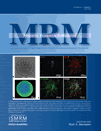
MAGNETIC RESONANCE IN MEDICINE
Advancing the Frontiers of Imaging ScienceMAGNETIC RESONANCE IN MEDICINE is a premier academic journal published by Wiley, dedicated to advancing the field of radiology, nuclear medicine, and imaging. With an impressive impact factor reflective of its Q1 ranking in the Radiology, Nuclear Medicine and Imaging category for 2023, it holds a distinguished position among its peers. Since its inception in 1984, this journal has served as a vital resource for researchers, clinicians, and students alike, offering cutting-edge research articles, reviews, and innovative findings that push the boundaries of magnetic resonance technology. The journal’s rigorous peer-review process ensures the highest standards of scientific integrity, making it an essential platform for those looking to make significant contributions to the field. Published in the United States, MAGNETIC RESONANCE IN MEDICINE continues to foster global discourse and collaboration, offering access options that include traditional subscriptions, ensuring that its vital content remains accessible to the academic community and beyond.
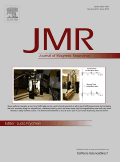
JOURNAL OF MAGNETIC RESONANCE
Illuminating the Path of Nuclear and High Energy PhysicsThe JOURNAL OF MAGNETIC RESONANCE, a leading peer-reviewed publication from ACADEMIC PRESS INC ELSEVIER SCIENCE, serves as a vital platform for disseminating cutting-edge research in the fields of biochemistry, biophysics, and condensed matter physics. With an ISSN of 1090-7807 and an E-ISSN of 1096-0856, this journal is committed to publishing innovative studies that explore the principles and applications of magnetic resonance techniques. Ranking in the Q3 and Q2 quartiles across various categories in 2023, it reflects a robust standing within the academic community, especially noted for its contributions to nuclear and high energy physics where it ranks 29th out of 87 journals. The journal's comprehensive scope and emphasis on accessible research make it an essential resource for researchers, professionals, and students alike, facilitating advancements in both theoretical and practical aspects of magnetic resonance. With conversion years spanning 1997 to 2024, the journal continues to uphold its legacy as a cornerstone of knowledge in the best practices of scientific research.
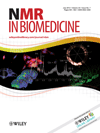
NMR IN BIOMEDICINE
Transforming Biomedical Science Through NMR InsightsNMR in Biomedicine is a prestigious journal published by Wiley that has been at the forefront of advancing research in the integration of Nuclear Magnetic Resonance (NMR) techniques within the realms of biomedicine since its establishment in 1988. With its ISSN 0952-3480 and E-ISSN 1099-1492, this journal focuses on the application of NMR across various scientific disciplines, including Molecular Medicine, Radiology, Nuclear Medicine and Imaging, and Spectroscopy. The journal is classified in the Q1 and Q2 quartiles as of 2023, showcasing its significant impact and contribution, particularly in Radiology and Spectroscopy, where it ranks in the top tier of its fields. The Scopus ranks reflect its esteemed position, with notable placements such as #70/333 in Radiology and #25/76 in Chemistry Spectroscopy. While Open Access options are not available, the journal remains committed to providing high-quality, peer-reviewed research that fosters innovation and collaboration within the scientific community. Researchers, professionals, and students are encouraged to explore the cutting-edge findings presented in this journal, as it continues to shape the future of biomedical applications of NMR.
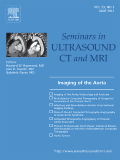
SEMINARS IN ULTRASOUND CT AND MRI
Elevating Standards in Ultrasound and ImagingSEMINARS IN ULTRASOUND CT AND MRI is a prestigious academic journal dedicated to advancing the fields of radiology, nuclear medicine, and imaging. Published by W B SAUNDERS CO-ELSEVIER INC, this journal has been a cornerstone of scholarly communication since 1984, providing a platform for high-quality research and review articles that enhance the understanding of diagnostic imaging techniques. With a current impact factor reflected in its Q3 quartile ranking among 333 journals in its category, it remains a valuable resource for researchers and clinicians alike. The journal's focus includes but is not limited to innovations in ultrasound, computed tomography, and magnetic resonance imaging, making it essential for professionals looking to stay at the forefront of imaging science. While it operates under a subscription model, its extensive archive of influential articles ensures ongoing access to critical knowledge and developments in the field. With a commitment to quality and relevance, SEMINARS IN ULTRASOUND CT AND MRI continues to contribute significantly to the evolving landscape of medical imaging.
Imaging Science in Dentistry
Transforming dental practices with cutting-edge imaging science.Imaging Science in Dentistry is a premier open-access journal published by the Korean Academy of Oral & Maxillofacial Radiology, dedicated to the cutting-edge field of dental imaging and radiology. Since its inception in 2011, the journal has played a pivotal role in disseminating crucial research that advances our understanding of imaging techniques in dentistry, imaging-based diagnostics, and treatment planning. With an impressive Q2 ranking in various fields, including Dentistry (Miscellaneous), Radiological and Ultrasound Technology, and Radiology, Nuclear Medicine, and Imaging as of 2023, it is recognized for its contribution to the academic community, attracting a diverse readership that encompasses researchers, clinicians, and students. The journal provides a platform for sharing innovative methodologies, clinical studies, and reviews that shape current practices in dental imaging while promoting open access to enhance knowledge sharing globally. Through its rigorous peer-review process and commitment to high-quality publications, Imaging Science in Dentistry continues to set a standard for excellence in imaging sciences in the dental profession.

DENTOMAXILLOFACIAL RADIOLOGY
Bridging Clinical Practice with Innovative ImagingDentomaxillofacial Radiology, published by the British Institute of Radiology, serves as a premier journal in the realm of radiology, focusing specifically on imaging techniques and methodologies that are essential for the diagnosis and treatment in the dental and maxillofacial regions. Since its inception in 1972, the journal has maintained a rigorous standard for publishing impactful research, currently boasting an impressive impact factor that underscores its relevance and authority in the field. With categorization in Q1 for both Dentistry (Miscellaneous) and Otorhinolaryngology, as well as Q2 for Medicine (Miscellaneous), this journal supports professionals and students alike through the dissemination of cutting-edge research. Although it does not currently operate as an open-access platform, it is accessible for a wide audience eager to engage with the latest advancements in radiology, nuclear medicine, and imaging. By bridging the gap between clinical practice and innovative research, Dentomaxillofacial Radiology continues to be an invaluable resource for academics and practitioners seeking to enhance their expertise and improve patient outcomes in a rapidly evolving field.