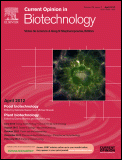
CURRENT OPINION IN BIOTECHNOLOGY
Scope & Guideline
Unveiling Insights on Emerging Biotech Trends
Introduction
Aims and Scopes
- Biotechnological Innovations:
The journal consistently publishes articles on cutting-edge biotechnological advances, exploring novel methodologies and technologies that enhance productivity and sustainability in various biotechnological applications. - Sustainable Development:
A core focus is on sustainable practices in biotechnology, addressing challenges such as waste management, resource recovery, and the development of bio-based products that contribute to a circular economy. - Interdisciplinary Approaches:
CURRENT OPINION IN BIOTECHNOLOGY emphasizes interdisciplinary research, integrating fields such as molecular biology, synthetic biology, computational biology, and environmental science to tackle complex biotechnological challenges. - Health and Medicine:
The journal regularly features research on biotechnological applications in healthcare, including drug development, gene therapy, and innovative therapeutic approaches utilizing biotechnological tools. - Agricultural Biotechnology:
There is a strong emphasis on agricultural biotechnology, particularly in enhancing crop resilience, improving yields, and developing sustainable agricultural practices through biotechnological innovations.
Trending and Emerging
- Synthetic Biology:
There is a significant rise in publications related to synthetic biology, emphasizing its potential to revolutionize biomanufacturing, metabolic engineering, and the design of novel biological systems. - Microbial Biotechnology for Sustainability:
Emerging themes include the use of microbial systems for sustainable practices, such as bioremediation, waste valorization, and the production of biofuels and biochemicals from renewable resources. - Precision Agriculture and Genetic Engineering:
The integration of biotechnology in precision agriculture and genetic engineering is increasingly prominent, focusing on enhancing crop traits and resilience to climate change through advanced biotechnological methods. - AI and Machine Learning in Biotechnology:
The application of artificial intelligence and machine learning in biotechnology is gaining momentum, with research exploring data-driven approaches for optimizing bioprocesses and predicting outcomes in biological systems. - Health Biotechnology Innovations:
Innovations in health biotechnology, including mRNA technology and gene editing approaches like CRISPR, are trending topics, reflecting the urgent need for advanced therapeutic solutions in response to global health challenges.
Declining or Waning
- Traditional Agricultural Practices:
Research on conventional agricultural methodologies is becoming less prominent as the focus shifts towards innovative biotechnological solutions and sustainable practices that leverage advanced biotechnologies. - Basic Microbial Studies:
There has been a noticeable decline in emphasis on basic microbial studies without direct applications in biotechnology, as the journal increasingly prioritizes applied research that demonstrates tangible biotechnological benefits. - Pharmaceutical Biotechnology:
Although still relevant, the volume of papers focused on traditional pharmaceutical biotechnology approaches is decreasing as the field moves towards personalized medicine and advanced therapeutic techniques.
Similar Journals
ENGINEERING IN LIFE SCIENCES
Innovating at the Crossroads of Bioengineering and Environmental ScienceENGINEERING IN LIFE SCIENCES, published by Wiley, is a pivotal journal for professionals, researchers, and students dedicated to advancing the interdisciplinary fields of bioengineering, biotechnology, and environmental engineering. With an ISSN of 1618-0240 and an E-ISSN of 1618-2863, this journal has established itself as a reputable platform for disseminating innovative research findings and breakthroughs in engineering applications within the life sciences. Currently holding a prestigious Q2 ranking in multiple categories, including bioengineering and environmental engineering, it reflects a strong commitment to high-quality, impactful research (Scopus ranks: Environmental Science - Rank #61/197, Biochemistry, Genetics and Molecular Biology - Rank #112/311). The journal spans contributions from 2004 to 2024, ensuring a comprehensive archiving of evolving scientific discourse. Although it does not currently offer open access, its curated articles are accessible through institutional and single-article purchases, providing valuable insights and updates for the academic community. Join us in shaping the future of engineering within life sciences and stay informed on critical advancements that are driving innovation across multiple disciplines.
BIOTECHNOLOGY ADVANCES
Advancing the Frontiers of BiotechnologyBIOTECHNOLOGY ADVANCES is a premier, peer-reviewed journal published by PERGAMON-ELSEVIER SCIENCE LTD, dedicated to advancing knowledge in the rapidly evolving fields of biotechnology and bioengineering. With an ISSN of 0734-9750 and an E-ISSN of 1873-1899, this esteemed journal covers a wide spectrum of topics relevant to applied microbiology, molecular biology, and biochemical innovation. Recognized for its academic rigor, it holds a distinguished position in the top quartile (Q1) in multiple categories, including Applied Microbiology and Biotechnology, Bioengineering, and Biotechnology, further evidenced by its high rankings in Scopus, where it ranks #3/127 in Applied Microbiology and Biotechnology and #7/311 in Biotechnology. Researchers and professionals in the field value the journal not only for its comprehensive coverage of cutting-edge research but also for its commitment to disseminating critical findings and fostering collaboration. While BIOTECHNOLOGY ADVANCES currently operates under a subscription model, its potential impact on future innovations in biotechnology cannot be overstated, making it an essential resource for anyone interested in the forefront of biotechnological advancements.

Research Journal of Biotechnology
Pioneering research for a sustainable biotechnological future.Research Journal of Biotechnology is a premier publication dedicated to advancing the field of biotechnology through the dissemination of impactful research articles. Published by Research Journal Biotechnology in India, this journal operates under an Open Access model, facilitating unrestricted access to high-quality research for researchers, professionals, and students worldwide. With an ISSN of 2278-4535 and an E-ISSN of 2278-4535, the journal aims to serve as a comprehensive platform for innovative studies in Applied Microbiology and Biotechnology, Bioengineering, and Biotechnology. Despite its current Q4 quartile ranking in these categories, the journal aspires to extend its influence and visibility in the academic community, aiming for greater impact in the future. The journal features research articles that span a wide array of topics in biotechnology, fostering a collaborative and knowledge-rich environment for national and international scholars. We invite you to explore, contribute to, and engage with the expanding landscape of biotechnological research through the Research Journal of Biotechnology.
Bioengineered
Exploring the Frontiers of Applied MicrobiologyBioengineered, published by TAYLOR & FRANCIS INC, is an esteemed Open Access journal that has been at the forefront of research in the fields of bioengineering, biotechnology, and applied microbiology since its inception in 2012. With an impressive impact factor reflecting its high-quality contributions, the journal is categorized in the top quartiles, achieving Q1 rankings in Applied Microbiology and Biotechnology, as well as in Biotechnology and Medicine (Miscellaneous) for 2023. This active engagement in showcasing pioneering research is critical for professionals and students alike, facilitating access to revolutionary studies and methodologies. The journal operates under an Open Access model since 2018, ensuring that groundbreaking findings in bioengineering are readily accessible to a global audience. Situated in the United Kingdom, Bioengineered not only serves as a platform for innovative research but also underscores the importance of interdisciplinary collaborations among scientists, engineers, and biotechnologists.

TRENDS IN BIOTECHNOLOGY
Transforming Science through Biotechnological AdvancesTRENDS IN BIOTECHNOLOGY, published by CELL PRESS, stands as a premier journal since its inception in 1983, focusing on the dynamic and ever-evolving fields of bioengineering and biotechnology. With a notable impact factor and ranking in the top quartile (Q1) of its categories for 2023, this journal is recognized for its contribution to advancing scientific knowledge, boasting a Scopus rank of #5/311 in Biotechnology and #5/162 in Bioengineering, placing it in the 98th and 97th percentiles, respectively. Although it does not operate under an open access model, TRENDS IN BIOTECHNOLOGY ensures a rigorous peer-review process that provides a platform for high-quality research that influences both academic and industrial advancements. The journal's objectives encompass the dissemination of cutting-edge research findings, reviews, and insights that foster innovation in biotechnological applications, making it an invaluable resource for researchers, professionals, and students alike. With its broad scope across the intersection of biosciences and technology, TRENDS IN BIOTECHNOLOGY continues to lead discussions and developments that shape the future of the biotechnology landscape.

Poljoprivreda
Advancing agricultural knowledge for a sustainable future.Poljoprivreda is a distinguished open-access journal dedicated to the field of agronomy and crop science, published by the FAC Agriculture Osijek in Croatia. Since its inception in 2000, the journal has been committed to disseminating high-quality research that informs both academic and practical advancements in agriculture. With an ISSN of 1330-7142 and an E-ISSN of 1848-8080, Poljoprivreda provides a vital platform for researchers, professionals, and students to engage with the latest findings and methodologies in agronomy, contributing significantly to the enhancement of agricultural practices in Croatia and beyond. Although currently ranked in the 22nd percentile within its category according to Scopus, the journal aspires to elevate its standing by welcoming innovative research that addresses contemporary challenges within the agricultural sciences. By fostering open access since 2000, Poljoprivreda ensures that its scholarly content is freely available, promoting wider dissemination and collaborative opportunities among researchers globally.

EuroBiotech Journal
Unveiling Cutting-Edge Discoveries in Life SciencesEuroBiotech Journal, published by SCIENDO, is an essential open-access platform for researchers and professionals in the fields of biomedical engineering, biotechnology, food science, genetics, molecular biology, and molecular medicine. Since its establishment in 2017, the journal has aimed to disseminate high-quality, peer-reviewed research that fosters innovation and collaboration within the European biotechnological landscape and beyond. With its target audience comprising academic scholars, industry practitioners, and students, EuroBiotech Journal has successfully carved a niche, achieving notable Scopus ranks and quartiles, such as Q3 in Biotechnology and Food Science. Based in Warsaw, Poland, the journal welcomes manuscripts that contribute to the vast array of current topics, addressing pressing challenges and discovering solutions pertinent to biotechnology and its applications. As you explore the latest advancements published in this journal, you will find a rich source of knowledge that promotes a deeper understanding of the dynamic and evolving field of biotechnological research.

Biotechnology and Genetic Engineering Reviews
Advancing the Frontiers of Biotechnology and Genetic Engineering.Biotechnology and Genetic Engineering Reviews is a prominent journal published by Taylor & Francis Ltd, specializing in the rapidly evolving fields of biotechnology and genetic engineering. Since its inception in 1984, this journal has served as a critical platform for researchers and professionals to disseminate groundbreaking scientific findings, review methodologies, and discuss emerging trends within the domain. With a substantial track record of convergence in its publication history from various years, it currently holds Q2 rankings in both Bioengineering and Biotechnology, alongside a Q3 ranking in Molecular Biology for 2023. Its dedication to quality research is reflected in its Scopus rankings, which position the journal favorably within the competitive landscape of biochemistry and molecular biology. Although it is not an open-access journal, Biotechnology and Genetic Engineering Reviews remains committed to providing accessible insights to the global scientific community, making it an invaluable resource for students, academics, and industry professionals keen on advancing their knowledge in these crucial fields.

GEN Biotechnology
Transforming Life Sciences Through Cutting-Edge DiscoveriesGEN Biotechnology, published by MARY ANN LIEBERT, INC, is a pivotal journal dedicated to advancing the field of biotechnology through the dissemination of high-quality research. With its ISSN 2768-1572 and E-ISSN 2768-1556, this journal seeks to bridge the gap between fundamental biotechnology research and its practical applications across various industries. As a leading publication in the life sciences arena, it emphasizes innovative studies in areas such as genetic engineering, molecular biology, bioinformatics, and synthetic biology. Although currently not open access, GEN Biotechnology offers a platform for researchers, professionals, and students to delve into cutting-edge findings that significantly impact health, agriculture, and environmental sustainability. Its commitment to excellence is underscored by its strive for high visibility within the global research community.
Biotechnology for Biofuels and Bioproducts
Exploring Innovative Pathways for Sustainable EnergyBiotechnology for Biofuels and Bioproducts is a premier international journal published by BMC, situated in the United Kingdom, focusing on the critical intersection of biotechnology and sustainable energy solutions. Established as an Open Access platform in 2022, this journal aims to disseminate high-quality research that advances our understanding of biofuels, bioproducts, and their applications within environmental sustainability. With its commendable Q2 ranking in multiple relevant categories including Applied Microbiology and Biotechnology and Renewable Energy, this journal serves as a vital resource for researchers, industry professionals, and students seeking to explore innovative biotechnological approaches to address global energy challenges. The journal emphasizes interdisciplinary research, fostering collaboration among scientists in biotechnology, environmental science, and policy-making. As it continues to publish impactful findings until 2024, Biotechnology for Biofuels and Bioproducts remains essential for those dedicated to advancing sustainable methodologies in energy and resource management.