
FOOD HYDROCOLLOIDS
metrics 2024
Advancing the Science of Food: Unveiling Hydrocolloids' Potential
Introduction
FOOD HYDROCOLLOIDS is a premier peer-reviewed journal published by Elsevier, focusing on the interdisciplinary field of food science, particularly the role of hydrocolloids in food systems. Established in 1986, this journal has become a leading platform for disseminating innovative research and reviews that advance the understanding of hydrocolloids' chemical and physical properties, their applications in food technology, and their impact on food quality and safety. With a commendable impact factor and consistently ranked in the Q1 quartile across diverse categories—including Chemical Engineering and Food Science—FOOD HYDROCOLLOIDS stands at the forefront of cutting-edge research, evidenced by its top-tier Scopus rankings (8th in Food Science and 8th in General Chemical Engineering). Researchers, professionals, and students are encouraged to explore the wealth of knowledge available through this journal, showcasing advancements and best practices in the use of hydrocolloids for food formulation and processing.
Metrics 2024
 2.7211.0011.30211
Metrics History
Rank 2024
Scopus
IF (Web Of Science)
JCI (Web Of Science)
Quartile History
Similar Journals

Food Chemistry: Molecular Sciences
Pioneering Research for a Healthier TomorrowFood Chemistry: Molecular Sciences is a leading academic journal published by ELSEVIER, dedicated to advancing knowledge in the fields of food science and molecular biology. With an ISSN of 2666-5662, this journal is a key platform for researchers and professionals aiming to disseminate innovative research findings from 2020 through 2024. Recognized for its quality, it stands in the Q1 category for Food Science and Q2 for Molecular Biology as of 2023, showcasing its commitment to high-impact publications. The journal is indexed in Scopus, earning ranks of #98/389 (74th percentile) in Agricultural and Biological Sciences - Food Science and #214/410 (47th percentile) in Biochemistry, Genetics and Molecular Biology - Molecular Biology. Each article represents cutting-edge research that drives the understanding and application of molecular principles in food chemistry, making it an essential resource for anyone involved in the field. Although this journal does not offer open access, its rigorous peer-review process ensures that the content is reliable and of significant academic value, contributing profoundly to the body of knowledge in the respective disciplines. Located in Amsterdam, Netherlands, Food Chemistry: Molecular Sciences continues to inspire scholarly discussion and innovation within the scientific community.

Food Chemistry-X
Exploring the Molecular Wonders of Food.Food Chemistry-X is a premier open-access journal published by Elsevier, dedicated to advancing the field of food chemistry through high-quality research and comprehensive reviews. With its ISSN of 2590-1575, the journal has gained significant attention since adopting an open-access model in 2019, allowing wide dissemination of knowledge and innovations in food science. Based in the United Kingdom, it holds prestigious Q1 rankings in both Analytical Chemistry and Food Science categories as of 2023, positioning itself as a leading platform for researchers worldwide. The journal's focus spans extensive topics within food chemistry, including food safety, nutritional analysis, and the chemical properties of food, offering insights that are crucial for addressing contemporary challenges in food production and consumption. With a Scopus rank placing it in the 65th percentile among the top journals in Food Science and the 58th percentile in Analytical Chemistry, Food Chemistry-X is an essential resource for academics, professionals, and students seeking to stay at the forefront of research and innovation in this vibrant field.

Journal of Food Science and Technology-Ukraine
Unlocking Knowledge in Food Safety and QualityJournal of Food Science and Technology-Ukraine, published by the Odesa National University of Technology, stands as a pivotal platform dedicated to the dissemination of high-quality research in the field of food science and technology. With its open access policy established in 2014, the journal fosters global knowledge sharing and accessibility, enabling researchers, professionals, and students to access critical findings and advancements in food technology without barriers. The journal's commitment to publishing innovative studies, reviews, and case analyses reinforces its role in addressing contemporary challenges in food safety, preservation, processing, and nutritional quality. With ISSN 2073-8684 and E-ISSN 2409-7004, it serves as a valuable resource for the academic community, supporting the advancement of food science knowledge and its practical applications.
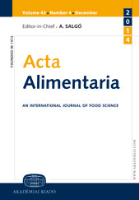
ACTA ALIMENTARIA
Exploring the future of food safety and quality.ACTA ALIMENTARIA is a renowned journal in the field of food science, published by AKADEMIAI KIADO ZRT, based in Hungary. Since its inception in 1973, it has served as a vital platform for disseminating high-quality research on food chemistry, microbiology, nutrition, and technology, contributing significantly to the advancement of knowledge in the agricultural and biological sciences. Currently classified in the Q3 quartile of the 2023 Food Science category, the journal is positioned to address pressing issues pertaining to food safety, quality, and sustainability, making it an invaluable resource for researchers, professionals, and students alike. Although it does not currently offer open access, the journal maintains a strong reputation with a readership keenly interested in the latest developments in food science. With a Scopus rank placing it in the 38th percentile of its category, ACTA ALIMENTARIA continues to be a pivotal reference for those engaged in food research and innovation.
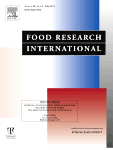
FOOD RESEARCH INTERNATIONAL
Pioneering Discoveries in Nutrition and BiotechnologyFOOD RESEARCH INTERNATIONAL is a premier academic journal published by ELSEVIER, specializing in the field of Food Science. With an impressive impact factor and ranked Q1 in the 2023 category quartiles, it stands at the forefront of research, positioned 17th out of 389 in the Scopus ranking for Agricultural and Biological Sciences, attaining a commendable 95th percentile. The journal publishes high-quality, peer-reviewed articles that cover a broad spectrum of topics, including food safety, quality control, nutrition, and biotechnology, making it an invaluable resource for academics, industry professionals, and students alike. As FOOD RESEARCH INTERNATIONAL seeks to enhance understanding and advance technologies related to food, it encourages innovative perspectives and interdisciplinary research. The journal, active from 1992 and continuing through 2024, is an essential platform for disseminating vital findings and fostering collaboration within the global food science community.
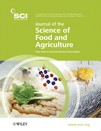
JOURNAL OF THE SCIENCE OF FOOD AND AGRICULTURE
Uncovering breakthroughs in food science and sustainability.Welcome to the Journal of the Science of Food and Agriculture, a leading academic publication in the realms of Agronomy, Food Science, Biotechnology, and Nutrition. Founded in 1950 and published by Wiley, this journal has established itself as a vital resource for researchers and professionals committed to advancing knowledge and innovation in food and agricultural sciences. With a remarkable impact factor reflective of its esteemed status—ranking Q1 in Agronomy and Food Science and Q2 in Biotechnology and Nutrition, this journal stands at the forefront of critical research, featuring rigorous peer-reviewed articles that span a wide array of topics. Access options are available through institutional subscriptions, ensuring that indispensable research reaches both scholars and practitioners alike. As it converges into 2024, the journal continues to address key challenges and opportunities within the field, making it essential reading for anyone interested in sustainable agricultural practices and food security. Engage with cutting-edge research that shapes our understanding of food systems and agricultural advancements.
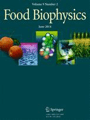
Food Biophysics
Unlocking the Secrets of Food through Biophysical AnalysisWelcome to Food Biophysics, an esteemed journal published by SPRINGER, dedicated to advancing the field of food science through the lens of biophysics. With an ISSN of 1557-1858 and an E-ISSN of 1557-1866, this journal provides a platform for the dissemination of innovative research from 2006 to 2024. Food Biophysics holds a distinguished position in the academic community, boasting a Q1 ranking in Food Science and Q2 rankings in Analytical Chemistry, Applied Microbiology and Biotechnology, Bioengineering, and Biophysics. This positions the journal in the 73rd percentile for Food Science, signifying its relevance and influence in the field. Although not Open Access, it remains an invaluable resource for researchers, professionals, and students interested in the intricate biophysical properties of food materials and processes. Explore cutting-edge findings that bridge disciplines and advance our understanding of how biophysics can innovate food preservation, safety, and quality.
Food Structure-Netherlands
Transforming Food Science Through Cutting-Edge ResearchFood Structure-Netherlands, published by Elsevier, stands at the forefront of research in the fields of Applied Microbiology and Biotechnology, Bioengineering, and Food Science. With its ISSN 2213-3291 and a commendable position in the 2023 Q1 category rankings, this journal serves as a vital platform for scholars and professionals seeking to explore the innovative intersections of food structure and its multifaceted applications. The journal has garnered significant recognition, ranking 67th in Food Science and 36th in Applied Microbiology and Biotechnology, placing it in the top echelons of its field with 82nd and 72nd percentiles, respectively. Spanning years from 2014 to 2024, Food Structure-Netherlands aims to disseminate high-quality research that fosters the advancement of knowledge, promoting sustainable practices and technological innovations in the food industry. Researchers, professionals, and students will find this journal to be an invaluable resource for cutting-edge studies and emerging trends in food structure and functionality.

FOOD TECHNOLOGY AND BIOTECHNOLOGY
Unlocking the Potential of Food Science and BiotechnologyFOOD TECHNOLOGY AND BIOTECHNOLOGY is a distinguished peer-reviewed journal published by the Faculty of Food Technology and Biotechnology, University of Zagreb, Croatia. Since its inception in 1993, this Open Access journal has become a crucial platform for disseminating innovative research in the fields of food science, biotechnology, and chemical engineering. With a commendable impact factor and consistent Q2 and Q3 rankings across multiple categories—including Biotechnology, Food Science, and Industrial Engineering—this journal not only fosters academic discussions but also addresses real-world challenges in food production, safety, and sustainability. As it converges its thematic scope from 1996 to 2024, FOOD TECHNOLOGY AND BIOTECHNOLOGY remains committed to advancing knowledge through high-quality research and interdisciplinary collaboration, making it an essential resource for researchers, professionals, and students seeking to stay at the forefront of food innovation and biotechnology.

Applied Food Research
Elevating Food Science Through Pioneering ResearchApplied Food Research, published by Elsevier, is an esteemed journal that plays a critical role in advancing the field of Food Science. With an ISSN of 2772-5022, the journal has established itself as a premier outlet for high-quality research, achieving a commendable Q1 ranking in the 2023 Food Science category and a 63rd percentile in Scopus rankings for Agricultural and Biological Sciences. Covering a diverse range of topics from food safety to innovative processing techniques, Applied Food Research seeks to publish pioneering studies that enhance our understanding of food systems and contribute to broader discussions on sustainability and nutrition. As it converges on its fourth year of publication, researchers, professionals, and students alike are encouraged to engage with its content through various open access options, ensuring widespread dissemination of knowledge in a field that is vital to global health and well-being. Operating out of Amsterdam, Netherlands, this journal is poised to be an indispensable resource for anyone dedicated to making significant contributions in the domain of food science.