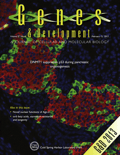
GENES & DEVELOPMENT
metrics 2024
Empowering Researchers with Cutting-Edge Genetic Discoveries
Introduction
GENES & DEVELOPMENT, published by COLD SPRING HARBOR LAB PRESS, stands as a premier journal in the fields of Developmental Biology and Genetics, boasting a remarkable impact factor that reflects its prestigious position in the academic community—ranking Q1 in both disciplines as of 2023. Since its inception in 1987, this journal has been at the forefront of disseminating cutting-edge research, effectively bridging the gap between laboratory breakthroughs and their applications in health and disease. Researchers and professionals rely on GENES & DEVELOPMENT for its rigorous peer-review process and its commitment to promoting innovative studies that unravel the complexities of gene functions and developmental processes. With Scopus rankings placing it in the top percentile among its peers, this journal serves as a vital resource for students and established scientists alike, aspiring to expand their knowledge and contribute to the ever-evolving landscape of genetic and developmental research.
Metrics 2024
 5.017.5010.50479
Metrics History
Rank 2024
Scopus
IF (Web Of Science)
JCI (Web Of Science)
Quartile History
Similar Journals

GENES TO CELLS
Bridging Research and Discovery in Molecular BiologyGENES TO CELLS is a distinguished peer-reviewed journal published by Wiley, offering valuable insights into the intricate world of cell biology and genetics. With an ISSN of 1356-9597 and an E-ISSN of 1365-2443, this journal has been contributing to the academic community since its inception in 1996 and will continue its publishing journey until 2024. Recognized with a category quartile ranking of Q3 in both Cell Biology and Genetics, and Q2 in Medicine (Miscellaneous) as of 2023, it serves as an important platform for disseminating innovative research and reviews in molecular biology and related fields. Although it does not currently offer open access, the journal caters to a diverse readership by providing comprehensive studies that are essential for professionals, researchers, and students aiming to deepen their understanding of genetic mechanisms and cellular functions. Situated in the United Kingdom, GENES TO CELLS continues to play a pivotal role in shaping the future of biological research.

CELL RESEARCH
Elevating Insights in Cell and Molecular SciencesCELL RESEARCH is a premier peer-reviewed journal dedicated to advancing the field of cell biology and molecular biology, published by SpringerNature. With an impressive impact factor and consistently ranking in the Q1 quartile for both cell biology and molecular biology, this journal serves as a pivotal resource for researchers, professionals, and students seeking to explore the latest discoveries and advancements in cellular mechanisms and their implications for health and disease. Since its inception in 1996, CELL RESEARCH has cultivated a distinguished reputation, currently boasting ranks in the top percentile of Scopus categories, reaffirming its influence and relevance to the scientific community. Although it is not an Open Access journal, its rigorous selection process ensures the publication of high-quality articles that contribute significantly to our understanding of life sciences. For those deeply engaged in the realms of biochemistry, genetics, and molecular biology, CELL RESEARCH is an essential conduit of innovative research and critical insights.
DEVELOPMENT GENES AND EVOLUTION
Bridging Genetics and Development for Evolutionary Insights.DEVELOPMENT GENES AND EVOLUTION is a prominent academic journal published by Springer, dedicated to advancing the fields of developmental biology and genetics. With an ISSN of 0949-944X and an E-ISSN of 1432-041X, this journal plays a crucial role in disseminating high-quality research that explores the genetic underpinnings of developmental processes across various organisms. Located in the United States, the journal has maintained a strong international presence with a significant impact factor, reflecting its importance in the scientific community. It currently holds a Q3 ranking in both developmental biology and genetics, according to the latest 2023 category quartiles, indicating a solid standing among peers. With a convergence of insights from 1996 to 2024, the journal publishes original articles, reviews, and research notes that attract a diverse readership of researchers, professionals, and students. Access options include traditional subscription models and open access, ensuring that vital research is available to a broad audience. By fostering discussions on the evolution of developmental mechanisms, DEVELOPMENT GENES AND EVOLUTION continues to be an essential resource for those interested in understanding the intricate interplay between genetics and development.

CRITICAL REVIEWS IN EUKARYOTIC GENE EXPRESSION
Transforming Perspectives in Molecular GeneticsCRITICAL REVIEWS IN EUKARYOTIC GENE EXPRESSION, published by BEGELL HOUSE INC, serves as a vital resource within the fields of Genetics and Molecular Biology. With the ISSN 1045-4403 and E-ISSN 2162-6502, this journal has been contributing to scientific discourse since 1990 and is projected to continue its publication until 2024. Despite its classification in the Q3 quartile for both Genetics and Molecular Biology, its impact on the research community is significant, as evidenced by its diverse range of critical reviews that synthesize and analyze emerging trends and foundational studies in gene expression. The journal, located in the United States at 50 North St, Danbury, CT 06810, offers a platform for researchers, professionals, and students to engage with innovative ideas and methodologies that drive forward the understanding of gene regulatory mechanisms in eukaryotes. Although it currently does not offer open access, the journal's content remains crucial for those dedicated to advancing knowledge in the intricacies of genetic expression.
BIOCHEMICAL SOCIETY TRANSACTIONS
Exploring the Frontiers of Biochemistry TogetherBIOCHEMICAL SOCIETY TRANSACTIONS is a premier journal published by Portland Press Ltd, renowned for its rigorous dissemination of cutting-edge research in the field of biochemistry. Established in 1973 and currently spanning until 2024, this journal has solidified its standing with an impressive Q1 category ranking in Biochemistry, reflecting its commitment to high-quality scholarship and innovation. It plays a crucial role in bridging current biochemical research with its practical applications, making it an invaluable resource for researchers, professionals, and students alike. The journal enjoys a commendable position in the Scopus Ranks, sitting at Rank #105 out of 438 journals in its category, placing it in the 76th percentile among similar publications. While the journal maintains a subscription-only access policy, it promises to provide readers with comprehensive insights and discoveries that drive advancements in biochemistry and related fields. This journal is not just a repository of information; it is a vibrant community dedicated to the progress of biochemistry, making it essential reading for anyone involved in this dynamic discipline.

FOLIA BIOLOGICA
Cultivating Knowledge Across Biological DisciplinesFOLIA BIOLOGICA, published by Charles University Prague, First Faculty of Medicine, is an esteemed academic journal that has been contributing to the fields of Biochemistry, Cell Biology, Developmental Biology, Genetics, Immunology, and Molecular Biology since its inception in 1961. With an ISSN of 0015-5500, this journal serves as a vital platform for researchers and professionals to disseminate their findings and advance knowledge within these disciplines. Despite its current Category Quartiles ranking in the lower tiers (Q3 and Q4), FOLIA BIOLOGICA continues to provide valued insights and foster scholarly dialogue, particularly in its paralleled fields. The journal is headquartered in Prague, Czech Republic, and operates without Open Access options, which emphasizes its focus on curated, peer-reviewed content essential for academicians and students. By bridging theoretical and practical knowledge, FOLIA BIOLOGICA remains committed to enriching the scientific community and serving as a cornerstone for future research innovations.

DNA AND CELL BIOLOGY
Connecting Researchers to the Heart of BiologyDNA AND CELL BIOLOGY, published by Mary Ann Liebert, Inc, is a distinguished journal in the realms of cell biology, genetics, and molecular biology, holding a notable position in its Q3 and Q2 quartile rankings across multiple academic categories as of 2023. With an ISSN of 1044-5498 and an E-ISSN of 1557-7430, this journal has been a pivotal platform for the dissemination of cutting-edge research since its inception in 1990, extending its coverage through 2024. Situated in the United States, the journal offers high-quality peer-reviewed articles, exploring significant advancements in biological sciences while fostering interdisciplinary collaborations within the research community. Though it currently does not offer open access, subscribed institutions and individual readers benefit from its rich repository of knowledge. The journal's rigorous standards and impactful content make it an essential resource for researchers, professionals, and students alike, aiming to stay at the forefront of discoveries influencing DNA and cellular dynamics.
MOLECULAR BIOLOGY
Elevating Academic Excellence in Molecular ResearchMOLECULAR BIOLOGY, published by PLEIADES PUBLISHING INC, serves as a vital repository for the dissemination of innovative research within the fields of biochemistry, genetics, and molecular biology. With an ISSN of 0026-8933 and an E-ISSN of 1608-3245, this journal has been a mainstay in the scientific community since its inception, embracing its deep historical roots from 1971 to the present. Recognized for its qualitative contributions, MOLECULAR BIOLOGY is ranked in the Q3 quartile for Biophysics and Q4 for Structural Biology, placing it among select journals in its domain. Researchers and students alike benefit from its rigorous peer-reviewed articles, which focus on all aspects of molecular mechanisms and interactions. The journal's inclusion in prestigious databases underlines its commitment to academic excellence. The editorial board is dedicated to fostering the sharing of influential findings, making it an essential resource for advancing knowledge and innovation in molecular biology.
DEVELOPMENT
Exploring the molecular foundations of life’s intricate designs.DEVELOPMENT is a preeminent journal published by COMPANY BIOLOGISTS LTD, headquartered in the United Kingdom. With an ISSN of 0950-1991 and an E-ISSN of 1477-9129, this esteemed journal has been at the forefront of the fields of Developmental Biology and Molecular Biology since its inception in 1987. Recognized for its rigorous peer review process and high-caliber research, DEVELOPMENT holds an impressive Q1 ranking in both disciplines as of 2023, underscoring its pivotal role in advancing scientific understanding. The journal is particularly noted for its contributions to the understanding of developmental processes, their molecular underpinnings, and their implications in health and disease. With a significant impact factor, DEVELOPMENT aims to disseminate groundbreaking research that inspires novel insights and future explorations within the biological sciences, making it an essential resource for researchers, professionals, and students alike. The journal also maintains accessibility for its readership, ensuring that significant research findings reach those who can apply and build upon them.

Cells & Development
Fostering High-Impact Research in Developmental BiologyCells & Development is a premier journal published by Elsevier, dedicated to advancing the field of Developmental Biology. With an ISSN of 2667-2901 and an impressive Q2 ranking in its category for 2023, the journal endeavors to provide a platform for high-quality research articles that explore cellular mechanisms, developmental processes, and molecular interactions that underpin growth and differentiation. Based in the Netherlands, Cells & Development not only emphasizes the importance of innovative experimental approaches but also encourages interdisciplinary contributions that bridge the gap between basic and applied science. As an Open Access publication, it ensures that research findings are readily accessible to a global audience, significantly enhancing visibility and impact. The journal's commitment to scholarly excellence makes it an essential resource for researchers, professionals, and students aiming to contribute to the dynamic field of developmental biology.