
IEEE Transactions on Transportation Electrification
Scope & Guideline
Transforming Transportation Through Electrification
Introduction
Aims and Scopes
- Electric Vehicle Technologies:
Research on electric vehicle (EV) technologies encompasses the development and optimization of electric powertrains, battery management systems, and energy storage solutions tailored for various vehicle types, including passenger cars, buses, and aircraft. - Power Electronics and Control Systems:
The journal emphasizes advancements in power electronics, including converters, inverters, and control strategies that enhance the efficiency and reliability of electric drive systems in transportation applications. - Renewable Energy Integration:
Research related to the integration of renewable energy sources into transportation electrification is a key focus, addressing the challenges associated with charging infrastructure and grid management. - Energy Management Strategies:
The journal serves as a platform for innovative energy management strategies that optimize the performance and efficiency of electric vehicles and related systems, including vehicle-to-grid (V2G) and grid-to-vehicle (G2V) technologies. - Fault Diagnosis and Reliability:
A significant area of research includes the development of fault diagnosis methods and reliability assessment techniques for electric transportation systems, ensuring safety and longevity. - Hybrid and Fuel Cell Systems:
The scope also includes research on hybrid electric vehicles (HEVs) and fuel cell systems, focusing on their design, performance, and integration into existing transportation infrastructures.
Trending and Emerging
- Advanced Battery Management Systems:
There is a notable increase in research focused on advanced battery management systems that enhance performance, longevity, and safety of electric vehicle batteries, particularly in fast-charging scenarios. - Artificial Intelligence in Transportation:
The application of artificial intelligence and machine learning techniques for predictive maintenance, energy management, and autonomous vehicle operations is increasingly prevalent, showcasing the integration of smart technologies in transportation. - Wireless Power Transfer Systems:
Emerging research on wireless power transfer systems for electric vehicles is gaining traction, driven by the need for convenient charging solutions and the advancement of inductive charging technologies. - Vehicle-to-Grid (V2G) Technologies:
Research on V2G technologies is on the rise, as electric vehicles are increasingly viewed as potential energy resources that can support grid stability and renewable energy integration. - Sustainable Transportation Solutions:
A growing emphasis on sustainable transportation solutions, including eco-driving strategies and the analysis of life cycle impacts of electric vehicles, reflects the industry's commitment to reducing environmental footprints. - Smart Charging Infrastructure:
Research exploring smart charging infrastructure, which optimizes charging based on grid conditions and user demands, is becoming more prominent as cities and regions invest in modernizing their EV charging networks.
Declining or Waning
- Conventional Internal Combustion Engine Research:
With the growing emphasis on electrification, research focused on conventional internal combustion engine technologies has diminished in the journal, as the industry shifts towards electric and hybrid solutions. - Basic Battery Technologies:
While battery technology remains important, there has been a shift away from basic battery chemistry studies towards advanced battery management systems and integration strategies, indicating a waning interest in foundational studies. - Traditional Power Grid Infrastructure Studies:
Research related to traditional power grid infrastructure has seen a decline, as the focus shifts towards smart grids and decentralized energy systems that accommodate the growing presence of electric vehicles. - Standardized Charging Protocols:
As the field evolves, there is less emphasis on the development of standardized charging protocols, with more focus being directed towards innovative solutions for fast charging and wireless power transfer systems. - Legacy Energy Management Systems:
Older energy management systems are becoming less relevant as new, more sophisticated algorithms and methods are developed, leading to a decline in publications related to legacy systems.
Similar Journals

Archives of Electrical Engineering
Illuminating Innovations in Electrical and Electronic EngineeringArchives of Electrical Engineering, published by the Polish Academy of Sciences, is an esteemed journal dedicated to advancing the field of electrical and electronic engineering. With an ISSN of 1427-4221 and an e-ISSN of 2300-2506, this open-access journal has been providing an important platform for scholarly communication since its transition to open access in 2010, ensuring wide dissemination and accessibility of research findings globally. The journal covers a diverse range of topics within the electrical engineering domain and is recognized for its contribution to both theoretical and practical advancements in the field, as evidenced by its Q3 ranking in the 2023 category of Electrical and Electronic Engineering. It currently holds a Scopus rank of 471 out of 797, placing it in the 40th percentile. Researchers, professionals, and students are invited to explore cutting-edge research, innovations, and insights published in this pivotal journal that bridges the gap between academic excellence and industry application.
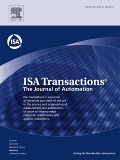
ISA TRANSACTIONS
Advancing the Frontiers of Engineering and TechnologyISA TRANSACTIONS, published by Elsevier Science Inc, is a premier academic journal that serves as a vital platform for advancing knowledge in the fields of Applied Mathematics, Computer Science Applications, Control and Systems Engineering, Electrical and Electronic Engineering, and Instrumentation. With an impressive H-index reflecting its scholarly impact, the journal is recognized in the top quartile (Q1) across its categories as of 2023, showcasing its significance within these disciplines. The journal boasts a robust Scopus ranking, placing it amongst the top journals globally—ranked #16 in Applied Mathematics and #6 in Instrumentation—highlighting its influence and reputation. ISA TRANSACTIONS not only contributes to theoretical advances but also addresses practical applications in engineering and technology, making it essential reading for researchers, professionals, and students seeking to stay at the forefront of innovation. Published continuously since 1968, it promises to remain a cornerstone for future research until at least 2024, fostering academic discourse and collaboration in a rapidly evolving technical landscape.
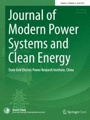
Journal of Modern Power Systems and Clean Energy
Shaping the Future of Energy through Academic Excellence.Journal of Modern Power Systems and Clean Energy is a leading academic platform dedicated to advancing the fields of energy engineering, power technology, and renewable energy. Published by the prestigious STATE GRID ELECTRIC POWER RESEARCH INSTITUTE in China, this Open Access journal has been a significant contributor to the dialogue on sustainable energy solutions since its inception in 2013. With a Q1 ranking in both the Energy Engineering and Power Technology and Renewable Energy, Sustainability and the Environment categories, it serves a crucial role for researchers and professionals striving to push the boundaries of innovation in power systems and clean energy technologies. The journal’s impact is reflected in its impressive Scopus rankings, placing it in the top 10% of its categories, making it an invaluable resource for academia and industry alike. The Journal of Modern Power Systems and Clean Energy invites submission of original articles, reviews, and case studies that resonate with its mission of promoting sustainability and addressing contemporary energy challenges.
INTERNATIONAL JOURNAL OF AUTOMOTIVE TECHNOLOGY
Accelerating Knowledge in Automotive TechnologyINTERNATIONAL JOURNAL OF AUTOMOTIVE TECHNOLOGY, published by the Korean Society of Automotive Engineers (KSAE), stands as a key platform in the field of Automotive Engineering since its inception in 2000. With an ISSN of 1229-9138 and an E-ISSN of 1976-3832, this esteemed journal aims to disseminate cutting-edge research, innovative methodologies, and advancements in automotive technology. As of 2023, it holds a distinguished Q2 quartile ranking in the Automotive Engineering category on Scopus, featuring a competitive rank of 48/125, illustrating its recognition among peers and the academic community. The journal also enjoys a global readership despite its base in South Korea. Researchers, professionals, and students in the automotive sector are encouraged to contribute to this journal, thus promoting collaboration and knowledge exchange that fosters innovation and progress in automotive engineering. Additionally, the journal is committed to enhancing accessibility of knowledge across boundaries and aims to continue serving as a catalyst for academic growth up to the year 2024.
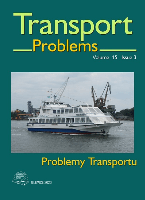
Transport Problems
Pioneering Research for Global Transport ChallengesTransport Problems, published by the Silesian University of Technology, Faculty of Transport, is a distinguished open-access journal that has been advancing scholarship in the fields of Automotive Engineering, Mechanical Engineering, and Transportation since its inception in 2007. With an ISSN of 1896-0596 and an E-ISSN of 2300-861X, this journal serves as a vital platform for researchers and practitioners to disseminate innovative research findings and explore fundamental issues in transport systems and technologies. Based in Poland, the journal covers various topics including transportation logistics, vehicle dynamics, and environmental impacts, thereby addressing critical challenges faced in the transportation sector globally. As reflected in its Scopus rankings, the journal occupies respectable quartiles and continues to contribute valuable insights to the academic community. By making its content freely accessible, Transport Problems significantly enhances the ability of researchers and students alike to engage with the latest developments in transport engineering and contribute to this ever-evolving field.

IEEE Electrification Magazine
Illuminating Trends in Electrification TechnologyIEEE Electrification Magazine, published by the Institute of Electrical and Electronics Engineers (IEEE), serves as a pivotal platform in the field of Electrical and Electronic Engineering. With an ISSN of 2325-5897 and an E-ISSN of 2325-5889, this esteemed journal aims to bridge the gap between research and practical applications in electrification, addressing current trends and technological advancements since its inception in 2013. Notably recognized as a Q1 journal in Electrical and Electronic Engineering and a Q2 journal in Energy Engineering and Power Technology for 2023, it ranks in the 72nd and 69th percentiles, respectively, within its categories according to Scopus. As a vital resource for researchers, professionals, and students, it delivers thought-provoking articles that stimulate discourse and innovation within the electrification landscape, though it currently does not offer open access. The editorial excellence and rigorous peer-review process ensure that each published piece contributes meaningfully to the dynamic field of electrification, solidifying the journal’s importance as a leading voice in advancing engineering practices and education.

Communications in Transportation Research
Exploring the intersection of engineering and social sciences.Communications in Transportation Research is a premier open access journal published by ELSEVIER, dedicated to advancing the understanding of transportation systems and their integration within the broader contexts of engineering, decision sciences, and social sciences. Launched in 2021, this journal has quickly established itself as a leading platform for innovative research, achieving impressive rankings in its categories, including Q1 status in Control and Systems Engineering, Decision Sciences, and Transportation. With its comprehensive scope, covering areas from fundamental engineering principles to applied decision-making processes, the journal attracts a diverse audience of researchers, professionals, and students eager to contribute to and learn from cutting-edge studies that shape the future of transportation. The journal’s commitment to open access ensures that valuable insights and data are freely available, fostering collaboration and knowledge sharing across the global research community.
CIRCUIT WORLD
Fostering Collaboration in Engineering ExcellenceCIRCUIT WORLD, published by Emerald Group Publishing Ltd, is a pivotal academic journal in the fields of Electrical and Electronic Engineering and Industrial and Manufacturing Engineering. Established in 1974, this journal has provided a vital platform for researchers and professionals to disseminate their findings and advancements over nearly five decades. With a notable Q3 ranking in both categorization areas as of 2023, CIRCUIT WORLD emphasizes the importance of innovation and practical applications in engineering. The journal facilitates the exchange of ideas, featuring case studies, reviews, and cutting-edge research that address contemporary challenges in the industry. Although not an open-access journal, it remains dedicated to contributing significantly to the academic community, making it an essential resource for students and professionals committed to advancing their knowledge and expertise in these dynamic fields. With a focus on providing insights into current trends and future directions, CIRCUIT WORLD stands out as a crucial catalyst for scholarly collaboration and innovation.
International Journal of Electric and Hybrid Vehicles
Pioneering Research in Automotive Engineering and Renewable EnergyThe International Journal of Electric and Hybrid Vehicles, published by INDERSCIENCE ENTERPRISES LTD, serves as a pivotal platform for scholarly discourse within the automotive engineering and renewable energy sectors. Established in 2007, this journal focuses on advancing research related to electric and hybrid vehicle technologies, encompassing innovations in design, performance, and environmental sustainability. With its rankings reflecting a Q3 status in Automotive Engineering and Fuel Technology, along with a Q4 in Renewable Energy, Sustainability and the Environment, it occupies a significant space within the academic community. Researchers, professionals, and students can benefit from its comprehensive coverage of theoretical and practical applications. Though not open access, its articles contribute valuable insights and advancements that drive the global transition towards greener transportation solutions. As the journal converges towards its 2024 goal, it remains committed to the dissemination of high-quality research that shapes the future of sustainable mobility.

Frontiers in Future Transportation
Charting New Paths in Transportation StudiesFrontiers in Future Transportation, published by FRONTIERS MEDIA SA, is an influential Open Access journal that has been at the forefront of research since its inception in 2020. With an ISSN of N/A and E-ISSN 2673-5210, this journal provides a comprehensive platform for cutting-edge studies in the field of transportation, encompassing urban studies, automotive engineering, and innovative control systems. Ranking impressively in Scopus with notable percentiles—61st in Urban Studies, 51st in Automotive Engineering, and others—it underscores its significance within the scholarly community. The journal is committed to advancing the discourse surrounding sustainable and smart transportation solutions that address the challenges of future mobility. By offering unrestricted access to research, it invites contributions from researchers, professionals, and students alike, fostering collaboration and disseminating knowledge pivotal to transforming transportation systems globally. With its headquarters based in Lausanne, Switzerland, Frontiers in Future Transportation is poised to make substantial contributions to the evolving landscape of transport research through 2024 and beyond.