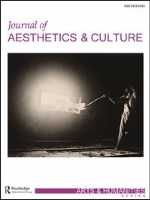
Journal of Aesthetics & Culture
Scope & Guideline
Advancing Critical Discourse in Aesthetics
Introduction
Aims and Scopes
- Interdisciplinary Aesthetic Studies:
The journal emphasizes the convergence of aesthetics with various fields such as philosophy, cultural studies, and media theory, fostering discussions that bridge disciplinary boundaries. - Contemporary Art and Cultural Critique:
It critically examines contemporary art practices and cultural phenomena, interrogating their social, political, and ethical implications within a global context. - Philosophical Inquiry into Art:
A significant focus is placed on philosophical explorations of aesthetics, including the works of prominent philosophers and their relevance to modern artistic practices. - Media and Technological Impact on Art:
The journal investigates how emerging technologies, including AI and digital media, reshape artistic production and audience engagement, reflecting on the shifting nature of art in the digital age. - Politics and Aesthetics:
It explores the relationship between aesthetics and politics, emphasizing how art can serve as a form of resistance or a means of reinforcing power dynamics in society.
Trending and Emerging
- AI and Art:
Recent publications increasingly focus on the implications of artificial intelligence in artistic creation, examining how AI challenges traditional notions of authorship and creativity. - Aesthetics of the Digital Age:
There is a growing interest in the aesthetics associated with digital media and technology, including video art and online exhibitions, reflecting the transformative impact of the digital landscape on artistic practices. - Cultural Politics and Representation:
Emerging themes include the intersection of aesthetics and cultural politics, particularly regarding representation and identity, as scholars investigate how art reflects and shapes public discourse. - Environmental and Social Issues in Art:
Recent articles are increasingly addressing environmental concerns and social justice through artistic practices, highlighting art's role in activism and societal change. - Interactivity and Audience Engagement:
The journal is exploring themes of interactivity in art, particularly how audience participation is redefining the experience and interpretation of art in contemporary settings.
Declining or Waning
- Traditional Art Forms:
There is a noticeable decline in emphasis on traditional art forms and classical aesthetics, as the journal increasingly engages with contemporary and experimental practices. - Historical Aesthetic Movements:
Discussions surrounding historical movements in aesthetics, such as Romanticism or Modernism, have decreased, suggesting a pivot towards current and emergent aesthetic theories. - Static Representations of Culture:
The journal seems to be moving away from static analyses of cultural representations, favoring more dynamic and fluid interpretations that consider contemporary shifts in cultural narratives.
Similar Journals

Culture and Dialogue
Unraveling the Complex Tapestry of Human InteractionCulture and Dialogue is a prominent journal published by BRILL, dedicated to exploring the intricate relationships between culture, communication, and societal dynamics. With an ISSN of 2222-3282 and an E-ISSN of 2468-3949, this journal serves as a vital platform for disseminating research that bridges various academic disciplines, including cultural studies, anthropology, and communication theory. Positioned in the Netherlands, it benefits from BRILL's esteemed reputation in scholarly publishing, ensuring high visibility and accessibility within the academic community. The journal aims to foster a deeper understanding of cultural narratives and dialogues, highlighting their significance in contemporary society. As an invaluable resource for researchers, professionals, and students eager to engage with cutting-edge discussions, Culture and Dialogue contributes significantly to the advancement of knowledge in its field.

Quintana-Revista do Departamento de Historia da Arte
Engaging Minds in the Study of Cultural HeritageQuintana-Revista do Departamento de Historia da Arte, published by the Universidade de Santiago de Compostela, is a distinguished academic journal that focuses on the critical analysis and exploration of visual arts and performing arts. With its ISSN 1579-7414 and E-ISSN 2340-0005, this journal serves as a vital platform for researchers, professionals, and students interested in the depth of art history and cultural discourse. Operating under a Q4 category in the realm of Visual Arts and Performing Arts, the journal is committed to fostering scholarly dialogue and advancing knowledge in the field. Though it currently does not offer open access options, it remains an invaluable resource for those aiming to contribute to and understand the evolving landscape of art history. The journal covers converged years from 2011 to 2012 and 2014 to 2024, highlighting its ongoing relevance and adaptability to contemporary discussions. As it continues to enhance its visibility and impact within the 20th percentile of its category according to Scopus rankings, Quintana invites contributions that deepen our understanding of artistic expression and cultural heritage.
Journal of Contemporary Chinese Art
Unveiling the Dynamics of Contemporary Chinese CreativityThe Journal of Contemporary Chinese Art is a prestigious academic publication dedicated to advancing the discourse surrounding contemporary artworks and artistic practices in China. Published by INTELLECT LTD, this journal features insightful articles and research that catalyze discussions among scholars, practitioners, and students within the Visual Arts and Performing Arts fields. With an ISSN of 2051-7041 and an E-ISSN of 2051-705X, the journal operates without open access, yet remains a pivotal resource as reflected in its Q2 ranking in the 2023 category of Visual Arts and Performing Arts, positioning it within the 70th percentile on the Scopus Ranks. Covering a diverse range of topics from global influences on Chinese art to the socio-political dimensions of artistic expressions, the journal aims to foster a deeper understanding of contemporary cultural dynamics. Since its inception in 2019 and continuing through 2024, it has established itself as a critical platform for emerging voices and established experts alike, making it an essential read for anyone engaged in the study and appreciation of modern Chinese art.

MILLENNIUM FILM JOURNAL
Engaging Minds Through Interdisciplinary Film Scholarship.MILLENNIUM FILM JOURNAL, published by MILLENNIUM FILM WORKSHOP INC, stands as a pivotal platform for exploration and discourse within the realm of film studies. With its ISSN 1064-5586, the journal has been noteworthy in delineating the complexities of visual arts and performing arts, contributing significantly to academic scholarship between the years 2009 to 2016, and in 2018. Though its coverage has been discontinued in Scopus, the journal has attained a respectable position within its category, ranking #320 out of 502 in the Arts and Humanities field. Researchers, professionals, and students alike are invited to engage with interdisciplinary discussions that illuminate the cultural and theoretical dimensions of cinema. While currently not offering open access options, the journal continues to serve as a vital resource for those deeply invested in the study of film, making it a respected voice in visual arts and performance research.
ART HISTORY
Exploring the Rich Tapestry of Art Across Time and CultureART HISTORY is a prestigious journal published by Wiley, focusing on the dynamic and diverse field of visual arts and performing arts since its inception in 1978. With an ISSN of 0141-6790 and an E-ISSN of 1467-8365, the journal has established itself as a significant resource for researchers, professionals, and students interested in exploring the complexities of art across various epochs and cultures. Currently ranked in the Q3 category within the Visual Arts and Performing Arts sector and positioned at #132 out of 667 in Scopus rankings—representing the top 80th percentile—ART HISTORY delivers insightful scholarship that contributes to the understanding and appreciation of art history. Although it does not offer open access, the journal remains committed to publishing high-quality, peer-reviewed articles that delve into critical artistic practices, theories, and aesthetics. The journal's location in the United Kingdom further enhances its international reach and influence, making it a vital platform for advancing discourse in the arts.

Libros de la Corte
Showcasing Cutting-Edge Research with a European PerspectiveLibros de la Corte, an esteemed publication originating from the Universidad Autónoma de Madrid's Instituto Universitario La Corte en Europa, represents a vital resource in the fields of History, Literature and Literary Theory, and Visual Arts and Performing Arts. Since its establishment, this Open Access journal has been pivotal in disseminating innovative research and critical analyses, making scholarly works accessible to a global audience since 2009. With an impressive Scopus ranking that places it within the top quartiles across multiple categories, including a Q1 ranking in 2023 for both Literature and Literary Theory and Visual Arts and Performing Arts, this journal maintains a strong influence and reputation among peers. Additionally, its location in Madrid, Spain enhances its cultural and academic significance, positioning it at the heart of European literary discussions. Researchers, professionals, and students alike will find Libros de la Corte to be an invaluable platform for exploring and contributing to the ongoing dialogue in these rich fields of inquiry.

Arte Individuo y Sociedad
Connecting Scholars and Practitioners through Artful Discourse.Arte Individuo y Sociedad, published by UNIV COMPLUTENSE MADRID, SERVICIO PUBLICACIONES, is a leading Open Access journal dedicated to advancing understanding in the realms of Visual Arts and Performing Arts. With an impressive impact factor that places it in the Q1 category of its field and a remarkable Scopus rank of #92 out of 667, this journal stands as a vital resource for scholars, practitioners, and students alike. Since its inception in 1988, the journal has championed the dissemination of innovative research and critical discourse, fostering a platform where creativity and academia intersect. The converged years from 2010 to 2024 signify a dynamic evolution of the journal, reflecting contemporary issues and developments in visual and performing arts. For those interested in exploring the complex interplay between art and society, Arte Individuo y Sociedad offers essential insights and diverse perspectives in an increasingly interconnected global landscape.

De Arte
Bridging Artistic Expression with Scholarly InquiryDe Arte is a distinguished journal dedicated to the field of Cultural Studies, published by Routledge Journals, Taylor & Francis Ltd. Since its inception in 1967, the journal has served as a critical platform for scholarly discourse, exploring the intersection of the arts and cultural dynamics. With an Impact Factor reflecting its quality and relevance in the academic community, De Arte is committed to advancing knowledge through rigorous research. It currently holds a Category Quartile ranking of Q3 in Cultural Studies according to the 2023 metrics, and is indexed in Scopus, ranking #1024 out of 1304 in the Social Sciences subcategory. Although it operates under a traditional publishing model, the journal ensures broad access to its insightful publications. The journal invites researchers, professionals, and students to contribute and engage with contemporary cultural issues, making it an essential resource for those invested in the arts and humanities.
Australian and New Zealand Journal of Art
Celebrating Diverse Artistic MethodologiesThe Australian and New Zealand Journal of Art, published by Taylor & Francis Ltd, stands as a critical platform for scholarly discourse in the fields of art, visual arts, and performing arts, contributing to the ongoing dialogue regarding contemporary artistic practices and methodologies across Australia and New Zealand. With an ISSN of 1443-4318 and an E-ISSN of 2203-1871, this journal invites submissions that strive for innovation and insightful critique, aiming to foster a deeper appreciation and understanding of diverse artistic expressions. Despite its classification in the fourth quartile under the Arts and Humanities categories, it continues to attract attention within its niche, as evidenced by its Scopus rankings, indicating its vital role in the academic landscape. The journal is committed to bridging the gap between research and practice, providing access to a wealth of interdisciplinary knowledge for researchers, professionals, and students alike.

AM Journal of Art and Media Studies
Exploring the Intersection of Art and Media.AM Journal of Art and Media Studies is a distinguished academic journal dedicated to the critical exploration of art and media in contemporary society. Published by SINGIDUNUM UNIVERSITY, FACULTY OF MEDIA & COMMUNICATIONS, this journal has been an Open Access platform since 2015, facilitating the dissemination of knowledge and fostering creativity for researchers, professionals, and students alike. With its ISSN 2217-9666 and E-ISSN 2406-1654, it aims to provide a rigorous peer-reviewed space for scholarly articles that illuminate the dynamic interplay between artistic expression and media technologies. Although specific impact metrics such as HIndex and Scopus rankings are currently unavailable, the journal aspires to contribute significantly to its field, encouraging innovative research in art and media studies. Its open access model ensures that valuable insights are readily accessible to a global audience, amplifying the impact of research and discussions surrounding cultural production in our increasingly mediated world.